
If your dog is vomiting, you’re probably worried and wondering what you can safely give them to ease their discomfort. Vomiting can be upsetting to see, and you want to help your furry friend feel better as quickly as possible.
But knowing what to offer your dog without making things worse can be confusing. You’ll discover simple, effective options for soothing your dog’s upset stomach at home, when to seek veterinary help, and how to reintroduce food carefully. Keep reading to learn exactly what to give your dog for vomiting so you can take the best care of them right now.
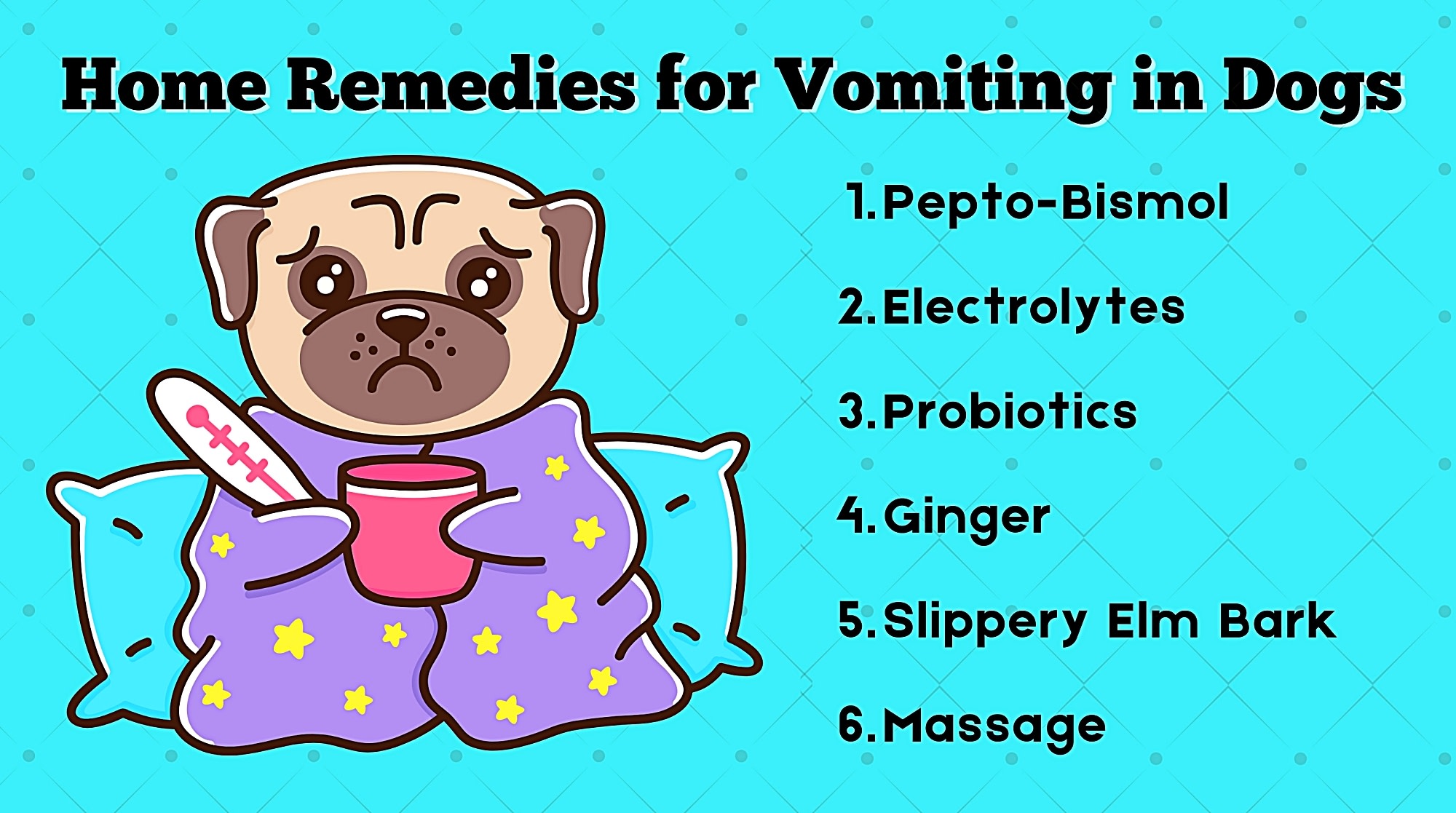
Credit: pethelpful.com
Home Care Tips
Home care plays a key role in helping a vomiting dog recover safely. Simple steps can ease discomfort and prevent worsening symptoms. Careful attention supports your dog’s healing process at home. Always watch for changes that may need veterinary help.
Offer Small Amounts Of Water
Start by giving your dog small sips of water. This prevents dehydration without upsetting the stomach. Avoid large amounts at once to reduce vomiting risk. Offer water every 10 to 15 minutes to stay hydrated.
Provide Rest And Comfort
Create a quiet and cozy space for your dog to rest. Limit activity to lower stress and help recovery. A calm environment reduces nausea and supports healing. Stay close to offer comfort and reassurance.
Use Bland Diet Options
Introduce bland food slowly after vomiting stops. Plain boiled chicken and white rice work well. Avoid spices, oils, or rich foods that may irritate. Feed small portions several times a day to ease digestion.
Credit: www.anoet.com
Safe Food Choices
Knowing when to seek veterinary help for a vomiting dog is crucial. Vomiting can be a sign of many issues, some mild and others serious. Watch your dog carefully for warning signs that need immediate attention. Acting quickly can prevent complications and ensure your dog recovers safely.
Persistent Vomiting
Vomiting that lasts more than 24 hours requires a vet visit. Continuous vomiting stops your dog from keeping fluids and food down. This can cause weakness and other health risks. A vet can find the cause and give proper treatment.
Signs Of Dehydration
Dehydration is dangerous for dogs. Check for dry gums, sunken eyes, or less skin elasticity. If your dog drinks water but vomits it up, dehydration can happen fast. A vet can provide fluids and support to prevent serious harm.
Blood Or Unusual Vomit
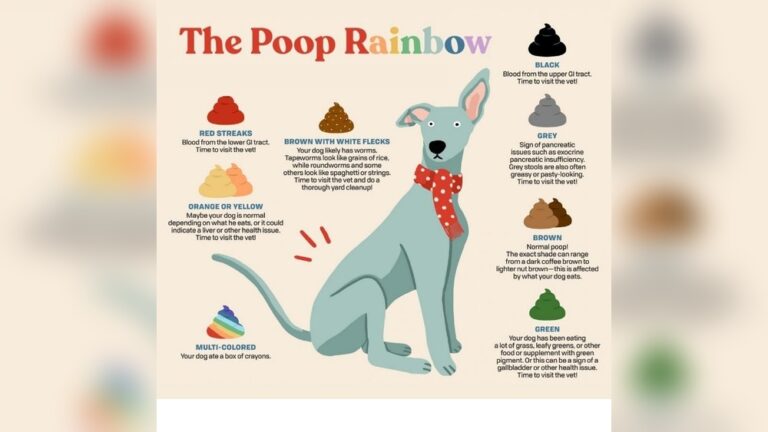
Blood in vomit or vomit that looks like coffee grounds needs urgent care. This may show bleeding in the stomach or intestines. Strange colors or smells can also signal infection or poisoning. Don’t wait to get a vet’s help.
Lethargy And Loss Of Appetite
If your dog becomes very tired and stops eating, visit a vet quickly. These signs often mean the illness is serious. Early treatment can improve your dog’s chance of recovery. Watch closely for changes in behavior or energy levels.
Natural Remedies
Reintroducing food after vomiting is a delicate process. It helps your dog’s stomach recover and prevents more vomiting. Start slowly and carefully observe your dog’s response. This phase is crucial for your pet’s health and comfort.
Small Portions To Start
Begin with tiny amounts of bland food. Boiled chicken and white rice work well. Feed small portions every few hours. This avoids overwhelming your dog’s sensitive stomach.
Gradual Increase Of Meals
Slowly increase the size of each meal over several days. Add more food only if your dog tolerates the previous portion. This gradual approach supports digestion and helps rebuild strength.
Monitor For Tolerance
Watch your dog closely after feeding. Look for signs like vomiting, diarrhea, or lethargy. Stop increasing food if any symptoms return. Consult a vet if problems persist or worsen.

Credit: www.youtube.com
When To Seek Vet Help
Monitoring blood sugar is vital when your dog is vomiting. Vomiting can cause drops in blood sugar, leading to weakness or lethargy. Keeping an eye on your dog’s energy helps catch early signs of low blood sugar. This lets you act fast to prevent serious problems. Simple methods exist to support your dog’s sugar levels safely at home.
Use Honey Or Syrup For Lethargy
If your dog seems very tired or weak, a small amount of honey or syrup can help. These natural sugars quickly raise blood sugar levels. Use a drop or two on your dog’s gums. Avoid giving too much; a little goes a long way. This quick boost can help your dog feel more alert and energetic.
Watch For Energy Levels
Energy level is a key sign of your dog’s health during vomiting. Watch for changes like sluggishness or lack of interest in activities. Low energy may mean your dog’s blood sugar is too low. Keep a close eye and be ready to offer honey or syrup if needed. Note any other symptoms and contact a vet if your dog worsens.
Frequently Asked Questions
What Can I Give My Dog To Stop Vomiting?
Give your dog small amounts of water and a bland diet like boiled chicken and white rice. Probiotics or ginger can help soothe the stomach. Avoid food for 12 hours, then reintroduce bland meals slowly. Consult a vet if vomiting persists or worsens.
How Do You Settle A Dog’s Stomach After Throwing Up?
Offer small amounts of water or ice chips to prevent dehydration. Let your dog rest in a quiet space. After fasting, feed bland foods like boiled chicken and white rice. Avoid seasoning. Use natural remedies like ginger or probiotics to soothe the stomach.
Monitor for worsening symptoms.
How Many Times Should A Dog Throw Up Before Going To Vet?
Take your dog to the vet if vomiting occurs more than twice in 24 hours, or if they can’t keep water down. Seek immediate care if vomit contains blood, your dog is lethargic, or shows other illness signs.
Will Pepto Bismol Stop Vomiting In Dogs?
Pepto Bismol may reduce mild nausea but does not reliably stop vomiting in dogs. Consult a vet before use.
Conclusion
Vomiting in dogs can be worrying but often manageable at home. Start with small amounts of bland food like boiled chicken and rice. Natural remedies, such as ginger or probiotics, may help calm your dog’s stomach. Always keep fresh water available to prevent dehydration.
Watch closely for serious signs like blood in vomit or continuous vomiting. These require a vet’s care immediately. Knowing when and what to give your dog can make a big difference. Careful observation and gentle feeding support your dog’s recovery.
Stay calm and patient as your dog heals.