Have you ever wondered if your cat can safely enjoy a hard boiled egg as a tasty treat? You’re not alone.
Many cat owners ask whether eggs are a healthy and safe snack for their furry friends. Hard boiled eggs are packed with protein and essential nutrients, but is it really a good choice for your cat? Before you share that egg, it’s important to know what benefits it might bring—and what risks to watch out for.
Keep reading to discover everything you need to know about feeding your cat hard boiled eggs the right way.
Cats And Eggs
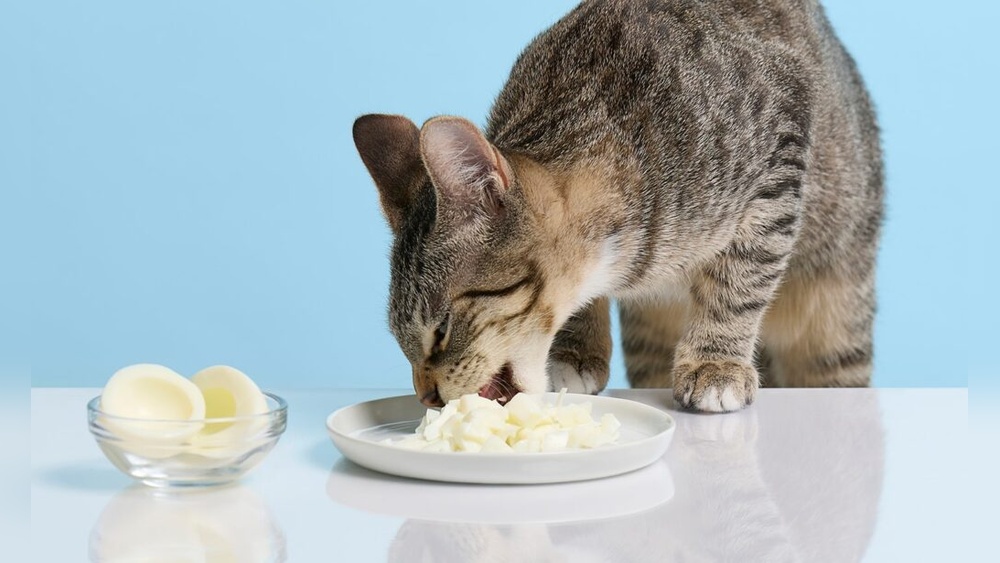
Hard boiled eggs are safe and healthy treats for cats in small amounts. They provide protein and essential nutrients without harmful additives. Always remove the shell and serve plain to avoid digestive issues.
Why Cats Like Eggs
Cats are natural hunters. They enjoy foods that are rich in protein. Eggs have a strong smell and soft texture cats find appealing. The taste of eggs is mild but satisfying for them. This makes eggs a tempting snack for many cats.
Eggs also mimic the texture of small prey animals. This can trigger a cat’s instinct to eat. Cats may show excitement or curiosity when they see eggs. This interest often leads to a positive reaction during feeding.
Nutritional Value For Cats
Eggs provide high-quality protein that supports muscle health. They contain essential amino acids cats cannot make themselves. Eggs also have vitamins like A, B, and D which promote good vision and skin health.
The yolk offers healthy fats that help with energy and coat shine. Eggs contain taurine, a nutrient vital for heart and eye function in cats. These nutrients make eggs a beneficial occasional treat.
Hard boiled eggs are easy to digest and safe when fully cooked. Avoid adding salt or spices to keep eggs healthy for your pet. Small portions help prevent digestive upset and keep treats balanced.
Hard Boiled Eggs For Cats
Hard boiled eggs can be a safe and tasty treat for cats. They offer important nutrients cats need. Eggs are easy to prepare and serve. Many cats enjoy the mild flavor and soft texture. Feeding eggs occasionally can add variety to their diet.
Benefits Of Hard Boiled Eggs
Hard boiled eggs provide a rich source of protein. Protein helps maintain strong muscles and healthy tissues. Eggs contain essential amino acids cats cannot produce on their own. They also have vitamins like B12 and riboflavin. These vitamins support energy and brain function. Eggs are easy to digest compared to some other foods. They can help improve coat shine and skin health. Small portions make a good supplement to regular cat food.
Potential Risks And Allergies
Some cats may have allergies to eggs. Allergies can cause itching, swelling, or digestive upset. Start with a small amount to check for reactions. Avoid feeding eggs with shells to prevent choking or digestive blockages. Raw eggs carry a risk of bacteria like salmonella. Always serve eggs fully cooked for safety. Overfeeding eggs can cause nutrient imbalance or weight gain. Use eggs only as an occasional treat, not a meal replacement.
Feeding Guidelines
Feeding hard boiled eggs to cats requires care and attention. Eggs can be a healthy treat if served correctly. Following proper guidelines ensures your cat’s safety and enjoyment.
Small mistakes in preparation or serving size may cause digestion problems. Learning what to avoid helps keep your cat happy and healthy.
Proper Preparation
Always serve fully cooked eggs to your cat. Hard boiling removes harmful bacteria that raw eggs may have. Peel the egg carefully and remove all shell pieces. Cut the egg into small, bite-sized pieces for easy eating. Avoid adding salt, spices, or oils. Plain eggs are best for your cat’s digestion and health.
Serving Size And Frequency
Offer eggs as an occasional treat, not a meal replacement. A small piece, about a teaspoon or tablespoon, is enough per serving. Too much egg can cause stomach upset or weight gain. Feeding eggs once or twice a week is safe for most cats. Always watch for any allergic reactions or changes in behavior.
Foods To Avoid With Eggs
Do not mix eggs with harmful foods like onions or garlic. These can damage your cat’s red blood cells. Avoid seasoning eggs with salt, pepper, or sauces. Dairy products like milk or cheese may cause digestive upset. Keep eggs plain and free from additives to protect your cat’s health.
Credit: www.catster.com
Egg Whites Vs Yolks
Eggs are a popular treat for cats, but understanding the differences between egg whites and yolks is important. Both parts offer unique nutrients. Feeding your cat the right balance helps keep them healthy and happy.
Protein Content
Egg whites contain most of the egg’s protein. This protein is easy for cats to digest. It supports muscle growth and repair. Egg whites have little fat and no cholesterol. They provide a lean source of protein for active cats.
Egg yolks also contain protein but less than whites. They are richer in fats, which supply energy. Yolk protein is combined with healthy fats that cats need. Feeding both parts offers a complete protein package.
Vitamin And Mineral Differences
Egg yolks hold most vitamins and minerals. They contain vitamin A, D, E, and K, which are vital for a cat’s health. Yolk also has essential minerals like iron, calcium, and phosphorus. These nutrients support vision, bones, and immune function.
Egg whites have fewer vitamins and minerals but contain some B vitamins. They lack fat-soluble vitamins found in yolks. Offering whole eggs ensures cats receive a broad range of nutrients in one treat.
Raw Eggs Vs Cooked Eggs
Eggs can be a nutritious snack for cats. Choosing between raw and cooked eggs matters for your cat’s health. Both forms have pros and cons. Understanding these helps you feed your cat safely.
Safety Concerns
Raw eggs may carry bacteria like salmonella. This can cause sickness in cats and humans. Cooking eggs kills these harmful germs. It also prevents biotin deficiency. Raw egg whites contain avidin, which blocks biotin absorption. Biotin is essential for healthy skin and coat. Cooked eggs do not have this problem.
Digestibility
Cooked eggs are easier for cats to digest. Heat changes the egg proteins, making them simpler to absorb. Raw eggs have proteins that cats cannot break down well. This means your cat gets fewer nutrients from raw eggs. Hard-boiled eggs provide a good source of protein and vitamins. They support muscle health and energy levels.

Credit: pbclegal.it
Signs Of Egg Sensitivity
Cats can enjoy hard boiled eggs as a treat. But some cats may have trouble digesting them. It is important to watch for signs of egg sensitivity. Recognizing these signs helps keep your cat safe and healthy. Early detection can prevent serious health problems.
Digestive Issues
Digestive problems are common signs of egg sensitivity in cats. Your cat may vomit after eating eggs. Diarrhea can also occur. Some cats show stomach upset or bloating. Loss of appetite is another sign to watch for. These issues mean the cat’s body struggles to process eggs.
Allergic Reactions
Allergic reactions to eggs can affect a cat’s skin and behavior. Itching and redness may appear on the skin. Hair loss or patches of bald spots can happen. Some cats scratch or bite their skin a lot. Swelling around the face or paws is a serious sign. Allergies require quick attention to avoid worsening symptoms.
Incorporating Eggs Into Diet
Eggs can be a healthy addition to a cat’s diet. They provide important nutrients like protein and amino acids. These help support muscle growth and overall health.
Proper preparation is key. Hard boiled eggs are safe and easy to serve. Avoid raw eggs to reduce health risks.
Mixing With Regular Food
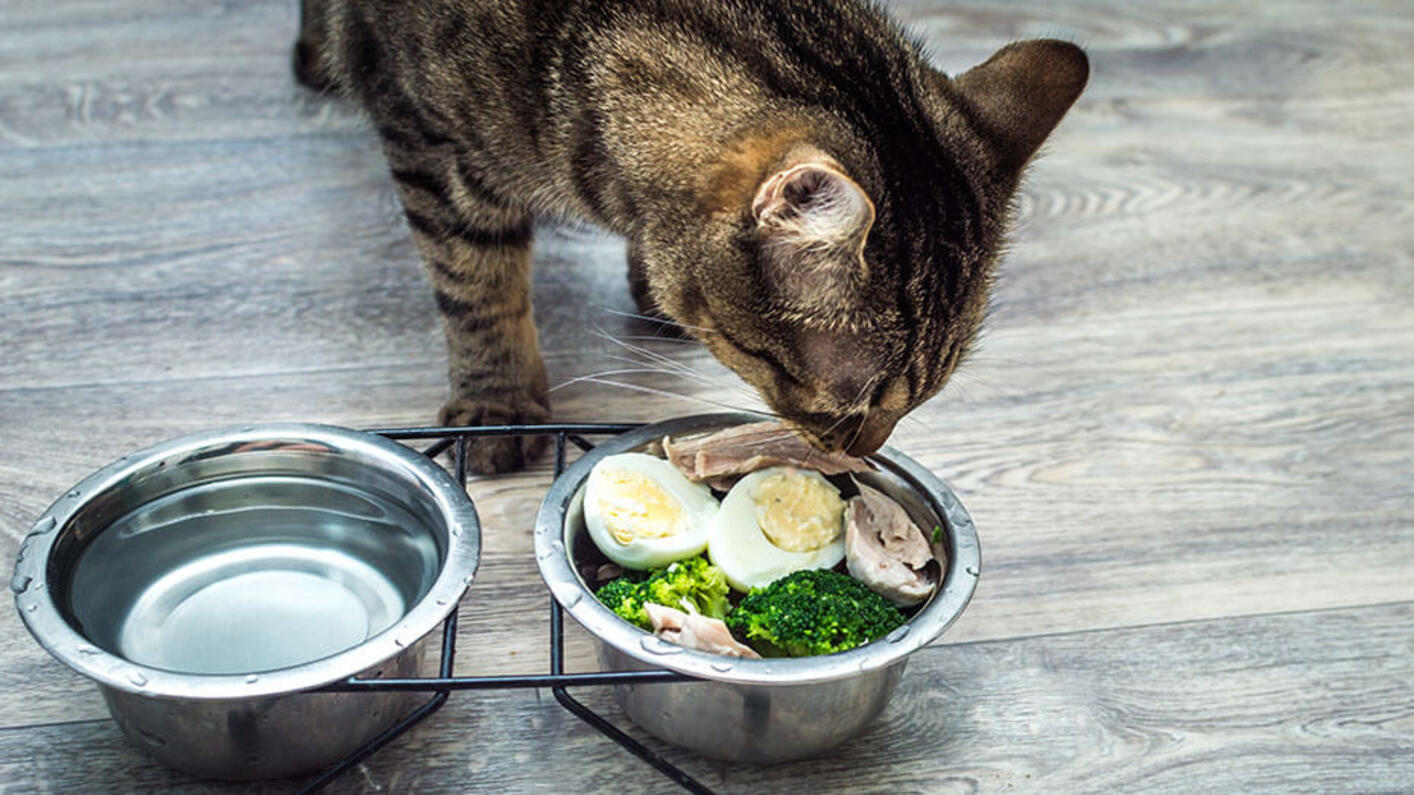
Chop hard boiled eggs into small pieces before mixing. Add them to your cat’s usual food in small amounts. This helps your cat try new flavors slowly. It also adds extra protein and vitamins to their meal.
Start with a teaspoon of egg mixed into food. Watch how your cat reacts. If there is no upset stomach, you can offer a bit more next time.
Occasional Treats
Eggs make a good occasional snack for cats. Offer a small piece once or twice a week. Treats should not replace a balanced diet.
Keep portions small to avoid digestive issues. Too much egg can cause discomfort or allergies. Always monitor your cat after feeding eggs for the first time.
Expert Tips And Recommendations
Experts agree that hard boiled eggs can be a healthy treat for cats. They offer important nutrients but must be given carefully. Understanding how to prepare and serve eggs safely helps protect your cat’s health.
Here are key expert tips and recommendations for feeding hard boiled eggs to cats. Follow these simple guidelines to ensure your pet enjoys eggs safely and benefits nutritionally.
Preparation Tips For Hard Boiled Eggs
Always peel the egg completely before offering it to your cat. Eggshells can cause choking or digestive problems. Cut the egg into small, manageable pieces. This helps your cat eat easily and reduces choking risk. Avoid adding salt, spices, or oils. Plain eggs are best for feline health.
Recommended Serving Size
Limit egg treats to a small amount, such as a teaspoon or tablespoon. Use eggs only as an occasional snack, not a meal replacement. Too much egg can cause digestive upset or unbalanced nutrition. Monitor your cat’s reaction to new foods carefully.
Nutritional Benefits Of Hard Boiled Eggs
Eggs provide high-quality protein and essential amino acids. They support muscle health and overall growth in cats. Eggs also contain vitamins like B12 and minerals that aid metabolism. Taurine in eggs is vital for heart and eye health. Including eggs occasionally adds variety and nutrition to your cat’s diet.
Signs To Watch After Feeding Eggs
Observe your cat for any signs of allergy or intolerance. Symptoms include itching, vomiting, or diarrhea. Stop feeding eggs immediately if these occur. Consult a veterinarian for advice on diet changes. Careful monitoring ensures your cat stays healthy and happy.
Credit: www.purina.co.uk
Frequently Asked Questions
Are Hard Boiled Eggs Ok For Cats?
Yes, cats can eat hard boiled eggs. Serve plain, cooked eggs in small amounts as a nutritious, protein-rich treat. Avoid shells and seasonings.
What Are Things Cats Can’t Eat?
Cats cannot eat chocolate, onions, garlic, grapes, raisins, alcohol, caffeine, raw dough, and certain artificial sweeteners like xylitol. Avoid bones, dairy in excess, and spoiled food to prevent health issues.
Why Do Cats Love Eggs?
Cats love eggs because they offer a rich source of protein, amino acids, and essential nutrients. Eggs satisfy their taste and dietary needs.
Can Cats Eat Rice?
Cats can eat plain, cooked rice in small amounts. It aids digestion but offers limited nutrition. Avoid seasoned or raw rice.
Conclusion
Cats can safely enjoy hard boiled eggs in small amounts. Eggs offer valuable protein and nutrients that support their health. Always remove shells before serving to prevent choking hazards. Feed eggs occasionally, not as a daily meal, to maintain balance.
Watch your cat for any signs of allergies or upset stomach. Hard boiled eggs make a simple, nutritious treat for most cats. Keep portions small and monitor reactions to ensure your cat’s wellbeing. Eggs can add variety but should never replace a complete cat diet.
Simple, cooked eggs can be a healthy snack for your feline friend.