Does your cat’s breath make you want to step back? Bad breath in cats is more than just unpleasant—it can signal serious health problems.
If you want to keep your furry friend happy and healthy, understanding the causes and treatments of bad breath is key. You’ll discover simple, effective ways to tackle your cat’s smelly breath and improve their overall well-being. Keep reading—you and your cat deserve fresh, clean breath!
Credit: www.vet.cornell.edu
Causes Of Bad Breath In Cats
Bad breath in cats is a common problem that worries many pet owners. Understanding the causes helps to find the right treatment quickly. This section explains the main reasons for bad breath in cats. Knowing these can improve your cat’s health and comfort.
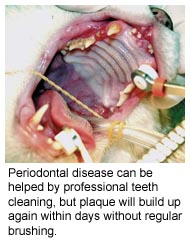
Dental Disease
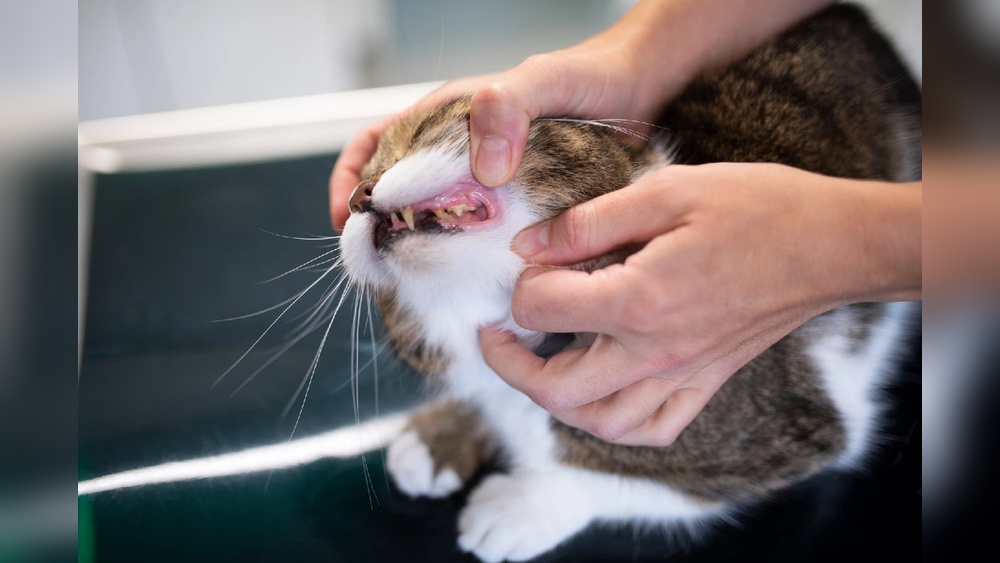
Dental disease is the top cause of bad breath in cats. Plaque and tartar build-up on teeth lead to infections. These infections cause unpleasant odors. Cats may also have swollen gums or loose teeth. Treating dental issues can greatly reduce bad breath.
Diet And Eating Habits
Certain foods can cause strong odors in your cat’s mouth. Wet food or fish-based diets often lead to worse breath. Eating spoiled food or garbage adds to bad smells. Chewing habits, like eating too fast, can also affect breath quality.
Underlying Health Issues
Some health problems cause bad breath in cats. Kidney disease, diabetes, and liver problems often produce foul odors. These illnesses need veterinary care for proper diagnosis. Treating the illness helps improve the cat’s breath and health.
Poor Oral Hygiene
Neglecting your cat’s oral care leads to bad breath. Without regular teeth cleaning, bacteria grow rapidly. This bacteria causes smelly breath and dental problems. Brushing your cat’s teeth and regular vet check-ups help prevent this.
Identifying Bad Breath Signs
Bad breath in cats is more than just an unpleasant smell. It can signal health problems. Identifying bad breath early helps protect your cat’s health. Watch closely for signs that show your cat may have bad breath issues.
Common Symptoms
Smelly breath is the first sign. The odor may smell sour or rotten. Your cat might drool more than usual. Notice if the cat’s mouth looks red or swollen. Yellow or brown buildup on teeth also appears. These signs often point to dental disease.
Behavioral Changes
Your cat may avoid eating hard food. Chewing less or dropping food happens often. The cat might paw at its mouth. It can also become less playful or more tired. Changes in grooming habits may occur too. These behaviors show your cat is uncomfortable.
When To Visit The Vet
Visit the vet if bad breath lasts more than a few days. Sudden changes in eating or drinking need attention. If your cat shows pain or swelling, see a vet quickly. Regular dental checkups help prevent serious problems. Early treatment improves your cat’s health and comfort.
Home Remedies For Fresh Breath
Bad breath in cats can be unpleasant for both you and your pet. Home remedies can help keep your cat’s breath fresh and improve oral health. These simple steps are easy to follow and safe for most cats.
Brushing Your Cat’s Teeth
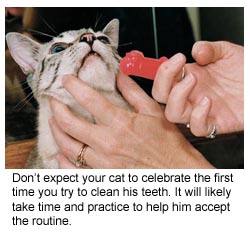
Brushing your cat’s teeth is the best way to reduce bad breath. Use a soft toothbrush made for cats. Choose a toothpaste that is safe for pets. Brush gently in small circles. Start slowly to get your cat used to it. Aim for brushing two to three times a week. Regular brushing removes plaque and prevents odor.
Dietary Adjustments
Your cat’s diet plays a big role in breath quality. Dry cat food helps scrape off plaque while chewing. Avoid feeding your cat too many treats or wet food that sticks to teeth. Add crunchy vegetables like carrots as treats for chewing. These help clean teeth naturally. Always provide fresh water to keep the mouth clean.
Natural Breath Fresheners
Some natural ingredients can help freshen your cat’s breath. A small amount of parsley can be added to food. It acts as a natural deodorizer. Coconut oil is another option. It has antibacterial properties and improves oral health. Use a tiny amount on your cat’s gums or food. Always check with your vet before trying new remedies.
Credit: www.vet.cornell.edu
Veterinary Treatments
Bad breath in cats often signals dental or health problems. Veterinary treatments offer effective ways to manage and treat this issue. A vet can examine your cat’s mouth and suggest the best treatment. Early care helps prevent more serious problems.
Professional Dental Cleaning
Professional dental cleaning removes plaque and tartar buildup. This cleaning happens under anesthesia to keep cats safe and calm. Vets use special tools to clean teeth above and below the gum line. This process helps reduce bad breath and stops tooth decay.
Regular dental cleanings improve your cat’s oral health. Vets recommend this treatment based on your cat’s condition. It helps prevent gum disease and tooth loss.
Medications And Supplements
Vets may prescribe medications to treat infections causing bad breath. Antibiotics fight bacterial infections in the mouth. Pain relief medicines help if your cat feels discomfort. Some supplements support oral health and reduce odor.
Always follow the vet’s instructions when giving medicines. Supplements can include vitamins or special dental chews. These products maintain fresh breath and healthy gums.
Addressing Underlying Illnesses
Sometimes bad breath comes from other health issues. Kidney disease, diabetes, or digestive problems can cause odor. Vets perform tests to find hidden illnesses. Treating these conditions often improves breath naturally.
Proper diagnosis ensures your cat receives the right care. Managing illness helps your cat feel better overall. Watch for changes in breath or behavior and visit the vet.
Preventing Bad Breath
Bad breath in cats can be unpleasant and may signal health issues. Preventing bad breath helps keep your cat healthy and happy. Simple daily habits make a big difference in your cat’s oral health.
Focus on regular care, proper diet, and vet visits. These steps reduce bad breath and improve your cat’s well-being.
Regular Oral Care Routine
Brush your cat’s teeth gently every day or several times a week. Use a cat-safe toothbrush and toothpaste. Regular brushing removes plaque and food particles. This stops bacteria from causing bad breath. Start slowly and be patient. Make it a calm and positive time for your cat.
Choosing The Right Cat Food
Pick high-quality cat food designed for dental health. Dry kibble helps reduce plaque buildup. Some foods have ingredients that clean teeth while your cat chews. Avoid feeding too many treats or wet food that sticks to teeth. Balanced nutrition supports good oral health and fresh breath.
Routine Vet Checkups
Take your cat to the vet twice a year for checkups. The vet checks teeth and gums for problems. Early detection of dental disease prevents bad breath and pain. Professional cleanings may be necessary to keep your cat’s mouth healthy. Your vet can advise the best care plan for your cat.

Credit: www.petmd.com
Frequently Asked Questions
What Causes Bad Breath In Cats?
Bad breath in cats often comes from dental disease or poor oral hygiene. Other causes include infections, kidney problems, or digestive issues.
How Can I Treat My Cat’s Bad Breath At Home?
Brushing your cat’s teeth regularly helps reduce bad breath. Feeding dental treats or special food can also improve oral health.
When Should I Take My Cat To The Vet For Bad Breath?
Visit a vet if bad breath lasts more than two weeks or worsens. Also, seek help if your cat shows pain, drooling, or loss of appetite.
Can Dental Cleaning Fix Bad Breath In Cats?
Professional dental cleaning removes plaque and tartar, which cause bad breath. It also helps prevent gum disease and other oral problems.
Are There Foods That Help Prevent Bad Breath In Cats?
Certain dental diets and treats reduce plaque and freshen breath. Always choose vet-approved products made for cats’ oral health.
Conclusion
Treating bad breath in cats helps keep them healthy and happy. Regular dental care is key to preventing problems. Clean your cat’s teeth often and give vet check-ups. Good food and water support fresh breath too. Catching issues early makes treatment easier.
A fresh-smelling cat means a strong bond with your pet. Taking small steps daily improves their comfort and health. Don’t ignore bad breath—act to protect your furry friend’s smile.