If your dog has diarrhea with blood in their stool, it can be scary and confusing. You want to know what’s going on and how to help your furry friend fast.
This isn’t just a simple upset stomach—it could be a sign of something serious. Understanding the causes and knowing what to watch for can make all the difference in your dog’s health. Keep reading to find out what might be causing this, when you need to act quickly, and how you can support your dog through this tough time.
Your dog depends on you, and getting the right information now can help you protect their well-being.
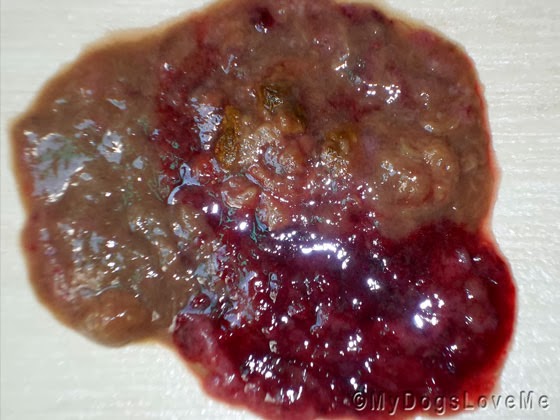
Credit: www.marsu.edu.ph
Causes Of Diarrhea In Dogs
Diarrhea in dogs can have many causes. Knowing the reasons helps you care for your pet better. Some causes are simple and treatable. Others may need a vet’s attention quickly. Understanding these causes keeps your dog safe and healthy.
Infections And Parasites
Bacteria, viruses, and parasites often cause diarrhea in dogs. Common infections include salmonella and parvovirus. Parasites like giardia and worms irritate the intestines. These infections upset digestion and cause loose stools. Dogs that eat spoiled food or drink dirty water get sick easily.
Dietary Causes
Sudden diet changes can upset a dog’s stomach. Eating garbage or spoiled food triggers diarrhea. Some dogs have food allergies or intolerances. Too much fatty or rich food also causes loose stools. Feeding a balanced diet helps prevent these problems.
Stress And Anxiety
Stress affects a dog’s digestive system. Changes in environment or routine can cause diarrhea. Loud noises or travel may trigger anxiety. Stress-related diarrhea often clears when the dog feels safe again. Calm surroundings help reduce these episodes.
Underlying Health Conditions
Chronic diseases can cause ongoing diarrhea. Conditions like inflammatory bowel disease affect digestion. Pancreatitis and liver problems disrupt normal stool formation. Some cancers also cause blood in stool. A vet can diagnose and treat these serious issues.
Reasons For Blood In Stool
Blood in a dog’s stool is a sign of a health problem. It shows that there is bleeding somewhere in the digestive system. This issue needs attention to find the cause and treat it well. Various reasons can cause blood in stool. Understanding these helps pet owners act quickly.
Gastrointestinal Inflammation
Inflammation in the stomach or intestines can cause bleeding. This condition irritates the lining, leading to small wounds. Causes include infections, allergies, or eating something harmful. The blood may appear bright red or dark, depending on the inflammation site.
Injuries And Trauma
Injuries inside the digestive tract can cause blood in stool. Dogs may swallow sharp objects like bones or sticks. These objects can scratch or cut the intestinal walls. Trauma from accidents may also lead to bleeding in the gut.
Parasite Infestation
Parasites like worms often cause bleeding in a dog’s intestines. They attach to the gut lining and feed on blood. This causes irritation and bleeding. Common parasites include hookworms and whipworms. Regular deworming helps prevent this problem.
Tumors And Growths
Tumors in the digestive tract may cause blood in stool. Both benign and malignant growths can bleed. Tumors may block the intestine or cause pain. Early detection is important for better treatment outcomes.
Symptoms To Watch For
Diarrhea with blood in your dog’s stool is a sign to watch closely. It can mean different health problems. Knowing the symptoms helps you act fast. Early detection can protect your dog’s health. Pay attention to changes in stool, behavior, and other body signs.
Changes In Stool Appearance
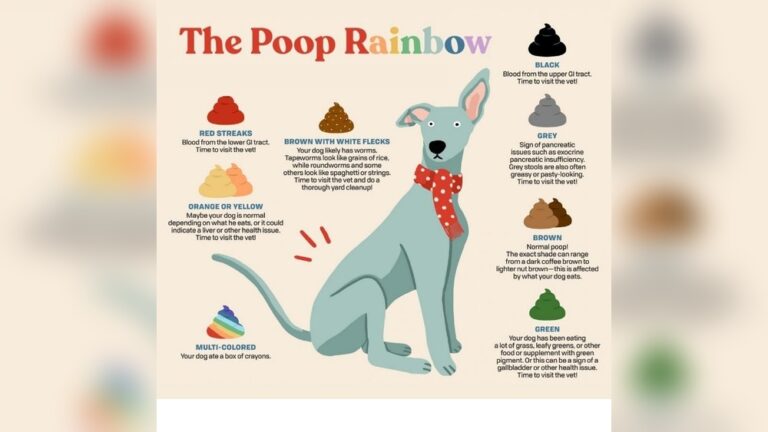
Look for blood in the stool. It may be bright red or dark, tar-like. Diarrhea often appears watery or loose. Notice the color and texture shifts. Black stool may mean bleeding higher in the digestive tract. Bright red blood shows bleeding near the rectum.
Behavioral Signs
Your dog may act restless or uncomfortable. Watch for frequent attempts to defecate with little result. They might avoid food or water. Some dogs seem tired or weak. Whining or crying can signal pain. These signs show your dog is not feeling well.
Other Physical Symptoms
Check for vomiting or a swollen belly. Fever may cause your dog to feel warm. Pale gums can mean blood loss. Dehydration is common with diarrhea. Dry nose and sunken eyes are warning signs. These symptoms need quick veterinary care.
When To See A Vet
Noticing blood in your dog’s stool can be scary. Knowing when to see a vet is very important. Some signs mean your dog needs quick medical care. Others may not be urgent but still need attention. Watch your dog closely. Quick action can protect your dog’s health and comfort.
Severity And Duration
Check how much blood you see in the stool. A small amount may not be urgent. Large or continuous bleeding needs fast care. Also, see how long the diarrhea lasts. More than 24 hours with blood is a warning sign. Don’t wait too long to get help.
Presence Of Other Symptoms
Look for other signs like vomiting or weakness. If your dog is very tired or not eating, act fast. Fever or belly pain are also red flags. These signs show the problem might be serious. Call the vet to avoid risks.
Age And Health Status
Puppies and older dogs get sick easier. Dogs with other illnesses need extra care. Blood in stool for these pets is more serious. They can get dehydrated or weak very fast. A vet visit is often needed right away.
Diagnostic Methods
Diagnosing diarrhea and blood in stool in dogs requires careful investigation. Vets use various methods to find the cause. This helps to decide the best treatment quickly. Early and accurate diagnosis improves the dog’s chances of recovery.
Physical Examination
The vet first examines the dog’s body. They check for pain, swelling, or lumps. The abdomen is gently pressed to find tender spots. The vet also looks at the dog’s overall condition and hydration. This step gives clues about possible illness or injury.
Laboratory Tests
Lab tests analyze stool, blood, and urine samples. Stool tests look for parasites, bacteria, or blood presence. Blood tests check organ function and infection signs. Urine tests assess kidney health and hydration level. These tests help identify infections, parasites, or internal issues.
Imaging Techniques
Imaging shows the inside of the dog’s body. X-rays reveal blockages, tumors, or bone problems. Ultrasound shows soft tissues and organs in detail. These tools help find abnormalities not visible outside. Imaging supports the vet’s diagnosis and treatment plan.

Credit: www.healingwithhorsesranch.org
Treatment Options
Treating diarrhea with blood in a dog’s stool requires careful attention. The right treatment depends on the cause and severity of symptoms. Quick action helps prevent serious health issues.
Veterinarians use several approaches to manage this condition. These include medications, diet changes, hydration support, and sometimes surgery. Each option targets different aspects of the problem.
Medications
Veterinarians often prescribe medications to control diarrhea and reduce inflammation. Antibiotics may be needed if bacteria cause infection. Anti-parasitic drugs help fight worms or parasites. Sometimes, medications calm the stomach and intestines to ease discomfort.
Dietary Adjustments
Changing a dog’s diet can improve digestion and heal the gut. Feeding bland, easy-to-digest foods reduces irritation. Foods like boiled chicken and rice are common choices. Special veterinary diets may provide extra nutrients for recovery. Avoid fatty or spicy foods until the dog fully recovers.
Hydration And Supportive Care
Diarrhea causes dehydration quickly. Providing plenty of fresh water is crucial. In serious cases, veterinarians may use fluids through an IV to restore balance. Rest and a calm environment also support healing. Monitoring the dog closely ensures prompt response to changes.
Surgical Interventions
Surgery is rare but necessary in severe cases. If there is a blockage, tumor, or serious injury in the intestines, surgery may remove the problem. This option is a last resort after other treatments fail. Post-surgery care includes pain management and careful feeding.
Preventive Measures
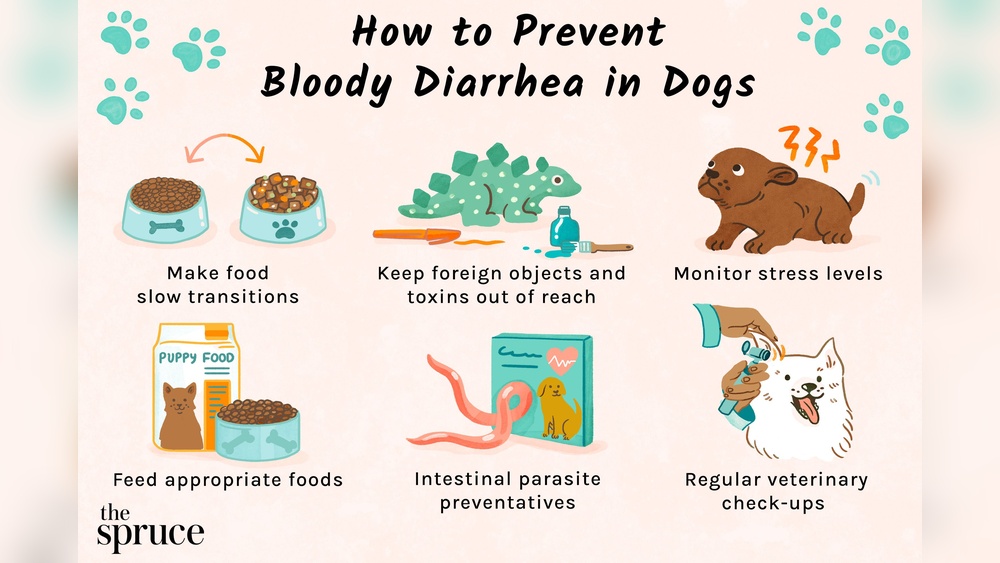
Preventing diarrhea and blood in stool in dogs is important for their health. Simple steps help keep your dog safe and healthy. These steps focus on diet, hygiene, regular vet visits, parasite control, and stress management.
Proper Diet And Hygiene
Feed your dog a balanced diet with quality food. Avoid sudden changes in their meals. Clean your dog’s food and water bowls daily. Dispose of waste properly to stop bacteria spread. Keep your dog away from spoiled food or trash.
Regular Vet Checkups
Visit the vet at least twice a year. Early checkups catch problems before they get worse. Discuss any changes in your dog’s stool with the vet. Follow the vet’s advice on vaccinations and health care.
Parasite Control
Use parasite prevention treatments regularly. Check your dog for fleas, ticks, and worms. Parasites can cause severe digestive issues. Consult your vet for the best parasite control plan. Keep your dog’s living area clean and dry.
Stress Management
Stress affects your dog’s digestion and health. Provide a calm and safe environment. Give your dog regular exercise and playtime. Avoid loud noises and sudden changes. Spend quality time to keep your dog happy and relaxed.
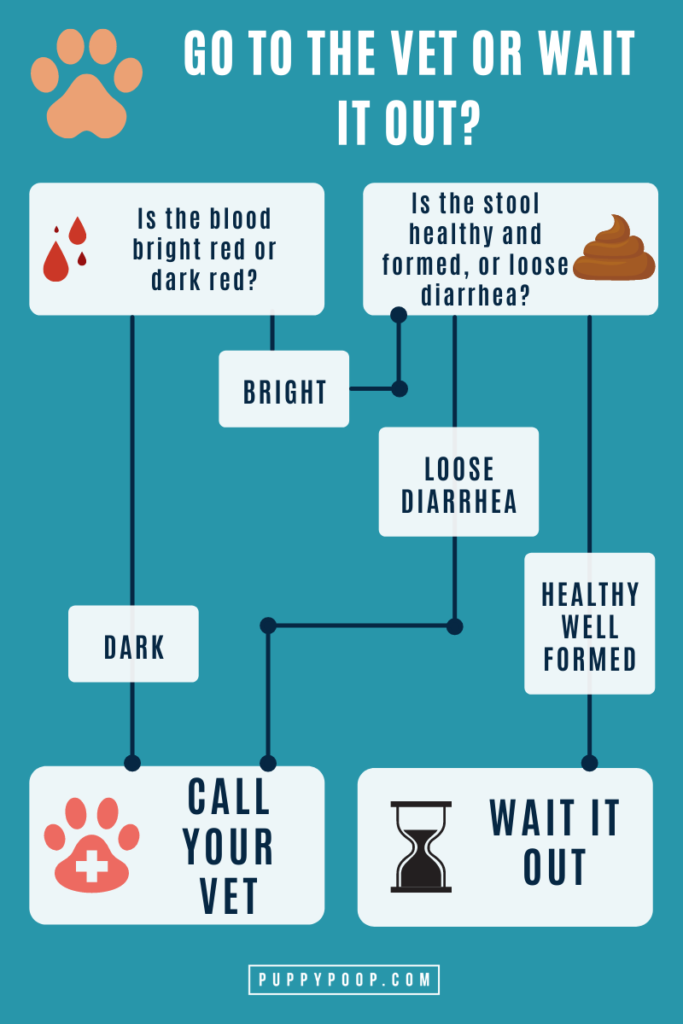
Credit: puppypoop.com
Frequently Asked Questions
What Causes Diarrhea With Blood In A Dog’s Stool?
Blood in a dog’s stool can come from infections, parasites, or injuries. It may also signal digestive problems or swallowed sharp objects. Prompt vet checks help find the exact cause.
Is Bloody Diarrhea In Dogs An Emergency?
Bloody diarrhea can be serious if your dog is weak or vomiting. Seek urgent care if bleeding is heavy or lasts more than a day. Early treatment prevents complications.
How Do Vets Diagnose Diarrhea With Blood In Dogs?
Vets check stool samples, blood tests, and physical exams to find causes. They may also use X-rays or ultrasounds for more info. Accurate diagnosis guides proper treatment.
What Treatments Help Dogs With Bloody Diarrhea?
Treatment depends on the cause but often includes fluids, meds, and diet changes. Antibiotics may be given for infections. Rest and hydration are key to recovery.
Can Diet Changes Prevent Bloody Diarrhea In Dogs?
Yes, feeding balanced, high-quality food helps maintain gut health. Avoid sudden diet changes and harmful foods like bones or garbage. Regular vet check-ups also keep your dog safe.
Conclusion
Diarrhea and blood in your dog’s stool need quick attention. These signs may show infections or serious health problems. Watch your dog’s behavior and stool closely every day. Visit the vet if symptoms last more than a day or get worse.
Early care helps your dog heal faster and stay healthy. Always give clean water and good food to support recovery. Keep calm and act fast to protect your furry friend’s health.