Is your dog vomiting their food and you’re not sure why? Watching your furry friend throw up can be worrying and confusing.
You might wonder if it’s just a one-time thing or a sign of something serious. Understanding why your dog is vomiting dog food is the first step to helping them feel better fast. You’ll discover common reasons behind this issue, simple ways to soothe your dog’s upset stomach at home, and when it’s time to see the vet.
Keep reading to learn how to protect your dog’s health and keep mealtime happy again.
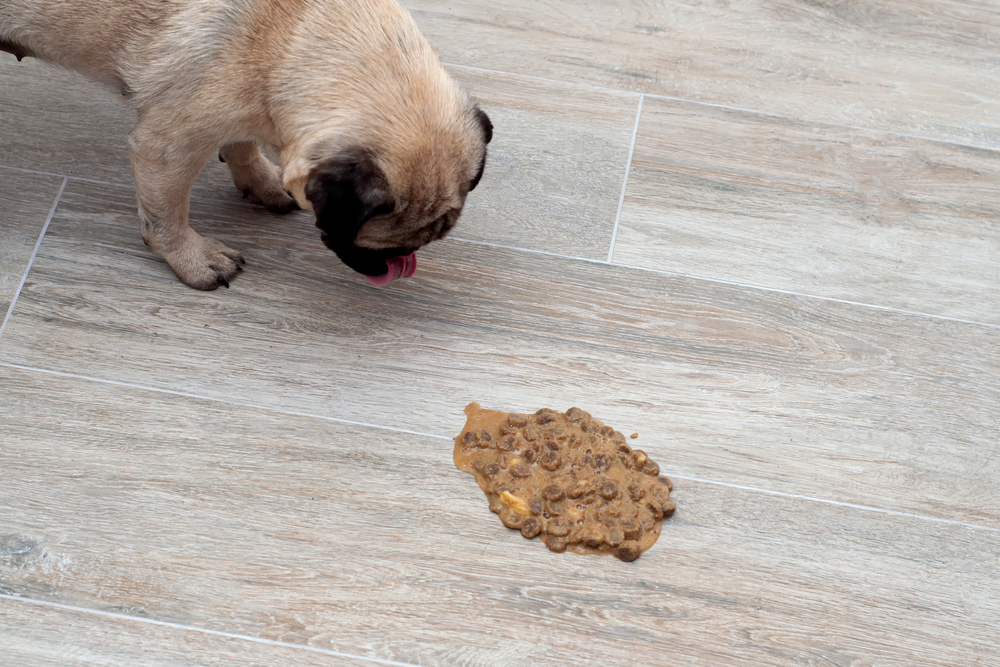
Credit: oliveranimalhospital.com
Common Causes
Vomiting after eating dog food is a common issue. It often signals problems related to how or what your dog eats. Understanding these causes helps keep your dog healthy and happy. Below are some common reasons why dogs vomit after eating.
Eating Too Fast
Dogs that eat too quickly often swallow air with their food. This can upset their stomach and lead to vomiting. Fast eating also causes choking or gagging. Slow feeders or puzzle bowls can help slow down meal times.
Overeating
Eating too much food puts pressure on the stomach. This can cause discomfort and vomiting. Dogs may eat more than needed if food is left out all day. Feeding measured portions on a schedule helps avoid overeating.
Food Intolerance
Some dogs cannot digest certain ingredients well. This causes stomach upset and vomiting. Common culprits include dairy, wheat, or certain proteins. If vomiting happens often, try a limited ingredient diet or consult a vet.
Stress And Anxiety
Stress can affect a dog’s digestion and cause vomiting. Changes in routine, loud noises, or new environments trigger anxiety. Calm surroundings and gentle reassurance reduce stress-related vomiting.
Sudden Diet Changes
Switching dog food suddenly can upset the stomach. Dogs need time to adjust to new ingredients. Gradually mix new food with old over 7-10 days. This helps prevent vomiting caused by diet changes.

Credit: everestkitchennc.com
Serious Health Issues
Vomiting dog food is not always a simple upset stomach. It can signal serious health problems that need quick attention. Understanding these risks helps protect your dog’s health and well-being.
Serious conditions can cause vomiting and need prompt care to avoid worsening. Watch closely for signs that go beyond occasional vomiting.
Foreign Object Blockage
Dogs often swallow items they should not. Toys, bones, or fabric can block their digestive tract. This blockage stops food from passing and causes vomiting. It may also cause pain and swelling in the belly. Surgery is often required to remove the object and save the dog.
Parasites And Infections
Parasites like worms live inside a dog’s stomach or intestines. They irritate the digestive system and cause vomiting. Infections from bacteria or viruses can also inflame the stomach. These infections lead to vomiting, diarrhea, and weakness. A vet can diagnose and treat these issues with medicine.
Pancreatitis
Pancreatitis is inflammation of the pancreas. It happens when the pancreas releases enzymes too early. These enzymes damage the organ and nearby tissues. Dogs with pancreatitis often vomit and have abdominal pain. They may also lose appetite and feel tired. Treatment includes special diets and fluids to help the pancreas heal.
Organ Disease
Diseases of the liver, kidneys, or stomach can cause vomiting. These organs help process food and remove waste. When they fail, toxins build up and upset the stomach. Vomiting may be one of the first signs of organ trouble. Early diagnosis and treatment can improve the dog’s quality of life.
Signs To Watch For
Recognizing the signs your dog shows after vomiting dog food is important. Early detection helps prevent serious health problems. Watch closely for unusual symptoms. These signs can indicate the need for veterinary care.
Blood In Vomit Or Stool
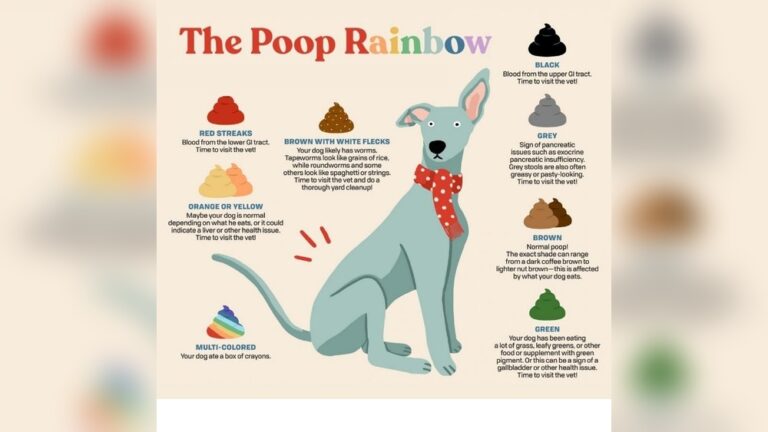
Blood in vomit or stool is a serious warning. It may appear bright red or dark like coffee grounds. This shows internal bleeding or stomach irritation. Immediate veterinary attention is necessary to diagnose the cause.
Lethargy And Weakness
A dog that is unusually tired or weak needs careful observation. Lethargy can mean the dog is not feeling well internally. Weakness might affect their ability to walk or stand. This can signal infections or poisoning.
Dehydration Symptoms
Vomiting can quickly cause dehydration in dogs. Watch for dry gums, sunken eyes, or loss of skin elasticity. These signs show the dog is losing more fluids than it takes in. Dehydration requires prompt treatment to avoid severe complications.
Repeated Vomiting
Vomiting once can be common, but repeated vomiting is dangerous. It can cause dehydration and worsen the dog’s condition. If your dog vomits several times in a few hours, seek veterinary help immediately. This may indicate poisoning or a blockage.
Home Remedies
Vomiting in dogs can be worrying, but some home remedies can help soothe their upset stomachs. These remedies focus on gentle care and natural support. They aim to reduce vomiting and help your dog recover comfortably at home. Always observe your dog closely and consult a vet if symptoms persist.
Bland Diet Options
Feeding a bland diet helps calm your dog’s stomach. Offer small portions of plain boiled chicken without skin or bones. Mix it with plain white rice for easy digestion. You can also try boiled ground turkey or lean beef. Avoid spicy or fatty foods. Feed in small, frequent meals to avoid overloading the stomach.
Hydration Tips
Keeping your dog hydrated is essential after vomiting. Provide fresh water in small amounts often. If your dog refuses water, try offering ice chips or diluted bone broth. Bone broth is soothing and adds nutrients. Avoid sugary drinks or milk. Monitor for signs of dehydration like dry gums or lethargy.
Probiotics And Supplements
Probiotics support your dog’s gut health by restoring good bacteria. Use vet-approved probiotic supplements or plain yogurt without added sugar. Ginger can reduce nausea but check with your vet before use. Avoid giving human medications without guidance. Supplements can speed recovery and reduce vomiting episodes.
Calming Techniques
Stress can worsen vomiting in dogs. Keep your dog calm and quiet in a comfortable space. Use gentle petting and soft voices to reassure them. Avoid loud noises and sudden movements. Regular walks and playtime should wait until your dog feels better. A calm environment helps the digestive system relax and heal.
When To See A Vet
Knowing when to see a vet is important if your dog vomits after eating dog food. Vomiting can mean many things. Some cases need urgent care. Others may clear up with simple home care. Watch your dog closely and act fast if signs worsen.
Emergency Situations
Take your dog to the vet immediately if vomit contains blood. Sudden weakness or collapse also needs urgent care. Suspect poisoning or eating something harmful. Severe bloating or signs of dehydration are emergencies. Quick treatment can save your dog’s life.
Persistent Vomiting
Visit the vet if vomiting lasts more than 24 hours. Do not let your dog go without food or water too long. Puppies and small dogs get sick faster. Vomiting more than twice a day is a warning. The vet can find the cause and give proper treatment.
Changes In Behavior
Watch for unusual behavior after vomiting. Lethargy, hiding, or loss of interest in play is a concern. Shaking or whining may show pain or discomfort. These signs mean the problem may be serious. A vet check can help your dog feel better.
Diagnostic Tests
The vet may run tests to find the cause of vomiting. Blood tests check organ function and infections. X-rays or ultrasounds can spot blockages or foreign objects. Stool tests find parasites or infections. These tests guide the vet to the best treatment plan.
Preventive Measures
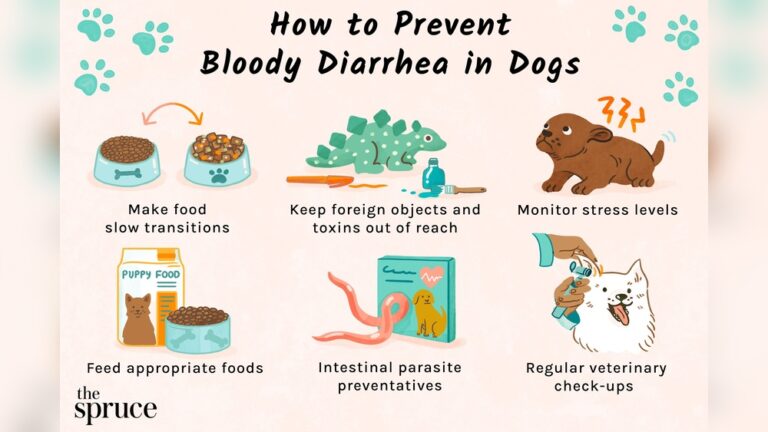
Preventing your dog from vomiting after eating requires consistent care and attention. Taking simple steps can reduce the chances of this uncomfortable problem. Focus on feeding habits, diet, environment, and regular health checks. These measures help keep your dog healthy and happy.
Slow Feeding Methods
Fast eating often causes vomiting in dogs. Use slow feeders or special bowls to slow down their eating. Offer smaller meals more often instead of one large meal. Encourage calm and quiet during meal times. This helps digestion and reduces gagging or vomiting.
Consistent Diet
Sudden diet changes can upset a dog’s stomach. Keep their food type and brand consistent. Avoid giving table scraps or new treats without checking with a vet. Gradually introduce any new food over several days. A stable diet supports good digestion and prevents vomiting.
Safe Environment
Dogs often eat things they shouldn’t outside. Keep harmful items like trash, toxic plants, and small objects out of reach. Supervise your dog during walks and playtime. Provide safe chew toys to avoid accidental swallowing of dangerous objects. A safe space lowers vomiting risks caused by poisoning or blockages.
Regular Vet Checkups
Regular vet visits catch health issues early. Schedule checkups at least once a year. Discuss any vomiting or digestive problems with your vet. Follow their advice on diet, supplements, and treatments. Timely care helps prevent serious conditions and maintains your dog’s well-being.
Credit: allurelakestorey.com
Frequently Asked Questions
How To Settle A Dog’s Stomach After Throwing Up?
Stop feeding for 12 hours to let the stomach rest. Offer small amounts of water frequently. Then, feed bland food like boiled chicken and rice. Use vet-approved probiotics or plain yogurt to restore gut health. Monitor your dog and consult a vet if vomiting continues.
How Do You Treat A Dog That Is Throwing Up Food?
Offer small amounts of bland food like boiled chicken and rice. Provide fresh water and keep your dog calm. Use vet-approved probiotics or ginger for nausea. Monitor closely and consult a vet if vomiting persists or worsens.
What Does It Mean If My Dog Vomits Undigested Food?
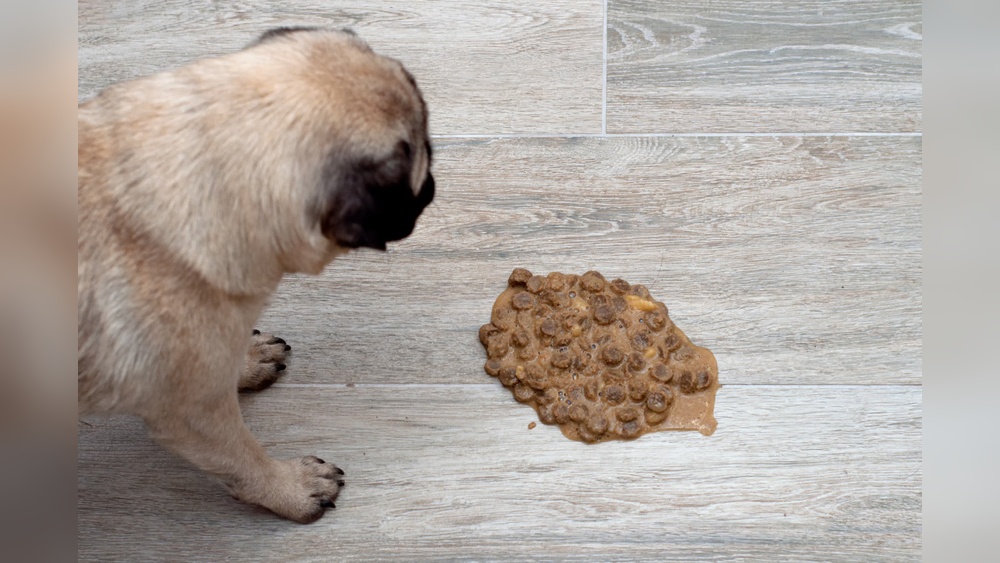
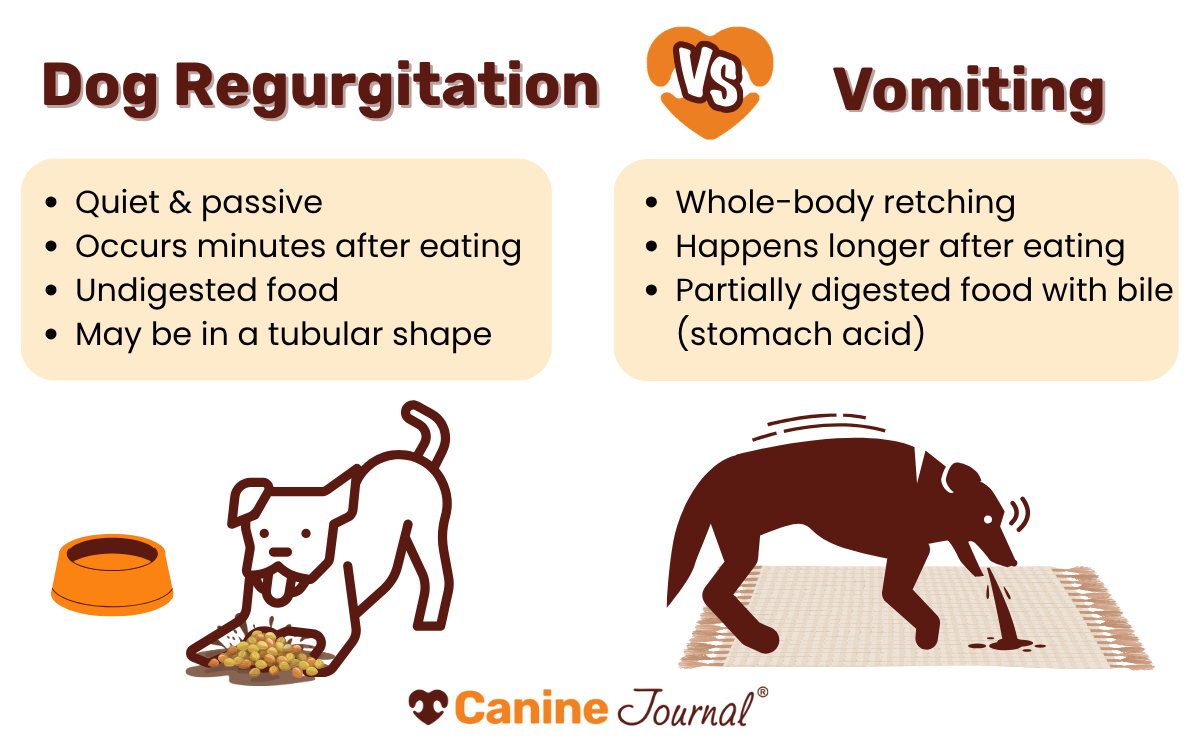
Vomiting undigested food means your dog ate too quickly or has a food intolerance. It may also indicate infections, blockages, or organ issues. Monitor symptoms closely and consult a vet if vomiting persists or worsens.
Why Would A Dog Throw Up Dog Food?
A dog may vomit dog food due to eating too fast, overeating, food intolerance, stress, or digestive issues. Persistent vomiting requires vet attention.
Conclusion
Vomiting dog food can signal many issues in dogs. Monitor your pet closely for changes in behavior or appetite. Offer small amounts of bland food and fresh water. Avoid feeding rich or spicy meals during recovery. Persistent vomiting needs prompt veterinary care to prevent complications.
Keep your dog calm and rested to aid healing. Understanding causes helps you act quickly and keep your dog healthy. Regular vet visits support your dog’s well-being and help prevent future problems.