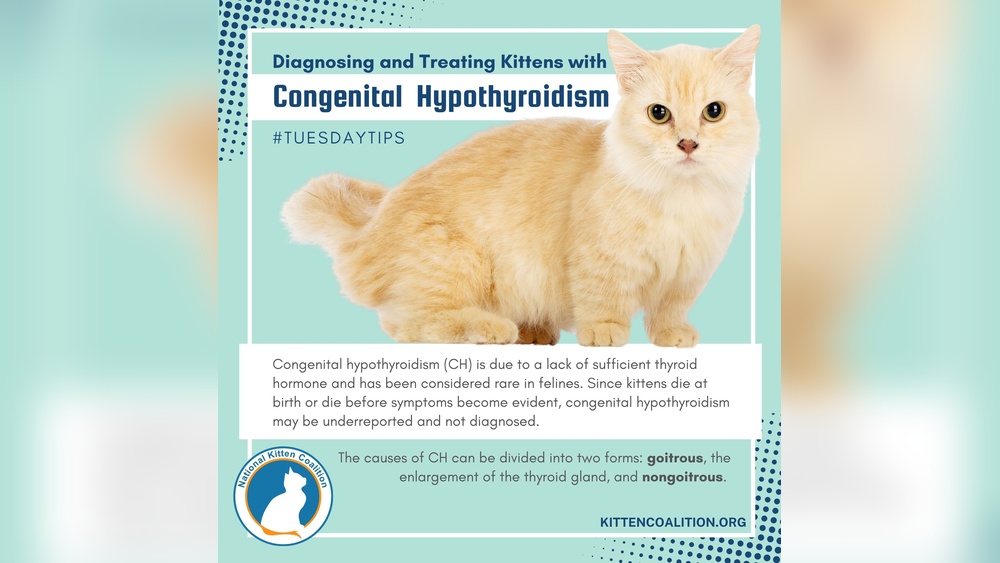
If your cat has been diagnosed with hypothyroidism, you might feel confused or worried about what comes next. You want the best care for your furry friend, but where do you start?
Understanding the right treatment options can make a huge difference in your cat’s health and happiness. You’ll discover simple, effective ways to manage hypothyroid in cats. By the end, you’ll feel confident about helping your cat live a healthier, more comfortable life.
Keep reading to learn everything you need to know about hypothyroid treatment for cats.
Causes Of Hypothyroidism In Cats
Understanding what causes hypothyroidism in cats is key to recognizing the signs early and seeking the right treatment. This condition happens when the thyroid gland does not produce enough hormones, affecting your cat’s energy, weight, and overall health.
Different causes lead to this hormone deficiency, and knowing the difference can help you work with your vet for the best care plan.
Primary Vs Secondary Hypothyroidism
Primary hypothyroidism originates in the thyroid gland itself. This means the gland is damaged or not functioning properly, so it cannot produce enough thyroid hormone.
Secondary hypothyroidism happens because of problems in the pituitary gland or hypothalamus. These parts of the brain control the thyroid gland by sending signals, and if they fail, the thyroid gets no instructions to produce hormones.
Which do you think is easier to detect based on symptoms alone? Usually, primary hypothyroidism shows clearer signs because the gland itself is the problem.
Common Risk Factors
- Age: Older cats are more likely to develop hypothyroidism, though it can happen at any age.
- Autoimmune Disease: Sometimes the immune system attacks the thyroid gland, causing inflammation and damage.
- Thyroid Surgery or Medication: Cats who have had thyroid surgery or been treated for hyperthyroidism might develop hypothyroidism later.
- Breed Predisposition: Certain breeds may be more prone, but any cat can be affected.
Have you noticed your cat’s behavior or energy change as they age? It might be more than just slowing down—it could be linked to these risk factors.
Symptoms To Watch For
Recognizing symptoms of hypothyroid in cats is important for early treatment. Cats may show subtle signs that owners often miss. Observing your cat closely helps detect changes in health or behavior. Watch for these common symptoms to act quickly.
Behavioral Changes
Your cat might become less active or more tired. They may hide or avoid playing as usual. Some cats seem grumpy or less interested in attention. Changes in sleep patterns, like sleeping more, also occur. These shifts signal the thyroid may not work well.
Physical Signs
Look for weight gain without eating more food. A dull or dry coat can appear on your cat’s fur. Hair loss may happen in patches or all over. Swelling around the neck might show due to thyroid changes. These physical signs point to a thyroid problem.
Impact On Metabolism
Hypothyroid slows the body’s metabolism. Your cat may feel cold and seek warm places. Digestion can slow, causing constipation or less appetite. Heart rate might drop, leading to weakness or faintness. These changes affect your cat’s daily health and energy.
Diagnostic Methods
Diagnosing hypothyroidism in cats requires careful testing and evaluation. Vets use several methods to confirm the condition. Early diagnosis helps start treatment quickly and improves the cat’s health.
Blood Tests
Blood tests are the main tool to check thyroid function. They measure thyroid hormone levels in the cat’s blood. Low levels of thyroid hormones usually indicate hypothyroidism. Blood tests also check for other health issues that may affect diagnosis.
Imaging Techniques
Imaging helps see the thyroid gland’s size and shape. Ultrasound is common for examining the thyroid in cats. It shows if the gland is smaller or damaged. X-rays can help check for related problems in the chest area.
Differential Diagnosis
Other diseases can mimic hypothyroidism symptoms. Vets rule out conditions like kidney disease or diabetes. Careful testing separates hypothyroidism from similar illnesses. This ensures the cat gets the right treatment.

Credit: www.charlotte.carolinavet.com
Medication Options
Medication is the main way to treat hypothyroidism in cats. It helps replace missing thyroid hormones. This keeps your cat healthy and active. Understanding the medication choices can help you care better for your pet.
Levothyroxine Therapy
Levothyroxine is the most common medicine for hypothyroid cats. It is a synthetic hormone similar to natural thyroid hormone. This medicine restores normal hormone levels in the body. It helps improve energy, weight, and coat condition.
Dosage And Administration
The vet will decide the right dose based on your cat’s weight and health. Usually, levothyroxine is given twice a day. Give the pill with or without food, as the vet suggests. Consistency in timing helps keep hormone levels steady.
Monitoring Treatment Effectiveness
Regular check-ups are important to see if the treatment works. The vet may test your cat’s blood hormone levels. Watch for signs like increased energy and better appetite. Adjustments in dosage may be needed to find the best balance.
Diet And Lifestyle Adjustments
Adjusting your cat’s diet and lifestyle can help manage hypothyroid symptoms effectively. Careful attention to food and activity supports thyroid health and overall well-being. Small changes can make a big difference in how your cat feels every day.
Nutritional Support
Choose a balanced diet rich in essential nutrients. Foods with adequate iodine help support thyroid function. Protein is important for maintaining healthy muscles and energy. Avoid feeding foods with artificial additives or fillers. Consult your vet about special diets for hypothyroid cats.
Exercise Recommendations
Encourage gentle play to boost metabolism and mood. Short, regular play sessions keep your cat active without stress. Use toys that stimulate movement and curiosity. Avoid overexertion, especially in older or weak cats. Daily activity supports healthy weight and hormone balance.
Managing Weight
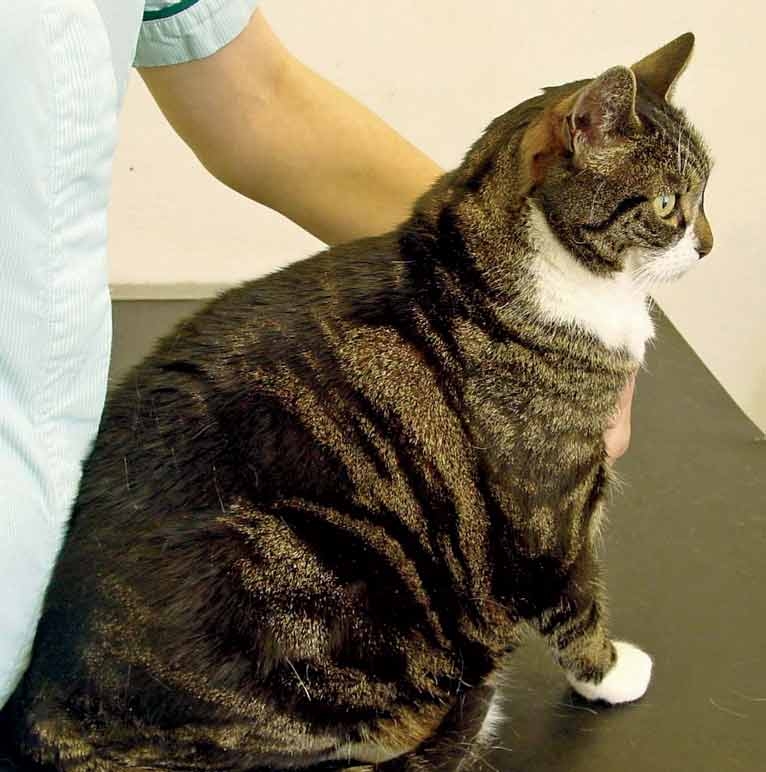
Hypothyroid cats may gain weight easily. Monitor your cat’s weight regularly to catch changes early. Feed measured portions to prevent overeating. Maintain a consistent feeding schedule to support metabolism. Weight control reduces strain on organs and improves quality of life.
Credit: www.vettimes.com
Managing Side Effects And Complications
Managing side effects and complications is a key part of treating hypothyroid in cats. Treatments can cause different reactions in your pet. Careful attention helps keep your cat safe and comfortable. Watch your cat closely and understand possible issues.
Common Side Effects
Cats may show some side effects after starting treatment. Vomiting and diarrhea can happen. Some cats may seem restless or nervous. Changes in appetite or weight loss can occur. These effects usually appear soon after treatment begins. Most side effects are mild and stop over time. Keep a daily log of any changes you notice in your cat.
When To Contact A Vet
Contact your vet if your cat shows severe symptoms. Difficulty breathing or swelling needs urgent care. Refuse to eat or drink for more than a day. Persistent vomiting or diarrhea can cause dehydration. Sudden behavior changes, like aggression or hiding, are warning signs. Your vet can adjust medication or suggest tests. Do not wait if symptoms worsen or last long.
Long-term Care And Follow-up
Managing hypothyroidism in cats requires ongoing care. Treatment does not end with the first diagnosis. Long-term care helps keep your cat healthy and comfortable. Regular follow-up visits are important to monitor progress and adjust treatment as needed.
Regular Check-ups
Schedule regular vet visits for blood tests and health checks. These visits help track your cat’s thyroid hormone levels. They also detect any side effects from medication early. Consistent monitoring ensures your cat stays on the right dose. Your vet will check your cat’s weight, energy, and overall condition each time.
Adjusting Treatment Over Time
Thyroid medication needs can change as your cat ages. Dosage may need to increase or decrease depending on test results. Your vet may adjust medication based on symptoms or lab findings. Some cats need lifelong treatment, while others improve enough to reduce medication. Stay patient and work closely with your vet for the best results.
Alternative And Complementary Therapies
Alternative and complementary therapies can support cats with hypothyroid. These methods may help improve overall well-being and ease symptoms. They work alongside traditional treatments, not as a replacement. Always consult a vet before starting any new therapy for your cat.
Herbal Remedies
Herbal remedies may help balance thyroid function naturally. Some herbs support metabolism and energy levels in cats. Common herbs include ashwagandha, guggul, and bladderwrack. These herbs can reduce inflammation and promote healthy thyroid activity. Use herbal treatments with care and under vet guidance. Not all herbs are safe for cats, so expert advice is crucial.
Acupuncture And Physical Therapy
Acupuncture can stimulate key points to improve thyroid health. It may reduce symptoms like fatigue and slow metabolism. Physical therapy helps maintain muscle strength and mobility. Gentle massage and stretching can ease stiffness in hypothyroid cats. These therapies enhance comfort and support recovery. Regular sessions may boost your cat’s energy and mood.
Credit: vetster.com
Frequently Asked Questions
What Are The Common Symptoms Of Hypothyroid In Cats?
Hypothyroid cats may show weight gain, lethargy, and hair loss. They can also have a slow heart rate and dry skin.
How Is Hypothyroid Diagnosed In Cats?
A vet will run blood tests to check thyroid hormone levels. Physical exams and medical history help confirm the diagnosis.
What Treatments Are Available For Hypothyroid In Cats?
Treatment usually involves daily thyroid hormone replacement pills. Regular vet visits are needed to adjust the dose properly.
Can Hypothyroid Cats Live A Normal Life?
Yes, with proper treatment, cats can live healthy, happy lives. Early diagnosis and regular medicine help control symptoms well.
Are There Any Side Effects Of Hypothyroid Treatment In Cats?
Side effects are rare but may include restlessness or increased appetite. Most cats tolerate treatment well with few problems.
Conclusion
Treating hypothyroid in cats helps them live healthier, happier lives. Regular vet visits keep the condition under control. Medicine and proper care improve your cat’s energy and mood. Watch for changes and act quickly to support your pet. Early treatment prevents serious health problems later.
Stay patient and consistent with the treatment plan. Your cat depends on you for a better life. Keep learning and caring every day. It makes all the difference.