Have you ever wondered how long your cat can go without food before it becomes dangerous? If your furry friend suddenly stops eating, it’s natural to worry.
Understanding how long a cat can safely survive without food is crucial for every pet owner. You’ll discover the signs to watch for and what actions you should take to protect your cat’s health. Keep reading—knowing this information could make all the difference for your beloved companion.
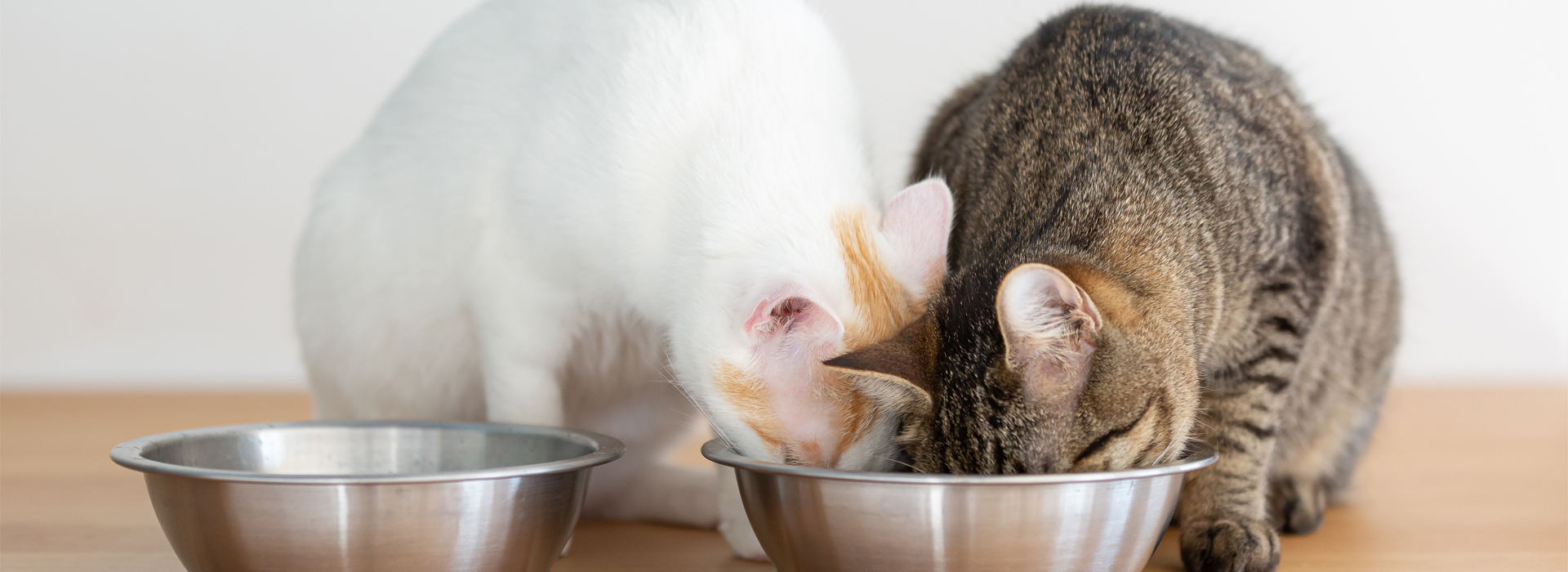
Credit: www.whiskas.co.uk
Cat’s Metabolism Basics
Understanding a cat’s metabolism helps explain how long a cat can go without food. Metabolism is the process that turns food into energy. Cats have a unique metabolism that supports their active and curious nature. Knowing these basics gives insight into their energy needs and how their body uses nutrients.
How Cats Process Food
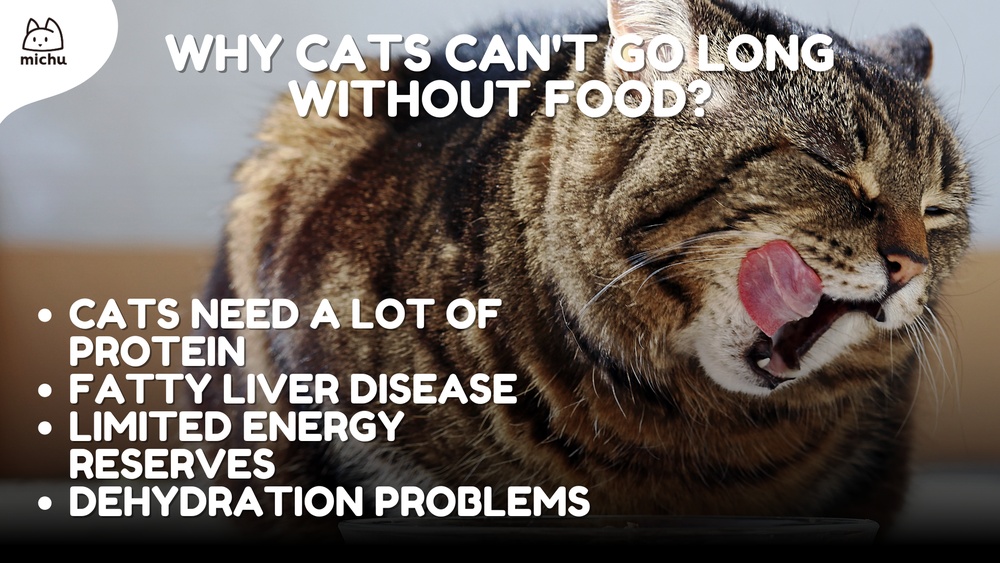
Cats are obligate carnivores. This means they need meat to survive. Their digestive system is designed to break down protein and fat quickly. Cats absorb nutrients mainly from animal-based foods. Their stomachs are short, so food moves fast through their system. This fast digestion means cats get energy quickly but do not store it well.
Energy Needs Of Cats
Cats need constant energy to maintain health and activity. They burn calories even while resting. Their bodies use energy for breathing, moving, and keeping warm. Cats cannot rely on carbohydrates for energy like humans. Instead, they depend mostly on protein and fat. Without regular food, their energy drops quickly, affecting health and behavior.
Credit: www.benoliel.com.br
Survival Without Food
Cats can survive for a time without food, but how long varies. Understanding this helps in emergencies or health problems. Cats use stored energy to live when food is missing. Their bodies slow down to save energy. Water is more critical than food for survival. Without water, cats can only last a few days.
Typical Duration Cats Can Fast
Most cats can survive without food for about one to two weeks. Some healthy cats may last longer, up to three weeks. The exact time depends on the cat’s health and age. Young kittens and older cats cannot fast as long. They need food to stay strong and healthy.
Factors Affecting Starvation Time
Several factors change how long a cat can live without eating. Body fat is important; fat helps cats survive longer. Sick cats have less energy and weaken faster. Hydration matters; cats with water live longer without food. Stress and environment also affect survival time. Cold weather uses more energy and shortens fasting time.
Health Risks Of Food Deprivation
Food deprivation in cats is a serious health issue. Cats need regular meals to maintain energy and body functions. Skipping food for too long can harm their health quickly. Understanding the risks helps prevent severe problems.
Physical Effects On Cats
Without food, cats lose energy fast. Their muscles start to weaken. They may become weak and lethargic. Dehydration often happens alongside hunger. The body begins to break down fat and muscle. This causes weight loss and poor coat condition. Their immune system also weakens. This makes infections more likely. Cats can become very sick within days.
Potential Long-term Damage
Long food deprivation can cause lasting harm. Liver damage may occur due to fat buildup. This condition is called hepatic lipidosis. It is life-threatening if not treated quickly. Organ failure can develop over time. The cat’s body struggles to repair itself. Mental health may also suffer. Stress and anxiety increase without food. Recovery can take weeks or months. Some damage might be permanent without care.
Signs Of Starvation In Cats
Cats cannot survive long without food. Their bodies need regular nutrition to work well. Starvation causes many changes in cats. These changes show the cat is in trouble. Recognizing these signs early can save your cat’s life.
Signs of starvation appear in behavior and body condition. Watching your cat closely helps catch these signs fast. This guide explains what to watch for in your cat.
Behavioral Changes
Starving cats act differently. They may seem weak and tired. Your cat might hide more than usual. Playfulness and energy will drop quickly. The cat may avoid social contact. Eating less or refusing food is a big sign. You might see restless or anxious behavior. Sudden changes in habits show distress.
Physical Symptoms
Starvation affects the cat’s body strongly. Weight loss is often the first sign. The cat’s fur may look dull and thin. Skin can become dry and flaky. Eyes may appear sunken or dull. Muscle loss makes the cat look bony. Weakness and poor coordination may occur. Breathing can become faster or shallow. These signs mean urgent help is needed.
Emergency Actions For Starving Cats
Starvation in cats is a serious issue needing quick action. The body starts to weaken fast without food. Emergency steps can save your cat’s life. Knowing what to do helps you act calmly and correctly.
When To Seek Veterinary Care
Seek veterinary care if your cat has not eaten for more than 24 hours. Watch for signs like weakness, vomiting, or confusion. Cats can develop liver problems from not eating. A vet can check for dehydration and other issues. Do not wait for symptoms to worsen. Early treatment improves recovery chances.
Safe Refeeding Practices
Start feeding slowly after a period without food. Offer small, easy-to-digest meals multiple times a day. Avoid rich or fatty foods at first. Sudden large meals can cause dangerous reactions. Use wet food or broth to encourage eating. Gradually increase food amounts over several days. Monitor your cat for any signs of discomfort.
:max_bytes(150000):strip_icc()/GettyImages-937809006-2000-3badc22ecf8946ceb6aa0482f80b8dc3.jpg)
Credit: www.southernliving.com
Preventing Food Deprivation
Preventing food deprivation is key to keeping your cat healthy and happy. Cats need regular meals to maintain their energy and body functions. Skipping food for too long can cause serious health issues. Understanding how to provide consistent feeding helps avoid these problems.
Ensuring Regular Feeding
Set a feeding schedule and stick to it every day. Cats thrive on routine and feel secure with regular meals. Use measured portions to avoid overfeeding or underfeeding. Fresh water should always be available alongside food. Monitor your cat during mealtime to ensure it eats enough. Adjust portions based on age, weight, and health needs.
Dealing With Picky Eaters
Some cats refuse certain foods or textures. Offer different flavors and types of food to find what they like. Warm the food slightly to enhance aroma and taste. Avoid sudden changes in diet to prevent digestive upset. Encourage eating by feeding in a calm, quiet place. Consult a vet if your cat consistently refuses food.
Frequently Asked Questions
How Long Can A Cat Survive Without Food?
Cats can survive about one to two weeks without food. Water is more critical, as dehydration can be fatal in days. Always seek vet help if your cat refuses to eat.
What Signs Show A Cat Is Not Eating Enough?
Look for weight loss, lethargy, and weakness. Cats may hide or show less interest in play. These signs mean you should consult a vet quickly.
Can A Cat Lose Weight Quickly Without Food?
Yes, cats can lose weight fast when they stop eating. This can cause serious health problems like liver disease. Prompt feeding and vet care are essential.
Is It Safe For Cats To Fast For A Short Time?
Short fasting (up to 24 hours) is usually safe for healthy cats. Longer fasting is dangerous and can harm their organs. Always check with a vet before fasting your cat.
Conclusion
Cats cannot go without food for long. Usually, they can last about three to four days without eating. After that, serious health problems can start. Always watch your cat’s eating habits closely. If your cat stops eating, act quickly. Offer fresh food and water.
Visit a vet if the problem lasts more than a day. Keeping your cat healthy means feeding it regularly. Small changes in eating can signal bigger issues. Stay alert to keep your pet safe and happy.