Have you noticed your cat struggling to cough up hairballs or acting unusually restless? These signs might point to a hairball blockage, a serious issue that can affect your furry friend’s health.
Understanding the symptoms of cat hairball blockage is crucial for catching the problem early and keeping your pet comfortable. You’ll learn how to spot the warning signs and what steps to take to protect your cat. Keep reading to make sure your beloved companion stays happy and healthy.
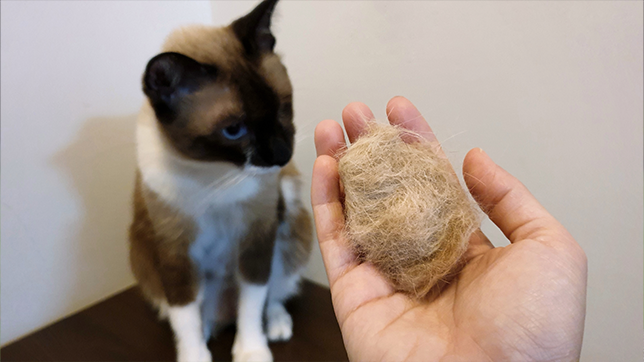
Credit: www.animalfriends.co.uk
Common Hairball Signs
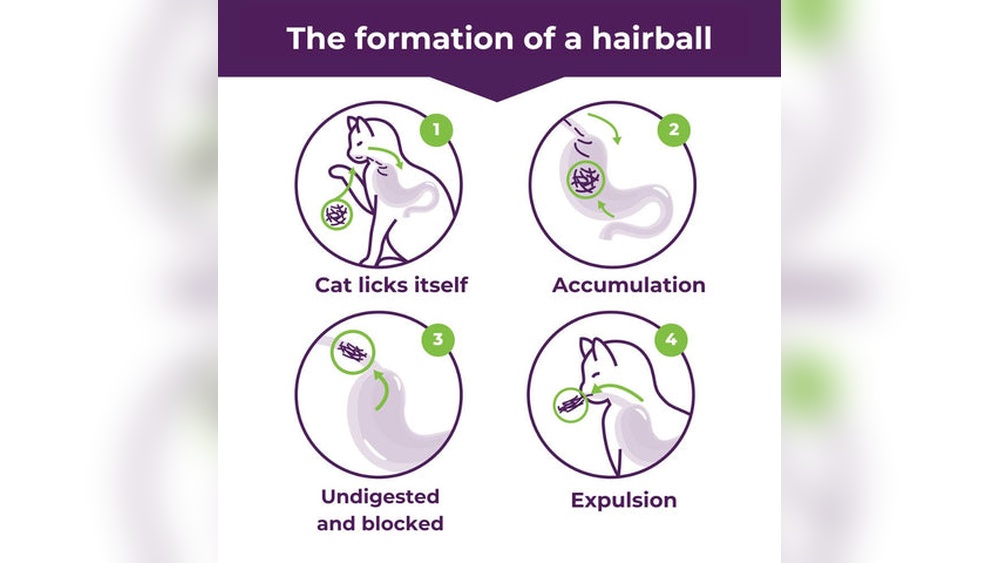
Cats often bring up hairballs. This is normal sometimes. But if hairballs happen too much, it can cause problems. Knowing common hairball signs helps you act fast. These signs show your cat might have hairball blockage. Watch for changes in your cat’s behavior and health.
Frequent Coughing And Gagging
Cats with hairballs often cough or gag a lot. This tries to push the hairball out. The coughing sounds different from a normal cough. It may seem like your cat is choking. Frequent coughing can tire your cat and cause stress.
Excessive Vomiting
Vomiting more than usual is a key hairball sign. Cats try to vomit hairballs that block their throat. Vomiting may include foam or mucus. Sometimes, hairballs come up with the vomit. Watch if vomiting happens several times a day.
Difficulty Swallowing
Hairball blockage can make swallowing hard. Your cat may paw at its mouth or neck. Eating and drinking become slow or stopped. You might see drooling or gagging. Difficulty swallowing means your cat needs help quickly.
Behavioral Changes
Behavioral changes are often the first signs that a cat has a hairball blockage. Cats cannot tell us what hurts. They show it through their actions. Watching for these changes helps catch problems early. Changes can vary from mild to severe.
Lethargy And Weakness
A cat with a hairball blockage may seem tired all the time. It may sleep more and move less than usual. Weakness can make it hard for the cat to stand or walk. These signs mean the cat is not feeling well and needs care.
Loss Of Appetite
One clear sign is when a cat stops eating. A blocked hairball causes stomach pain and nausea. This pain reduces the cat’s desire to eat. If your cat refuses food for more than a day, take it seriously.
Restlessness And Discomfort
Cats with hairball problems may pace or hide more often. They might change sleeping spots frequently. The cat may also lick its belly or vomit without producing hairballs. These behaviors show the cat is uncomfortable or in pain.
Physical Symptoms
Cats with hairball blockage often show clear physical signs. These symptoms help identify the problem early. Watch for changes in your cat’s body and behavior. Spotting these signs can lead to quick care and relief.
Abdominal Swelling
A swollen belly can mean a hairball blockage. The stomach looks bigger or feels tight. Your cat may seem uncomfortable or restless. Touch the area gently to check for hardness. Swelling means something blocks the intestines or stomach.
Constipation Or Straining
Difficulty passing stool is a common symptom. Cats may strain in the litter box or go less often. They might cry or look upset while trying. This happens because the hairball stops normal bowel movement. Constipation can cause pain and need fast attention.
Dehydration Indicators
Blocked cats can get dehydrated quickly. Signs include dry gums and sunken eyes. Skin may lose elasticity when gently pinched. Cats may drink less or stop drinking. Dehydration makes the condition worse and needs prompt care.
Credit: vemedim.com
When Blockage Becomes Severe
Cat hairball blockage can turn serious fast. When a blockage becomes severe, your cat’s health is at risk. Immediate attention is crucial to prevent life-threatening problems.
Recognizing severe symptoms helps you act quickly. Watch closely for signs that show the condition is worsening.
Persistent Vomiting
Vomiting that does not stop is a serious sign. Your cat may try to throw up but nothing comes out. This indicates the blockage is stopping the food and hair from passing through. Persistent vomiting causes dehydration and weakness. Do not wait long to get help.
Labored Breathing
Severe blockage can make breathing hard for your cat. You might see fast, shallow breaths or open-mouth breathing. This happens because of pain and stress from the blockage. Labored breathing means your cat is struggling and needs urgent care.
Collapse Or Unresponsiveness
A cat that collapses or becomes unresponsive is in critical danger. This shows that the blockage is affecting vital organs. Immediate veterinary help is required to save your cat’s life. Do not delay if you see these alarming signs.
Preventive Measures
Preventing hairball blockages in cats requires daily care and attention. Small steps can reduce the risk and keep your cat healthy. Focus on grooming, diet, and water intake. These areas directly affect hairball formation and your cat’s comfort.
Regular Grooming Tips
Brush your cat often to remove loose hair. Choose a brush suited to your cat’s fur type. Brushing reduces hair your cat swallows during self-cleaning. Long-haired cats need grooming every day. Short-haired cats benefit from brushing twice a week. Grooming also helps spot skin problems early.
Diet Adjustments
Feed your cat food that supports digestion and hair control. Some cat foods include fiber to help pass hair naturally. Avoid giving too many treats or table scraps. Balanced meals improve your cat’s overall health. Consult your vet about special diets for hairball control. Consistent feeding times encourage good digestion.
Hydration Importance
Water helps move hair through your cat’s digestive system. Always provide fresh, clean water daily. Some cats prefer running water from a fountain. Wet cat food increases moisture intake. Proper hydration reduces hairball risks and supports organs. Watch for changes in drinking habits or urine output.
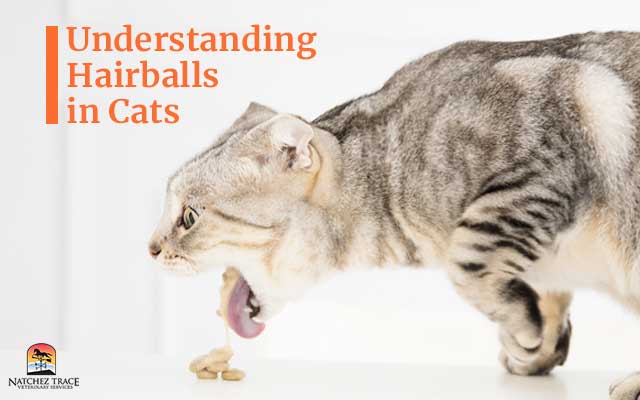
Credit: franklintnvet.com
Seeking Veterinary Help
Noticing signs of hairball blockage in your cat calls for quick veterinary help. Early care can prevent serious health problems. A vet will check your cat thoroughly to find the cause of the issue.
Diagnostic Procedures
The vet will start with a physical exam. They will look for swelling or pain in your cat’s belly. X-rays often help show any blockages or hairball masses. Sometimes, ultrasound scans give clearer pictures inside the body. Blood tests check your cat’s overall health and rule out infections.
Treatment Options
Treatment depends on how serious the blockage is. Mild cases might get medicine to help pass the hairball naturally. Special diets can reduce future hairball risks. Severe blockages may need surgery to remove the hairball. The vet may give fluids to keep your cat hydrated. Pain relief is also important during recovery.
Emergency Care Guidelines
If your cat stops eating, vomits a lot, or seems very weak, seek emergency care fast. Blockages can become life-threatening without quick help. Keep your cat calm and comfortable while traveling to the vet. Avoid giving any home remedies without vet advice. Quick action can save your cat’s life.
Frequently Asked Questions
What Are Common Symptoms Of Cat Hairball Blockage?
Cats with hairball blockage often vomit repeatedly and seem to gag. They may stop eating and act tired or weak. Watch for constipation or straining to pass stool.
How Can I Tell If My Cat Has A Hairball Blockage?
Look for signs like persistent vomiting, loss of appetite, and belly pain. Your cat might also hide or become less active. These signs suggest a blockage and need vet care.
Can Hairball Blockage Cause Serious Health Problems In Cats?
Yes, hairball blockage can block the intestines and stop digestion. This can lead to severe pain, dehydration, and even life-threatening issues. Early treatment is crucial for recovery.
What Should I Do If My Cat Shows Hairball Blockage Signs?
Contact your veterinarian immediately for an exam and treatment advice. Do not try home remedies without professional guidance. Quick action can prevent serious complications.
Conclusion
Cat hairball blockage can cause serious health problems. Watch for signs like vomiting, lack of appetite, and constipation. Acting fast helps your cat feel better and avoid surgery. Regular grooming and a proper diet reduce hairball risks. Always consult your vet if symptoms last or get worse.
Healthy cats are happy cats. Stay alert and care for your furry friend daily.