Have you ever noticed blood in your cat’s urine? It can be alarming and confusing.
You might wonder what’s causing it and if it’s serious. This isn’t something to ignore because it could mean your furry friend is in pain or facing a health problem. Understanding why this happens and what steps to take can make all the difference in keeping your cat healthy and happy.
Keep reading to learn what you need to know about blood in your cat’s urine and how to help them feel better fast.
Causes Of Blood In Cat Urine
Blood in a cat’s urine can be worrying for any pet owner. It signals a problem in the urinary system. Understanding what causes this issue helps in early care. Several conditions can lead to blood in cat urine. Some are mild and easy to treat. Others need urgent veterinary attention. This section explains the main causes in simple terms.
Urinary Tract Infections
Urinary tract infections (UTIs) are common in cats. Bacteria enter the urinary tract and cause irritation. This leads to inflammation and bleeding. Cats with UTIs may also strain while urinating. They might urinate more often or in strange places. Early treatment with antibiotics usually clears the infection fast.
Bladder Stones
Bladder stones are hard mineral crystals. They form inside the bladder and cause pain. These stones can scratch the bladder lining and cause bleeding. Cats with bladder stones may have trouble urinating. Sometimes, stones block urine flow, causing serious problems. Veterinary care can remove stones and reduce discomfort.
Kidney Disease
Kidney disease affects how well kidneys work. Damaged kidneys may leak blood into the urine. This problem is more common in older cats. Kidney disease often causes other signs too, like weight loss and tiredness. Treatment focuses on slowing the disease and improving quality of life.
Trauma Or Injury
Any injury to the urinary tract can cause blood in urine. Cats may get hurt by accidents or fights. Trauma can damage the bladder, urethra, or kidneys. Such injuries often cause pain and difficulty urinating. Immediate veterinary care is essential to prevent complications.
Feline Lower Urinary Tract Disease
Feline lower urinary tract disease (FLUTD) is a group of problems. It affects the bladder and urethra. FLUTD causes inflammation, pain, and sometimes bleeding. Stress and diet can contribute to FLUTD. Treatment depends on the cause but aims to reduce symptoms quickly.
Tumors Or Cancer
Tumors or cancer in the urinary system can cause blood in urine. These growths may be benign or malignant. They often cause bleeding and discomfort. Early diagnosis is important for better treatment options. Veterinary exams and tests help identify tumors early.
Recognizing Symptoms
Noticing blood in your cat’s urine can be alarming. Early detection of symptoms helps in getting quick care. Cats often hide pain well, so watch closely for signs. Small changes in behavior or habits might signal a problem. Understanding these symptoms can aid prompt action.
Changes In Urination Habits
Your cat might urinate more or less than usual. They may strain or take longer in the litter box. Urine spots outside the box can appear. Watch for frequent trips to the litter box. These changes often indicate discomfort or health issues.
Pain Or Discomfort
Signs of pain include crying or vocalizing while urinating. Your cat might lick the area around its genitals. They may avoid the litter box due to pain. Stiff movements or hiding may also occur. Pain signals need immediate attention.
Lethargy And Loss Of Appetite
A sick cat may sleep more than usual. They might show less interest in food or water. Weakness or lack of energy can appear suddenly. These symptoms often accompany urinary problems. Monitor your cat’s overall activity closely.
Excessive Licking
Constant licking of the genital area is a common sign. This behavior tries to soothe irritation or pain. It may cause redness or sores. Excessive licking should never be ignored. It often points to infection or injury.
Behavioral Changes
Your cat may become more withdrawn or aggressive. Changes in mood or routine can occur. They might avoid contact or hide more than usual. Such shifts often mean discomfort or stress. Pay attention to unusual behavior patterns.
Home Remedies To Try
Seeing blood in your cat’s urine can be scary. Some home remedies may help ease the problem. These remedies support your cat’s health and comfort. They do not replace a vet visit but can be helpful steps at home.
Ensuring Hydration
Water helps flush the cat’s urinary system. Provide fresh water daily. Use a water fountain to encourage drinking. Wet cat food also adds moisture. More water means fewer urinary problems.
Diet Adjustments
Change your cat’s food to support urinary health. Choose diets made for urinary care. Avoid foods with too much salt. Balanced nutrition helps reduce irritation. Always introduce new foods slowly.
Stress Reduction Techniques
Stress can worsen urinary issues in cats. Create a calm and quiet space. Play with your cat to reduce anxiety. Use pheromone sprays or diffusers. A relaxed cat heals better and faster.
Herbal Supplements
Some herbs may help reduce inflammation. Cranberry extract supports bladder health. Marshmallow root soothes urinary tract lining. Consult your vet before using supplements. Proper doses keep your cat safe.

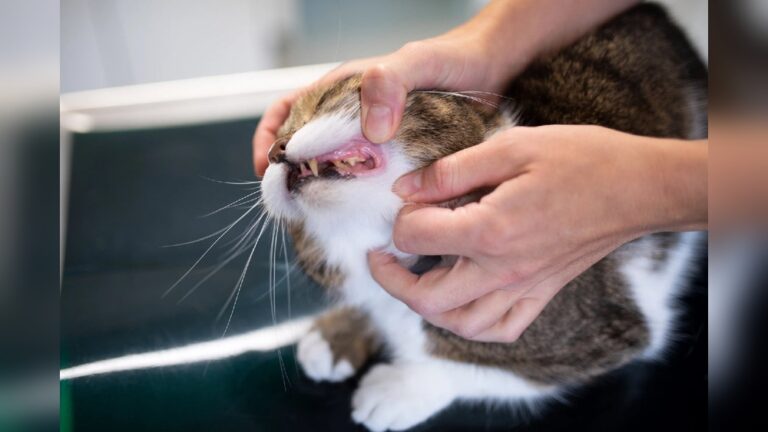
Credit: www.dentalhousecr.com
When To See A Veterinarian
Noticing blood in your cat’s urine is worrying. It needs quick attention. Some signs mean you must see a veterinarian right away. Others might wait, but watch closely. Early care can stop serious problems. Learn when to act fast and when to monitor your cat at home.
Persistent Bleeding
Blood in urine that lasts more than a day is serious. It shows a possible infection or injury. Do not wait. A vet can find the cause and start treatment. Persistent bleeding can cause more harm if ignored.
Severe Pain Or Distress
Your cat may cry or hiss when urinating. It might hide or refuse to eat. These signs show pain or illness. Severe distress means urgent vet care. Pain relief and diagnosis need a professional checkup.
Lack Of Improvement With Home Care
Try giving plenty of water and a calm place to rest. If blood does not reduce or stops but returns, visit the vet. Home care can help mild cases but not all. Watch your cat closely for changes.
Recurring Symptoms
Blood in urine that comes and goes is a red flag. It points to chronic issues like bladder stones or infections. Recurring symptoms need thorough vet exams. Early diagnosis can prevent long-term health problems.
Preventing Future Issues
Preventing future issues of blood in your cat’s urine is crucial for their health. Small changes in care can make a big difference. Regular attention helps catch problems early. Staying proactive protects your cat from pain and serious illness.
Regular Vet Checkups
Schedule vet visits at least once a year. The vet checks for infections, stones, or other issues. Early detection leads to easier treatment. Keep all vaccinations and tests up to date. Don’t wait for symptoms to appear.
Proper Diet And Hydration
Feed a balanced diet made for cats. A good diet supports urinary health and overall wellness. Fresh water must always be available. Cats who drink more have fewer urinary problems. Wet food helps increase water intake too.
Maintaining Clean Litter Boxes
Clean litter boxes daily to encourage use. Dirty boxes can cause cats to avoid them. Avoid stress and accidents by keeping boxes fresh. Use the right type and number of litter boxes. A clean space helps detect blood or changes early.
Monitoring Behavior And Health
Watch your cat’s bathroom habits closely. Note any changes in frequency or pain signs. Look for signs like licking the area or hiding. Early signs of illness are often subtle. Report concerns to your vet quickly for prompt care.
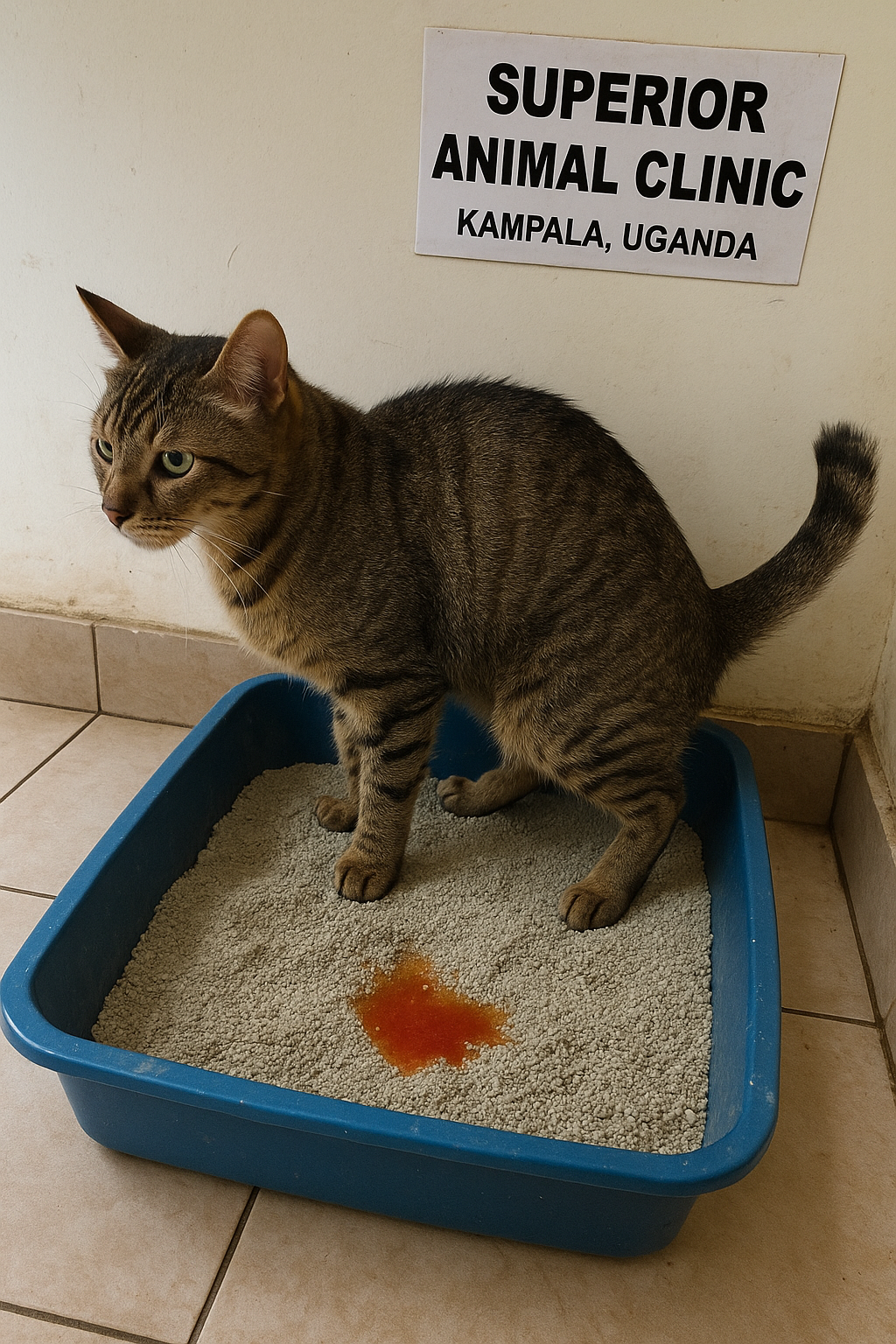
Credit: superioranimalclinicvet.com

Credit: puainta.com
Frequently Asked Questions
What Causes Blood In A Cat’s Urine?
Blood in a cat’s urine can come from infections, bladder stones, or injuries. Sometimes, it signals urinary tract disease. A vet check is important to find the cause.
How Can I Tell If My Cat Has Blood In Urine?
Look for pink, red, or dark spots in the litter box. Your cat may also strain or cry while urinating. Watch for any changes in bathroom habits.
Is Blood In A Cat’s Urine A Medical Emergency?
Blood in urine needs prompt attention, especially if your cat is in pain. Quick treatment can stop serious problems. Contact your vet as soon as possible.
What Treatments Are Available For Cats With Bloody Urine?
Treatment depends on the cause, like antibiotics for infections or surgery for stones. Your vet will decide the best care. Follow all instructions for a full recovery.
Conclusion
Blood in a cat’s urine signals a health problem that needs care. Act quickly to protect your pet’s well-being. Visit the vet for a proper checkup and treatment. Early help can prevent serious issues and pain. Watch your cat’s behavior and keep track of any changes.
Healthy cats bring joy and comfort to your home. Stay alert and give your cat the care it deserves.