Is your cat sneezing, coughing, or acting unusually tired? Just like humans, cats can catch colds too, and it’s tough to watch your furry friend feeling under the weather.
You want to help your cat feel better fast but might be unsure where to start. In this guide, you’ll discover simple, effective cat cold treatment tips that can ease your pet’s discomfort and speed up recovery. Keep reading to learn how to spot the signs early and provide the care your cat truly needs.
Symptoms Of Cat Cold
Cat cold is a common illness that affects many cats. It is similar to a human cold. Recognizing symptoms early helps you care for your cat better. Cats can suffer from sneezing, coughing, and other signs of cold.
Common Signs To Watch For
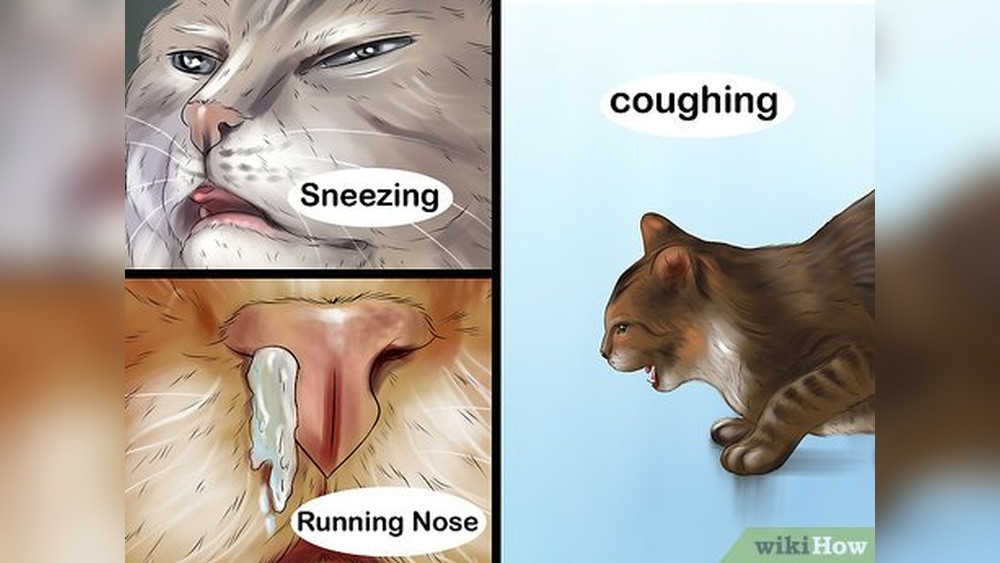
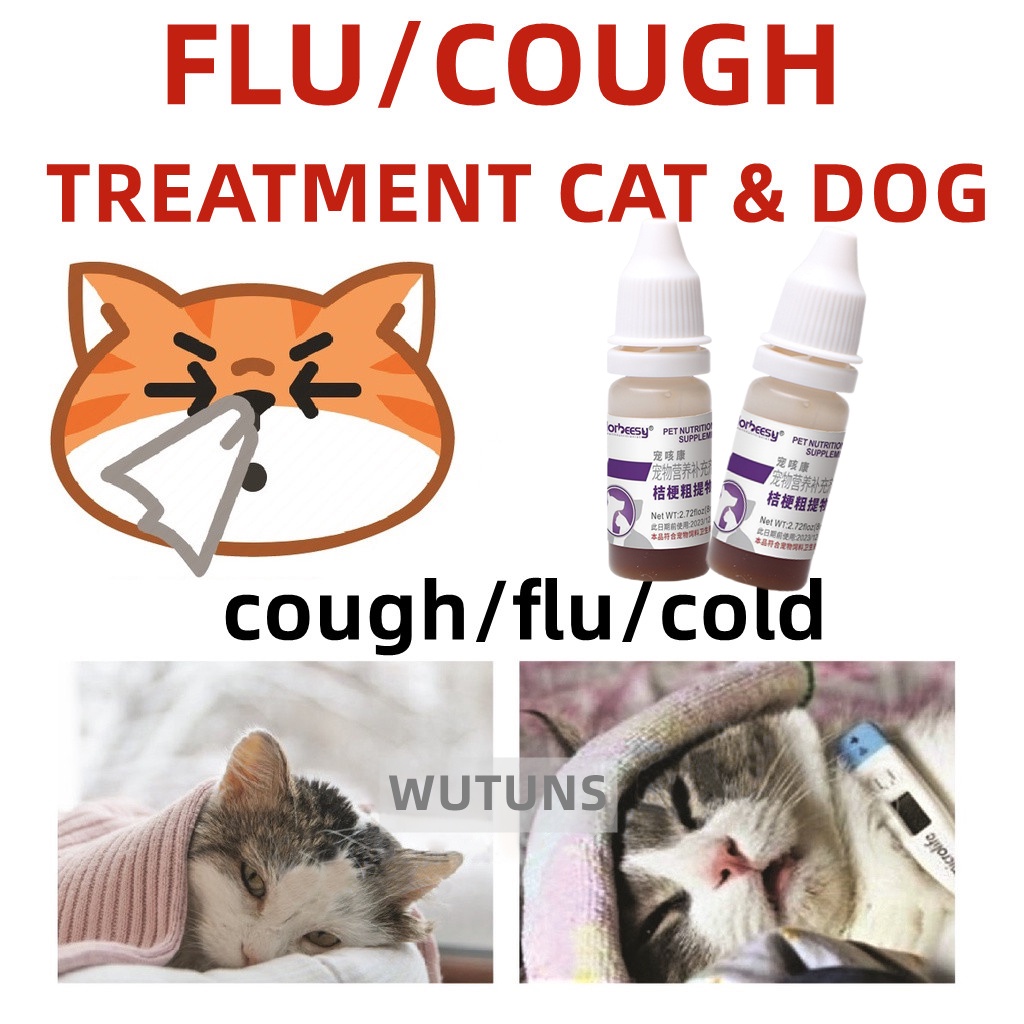
Watch for sneezing and nasal discharge. Your cat may have a runny nose or clogged nose. Coughing and watery eyes are typical signs too. Some cats lose their appetite during a cold. They may also seem tired or weak. Mouth ulcers and mild fever can appear in some cases. Notice any unusual breathing sounds or noisy breathing.
When To See A Vet
Visit a vet if symptoms last more than ten days. Seek help if your cat stops eating or drinking. Difficulty breathing is a serious sign. High fever or severe weakness needs urgent care. If your cat is very young or old, see a vet sooner. Also, visit a vet if eye or nose discharge is thick and yellow or green. Quick veterinary care prevents complications and speeds recovery.

Credit: unifi.com
Causes Of Cat Cold
Cat cold is a common illness affecting many cats. Understanding what causes it helps in preventing and treating it. Several factors can lead to a cat catching a cold. These causes mainly involve infections and the cat’s surroundings.
Viral Infections
Most cat colds come from viruses. The feline herpesvirus is a common cause. It spreads quickly among cats in close contact. Another virus, calicivirus, also causes cold-like symptoms. Both viruses affect the cat’s nose, throat, and eyes. Infected cats may sneeze, cough, and have a runny nose. These infections are highly contagious and can spread in places with many cats.
Environmental Triggers
Cold temperatures can weaken a cat’s immune system. Sudden changes in weather can stress cats and make them sick. Dust, smoke, and strong smells irritate their respiratory system. Poor ventilation in the home can trap these irritants. Stress from moving or new pets also lowers resistance. These triggers can make a cat more likely to catch a cold or worsen symptoms.
Home Remedies For Cat Cold
Cat colds can make your pet feel weak and uncomfortable. Home remedies help ease symptoms and support recovery. These simple methods help your cat rest and heal without harsh medicines.
Keeping Your Cat Hydrated
Water helps flush out germs and keeps the body working well. Offer fresh water often. Wet cat food also adds moisture. Some cats like warm broth. Watch your cat’s drinking habits closely.
Using A Humidifier
Dry air worsens congestion in cats. A humidifier adds moisture to the air. This soothes the nose and throat. Place it near where your cat sleeps. Keep it clean to avoid mold and bacteria.
Nutritional Support
A sick cat needs good food to heal. Soft, warm meals are easier to eat. Add some tasty broth to dry food. Vitamins and minerals strengthen the immune system. Avoid forcing your cat to eat if it refuses.

Credit: www.ebay.com
Over-the-counter Options
Over-the-counter (OTC) options can help ease your cat’s cold symptoms. These treatments are easy to find and use at home. Some are safe and effective for mild cases. Knowing which OTC products to choose is important for your cat’s health.
Safe Medications For Cats
Only use medications made specifically for cats. Some OTC products can reduce fever and pain. Always follow the dosage instructions carefully. Saline nasal drops can clear your cat’s blocked nose. This helps your cat breathe better and feel more comfortable. Vitamin supplements may support your cat’s immune system. Always check with a vet before starting any new medicine.
Avoiding Harmful Treatments
Human cold medicines can be dangerous for cats. Never give your cat aspirin or ibuprofen. These drugs can cause serious health problems. Avoid using essential oils or strong herbal remedies. Some natural products may harm your cat’s lungs. Avoid giving any medication without vet approval. Always watch your cat closely for side effects.
When To Seek Veterinary Care
Knowing when to seek veterinary care for your cat’s cold is very important. Some symptoms need quick action to avoid serious health problems. Watching your cat closely can help you spot signs that need a vet’s attention.
Signs Of Severe Illness
Look for heavy breathing or difficulty breathing. A high fever that lasts more than two days is serious. Your cat may stop eating or drinking. Eyes and nose may have thick, green, or yellow discharge. Weakness or hiding more than usual is a warning. Coughing fits or constant sneezing need a vet visit. Sudden weight loss or dehydration is dangerous.
Treatment Options At The Clinic
The vet may give fluids to prevent dehydration. They can prescribe antibiotics if a bacterial infection is present. Sometimes, medicine helps to relieve congestion and coughing. Oxygen therapy may be necessary for breathing issues. The clinic can monitor your cat’s condition closely. They offer care that you cannot provide at home. Follow-up visits help track your cat’s recovery progress.
Preventing Future Cat Colds
Preventing future cat colds helps keep your cat happy and healthy. Taking steps to lower the chance of infection protects your pet from discomfort. Good care and habits make a big difference in avoiding colds. Simple actions at home support your cat’s well-being every day.
Boosting Immunity
A strong immune system fights off viruses and bacteria. Feed your cat a balanced diet with all needed nutrients. Regular vet check-ups help spot health issues early. Give your cat fresh water daily to stay hydrated. Avoid stress, as it weakens the immune system.
Maintaining A Clean Environment
Clean spaces reduce germs that cause colds. Wash your cat’s bedding often in hot water. Clean litter boxes daily to prevent bacteria build-up. Wipe food and water bowls regularly. Keep your home free of dust and smoke. Regular cleaning helps stop the spread of illness.
Credit: naranjosdemarbella.com
Frequently Asked Questions
What Are Common Symptoms Of A Cat Cold?
Sneezing, runny nose, and watery eyes often signal a cat cold. Cats may also cough or show less energy than usual.
How Can I Safely Treat My Cat’s Cold At Home?
Keep your cat warm and offer plenty of water. Use a humidifier to ease breathing and clean their nose gently.
When Should I See A Vet For My Cat’s Cold?
Visit a vet if your cat stops eating, has trouble breathing, or symptoms last over two weeks. Early care prevents complications.
Can Cat Cold Spread To Other Pets Or Humans?
Cat cold viruses mostly spread between cats, not humans. Keep sick cats away from other pets to avoid spreading infection.
Conclusion
Treating a cat cold early helps your pet feel better fast. Keep your cat warm and give plenty of water. Watch for signs that need a vet’s care. Clean your cat’s nose gently to ease breathing. Rest is important for healing and recovery.
Simple care at home can make a big difference. Stay calm and patient with your sick cat. Your care helps your furry friend get well soon.