If your dog suffers from food allergies, you know how frustrating it can be to find the right food that keeps them healthy and comfortable. Allergies can cause itching, digestive upset, and even affect your dog’s overall happiness.
Choosing the right dog food designed specifically for food allergies isn’t just about avoiding certain ingredients—it’s about giving your furry friend a chance to thrive. In this guide, you’ll discover the best options and practical tips to help you pick dog food that suits your pet’s unique needs.
Keep reading to learn how to make mealtime a relief, not a worry, for your beloved companion.
Credit: www.petcarerx.com
Common Allergens In Dog Food
Food allergies in dogs cause discomfort and health issues. Identifying common allergens helps manage their diet better. Allergens often come from proteins and carbohydrates in dog food. Understanding these triggers can improve your dog’s well-being.
Typical Protein Triggers
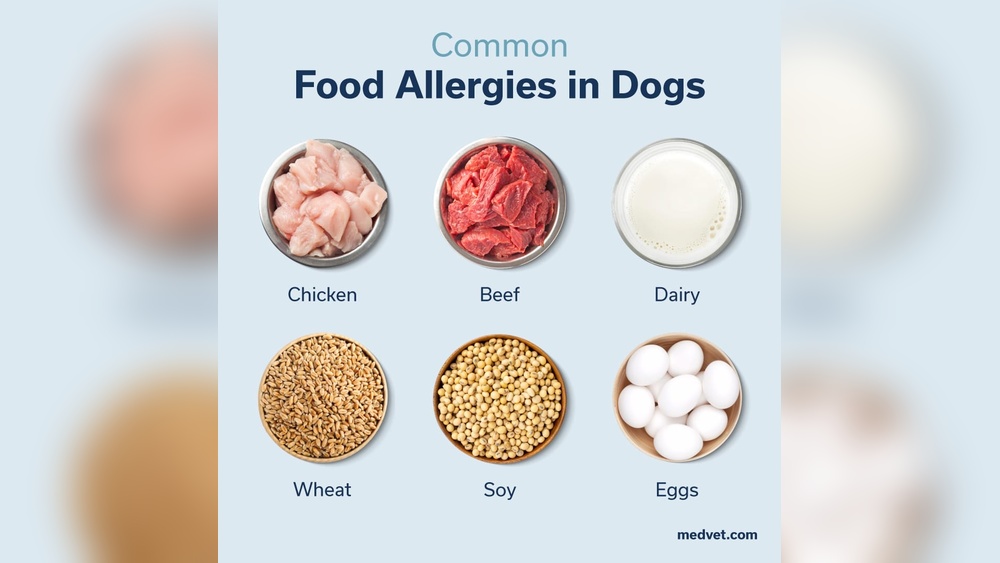
Proteins are the most common allergens in dog food. Beef, chicken, and lamb often cause allergic reactions. Dairy products like cheese and milk also trigger sensitivities. Fish and eggs can sometimes cause allergies too. Dogs develop immune responses against these proteins, leading to itching and digestive problems.
Carbohydrate Sensitivities
Carbohydrates in dog food may also cause allergies. Wheat, corn, and soy are frequent culprits. These ingredients can cause skin irritation and stomach upset. Some dogs react to rice and barley as well. Choosing grain-free or limited-ingredient diets helps reduce these issues.
Signs Of Food Allergies In Dogs
Food allergies in dogs can cause various signs that affect their health and comfort. Recognizing these signs early helps in managing allergies effectively. Dogs may show changes in their skin, digestion, or behavior that indicate food allergies. Understanding these symptoms ensures timely care and the right dog food choice.
Skin Reactions And Irritations
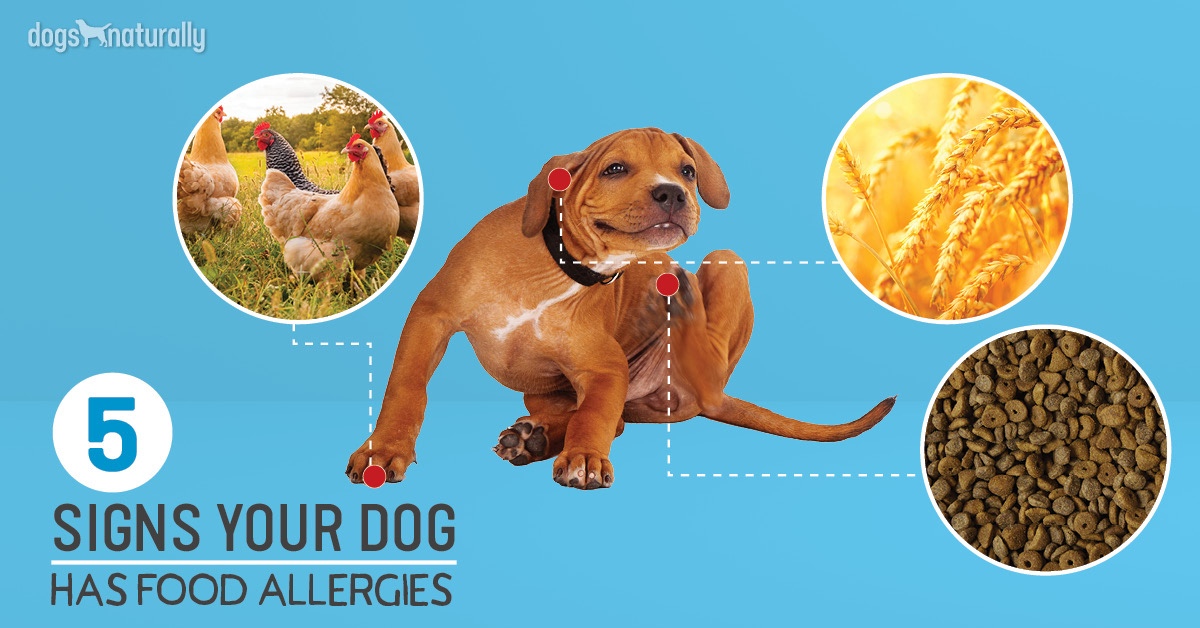
One common sign of food allergies is skin problems. Dogs may scratch or lick their skin more than usual. Redness, rashes, or bumps can appear on the skin. Hair loss or dry, flaky patches might also develop. These skin issues often affect the ears, paws, and belly. Persistent itching and discomfort suggest a food allergy.
Digestive Issues
Food allergies can cause stomach problems in dogs. Vomiting and diarrhea happen frequently in allergic dogs. Some dogs may have gas or bloating after eating. Loss of appetite or weight loss can also occur. These digestive signs show the body is reacting badly to certain foods.
Behavioral Changes
Allergies may affect a dog’s mood and actions. Dogs might seem restless or irritable due to discomfort. Excessive licking or chewing on paws is common. Some dogs become less active or hide more often. Watching for these changes can help identify food allergies early.
Benefits Of Hypoallergenic Dog Food
Hypoallergenic dog food offers many benefits for dogs with food allergies. It helps manage allergic reactions by using carefully selected ingredients. This specialized diet supports overall health and comfort. Many pet owners see quick improvements in their dog’s well-being after switching to hypoallergenic food.
Reduced Allergic Reactions
Hypoallergenic dog food limits common allergens like wheat and soy. It uses novel proteins and carbohydrates that rarely cause allergies. This reduces itching, redness, and swelling in dogs. Fewer allergic reactions mean a happier and more active dog. Consistent use helps control symptoms over time.
Improved Skin And Coat Health
Dogs with allergies often suffer from dry, flaky skin. Hypoallergenic food contains essential fatty acids that nourish the skin. It helps reduce inflammation and promotes healing. A healthy skin barrier protects against irritants. Pets develop shinier, softer coats with regular feeding.
Enhanced Digestive Comfort
Food allergies can cause upset stomach and diarrhea. Hypoallergenic formulas are easy to digest and gentle on the gut. They support healthy digestion and nutrient absorption. Less stomach discomfort leads to better energy and mood. This diet can improve stool quality and reduce gas.
Novel Protein Sources
Novel protein sources are key for dogs with food allergies. They help avoid common allergens found in regular dog food. These proteins come from less common meats and fish. They reduce the risk of allergic reactions and improve your dog’s health. Many pet owners choose novel proteins to manage sensitive stomachs and itchy skin.
Venison And Duck Options
Venison is a lean meat that often suits dogs with allergies. It is rarely used in typical dog foods. This makes it less likely to cause an allergic response. Duck is another good option. It has a unique protein structure that many dogs tolerate well. Both meats provide essential nutrients and taste great. Venison and duck formulas often help dogs with skin and digestive issues.
Salmon-based Formulas
Salmon is rich in omega-3 fatty acids. These fats reduce inflammation and support healthy skin. Salmon-based dog food is gentle on sensitive stomachs. It offers a novel protein source that many dogs can digest easily. This fish protein helps maintain shiny coats and strong immune systems. Salmon formulas are popular for dogs prone to allergies or digestive problems.
Other Unique Proteins
Unique proteins include rabbit, bison, and kangaroo. These meats are rare in most dog foods. They provide fresh protein options for allergic dogs. Using these proteins can help identify specific allergies. They also add variety to your dog’s diet. Unique protein sources keep your dog healthy and happy without triggering allergies.
Limited Ingredient Diets
Limited ingredient diets offer a simple way to reduce food allergies in dogs. These diets contain fewer components than typical dog foods. They focus on using ingredients that are less likely to cause allergic reactions. Choosing the right limited ingredient diet can help identify and avoid allergens.
Simplified Ingredient Lists
Limited ingredient diets use fewer ingredients than regular dog foods. They usually have one protein source and one carbohydrate source. This simplicity helps reduce the chance of an allergic reaction. It also makes it easier to spot which ingredient causes problems. Fewer ingredients mean fewer allergens for your dog to face.
Common Carbohydrate Alternatives
Common carbohydrates in limited ingredient diets differ from usual grains. Options include sweet potatoes, peas, or lentils. These alternatives provide energy without typical allergens like wheat or corn. Using these helps dogs with grain allergies feel better. They support digestion and keep your dog active and healthy.
How They Help Manage Allergies
Limited ingredient diets limit exposure to allergens. They reduce skin irritation, itching, and digestive upset. These diets allow dogs to heal and regain comfort. Vets often recommend them for allergy testing and treatment. They help keep your dog’s immune system calm and healthy.
Credit: www.dogsnaturallymagazine.com
Top Hypoallergenic Dog Food Brands
Finding the right hypoallergenic dog food can ease your pet’s discomfort. Many brands focus on reducing allergens and improving skin and digestion health. Choosing a trusted brand ensures your dog receives balanced nutrition without common triggers.
Below are top hypoallergenic dog food brands divided into three main categories. Each offers unique benefits and suits different needs and budgets.
Veterinary Prescription Diets
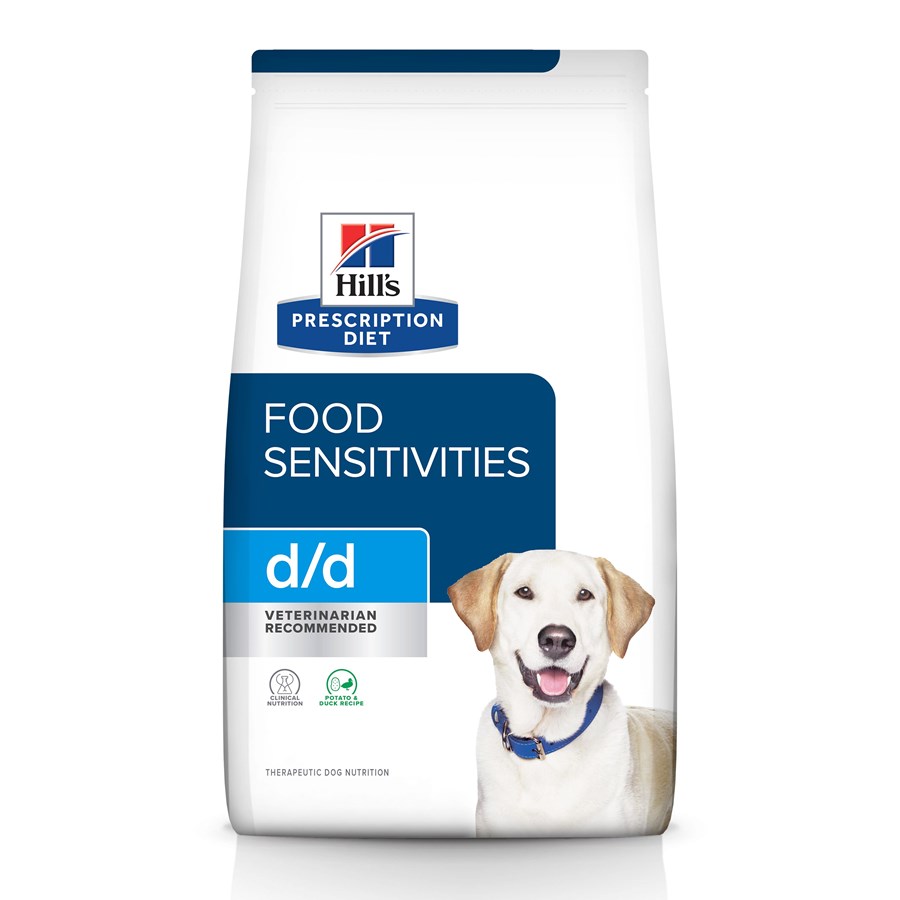
Prescription diets are made for dogs with severe allergies. These foods contain hydrolyzed proteins or novel ingredients. Brands like Hill’s Prescription Diet, Royal Canin Veterinary Diet, and Purina Pro Plan Veterinary Diets are popular. They help reduce allergic reactions and support skin repair. Your vet will recommend the best option based on your dog’s condition.
Popular Over-the-counter Choices
Many OTC hypoallergenic foods work well for mild to moderate allergies. Blue Buffalo True Solutions, Diamond Naturals Skin & Coat, and Wholesomes Sensitive Skin & Stomach are trusted names. These products use limited ingredients to minimize allergens. They often include salmon or duck, which are less likely to cause allergies. These foods are easy to find in pet stores and online.
Specialty And Homemade Options
Some pet owners prefer specialty or homemade diets. JustFoodForDogs offers allergy-friendly fresh meals made with simple ingredients. Homemade diets let you control every ingredient and avoid allergens completely. Use single protein sources like turkey or lamb. Consult a vet or pet nutritionist to balance nutrients. This approach suits dogs with multiple allergies or food sensitivities.
Choosing The Right Food For Your Dog
Choosing the right food for your dog with food allergies is essential for their health. Dogs with allergies need special care in their diet. Selecting the best food helps reduce allergic reactions and keeps your dog happy. Understanding the process makes feeding easier and safer for your pet.
Consulting Your Veterinarian
Your veterinarian knows your dog’s health history best. They can recommend foods that suit your dog’s allergy needs. A vet can suggest allergy tests to find the problem ingredients. Follow their advice to avoid foods that may cause harm.
Trial And Error Approach
Trial and error is often needed to find the right food. Introduce one new food at a time. Watch for any signs of allergy like itching or upset stomach. Keep a journal of what your dog eats and their reactions. This helps narrow down safe foods.
Reading And Understanding Labels
Learn to read dog food labels carefully. Check for common allergens like wheat, soy, or chicken. Look for limited ingredient diets or hypoallergenic options. Ingredients are listed from most to least by weight. Avoid foods with unknown or artificial additives.
:strip_icc()/Spruce-best-dog-food-for-allergies-4173781-024027f06d344cd8acf7267d38694fa3.jpg)
Credit: www.thesprucepets.com
Additional Tips For Managing Dog Food Allergies
Managing food allergies in dogs requires more than just choosing the right food. Owners need to take extra steps to keep their pets safe and comfortable. These tips help reduce allergy symptoms and improve overall health.
Avoiding Cross-contamination
Cross-contamination happens when allergen traces mix with safe food. Clean bowls and utensils before feeding your dog. Store allergen-free food separately from regular food. Wash your hands after handling any allergenic ingredients. Even small amounts of allergens can trigger reactions in sensitive dogs.
Supplements And Skin Care
Supplements like omega-3 fatty acids support skin health. They reduce itching and inflammation caused by allergies. Use gentle shampoos designed for dogs with sensitive skin. Regular baths help remove allergens from the coat. Avoid harsh chemicals that can worsen skin problems. Consult your vet before adding supplements.
Regular Monitoring And Checkups
Watch your dog for any allergy signs like itching or redness. Keep a diary of symptoms and food changes. Regular vet visits help track your dog’s progress. Your vet can adjust diet plans and treatments as needed. Early detection prevents severe allergic reactions and improves quality of life.
Frequently Asked Questions
What Food Is Good For Dogs With Food Allergies?
Novel protein diets with ingredients like duck, salmon, or venison help dogs with food allergies. Limited ingredient foods reduce allergens effectively. Grain-free and hydrolyzed protein formulas also support sensitive dogs. Consult your vet to choose the best option tailored to your dog’s allergy needs.
What Is The Most Common Dog Food Allergy?
The most common dog food allergy is to proteins, especially beef, dairy, and chicken. These trigger allergic reactions.
What Are Common Ingredients Causing Dog Food Allergies?
Chicken, beef, dairy, wheat, and soy often cause allergies in dogs. These ingredients may trigger itching, digestive issues, or ear infections.
How Can I Identify If My Dog Has A Food Allergy?
Watch for symptoms like itching, redness, chronic ear infections, or vomiting. A vet can run tests or suggest an elimination diet for diagnosis.
Conclusion
Choosing the right dog food helps manage your pet’s allergies effectively. Simple ingredients reduce the chance of reactions. Always check labels for allergens and avoid common triggers. Feeding your dog quality food supports their health and comfort. Watch for signs of improvement after diet changes.
Consult your vet for personalized advice and guidance. Your dog deserves a happy, itch-free life every day. Careful food choices make a big difference in allergy control. Stay patient and consistent for the best results.