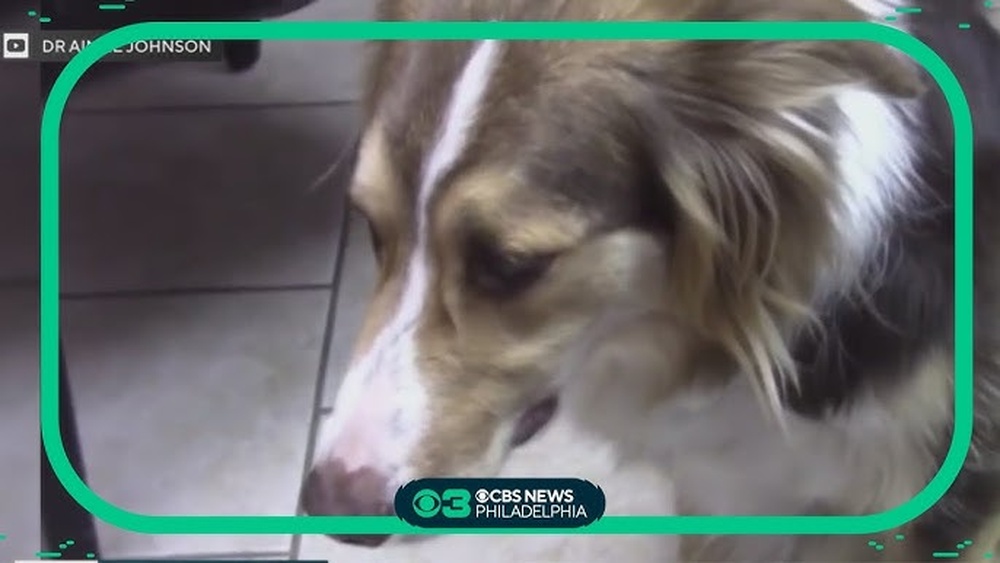
Have you ever watched your dog suddenly start making strange snorting or coughing sounds and wondered, “Is this normal?” If your furry friend is experiencing reverse coughing and sneezing, it can be alarming to see them struggle for breath or make unusual noises. But don’t panic just yet—understanding what’s happening can help you decide when to act and when to simply comfort your pet.
You’ll learn what dog reverse coughing and sneezing really mean, why they happen, and how to tell if your dog needs a vet’s attention. Keep reading to become the confident dog owner your pup deserves!

Credit: centralpetvet.com
Causes Of Reverse Coughing And Sneezing
Reverse coughing and sneezing in dogs can alarm pet owners. These episodes often look intense but have different causes. Understanding these causes helps in managing your dog’s health better. The reasons vary from simple irritants to more serious conditions.
Throat Irritants And Allergies
Throat irritants are common triggers of reverse coughing and sneezing. Dust, smoke, strong odors, and pollen can cause sudden throat irritation. Allergies also lead to inflammation and spasms in the throat. These reactions cause the dog to snort or gasp repeatedly. Usually, these episodes are brief and stop on their own.
Nasal Mites And Foreign Bodies
Nasal mites are tiny parasites that irritate the nasal passages. They cause sneezing fits and nasal discharge. Foreign bodies like grass seeds or small objects can get stuck in the nose or throat. This blockage leads to reverse sneezing as the dog tries to clear the airway. Immediate veterinary care is often needed to remove these objects.
Respiratory Infections
Infections in the respiratory tract often cause coughing and sneezing. Viruses and bacteria inflame the airways and throat. Dogs may show additional signs like nasal discharge, fever, or lethargy. These infections sometimes trigger episodes of reverse coughing or sneezing. A vet’s diagnosis and treatment are important to prevent complications.
Tracheal Collapse Vs Reverse Sneezing
Tracheal collapse affects the windpipe, making breathing noisy and difficult. It causes a harsh, continuous cough that sounds like honking. Reverse sneezing involves quick, forceful inhalations with a snorting sound. It usually stops within seconds and is less serious. Unlike tracheal collapse, reverse sneezing does not cause long-term breathing trouble. Knowing the difference helps in seeking the right care.

Credit: www.youtube.com
Symptoms To Watch For
Recognizing the symptoms of reverse coughing and sneezing in dogs helps owners respond quickly. These episodes can seem alarming but often are harmless. Watching closely can tell if your dog needs a vet visit.
Sound Characteristics
Reverse sneezing sounds like a snorting or honking noise. It is a rapid, forceful inhalation through the nose. Unlike a regular cough, the sound is sharp and sudden. Sneezing usually has a softer, more nasal tone. These sounds repeat in quick bursts during an episode.
Physical Behavior During Episodes
Dogs may stand still with their neck stretched out. Their chest might move rapidly as they try to breathe in. Some dogs paw at their face or rub their nose on furniture. The eyes may water, and the dog looks uncomfortable but alert. There is no collapse or loss of consciousness.
Duration And Frequency
Each episode often lasts less than a minute. Episodes may happen a few times a day or less. Frequent or long-lasting episodes require veterinary attention. Most dogs recover quickly and return to normal activity. Note if episodes increase in length or frequency over days.
Signs Of Serious Respiratory Issues
Look for persistent coughing or difficulty breathing. Wheezing, blue gums, or collapse are emergency signs. Nasal discharge with blood or pus needs immediate care. If your dog shows weakness or loss of appetite, call your vet. These signs suggest more serious problems than reverse sneezing.
Differentiating Reverse Sneezing From Coughing
Understanding the difference between reverse sneezing and coughing in dogs is important for pet owners. Both can sound alarming but have different causes and treatments. Reverse sneezing is a quick, repeated inhalation that can look like choking. Coughing is usually a forceful exhalation that clears the throat or airways. Recognizing these signs helps in responding appropriately to your dog’s needs.
Inhalation Vs Exhalation Sounds
Reverse sneezing happens during inhalation. You hear snorting or sucking air in quickly. It sounds like your dog is struggling to breathe but is usually harmless. Coughing occurs on exhalation. It is a sharp, forceful sound as your dog pushes air out. Coughing may indicate irritation or illness in the lungs or throat.
Common Triggers
Reverse sneezing often starts from throat irritation. Dust, pollen, smoke, or strong odors can cause it. Allergies and nasal mites also trigger reverse sneezing. Coughing can be caused by infections, heart problems, or a collapsed trachea. Foreign objects stuck in the throat may cause coughing as well.
Breed Susceptibility
Small and toy breeds are more prone to reverse sneezing. Breeds like Chihuahuas, Pugs, and Bulldogs often show this behavior. Coughing can affect any breed but is common in dogs with narrow windpipes. Breeds such as Yorkshire Terriers and Dachshunds have higher risk of tracheal issues causing cough.
When To Seek Veterinary Care
Reverse sneezing usually ends quickly and does not need treatment. Seek vet care if episodes are frequent or last long. Coughing that persists, worsens, or comes with other symptoms needs veterinary attention. Difficulty breathing, lethargy, or loss of appetite are signs to see a vet soon.
Home Remedies And Immediate Care
When your dog experiences reverse coughing or sneezing, quick and gentle care can help ease their discomfort. Home remedies focus on calming your dog and reducing irritation in their nose and throat. Making simple changes in your dog’s environment can also lower the chances of these episodes happening again.
Calming Your Dog
Stay calm and speak softly to your dog during an episode. Gently pet or hold them to offer comfort. Encourage slow, steady breathing by softly covering their nostrils for a second or two. This can help stop the reverse sneezing. Avoid sudden movements or loud noises that might stress your dog further.
Nasal And Throat Irritation Relief
Use a humidifier in the room to moisten the air and soothe irritated airways. A warm, damp towel held near your dog’s nose can help clear mucus and ease irritation. Keep your dog’s nose clean by wiping it gently with a soft cloth. Avoid strong scents or sprays around your dog that might trigger coughing or sneezing.
Environmental Changes To Reduce Triggers
Remove dust, smoke, and strong odors from your dog’s living area. Keep your home free of pollen and other allergens by cleaning regularly. Avoid using harsh cleaning products or air fresheners near your dog. Provide fresh water and a clean, comfortable space where your dog feels safe and relaxed.
Veterinary Treatments And Management
Veterinary treatments and management play a key role in addressing dog reverse coughing and sneezing. Proper care helps reduce discomfort and prevents complications. Vets use various methods to find the cause and provide relief. Treatment depends on the underlying issue and severity of symptoms. Understanding these options helps pet owners make informed decisions for their dogs’ health.
Diagnosis Procedures
Veterinarians start with a detailed physical exam. They listen to the dog’s breathing and check the throat and nose. X-rays help see the trachea and lungs clearly. Sometimes, blood tests check for infections or allergies. In some cases, an endoscope lets vets look inside the airway. Accurate diagnosis guides the correct treatment plan.
Medications And Therapies
Medications often include anti-inflammatory drugs to reduce throat irritation. Cough suppressants may help if coughing is severe. Antibiotics are given if a bacterial infection is present. Allergy treatments help control reactions that cause sneezing. Vets may recommend humidifiers to ease breathing. Therapy focuses on comfort and reducing symptoms.
Surgical Options For Tracheal Issues
Surgery may be needed if the trachea is collapsed or damaged. Procedures strengthen or support the weakened windpipe. Vets use rings or prosthetics to keep the airway open. Surgery is more common in small dog breeds prone to tracheal collapse. Post-surgery care is crucial for full recovery and to avoid complications.
Long-term Care Strategies
Managing chronic conditions requires ongoing attention. Avoiding triggers like smoke and dust helps reduce episodes. Weight control is important to lower pressure on the airway. Regular vet checkups monitor progress and adjust treatments. Owners should watch for changes in coughing or sneezing patterns. Long-term care improves quality of life for affected dogs.

Credit: www.dupontvet.com
Preventing Reverse Coughing And Sneezing
Preventing reverse coughing and sneezing in dogs helps keep them comfortable and healthy. These episodes often happen due to irritation or allergies. Simple steps can reduce their frequency and severity. Understanding how to manage your dog’s environment and health plays a key role. Consistent care lowers risks and supports your dog’s well-being.
Allergy Management
Identify common allergens that affect your dog. Keep your home clean to reduce dust and pollen. Use hypoallergenic dog food if your vet suggests it. Bathing your dog regularly removes allergens from their fur. Monitor your dog for signs of allergies, like itching or sneezing. Consult your vet for allergy testing and treatment options.
Avoiding Environmental Irritants
Limit exposure to smoke, strong odors, and dust. Avoid areas with heavy pollution or construction dust. Use air purifiers to improve indoor air quality. Keep your dog away from scented candles and cleaning sprays. Remove plants that produce strong pollen or scents. Regularly wash your dog’s bedding to remove irritants.
Regular Health Check-ups
Schedule routine vet visits to catch problems early. Discuss any coughing or sneezing episodes with your vet. Early diagnosis helps prevent complications from underlying issues. Keep vaccinations and parasite control up to date. Regular dental care can reduce throat irritation. Follow your vet’s advice for ongoing health maintenance.
Frequently Asked Questions
Why Is My Dog Sneezing And Reverse Coughing?
Your dog sneezes and reverse coughs due to throat irritation from dust, pollen, allergies, or foreign objects. These episodes are usually brief and harmless but consult a vet if frequent or severe.
How Do You Tell The Difference Between Reverse Sneezing And Collapsed Trachea?
Reverse sneezing causes rapid, noisy inhaling with neck extension and brief episodes. Collapsed trachea triggers a persistent, harsh honking cough during exhaling and worsens over time. Reverse sneezing is usually harmless; tracheal collapse needs veterinary care, especially in small breeds.
How To Fix A Reverse Sneeze For A Dog?
Gently massage your dog’s throat to stop reverse sneezing. Calm your dog and offer water. Avoid irritants like dust or smoke. Most episodes end quickly without treatment. Consult a vet if episodes increase or last long.
Is Reverse Sneezing In Dogs Congestive Heart Failure?
Reverse sneezing in dogs is not congestive heart failure. It’s a harmless reflex from throat irritation. Congestive heart failure causes coughing and breathing difficulty, needing veterinary care.
Conclusion
Understanding your dog’s reverse coughing and sneezing helps ease your worry. These episodes often look scary but usually stop quickly on their own. Keep an eye on how often they happen and if your dog acts normal afterward. If the sneezing or coughing lasts long or gets worse, a vet visit is important.
Simple steps like removing irritants can reduce these episodes. Always stay calm and observe your dog closely. Healthy pets bring happy homes.