If your dog has been scratching their ears more than usual or shaking their head nonstop, ear mites might be the hidden cause. These tiny pests can cause a lot of discomfort for your furry friend, leading to itching, inflammation, and even infections if left untreated.
You want to help your dog feel better fast, but with so many treatment options out there, it’s easy to feel overwhelmed or unsure what really works. In this guide, you’ll discover clear, simple steps on how to treat ear mites in dogs effectively.
From home remedies you can try safely to when it’s crucial to seek professional veterinary care, you’ll learn exactly what your dog needs to get relief and stay healthy. Keep reading to protect your dog’s ears and bring back their happy, itch-free tail wags!
Symptoms Of Ear Mites
Ear mites are tiny parasites that affect dogs’ ears. They cause discomfort and can lead to infections if untreated. Knowing the symptoms helps catch the problem early. Early detection means quicker relief for your dog. Watch for physical signs and changes in behavior. Be aware of common misdiagnoses to avoid delays in treatment.
Physical Signs
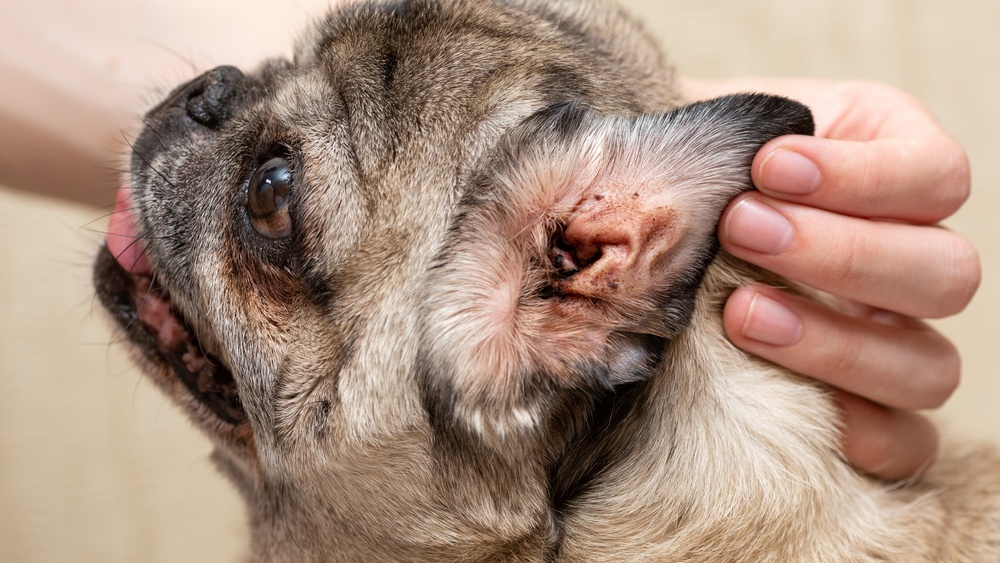
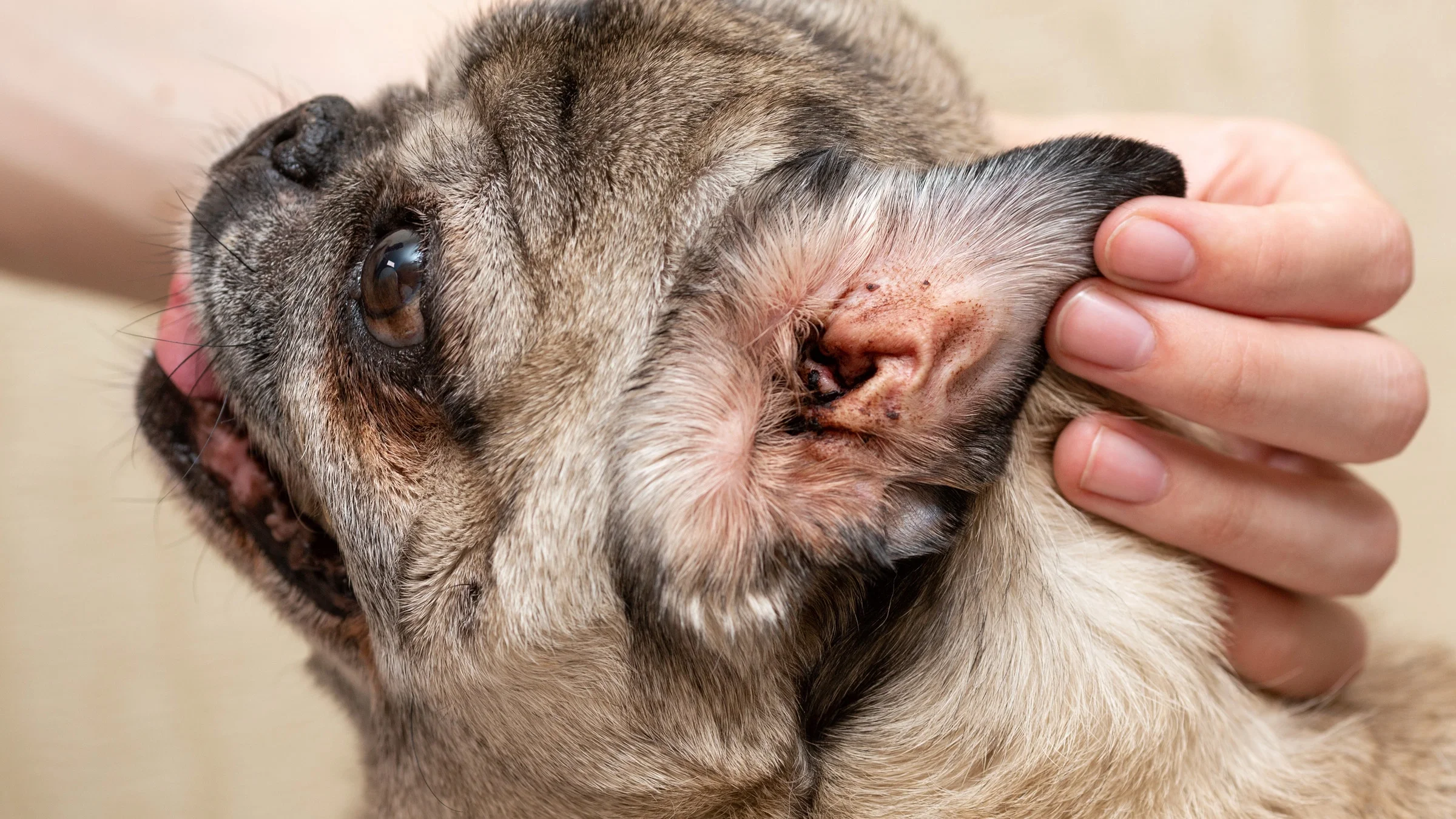
Dogs with ear mites often have dark, crumbly debris in their ears. This looks like coffee grounds. Their ears may appear red and inflamed. Swelling can occur around the ear canal. Some dogs develop a bad odor from their ears. Scratching and head shaking are frequent. Hair loss around the ears is common too.
Behavioral Changes
Dogs with ear mites become restless and irritable. They may scratch their ears more than usual. Shaking their heads can happen often. Some dogs tilt their heads to one side. Sleep disturbances may appear due to discomfort. Dogs might avoid being touched near their ears. These changes show your dog is in pain or itchy.
Common Misdiagnoses
Ear mites symptoms often look like ear infections. Allergies can cause similar ear redness and itching. Yeast or bacterial infections are mistaken for mite problems. Sometimes, ear tumors cause swelling like mites do. Misdiagnosis delays proper treatment. Seeing a vet for accurate diagnosis is crucial.
Credit: www.goodrx.com
Causes And Transmission
Understanding the causes and transmission of ear mites in dogs is key to effective treatment. Ear mites are tiny parasites that live in the ear canal. They cause itching, irritation, and can lead to infections if untreated. Knowing how these mites spread helps prevent reinfection and protects other pets.
How Dogs Get Infected
Dogs get infected by direct contact with other animals carrying ear mites. The mites crawl from one ear to another during close interactions. Puppies are especially vulnerable because their immune systems are not fully developed. Stray or outdoor dogs have a higher chance of catching ear mites due to frequent contact with infected animals.
Contagion Among Pets
Ear mites spread quickly between pets living in the same household. Sharing bedding, toys, or grooming tools can transfer mites. Cats and rabbits can also carry ear mites and pass them to dogs. It is important to treat all pets in the home at the same time to stop the cycle of infection.
Environmental Factors
Ear mites survive in warm and humid environments. Dirty or damp living areas increase the risk of infestation. Regular cleaning of your dog’s bedding and living space reduces the chance of mites surviving outside the ears. Avoid overcrowded shelters or kennels where mites can spread easily among animals.
Home Remedies For Ear Mites
Home remedies for ear mites in dogs can provide gentle relief and help manage mild cases. Using natural ingredients at home may soothe your dog’s irritated ears and reduce mite populations. These methods work best alongside proper veterinary care.
Oils To Soothe And Smother Mites
Oils like olive oil and coconut oil can help smother ear mites. Apply a few drops gently into the ear canal. These oils soften the ear wax and debris, making it easier to clean. They also calm inflammation and reduce itching. Use a cotton ball to wipe away softened debris carefully after application. Mineral oil is another option but use it sparingly.
Herbal Options
Some herbs have natural antiseptic and anti-parasitic properties. Garlic oil, made by infusing garlic in olive oil overnight, can help kill mites. Green tea is soothing and may reduce irritation when cooled and applied with a cotton ball. Avoid using essential oils like tea tree oil, which are toxic to dogs. Stick to mild, safe herbal remedies only.
Safe Application Tips
Always check your dog’s ears for damage before applying any remedy. Avoid using harsh substances like alcohol, hydrogen peroxide, or undiluted vinegar. These can hurt sensitive ear tissue and worsen symptoms. Use clean cotton balls or swabs and apply oils gently. Never force anything deep into the ear canal. Stop treatment if your dog shows pain or discomfort and consult your vet immediately.
Treatments To Avoid
Not all treatments for ear mites in dogs are safe. Some can harm your pet or make the problem worse. Avoiding these treatments is important to protect your dog’s health. This section highlights the treatments you should never use.
Harmful Chemicals
Chemicals like alcohol and hydrogen peroxide cause pain in the ear. They damage the sensitive skin inside the ear canal. Using these can lead to redness, swelling, and even infections. Avoid these harsh substances to keep your dog safe.
Toxic Essential Oils
Some essential oils, such as tea tree oil, are toxic to dogs. They can cause skin irritation, breathing problems, or worse. Never apply undiluted essential oils to your dog’s ears. These oils do not kill mites safely and can harm your pet.
Risks Of Diy Solutions
Homemade remedies may seem natural but often lack proper testing. Using vinegar, garlic oil, or other home mixtures can irritate the ear. Some DIY treatments trap moisture, worsening mite infections. Always consult a vet before trying home cures.
Veterinary Treatments
Veterinary treatments provide the most reliable way to eliminate ear mites in dogs. A vet can confirm the diagnosis and offer targeted care. Their expertise ensures the treatment is safe and effective, reducing the risk of complications. Professional care also helps prevent the mites from spreading or causing further damage to your dog’s ears.
Diagnostic Procedures
The vet begins with a thorough ear examination. They use an otoscope to look deep inside the ear canal. This tool helps detect mites, debris, and signs of infection. Sometimes, the vet collects a sample of ear debris. They examine this under a microscope to identify mites clearly. Accurate diagnosis ensures the right treatment plan.
Prescription Medications
Veterinarians prescribe medications that kill ear mites quickly. These can include topical ointments, ear drops, or oral drugs. Many treatments contain ingredients that soothe inflammation and fight secondary infections. It is important to follow the vet’s instructions carefully. Using the full course of medication prevents mites from returning.
Follow-up Care
After initial treatment, the vet schedules follow-up visits. These check if the mites are fully gone and the ears are healing well. The vet may clean the ears during these visits to remove any leftover debris. They also advise on keeping your dog’s ears dry and clean. Proper follow-up care helps maintain ear health and avoid future infestations.
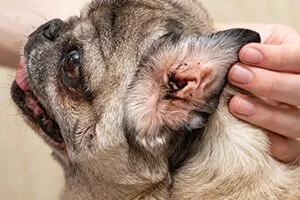
Credit: bayshore-vet.com
Preventing Ear Mites
Preventing ear mites in dogs is easier than treating an infestation. Keeping your dog’s ears clean and healthy helps stop mites from taking hold. Simple care routines protect your pet and reduce the chance of infections.
Regular Ear Cleaning
Clean your dog’s ears often using a vet-approved ear cleaner. Use a soft cloth or cotton ball to wipe inside the ear gently. Avoid using cotton swabs that can push debris deeper or damage the ear canal. Regular cleaning removes dirt and excess wax where mites thrive. Check ears for redness, odor, or discharge that may signal mites or infections.
Pet Hygiene Practices
Keep your dog’s bedding and toys clean to reduce mite risks. Wash bedding weekly in hot water to kill parasites. Groom your dog regularly to remove dirt and loose fur. Bathing with a mild shampoo helps maintain healthy skin and ears. Avoid sharing grooming tools between pets to prevent mite transfer. Good hygiene supports your dog’s overall health and comfort.
Managing Exposure Risks
Limit your dog’s contact with other animals that may carry ear mites. Avoid areas with many stray or wild animals. Monitor your dog’s interactions during walks or playdates. Quarantine new pets until a vet checks for mites or infections. Mites spread easily through close contact, so managing exposure reduces chances of infestation. Stay alert to early signs of ear problems for quick action.
Treating All Pets Together
Treating ear mites in dogs requires attention to all pets in the home. Ear mites spread easily from one animal to another. Treating only the affected dog can lead to reinfection. Every pet must receive treatment to stop the cycle of mites. This approach helps protect your entire family of pets.
Why Treat Every Animal
Ear mites are highly contagious among pets. Cats, dogs, and other animals can carry mites without showing symptoms. Untreated animals become a source of reinfection. Treating every pet stops the mites from spreading. It also helps pets recover faster and stay healthy.
Household Cleaning Tips
Ear mites can live in your home environment. Clean pet bedding, blankets, and toys regularly. Use hot water to wash items and dry them on high heat. Vacuum floors, carpets, and furniture to remove mites and eggs. Dispose of vacuum bags or clean canisters after use. Clean pet carriers and crates as well.
Monitoring For Recurrence
After treatment, watch all pets closely for signs of mites. Scratching, head shaking, and dark ear debris may return. Check pets’ ears weekly for several weeks. If symptoms reappear, consult your veterinarian promptly. Early detection prevents a full outbreak and keeps pets comfortable.

Credit: www.youtube.com
Frequently Asked Questions
How To Treat Ear Mites In Dogs At Home?
Apply olive or coconut oil drops to soften debris and smother mites. Gently clean ears with a cotton ball. Avoid alcohol, hydrogen peroxide, or vinegar, which harm ears. Treat all pets to prevent spread. Consult a vet to confirm diagnosis and get effective medication.
Can You Treat Ear Mites Without Going To The Vet?
You can try home remedies like olive or coconut oil to soothe ears and smother mites. Veterinary diagnosis and treatment ensure faster, safer results. Untreated mites risk infections and spread. Always consult a vet to confirm ear mites and avoid harmful substances.
What Is The Fastest Way To Get Rid Of Ear Mites?
The fastest way to get rid of ear mites is using vet-prescribed medication. Clean ears gently and treat all pets to prevent reinfestation. Avoid harmful home remedies like alcohol or hydrogen peroxide. Always consult a vet for accurate diagnosis and safe, effective treatment.
Should I Clean My Dog’s Ears If He Has Ear Mites?
Clean your dog’s ears gently to remove debris if he has ear mites. Use vet-approved treatments to avoid irritation and infection. Avoid harsh chemicals. Consult a veterinarian for proper diagnosis and effective medication to eliminate mites safely.
Conclusion
Treating ear mites in dogs requires care and attention. Use vet-recommended medicines for quick relief. Clean your dog’s ears gently and regularly. Treat all pets in the home to stop spread. Avoid harsh chemicals that can hurt your dog. Early treatment helps prevent pain and infections.
Watch your dog for signs of mites often. Healthy ears keep your dog happy and comfortable. Regular vet visits ensure your pet stays mite-free. Taking these steps protects your dog’s health effectively.