Is your dog vomiting yellow foam and you’re not sure what to do? Seeing your furry friend sick is upsetting, but you don’t always need to rush to the vet immediately.
Yellow foam usually means your dog’s stomach is empty and can signal mild irritation or something more serious. You want to help your dog feel better quickly and safely, right? You’ll learn simple, effective home treatments to ease your dog’s discomfort and when it’s crucial to seek professional help.
Keep reading to discover easy steps you can take at home to care for your dog and protect their health.
Causes Of Yellow Foam Vomiting
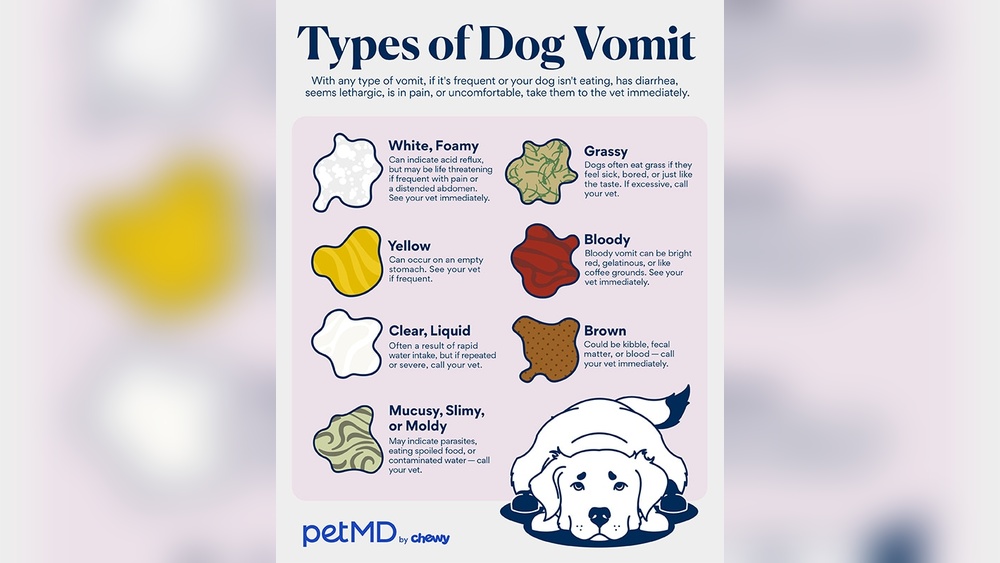
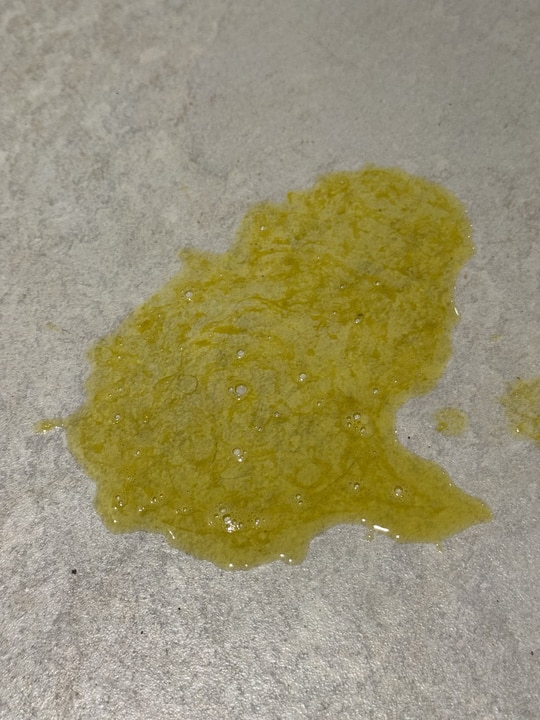
Yellow foam vomiting in dogs often signals an underlying issue with their digestive system. Understanding the causes helps pet owners provide better care at home. This symptom occurs due to different reasons, ranging from simple stomach irritation to serious health problems. Paying attention to your dog’s behavior and vomiting patterns is crucial for timely action.
Bile Irritation
Bile is a digestive fluid produced by the liver. It helps break down fats in the intestine. Sometimes, bile irritates the stomach lining, causing yellow foam vomiting. This usually happens when bile backs up into the stomach. Dogs may vomit yellow foam after long periods without eating.
Empty Stomach
An empty stomach can cause dogs to vomit yellow foam. When dogs go too long without food, bile builds up and irritates the stomach. This leads to foamy, yellow vomit. Feeding smaller, frequent meals can reduce this problem. Keeping a regular feeding schedule supports healthy digestion.
Digestive Upset
Digestive upset from mild stomach infections or food intolerance can cause yellow foam vomiting. Changes in diet or eating spoiled food may trigger this. Dogs might also vomit if their stomach is upset from stress or anxiety. Observing diet and environment can help prevent digestive issues.
Toxins And Foreign Objects
Ingesting toxins or foreign objects can cause severe vomiting, including yellow foam. Poisonous plants, chemicals, or sharp objects irritate the stomach and intestines. This situation is dangerous and requires immediate veterinary care. Watch for other signs like weakness or diarrhea if you suspect poisoning.
Credit: www.petmd.com
Initial Care Steps
When a dog vomits yellow foam, immediate care at home is crucial. These initial steps help ease discomfort and prevent worsening. Act quickly but calmly to support your pet’s recovery. Focus on hydration, symptom observation, and stomach rest.
Hydration Tips
Offer small amounts of water frequently. Use a spoon or syringe to give a few teaspoons every 10 to 15 minutes. Ice cubes can also help if your dog refuses water. Stop giving fluids if vomiting returns. Keep water fresh and easily accessible.
Monitoring Symptoms
Watch your dog closely after vomiting. Check for signs like lethargy, diarrhea, or continued vomiting. Note changes in behavior or appetite. Observe the vomit’s color and frequency. Record these details to inform your vet if needed.
Resting The Stomach
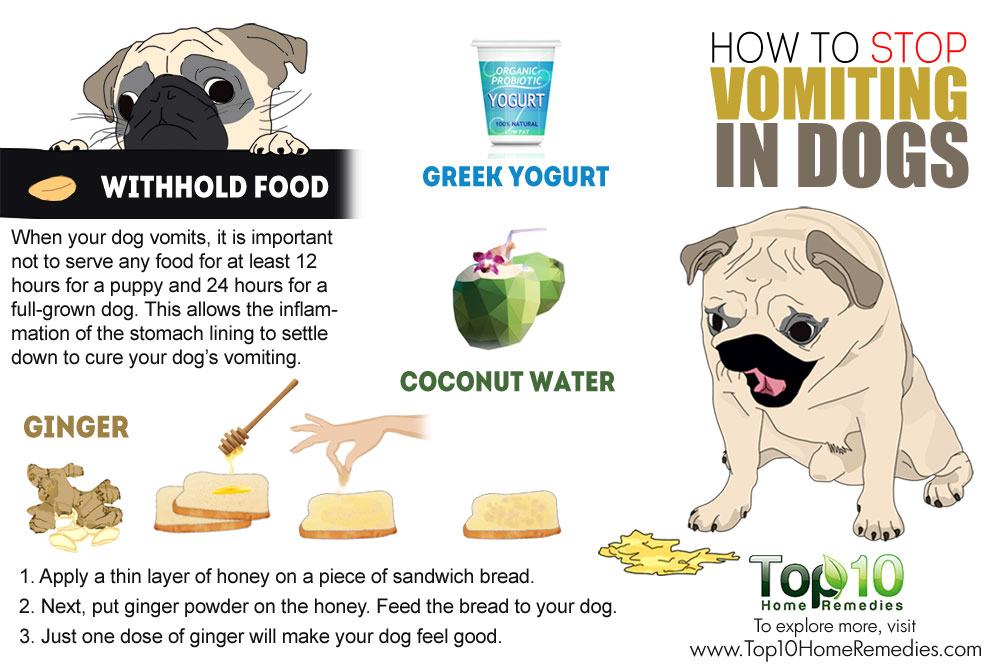
Remove food for at least 8 to 12 hours to let the stomach settle. Do not starve your dog longer than 24 hours. After fasting, introduce a bland diet slowly. Small meals of boiled chicken and rice work well. Avoid treats and heavy food until your dog improves.
Food And Diet Adjustments
Adjusting your dog’s food and diet plays a key role in treating yellow foam vomiting at home. Simple diet changes can soothe the stomach and help your dog recover faster. Careful feeding prevents further irritation and supports healing.
Fasting Period
Start by withholding food for about 12 hours. This fasting allows your dog’s stomach to rest and heal. Offer small sips of water during this time to keep them hydrated. Avoid giving large amounts of water at once to prevent vomiting.
Introducing Bland Foods
After fasting, introduce bland foods slowly. Use boiled, skinless chicken or lean ground meat mixed with plain white rice. These foods are gentle on the stomach and easy to digest. Feed small portions every few hours, watching for any vomiting or discomfort.
Using Probiotics
Probiotics help restore healthy bacteria in your dog’s gut. Choose a vet-approved probiotic supplement for best results. Probiotics can reduce nausea and improve digestion. Add them to your dog’s bland diet to support faster recovery.
Home Remedies To Try
When your dog vomits yellow foam, it often means their stomach is empty and irritated. You can try simple home remedies to help soothe their stomach and reduce vomiting. These treatments support recovery and comfort your dog during upset stomach episodes.
Always watch your dog closely. If vomiting continues or worsens, contact your vet promptly. Here are some gentle remedies you can try at home.
Small Water Intake
Give your dog small amounts of water frequently. Offer just a few tablespoons every 30 to 60 minutes. This prevents dehydration without upsetting their stomach. Avoid letting your dog gulp large amounts at once. Small sips help keep fluids down and calm the stomach lining.
Ice Cube Licking
Let your dog lick ice cubes slowly. This method hydrates without causing sudden stomach upset. Ice cubes melt slowly and are easier to tolerate than water. Licking ice also soothes inflammation inside the mouth and throat. Offer this in short sessions to avoid triggering more vomiting.
Boiled Chicken And Rice
After a short fast, feed a bland diet of boiled chicken and rice. Use skinless, boneless chicken boiled until tender. Mix it with plain white rice cooked soft. This easy-to-digest meal helps settle the stomach and provides gentle nutrition. Serve small portions multiple times a day to avoid overload.
Signs To Seek Emergency Care
Not all cases of a dog vomiting yellow foam require emergency care. Yet, some signs demand immediate veterinary attention. Recognizing these signs early can save your dog’s life. Watch carefully for symptoms that indicate severe health risks.
Blood In Vomit
Blood in your dog’s vomit is a serious warning. It may signal internal injury or bleeding in the stomach. This condition needs urgent medical care to prevent further harm.
Extreme Lethargy
If your dog is unusually weak or unwilling to move, it is alarming. Extreme lethargy shows the body is struggling. Immediate vet intervention is crucial to find the cause and provide treatment.
Abdominal Bloating
A swollen or hard belly can indicate dangerous bloating or gastric torsion. This condition cuts blood flow and can be fatal quickly. Emergency treatment is necessary to relieve pressure and save your dog.
Toxin Ingestion
Vomiting yellow foam may follow swallowing poison or harmful substances. Signs include drooling, shaking, or difficulty breathing. Call your veterinarian immediately for instructions on how to proceed safely.
Credit: everestkitchennc.com
When To Contact Your Vet
Knowing when to contact your vet is vital if your dog vomits yellow foam. Some cases need quick professional help. Other times, mild symptoms can be managed at home. Watching your dog closely helps decide the best action. Look for signs that show worsening health or unusual behavior. Acting early can prevent serious problems.
Mild Vomiting With Diarrhea
Mild vomiting paired with diarrhea can mean a simple stomach upset. Keep your dog hydrated by offering small amounts of water often. If symptoms last more than 24 hours or get worse, call your vet. Persistent diarrhea and vomiting can cause dehydration quickly. Your vet can suggest safe treatments or tests.
Vomiting On New Medication
Vomiting after starting new medication needs attention. Some drugs cause nausea as a side effect. Stop the medication only after talking to your vet. They might adjust the dose or switch to a different medicine. If vomiting is severe or your dog acts weak, seek vet care immediately.
Repeated Vomiting Episodes
Repeated vomiting episodes signal a deeper issue. Vomiting yellow foam several times in a short time is worrying. It might mean bile reflux or an empty stomach problem. Do not delay vet consultation if vomiting is frequent. Your vet will diagnose and treat the root cause properly.
What To Avoid At Home
When treating a dog vomiting yellow foam at home, some actions can worsen the condition. Avoid these common mistakes to keep your dog safe and comfortable. These simple precautions help prevent further irritation and complications.
Force-feeding Water
Never force your dog to drink water after vomiting. This can cause choking or fluid in the lungs. Instead, offer small sips or ice cubes to lick. Allow your dog to drink slowly and rest between attempts.
Sudden Diet Changes
Abruptly changing your dog’s diet can upset its stomach more. Avoid giving rich or fatty foods. Stick to bland meals like boiled chicken and rice until the vomiting stops. Gradually reintroduce regular food over several days.
Human Medications
Do not give your dog human medicines like Pepto Bismol without a vet’s advice. Dosages differ and some drugs are unsafe for dogs. Only use medications prescribed or recommended by a veterinarian to avoid harm.
Monitoring And Follow-up
Careful monitoring and regular follow-up are essential when treating a dog vomiting yellow foam at home. Tracking your dog’s condition helps catch any worsening symptoms early. It also guides your next steps to ensure your pet stays safe and comfortable.
Frequency Of Vomiting
Note how often your dog vomits the yellow foam. Frequent vomiting can signal a more serious problem. Keep a log of the times and amounts. This record helps your vet understand the issue better if you need professional care.
Behavioral Changes
Watch for changes in your dog’s behavior. Look for signs like lethargy, restlessness, or hiding. These changes may show that your dog is in distress or pain. Alert your vet if you notice any unusual behavior that lasts more than a few hours.
Hydration Status
Check if your dog stays hydrated during treatment. Dehydration is common with vomiting and can be dangerous. Offer small amounts of water frequently. Signs of dehydration include dry gums, sunken eyes, and weakness. Contact a vet if hydration worsens.

Credit: www.david-chappell.com
Frequently Asked Questions
What Can I Give My Dog For Vomiting Yellow Foam?
Offer small sips of water or ice cubes every hour to prevent dehydration. After 1-2 hours without vomiting, feed bland food like boiled chicken and rice. Avoid sudden diet changes and human medications. Consult a vet if vomiting persists, contains blood, or your dog shows lethargy or bloating.
What Home Remedy Can I Give My Dog For Vomiting?
Offer small amounts of water or ice cubes every hour. After fasting, feed boiled chicken with white rice. Avoid human medications and sudden diet changes. Monitor for dehydration or worsening symptoms. Consult a vet if vomiting persists or includes blood, lethargy, or bloating.
How Many Times Should A Dog Throw Up Before Going To Vet?
Take your dog to the vet if it vomits more than twice within a few hours or shows other symptoms like lethargy, blood, or bloating.
Why Does My Dog Puke Yellow Liquid But Acting Normal?
Yellow liquid vomit usually indicates bile from an empty stomach. Dogs acting normal often have mild irritation or hunger. Monitor closely, offer small water amounts, and feed a bland diet after fasting. Consult a vet if vomiting persists, worsens, or if other symptoms appear.
Conclusion
Treating your dog’s yellow foam vomiting at home starts with patience and care. Offer small amounts of water and watch for any changes. Avoid sudden food changes and human medicines without vet advice. Introduce bland foods slowly after vomiting stops.
Always note any worsening signs like blood or weakness. Acting quickly can prevent serious issues. Keep your dog comfortable and monitor closely. If symptoms persist or worsen, contact your veterinarian right away. Your dog’s health depends on careful observation and timely action.