Is your cat’s fur falling out more than usual? Seeing patches of hair loss on your feline friend can be worrying, and you might be wondering what’s causing it and how to help.
Hair fall in cats isn’t just a grooming issue—it could signal allergies, parasites, stress, or even health problems that need attention. But don’t worry, you’re not alone, and there are effective treatments that can bring back your cat’s shiny coat and comfort.
You’ll discover simple, practical ways to understand and treat your cat’s hair fall, so you can see your furry companion happy and healthy again. Keep reading to learn how you can take action today!
Causes Of Cat Hair Loss
Hair loss in cats can signal many health issues. Understanding the causes helps find the right treatment quickly. Cat hair fall may happen due to allergies, parasites, or even stress. Some causes come from inside the body. Others come from the environment. Identifying the root cause is key to stopping hair loss. Below are common reasons why cats lose hair.
Allergies And Irritants
Allergies cause itching and skin inflammation in cats. Food ingredients, pollen, dust, or flea bites can trigger reactions. Cats may scratch or lick their fur too much. This behavior leads to hair falling out. Household cleaners or perfumes may also irritate their skin. Allergy-related hair loss often shows as bald spots or redness.
Parasites And Infections
Parasites like fleas, mites, and ticks cause intense itching. These pests damage the skin and fur. Cats infected with ringworm or bacterial infections also lose hair. Parasite infestations cause constant scratching and biting. This behavior results in patches of missing fur. Treating parasites quickly helps stop further hair loss.
Stress And Behavioral Issues
Stress causes cats to groom excessively. Changes in routine, new pets, or loud noises can upset cats. Overgrooming pulls out fur and creates bald patches. Cats may lick or bite certain spots repeatedly. Behavioral hair loss needs patience and a calm environment. Reducing stress improves their coat health.
Hormonal Imbalances
Hormonal problems can cause hair loss in cats. Conditions like hyperthyroidism or low thyroid levels affect fur growth. Some cats lose hair due to adrenal gland disorders. Hormonal imbalances disrupt the normal hair cycle. A vet can diagnose these issues with blood tests. Treating the hormone problem helps restore the coat.
Nutritional Deficiencies
Poor diet weakens a cat’s skin and fur. Lack of essential vitamins and fatty acids causes dry skin. Cats with nutritional gaps shed more hair than usual. Feeding a balanced, high-quality diet supports healthy fur. Supplements may help if the cat lacks certain nutrients. Good nutrition is vital for fur regrowth.
Pain-related Overgrooming
Pain from injury or arthritis can cause hair loss. Cats lick sore areas to soothe discomfort. This licking removes fur and irritates the skin. Identifying painful spots helps manage this issue. Treating pain reduces overgrooming and fur loss. Regular vet checkups find hidden causes of pain.
Credit: fotoenigma.com
Symptoms To Watch For
Noticing early signs of hair fall in your cat helps catch problems fast. Watch your cat closely for unusual changes in its coat and skin. These symptoms often hint at underlying issues. Acting quickly can prevent worsening conditions and support your cat’s health.
Patchy Fur Loss
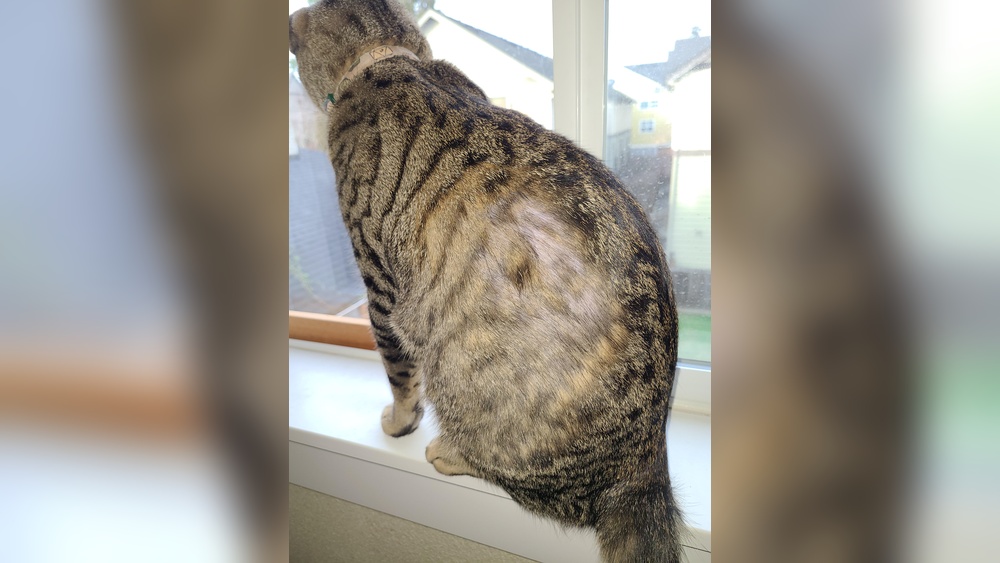
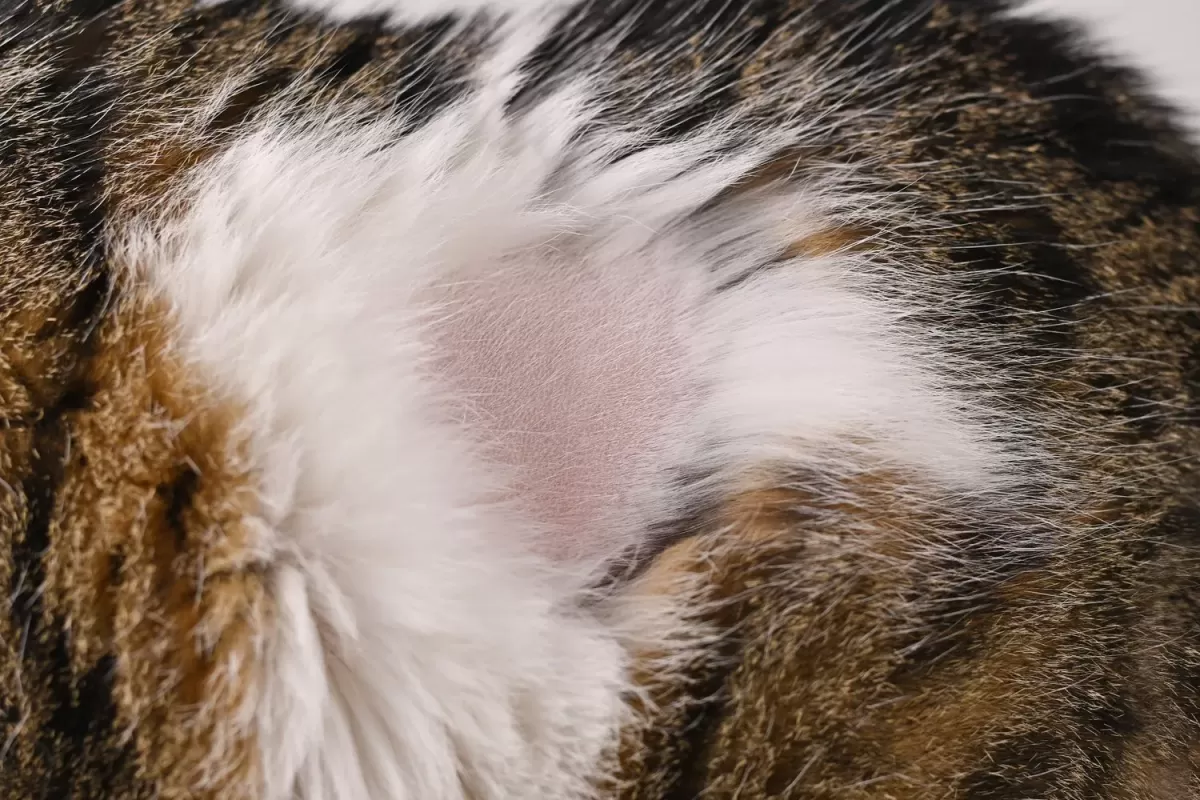
Patchy fur loss means bald spots or thin fur areas. It may appear suddenly or grow over time. This symptom often points to allergies, parasites, or infections. Check your cat’s body for uneven fur patterns regularly.
Excessive Scratching Or Licking
Scratching or licking more than usual can cause hair loss. Cats may do this to ease itchiness or discomfort. This behavior often signals fleas, mites, or skin allergies. Observe your cat’s habits to spot any increase in grooming.
Skin Redness And Scabs
Red, irritated skin or scabs show inflammation or wounds. These signs usually come from scratching or infections. Skin redness often means your cat is uncomfortable or in pain. Look closely for sores or crusty patches on its skin.
Changes In Behavior Or Energy
Your cat may act differently if feeling unwell. It might be less active, hide more, or lose interest in play. These changes often relate to discomfort or stress from skin problems. Notice shifts in mood or energy levels in your pet.
Veterinary Diagnosis
Proper veterinary diagnosis is key to effective cat hair fall treatment. It helps identify the root cause of hair loss. A vet uses several methods to examine your cat’s health and skin condition. These tests guide the right treatment plan to stop hair fall and promote fur regrowth.
Physical Examination
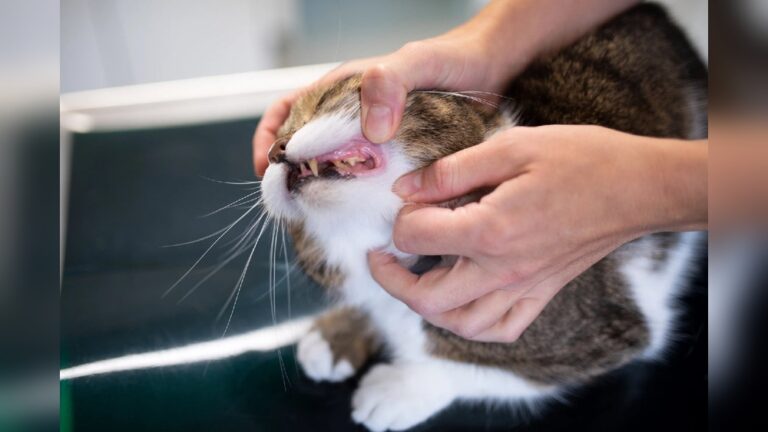
The vet begins with a thorough physical exam. They check your cat’s skin, fur, and overall health. They look for signs of redness, sores, or bald patches. This helps spot infections, parasites, or injuries. The vet also checks your cat’s behavior and grooming habits. This step gives clues about possible causes of hair loss.
Skin Scrapes And Tests
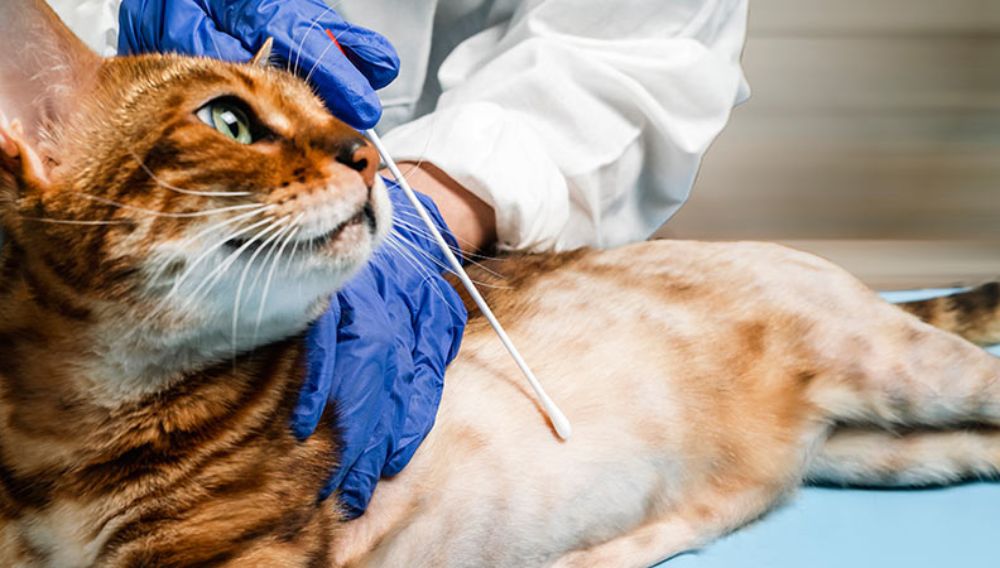
Skin scraping is a common test for hair fall issues. The vet gently scrapes the surface of the skin to collect samples. These samples help detect mites, fungi, or bacteria under a microscope. Other tests may include fungal cultures or allergy panels. These tests pinpoint infections or infestations causing hair loss.
Blood Work And Hormone Levels
Blood tests reveal internal health problems affecting hair growth. The vet checks for hormonal imbalances like thyroid issues or adrenal gland disorders. These conditions can cause patchy fur or thinning hair. Blood work also assesses organ function and immune status. This helps rule out diseases that may cause hair fall.
Allergy Testing
Allergies are a frequent cause of cat hair loss. Allergy testing identifies triggers like food, pollen, or flea bites. The vet may perform skin or blood allergy tests. Knowing the allergens helps create a treatment plan. Avoiding or managing allergens reduces itching and stops overgrooming. This protects your cat’s skin and fur health.
Credit: sigra.com
Home Care Tips
Caring for a cat with hair fall needs patience and gentle attention. Home care plays a big role in managing and reducing hair loss. Simple steps at home can improve your cat’s skin and coat health. These tips also help prevent further hair fall and keep your cat comfortable.
Regular Grooming Routine
Brush your cat daily to remove loose hair. Use a soft brush suited for your cat’s fur type. Regular grooming reduces shedding and prevents hair from matting. It also helps spot skin problems early. Make grooming a calm, pleasant time with gentle strokes. Reward your cat with treats or praise to build a positive habit.
Stress Reduction Strategies
Stress can cause cats to overgroom and lose hair. Create a quiet, safe space for your cat to relax. Keep a consistent daily routine to reduce anxiety. Play gently to help your cat release nervous energy. Avoid loud noises and sudden changes in the environment. Calm pets tend to have healthier skin and coats.
Environmental Enrichment
Provide toys and scratching posts to keep your cat active. A busy cat grooms less out of boredom or stress. Window perches let cats watch outside safely. Rotate toys regularly to keep interest high. A stimulated cat is happier and less likely to overgroom. Enrichment supports mental and physical health, reducing hair fall.
Diet Adjustments And Supplements
Feed a balanced diet with high-quality protein and essential nutrients. Omega-3 fatty acids help improve skin and coat condition. Discuss supplements with your vet before starting them. Proper nutrition strengthens hair follicles and reduces shedding. Fresh water should always be available to keep skin hydrated. Nutrition plays a key role in managing hair fall.
Medical Treatments
Medical treatments play a vital role in managing cat hair fall. These treatments target the root causes of hair loss. They help stop further shedding and promote regrowth. Consulting a veterinarian is essential to choose the right approach for your cat.
Flea And Parasite Control
Fleas and parasites cause severe itching and hair loss. Treating your cat with flea control products reduces irritation. These include topical treatments, oral medications, and collars. Parasite control also prevents infections caused by bites. Regular flea checks help keep your cat comfortable.
Medications For Infections
Bacterial and fungal infections often cause hair fall in cats. A vet may prescribe antibiotics or antifungal drugs. These medicines clear infections and soothe the skin. Early treatment prevents worsening of symptoms. Keep the treatment course complete for best results.
Hormone Therapy
Hormonal imbalances can trigger hair loss in cats. Thyroid or adrenal gland issues often cause this problem. Hormone therapy helps restore balance and improve coat health. Vets may use hormone replacement or regulation treatments. Regular monitoring ensures safe and effective therapy.
Anti-anxiety Remedies
Stress and anxiety lead to overgrooming and hair fall. Anti-anxiety treatments calm your cat and reduce excessive licking. Options include calming sprays, supplements, and prescribed medications. Creating a peaceful environment also supports recovery. These remedies improve your cat’s overall well-being.
Natural Remedies
Natural remedies offer gentle ways to reduce cat hair fall. They work by strengthening your cat’s coat and soothing irritated skin. These remedies avoid harsh chemicals. They support your cat’s health from inside out. Consistent care with natural products helps keep shedding under control.
Herbal Supplements
Herbal supplements like aloe vera and chamomile calm skin inflammation. They reduce itching that causes overgrooming. Milk thistle supports liver health, which affects coat quality. These herbs come in safe doses for cats. Always check with your vet before starting supplements.
Essential Oils And Baths
Essential oils such as lavender and cedarwood soothe skin and repel parasites. Diluted oils can be added to baths or sprays. Baths with oatmeal or baking soda relieve dry, itchy skin. Regular gentle baths wash away allergens and loose hair. Avoid oils toxic to cats like tea tree or eucalyptus.
Balanced Nutrition Plans
Balanced diets rich in omega-3 and omega-6 fatty acids improve coat shine. High-quality proteins help hair grow strong and healthy. Vitamins like E and biotin support skin repair and hair growth. Fresh water and proper feeding schedules keep cats hydrated and nourished. Consult your vet for diet plans tailored to your cat’s needs.
Preventing Future Hair Loss
Preventing future hair loss in cats is essential for their overall health and comfort. Consistent care and attention help keep their coat thick and shiny. Small daily actions can make a big difference in stopping hair fall before it starts.
Routine Vet Checkups
Regular visits to the vet catch problems early. Vets check for skin infections, allergies, and other health issues. Early treatment prevents hair loss from worsening. Schedule checkups at least twice a year. Keep vaccinations and parasite treatments up to date.
Maintaining A Healthy Diet
A balanced diet supports strong, healthy fur. High-quality cat food with essential nutrients helps reduce shedding. Omega-3 and omega-6 fatty acids improve skin and coat health. Avoid feeding low-quality or expired food. Fresh water should always be available.
Regular Parasite Control
Parasites like fleas and mites irritate your cat’s skin. This irritation leads to scratching and hair loss. Use vet-approved parasite control products regularly. Check your cat’s fur often for signs of pests. Clean their bedding and living area frequently.
Monitoring Stress Levels
Stress causes cats to groom excessively, leading to hair loss. Keep your cat’s environment calm and safe. Provide hiding spots and quiet areas for relaxation. Play and interact with your cat daily to reduce anxiety. Watch for changes in behavior or appetite.
Credit: www.holistapet.com
Frequently Asked Questions
How Do I Stop My Cat’s Hair From Falling Out?
Brush your cat daily to reduce shedding and promote healthy fur. Provide a balanced diet and regular vet check-ups. Address allergies, parasites, or stress promptly. Keep grooming pleasant with treats and praise to encourage cooperation. Regular care helps minimize hair loss effectively.
What Causes An Indoor Cat To Lose Hair?
Indoor cats lose hair due to allergies, parasites, stress-induced overgrooming, fungal infections, hormonal imbalances, nutritional deficiencies, or underlying pain. Overgrooming from itchiness or anxiety causes most cases. Consult a vet for accurate diagnosis and treatment options.
Why Is My Cat Having So Much Hair Fall?
Your cat’s hair fall may result from allergies, parasites, stress, fungal infections, hormonal imbalances, poor diet, or pain. Excessive licking and scratching often worsen shedding. Consult a vet promptly to identify and treat the underlying cause effectively. Regular grooming can also reduce hair loss.
Why Is My Cat Losing Hair On Their Back?
Cats lose hair on their back due to allergies, parasites, stress, fungal infections, hormonal imbalances, or nutritional deficiencies. Excessive licking or scratching often causes hair loss. Visit a vet to diagnose and treat the specific cause promptly for healthy skin and coat.
Conclusion
Cat hair fall can be managed with simple care and attention. Regular brushing helps reduce loose hair and prevents mats. Watch for signs like itching or bald spots to catch problems early. A balanced diet supports healthy skin and fur.
Stress reduction and parasite control also play key roles. Consult your vet for proper diagnosis and treatment. Healthy cats have shiny coats and less shedding. Small changes make a big difference in your cat’s comfort. Keep your feline friend happy and hair fall under control.