If your dog is dealing with diarrhea, you want to help them feel better as quickly and safely as possible. You may have heard that pumpkin can be a natural remedy to soothe your pup’s upset stomach.
But how much pumpkin should you actually give your dog to ease diarrhea without causing more problems? Giving too little might not help, while too much could make things worse. You’ll discover the right pumpkin dosage based on your dog’s size, how to serve it, and important tips to keep your furry friend comfortable and healthy.
Keep reading to learn exactly what you need to know to support your dog’s digestion effectively.

Credit: unifi.com
Pumpkin Benefits For Dog Digestion
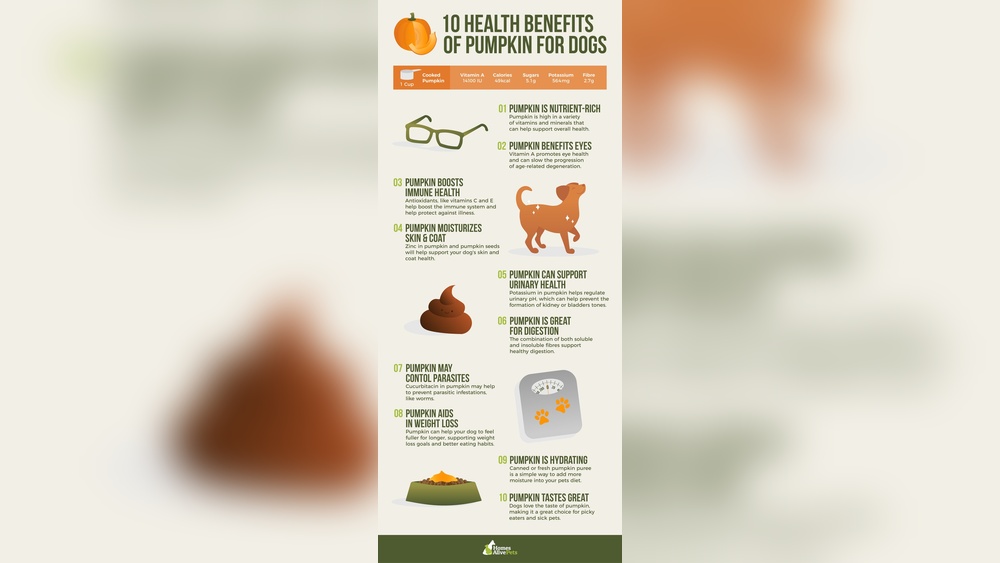
Pumpkin is a natural remedy many dog owners trust for digestive issues. It soothes the stomach and helps regulate bowel movements. The benefits of pumpkin come from its rich fiber and nutrients. These support healthy digestion and can ease diarrhea in dogs. Understanding these benefits helps you feed pumpkin safely and effectively.
Fiber Content And Digestive Health
Pumpkin is rich in both soluble and insoluble fiber. Soluble fiber absorbs water, which helps firm up loose stools. Insoluble fiber adds bulk to stool, aiding regular bowel movements. This fiber mix helps balance digestion and can relieve both diarrhea and constipation. It also promotes healthy gut bacteria. A well-functioning digestive system is key to your dog’s overall health.
Nutrients Supporting Gut Function
Pumpkin contains vitamins like A, C, and E, plus minerals such as potassium and iron. These nutrients support immune health and tissue repair in the gut. Beta-carotene in pumpkin acts as an antioxidant, protecting digestive cells from damage. The natural moisture in pumpkin helps keep your dog hydrated during diarrhea. These combined nutrients improve gut function and speed up recovery.

Credit: luxurycorporatelodging.com
Dosage Guidelines By Dog Size
Understanding how much pumpkin to give your dog depends largely on their size. Pumpkin is a natural way to help soothe diarrhea in dogs. It contains fiber that firms up stools and supports digestion. The right dosage varies for small, medium, and large breeds. Giving too much pumpkin can cause other digestive issues. Below are clear dosage guidelines based on dog size to help you feed pumpkin safely and effectively.
Small Breeds
For small dogs under 15 pounds, start with 1 teaspoon of canned pumpkin. Mix it into their regular food once or twice a day. Monitor your dog’s response for any changes. Adjust the amount if needed but do not exceed 2 teaspoons daily. Small dogs have sensitive stomachs and need a gentle approach.
Medium Breeds
Medium dogs weighing between 15 and 50 pounds can have 1 to 2 tablespoons of pumpkin per serving. Serve it once or twice a day with their meals. This amount helps regulate digestion without overwhelming their system. Watch for improvements or signs of discomfort. Adjust dosage based on your dog’s reaction and health.
Large Breeds
Large dogs over 50 pounds can safely consume 2 to 4 tablespoons of canned pumpkin daily. Split the pumpkin into two servings, mixed with food. This dosage supports digestive health for bigger dogs with diarrhea. Keep track of stool consistency and overall wellbeing. Reduce pumpkin if your dog shows any adverse effects.
Best Ways To Serve Pumpkin
Pumpkin is a gentle way to help soothe your dog’s upset stomach. Serving it properly makes it easier for your dog to digest. The right method can improve the benefits and keep your dog happy. Here are some of the best ways to serve pumpkin for diarrhea relief.
Canned Vs Fresh Pumpkin
Canned pumpkin is easy to use and has a smooth texture. It is plain pumpkin without added sugars or spices. Fresh pumpkin needs to be cooked and pureed before serving. Canned pumpkin is often more convenient and consistent in quality. Make sure to choose 100% pure pumpkin, not pumpkin pie filling.
Mixing With Regular Food
Mix pumpkin into your dog’s regular meals for better acceptance. This helps your dog eat it without fuss. Start with a small amount and increase gradually. You can stir it into dry kibble or wet food. The fiber in pumpkin blends well with their usual diet.
Frequency Of Serving
Give pumpkin once or twice a day for best results. Too much pumpkin can cause gas or loose stools. Stick to the recommended amount based on your dog’s size. Small dogs need about one teaspoon, while large dogs can have up to four tablespoons. Observe your dog’s response and adjust if needed.
Timing And Effectiveness
Pumpkin is a popular natural remedy for dogs with diarrhea. It works by adding fiber to their diet, which helps regulate digestion. The timing of giving pumpkin affects how quickly you see results. Effectiveness depends on the dog’s size and the amount of pumpkin given.
How Long To See Results
Most dogs start showing improvement within 24 to 48 hours after eating pumpkin. The fiber in pumpkin absorbs water in the intestines. This action firms up loose stools and slows down diarrhea. Some dogs may take longer depending on their condition. If diarrhea persists beyond three days, consult a veterinarian.
Pumpkin Vs Other Remedies
Pumpkin is safer than many over-the-counter medicines for dogs. It is gentle on the stomach and contains vitamins and nutrients. Unlike rice or boiled chicken, pumpkin adds fiber that helps both diarrhea and constipation. Some owners prefer probiotics or special diets, but pumpkin is easy and affordable. Always check with your vet before trying new treatments.
Risks Of Overfeeding Pumpkin
Pumpkin is a natural remedy for dog diarrhea. It helps by adding fiber and moisture to the stool. But giving too much pumpkin can cause problems. Overfeeding pumpkin can upset your dog’s stomach and lead to other health issues. It is important to feed the right amount to avoid risks.
Potential Side Effects
Too much pumpkin may cause constipation or worsen diarrhea. Your dog might experience gas, bloating, or stomach cramps. Excess fiber can interfere with nutrient absorption. Overfeeding may also lead to weight gain due to extra calories. Some dogs could have allergies or sensitivities to pumpkin. Watch for changes in energy or appetite.
Signs Of Too Much Pumpkin
Look for loose stools that do not improve. Vomiting or nausea can appear after feeding pumpkin. Your dog may seem tired or less active. Swelling in the belly or excessive gas is a warning. If your dog refuses food or water, stop feeding pumpkin. Contact your vet if these signs persist or worsen.
When To Consult A Veterinarian
Knowing when to consult a veterinarian is crucial if your dog has diarrhea. Pumpkin can help ease mild cases, but not all situations are simple. Some signs point to deeper health problems. Acting quickly can prevent serious issues and keep your dog safe. Monitor your pet’s condition closely and look for red flags that need professional care.
Chronic Diarrhea Concerns
Diarrhea lasting more than two days needs veterinary attention. Chronic diarrhea may signal infections, parasites, or allergies. It can cause dehydration and weaken your dog. A vet can diagnose the root cause and suggest proper treatment. Do not rely only on pumpkin if symptoms persist or worsen.
Dietary Changes And Vet Advice
Sudden diet changes can upset your dog’s stomach. Consult a vet before adding pumpkin or other supplements. They can recommend the right portion and frequency. A balanced diet plan may include pumpkin along with other foods. Following professional advice prevents complications and supports recovery.
Alternatives To Pumpkin For Diarrhea
Pumpkin is a popular choice for easing diarrhea in dogs, but some pet owners seek other options. Various alternatives can help soothe your dog’s upset stomach and firm up their stool. These choices can work well alongside or instead of pumpkin.
Rice And Other Bland Foods
Plain white rice is gentle on the stomach and easy to digest. It helps by adding bulk to your dog’s stool. Boiled chicken or lean ground turkey mixed with rice can offer extra protein without upsetting digestion. Avoid spices or sauces. These bland foods reduce irritation and support recovery.
Commercial Digestive Aids
Many pet stores sell digestive aids designed to calm upset stomachs. Probiotics help balance the bacteria in your dog’s gut. Enzyme supplements can improve digestion and nutrient absorption. Always follow the label instructions and consult your vet before use. These products provide targeted support for digestive health.

Credit: unifi.com
Frequently Asked Questions
How Long Does It Take For Pumpkin To Stop Diarrhea In Dogs?
Pumpkin can help stop dog diarrhea within 24 to 48 hours. Feed 1-4 tablespoons daily, depending on your dog’s size.
Is Pumpkin Better Than Rice For Dog Diarrhea?
Pumpkin often works better than rice for dog diarrhea due to its high soluble fiber. It soothes digestion and firms stools effectively. Rice lacks the same fiber benefits. Always feed pumpkin in small, measured amounts and consult your vet before dietary changes.
Can You Give A Dog Too Much Pumpkin For Diarrhea?
Yes, too much pumpkin can cause constipation or worsen diarrhea in dogs. Limit to 1-4 tablespoons daily. Consult a vet first.
Conclusion
Pumpkin can help soothe your dog’s upset stomach. Start with one to four tablespoons daily. Adjust the amount based on your dog’s size. Mix pumpkin into their regular food for best results. Watch your dog’s reaction and stop if issues worsen.
Always check with your vet for long-term or severe problems. Simple, natural care often supports your dog’s digestion well. Give pumpkin a try, but keep their health your top priority.