Is your dog vomiting and you’re unsure what to do next? It’s scary to see your furry friend sick, and you want to act quickly but wisely.
Understanding when to visit a vet can make all the difference for your dog’s health and comfort. You’ll discover the key signs to watch for, what your vet will check, and how to help your dog feel better fast. Keep reading—your dog’s well-being depends on the right steps you take now.
Credit: deepetservices.com
Common Causes Of Dog Vomiting
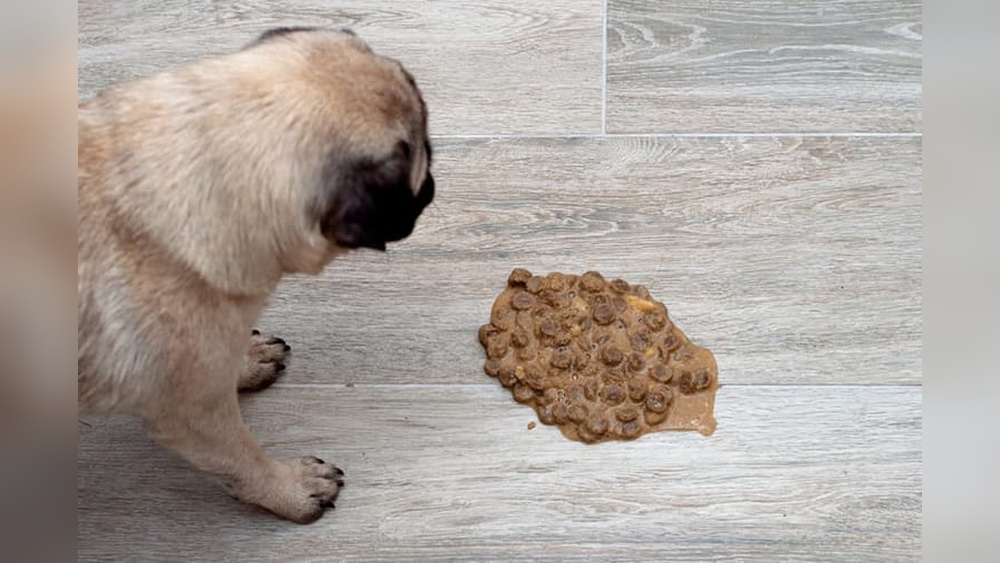
Vomiting is a common sign that something is wrong with a dog’s health. It can happen for many reasons. Understanding the common causes helps pet owners know when to visit a dog vomiting vet. Some causes need urgent care, while others might be less serious.
Dietary Indiscretion
Dogs often eat things they should not. This can include garbage, spoiled food, or foreign objects. Eating these can upset their stomach and cause vomiting. Sometimes, sudden changes in diet also lead to an upset stomach and vomiting.
Infections And Parasites
Viruses, bacteria, and parasites can infect a dog’s digestive system. These infections irritate the stomach and intestines. They often cause vomiting along with diarrhea and lethargy. Puppies and older dogs are more vulnerable to these infections.
Toxic Ingestions
Some dogs eat poisonous substances by accident. This includes certain plants, chemicals, or human medicines. These toxins cause sudden vomiting and require immediate veterinary care. Quick action can save the dog’s life in many cases.
Chronic Illnesses
Long-term illnesses can cause repeated vomiting. Diseases like kidney failure, liver problems, or pancreatitis are common causes. These conditions need ongoing treatment and monitoring by a vet. Vomiting is a warning sign to get a professional checkup.
When To Visit The Vet
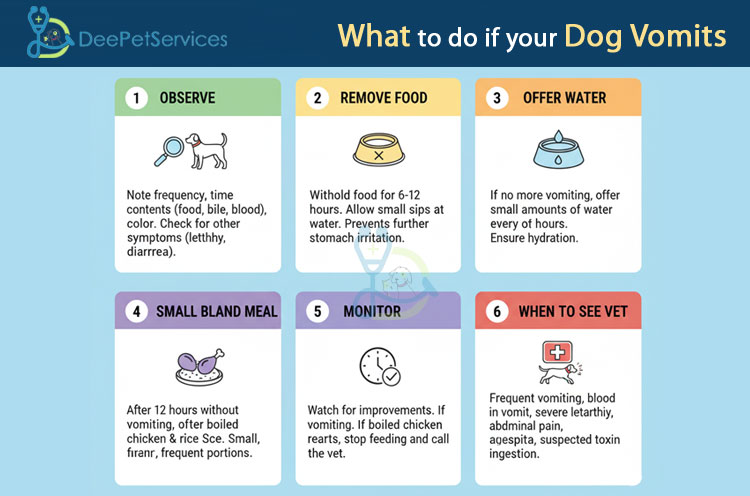
Knowing when to visit the vet for a vomiting dog can save your pet’s life. Vomiting is common but not always harmless. Some cases need urgent care. Others may just need home care and observation.
Watch your dog closely. Note any changes in behavior or health. Acting fast can prevent serious problems.
Signs Of Emergency
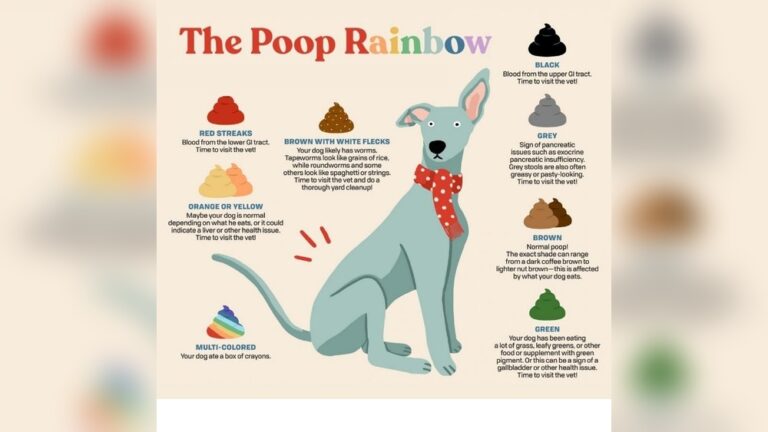
Look for blood in the vomit or black, tar-like material. Severe lethargy or weakness signals a problem. If your dog cannot keep water down, call the vet. A swollen belly or constant vomiting needs immediate care. Difficulty breathing or collapse requires emergency attention.
Duration And Frequency
Vomiting once or twice may not be serious. Vomiting that lasts more than 24 hours needs a vet visit. Frequent vomiting, more than three times in a day, is a warning. Do not wait if vomiting returns quickly after eating or drinking.
Age And Breed Considerations
Puppies and older dogs are more at risk. Their bodies handle illness poorly. Some breeds have sensitive stomachs or health issues that cause vomiting. Small breeds may need faster care than larger dogs. Always consider your dog’s age and breed when deciding to visit the vet.
Diagnostic Steps At The Vet
When a dog vomits, vets follow clear steps to find the cause. These steps help diagnose the problem quickly. Early diagnosis leads to better treatment and care.
Vets start with a physical check and use tests to gather more information. They also use imaging to see inside the body. Each step shows a different part of the dog’s health.
Physical Examination
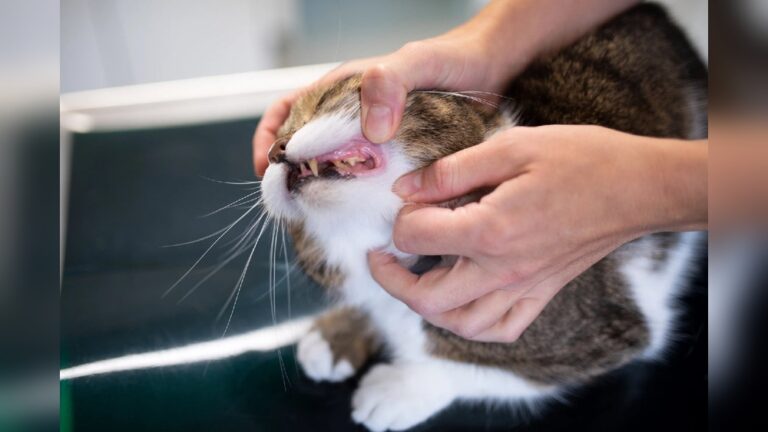
The vet checks the dog’s body carefully. They look for signs like dehydration, pain, or swelling. The vet listens to the stomach and chest with a stethoscope. They check the eyes, nose, and gums for color changes. This exam helps spot obvious issues causing vomiting.
Laboratory Tests
Blood tests give details about organ health and infections. Urine tests check for kidney or bladder problems. Stool samples look for parasites or bacteria. Lab tests narrow down causes that are not visible outside.
Imaging Techniques
X-rays show the stomach and intestines. They help find blockages or foreign objects. Ultrasound gives a closer view of organs and tissues. These tools reveal hidden problems causing vomiting. Imaging is key for accurate diagnosis and treatment plans.
Credit: countryvalleyvet.com
Treatment Options For Vomiting Dogs
Treating a dog that vomits requires a careful approach. The right treatment depends on the cause and severity of vomiting. A veterinarian will suggest treatments to help your dog feel better fast. These treatments aim to stop vomiting, ease discomfort, and support recovery.
Medications And Therapies
Vets often prescribe medicines to stop nausea and vomiting. Anti-nausea drugs calm the stomach and reduce the urge to vomit. Sometimes, antibiotics are needed if an infection causes vomiting. In severe cases, vets may use fluids through a vein to help quickly. These therapies protect the stomach lining and help heal any damage.
Dietary Management
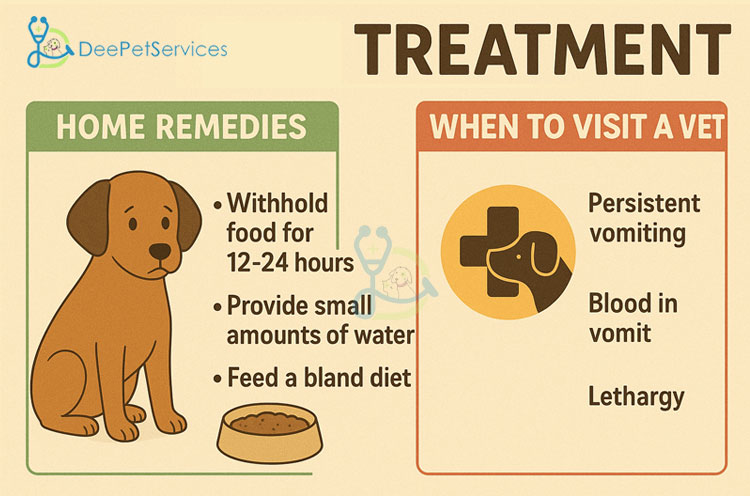
Changing your dog’s diet can help control vomiting. A bland diet with easy-to-digest foods is best. Small, frequent meals prevent overloading the stomach. Avoid rich or fatty foods until your dog recovers. Special veterinary diets may be recommended for long-term care. This helps to avoid irritation and supports healthy digestion.
Hydration Strategies
Keeping your dog hydrated is very important. Vomiting causes loss of fluids and salts. Offer fresh water often but in small amounts. Sometimes, vets give fluids directly through an IV. This restores hydration quickly and balances electrolytes. Proper hydration helps your dog recover faster and feel more comfortable.
Home Care And Prevention Tips
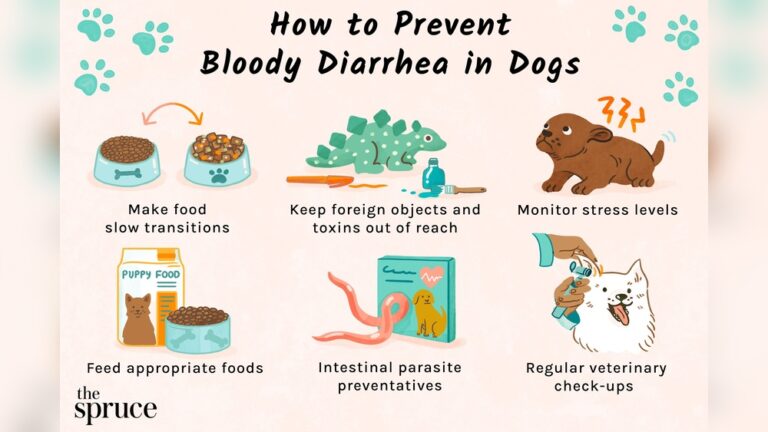
Taking care of your dog at home can help prevent vomiting episodes. Small changes in daily routine make a big difference. Watch your dog closely and keep harmful items out of reach. Consistent care reduces the need for frequent vet visits.
Safe Feeding Practices
Feed your dog high-quality food suitable for their age and size. Avoid sudden changes in diet to prevent stomach upset. Give meals at regular times and in small portions. Do not let your dog eat too fast. Remove any leftover food after 20 minutes.
Monitoring Behavior
Observe your dog’s mood, appetite, and energy daily. Note any vomiting, diarrhea, or unusual behavior. Keep a record of these signs to share with your vet. Early detection helps catch problems before they worsen. Contact your vet if vomiting happens often or lasts more than 24 hours.
Avoiding Toxins
Keep household chemicals, plants, and human food out of reach. Some foods like chocolate, grapes, and onions are toxic to dogs. Store trash securely to prevent your dog from eating harmful items. Teach children not to feed dogs unknown treats. Clean up spills quickly to avoid accidental poisoning.
Credit: deepetservices.com
Frequently Asked Questions
Why Is My Dog Vomiting After Eating?
Vomiting after eating can indicate food intolerance, infection, or gastrointestinal issues. A vet can diagnose the cause accurately and suggest treatment.
When Should I Take My Dog To The Vet For Vomiting?
Visit the vet if vomiting lasts more than 24 hours, or if your dog shows lethargy, dehydration, or blood in vomit.
What Tests Does A Vet Perform For Dog Vomiting?
Vets may perform blood tests, X-rays, ultrasounds, or fecal exams to identify infections, blockages, or organ problems causing vomiting.
Can Stress Cause Vomiting In Dogs?
Yes, stress can upset a dog’s stomach and lead to vomiting. A vet can help manage stress-related symptoms effectively.
Conclusion
Dog vomiting can be worrying for any pet owner. Early care and a vet’s check can help your dog feel better fast. Watch for signs like repeated vomiting or changes in behavior. Keep your dog’s diet simple and clean during recovery.
Don’t wait too long to get advice from a vet. Your dog’s health depends on quick and careful attention. Stay calm and act quickly to keep your dog safe. Regular vet visits help prevent many health problems. Caring for your dog shows your love and responsibility.