If your dog ever swallows something harmful, knowing how to make your dog vomit could save their life. It’s a skill that every pet owner should have, but it’s also important to do it safely and correctly.
You might feel scared or unsure about what steps to take—that’s completely normal. This guide will walk you through simple, clear instructions so you can act quickly and confidently when it matters most. Keep reading to learn exactly what you should do to protect your furry friend.

Credit: twinmaplesvethospital.com
When To Induce Vomiting
Knowing when to induce vomiting in dogs is very important. It can help in some poisoning cases but cause harm in others. Acting too late or at the wrong time may worsen the problem. Always watch your dog closely after swallowing something harmful. Quick and correct action may save your pet’s life.
Signs Poisoning Has Occurred
Look for sudden vomiting or drooling. Your dog may act weak or shaky. Watch for difficulty breathing or coughing. The dog might seem confused or restless. Sometimes, there is excessive thirst or diarrhea. These signs suggest the dog swallowed poison. Immediate action is needed.
Situations To Avoid Vomiting
Do not make your dog vomit if it is unconscious. Avoid vomiting if the dog has trouble breathing. Do not induce vomiting after swallowing sharp objects. Chemicals like acids or bleach should not be vomited. Vomiting could burn the throat or lungs in these cases. Always seek veterinary advice first.
Safe Methods To Make A Dog Vomit
Knowing safe ways to make a dog vomit can protect your pet from harm. Only try to induce vomiting if a vet advises it. Acting quickly and carefully is important. Using safe methods reduces risks and helps your dog recover faster.
Using Hydrogen Peroxide
Hydrogen peroxide is a common choice to induce vomiting in dogs. Use a 3% solution only. Give one teaspoon per 10 pounds of your dog’s weight. Do not give more than three tablespoons. Use a syringe or turkey baster to pour it into your dog’s mouth. Wait 10 to 15 minutes. Vomiting should start within this time. If not, you can repeat the dose once. Stop if your dog shows distress or difficulty breathing. Always consult a vet before using hydrogen peroxide.
Other Home Remedies
Salt is sometimes used but can be dangerous. Avoid it to prevent salt poisoning. Mustard mixed with water is an old remedy but not safe. It can cause more harm than good. Activated charcoal can help absorb toxins but requires vet guidance. Never give any home remedy without checking with your vet first. Safety and your dog’s health come first.
Preparing For Vomiting
Preparing for vomiting is important before helping your dog. You must act carefully and stay calm. This helps your dog feel safe and makes the process easier. Follow these steps to get ready.
Gathering Supplies
Collect all needed items before starting. Have a clean bowl or container ready to catch the vomit. Keep some clean towels nearby to wipe your dog’s mouth. Use gloves to protect your hands. Have fresh water available for your dog to drink after vomiting.
Ensuring A Calm Environment
Find a quiet and comfortable place for your dog. Reduce noise and distractions around your pet. Speak softly to help your dog relax. Stay calm and patient during the whole process. A calm dog will respond better and feel less stressed.
Credit: www.yourvetonline.com
Step-by-step Vomiting Process
Making a dog vomit can help remove harmful substances from their stomach. This step-by-step guide explains the safe way to do it. Follow each step carefully to protect your dog’s health.
Administering Hydrogen Peroxide
Use 3% hydrogen peroxide to induce vomiting. Measure the dose: 1 teaspoon per 10 pounds of your dog’s weight. Use a syringe or dropper to give it. Gently place the liquid at the back of your dog’s mouth. Encourage swallowing but do not force it. Do not exceed 3 tablespoons for any dog. This method works best within 2 hours of ingestion.
Monitoring Your Dog
Watch your dog closely after giving hydrogen peroxide. Vomiting should start within 10 to 15 minutes. Keep your dog calm and safe during this time. Offer water after vomiting to prevent dehydration. If your dog does not vomit, do not panic. Observe for any signs of distress or trouble breathing. Contact a vet immediately if any severe symptoms appear.
When To Repeat The Dose
Wait 10 to 15 minutes before repeating the dose. Only give a second dose if your dog has not vomited. Never give more than two doses in 24 hours. Repeating the dose too often can harm your dog. If vomiting does not happen after the second dose, seek veterinary help quickly. Always follow your vet’s advice for the best care.
Risks And Precautions
Making a dog vomit can be a helpful step in some emergency cases. It should be done carefully to avoid harm to your pet. Knowing the risks and taking the right precautions is very important. This helps keep your dog safe and avoids serious health problems.
Potential Complications
Forcing a dog to vomit can cause choking or breathing problems. The dog might swallow harmful substances again. Some poisons can damage the throat or mouth when vomited. Dogs with health issues may get worse after vomiting. Vomiting too often can cause dehydration and weakness.
When To Seek Veterinary Help
Call a vet right away if your dog is unconscious or having seizures. Vomiting blood or foam needs urgent care. If your dog swallowed sharp objects or chemicals, do not induce vomiting. A vet can give safer treatments and check for damage. Always ask a professional before trying to make your dog vomit.
Aftercare And Recovery
After making your dog vomit, proper aftercare and recovery are very important. This helps your dog feel better faster and avoids more problems. Watch your dog closely and give gentle care to support healing.
Hydration And Rest
Keep fresh water nearby at all times. Vomiting can cause your dog to lose water quickly. Offer small sips often to avoid dehydration.
Rest is key. Let your dog lie down in a quiet, comfortable place. Avoid exercise and excitement for at least 24 hours. This helps the stomach settle.
Monitoring For Symptoms
Check your dog’s behavior closely. Look for signs like weakness, repeated vomiting, or diarrhea. These may show that your dog needs a vet.
Also watch for swelling, difficulty breathing, or unusual pain. These symptoms require immediate medical help. Early action can prevent serious harm.
Preventing Future Incidents
Preventing future incidents of dog vomiting is very important for your pet’s health. Taking steps to keep your dog safe can stop problems before they start. Careful planning and simple habits protect your dog from swallowing harmful things.
Safe Storage Of Toxic Substances
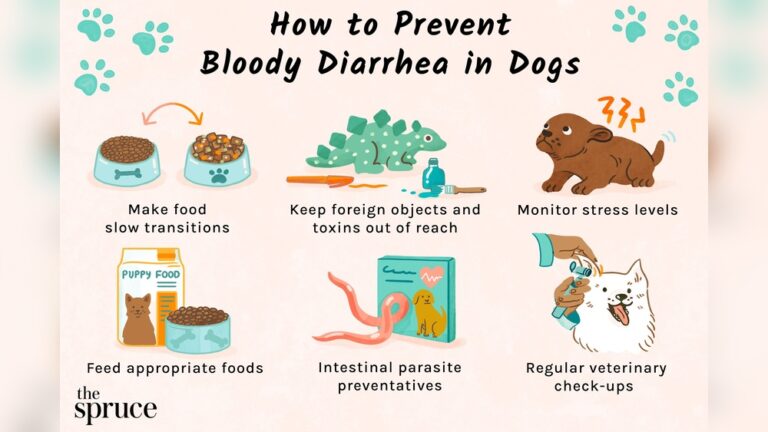
Keep all chemicals, cleaning products, and medicines out of your dog’s reach. Store them in high cabinets or locked cupboards. Use containers with secure lids to stop spills and accidents. Avoid leaving harmful items on counters or floors. Check your home often for anything your dog could chew or swallow. Proper storage lowers the risk of poisoning and sudden vomiting.
Training And Supervision Tips
Teach your dog basic commands like “leave it” and “drop.” These commands help stop your dog from eating bad things. Watch your dog closely during walks and playtime. Keep small objects and trash away from your dog’s space. Give your dog plenty of toys to reduce boredom and chewing on unsafe items. Training and watching your dog carefully helps prevent many health problems.

Credit: www.youtube.com
Frequently Asked Questions
How To Safely Induce Vomiting In Dogs At Home?
To safely induce vomiting in dogs, use 3% hydrogen peroxide. Give 1 teaspoon per 10 pounds of body weight. Administer by mouth with a syringe. Only do this if a vet approves and within two hours of ingestion.
When Should I Avoid Making My Dog Vomit?
Avoid inducing vomiting if your dog ingested corrosive substances, sharp objects, or is unconscious. Vomiting may worsen injuries or cause choking. Always consult a veterinarian before attempting to induce vomiting.
What Are The Risks Of Making A Dog Vomit?
Risks include aspiration pneumonia, esophageal injury, and dehydration. Incorrect methods can harm your dog. Always seek professional advice before inducing vomiting to prevent complications.
How Long After Ingestion Can I Make My Dog Vomit?
You should induce vomiting within two hours of ingestion for effectiveness. After that, toxins may have moved beyond the stomach, reducing the benefits and increasing risks.
Conclusion
Knowing how to make a dog vomit can help in emergencies. Always act quickly but stay calm. Use safe methods and never force your dog. Call a vet for advice before trying anything at home. Keep harmful items out of your dog’s reach.
Your pet’s safety is the top priority. Remember, careful steps can protect your furry friend. Stay prepared and know what to do if needed.