
Is your dog vomiting and you’re not sure what to do next? Seeing your furry friend throw up can be worrying, but you don’t always need to rush to the vet right away.
You can take simple, effective steps at home to help your dog feel better and stop the vomiting. You’ll discover easy-to-follow treatments that can soothe your dog’s upset stomach and get them back to their happy, healthy self. Keep reading to learn how you can care for your dog safely and confidently right from home.
Credit: pethelpful.com
Causes Of Dog Vomiting
Vomiting in dogs can signal many health issues. It happens when the stomach empties forcefully through the mouth. Understanding what causes vomiting helps you treat your dog effectively at home. Causes range from minor to serious problems. Knowing these can guide your care and when to seek help.
Common Triggers
Eating too fast or eating spoiled food often causes vomiting. Dogs may vomit from sudden diet changes or eating something unusual. Motion sickness during car rides can also make dogs throw up. Some dogs vomit due to infections or stomach irritation. Parasites and allergies may cause frequent vomiting. Toxins or poisons ingested accidentally can be dangerous triggers. Sometimes, chronic illnesses like kidney or liver disease lead to vomiting.
When To Worry
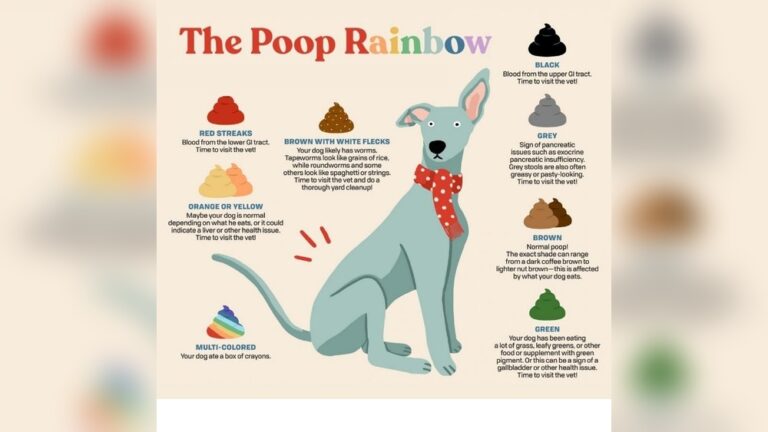
Vomiting that lasts more than 24 hours needs attention. Watch for signs like weakness, diarrhea, or loss of appetite. Vomit with blood or a dark, coffee-ground look is serious. If your dog cannot keep water down, act quickly. Sudden vomiting with swelling or pain requires a vet visit. Eating something sharp or toxic needs immediate care. Persistent vomiting can cause dehydration and other risks. Early treatment can prevent severe problems.
Initial Care Steps
When your dog vomits, quick and gentle care matters most. Starting the right steps at home helps your dog feel better fast. These initial care steps focus on rest, hydration, and giving the stomach time to heal.
Careful handling reduces stress and supports recovery. Observe your dog closely and adjust care as needed. Here are two key actions to begin with.
Withholding Food Safely
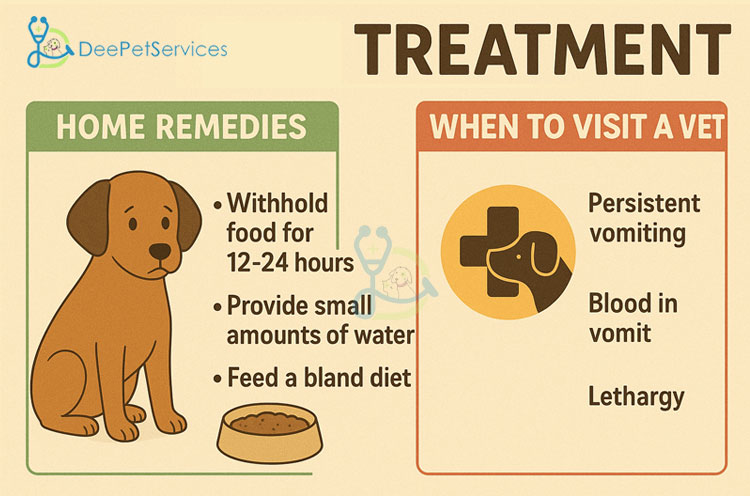
Stop feeding your dog for 12 hours to rest the stomach. This pause helps prevent more vomiting. Avoid treats or table scraps during this time.
After 12 hours, offer a small amount of bland food. Plain boiled chicken and white rice work well. Feed small portions to avoid upsetting the stomach again.
Providing Water
Keep fresh water available at all times to prevent dehydration. Offer water in small amounts frequently. Large gulps may trigger more vomiting.
If your dog refuses water, try ice cubes or ice chips. Moistening the mouth can help encourage drinking. Watch for signs of dehydration like dry gums or lethargy.
Home Remedies
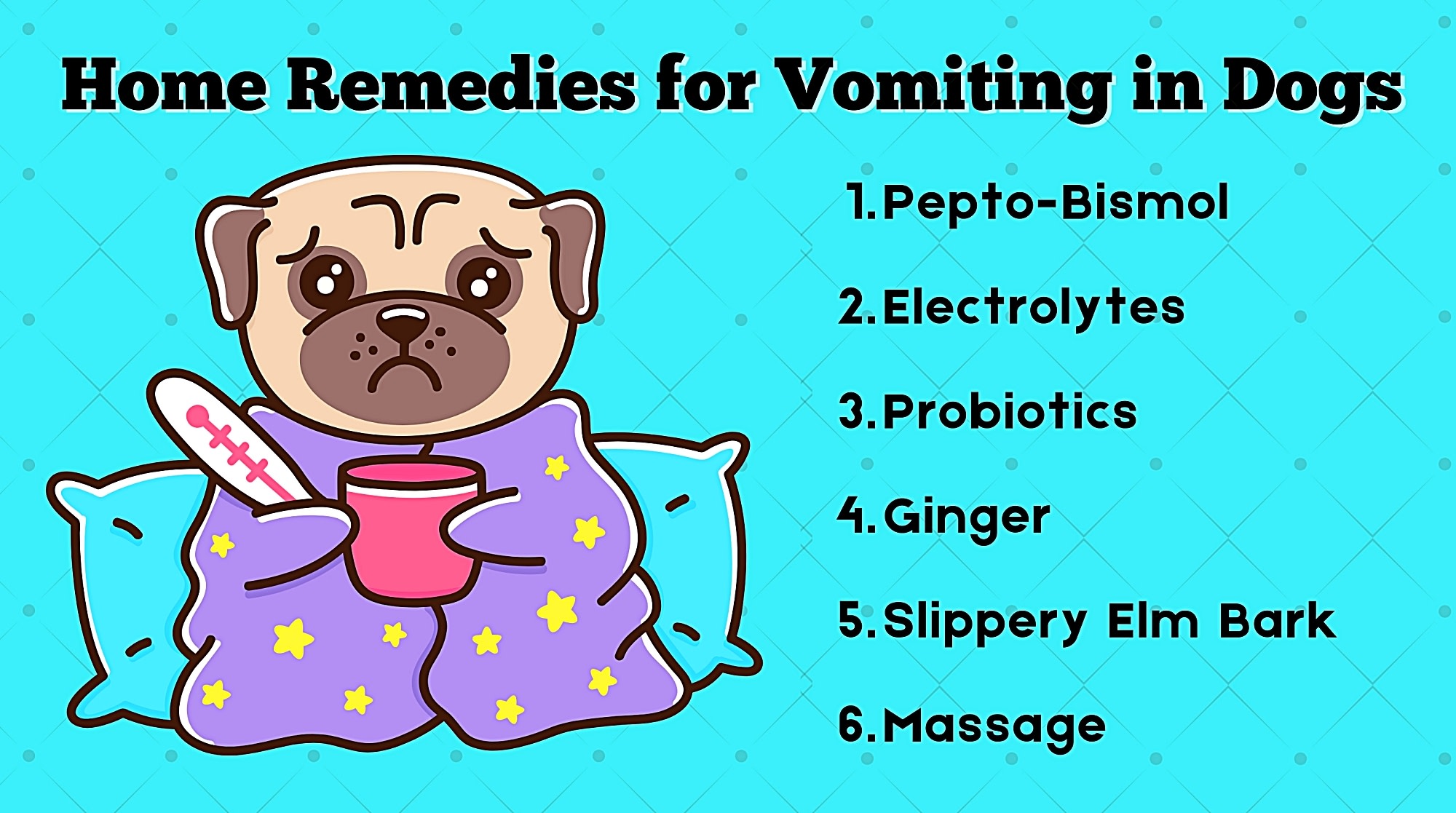
When your dog vomits, simple home remedies can help ease their discomfort. These remedies focus on gentle care to support recovery. Use them carefully and watch your dog closely for changes.
Bland Diet Options
A bland diet soothes your dog’s upset stomach. Serve small portions of plain boiled chicken without skin or bones. Pair it with white rice, which is easy to digest. Canned pumpkin (not pie filling) adds fiber and can help firm stool. Feed these foods in small amounts several times a day. Avoid fatty or spicy foods until your dog feels better.
Natural Soothers
Natural ingredients can calm your dog’s stomach. Ginger, given in tiny amounts, may reduce nausea. Probiotics support healthy gut bacteria and improve digestion. You can find probiotics in special dog supplements or plain yogurt without added sugar. If your dog seems weak or tired, a small dab of honey on the gums can help raise blood sugar. Always introduce these remedies slowly and watch for any reactions.
Monitoring Your Dog
Keeping a close eye on your dog after vomiting is crucial for proper home treatment. Careful monitoring helps you understand if your dog is getting better or needs professional care. Observe your dog’s behavior, appetite, and physical signs every hour. Take notes on any changes, good or bad. This will guide you in managing the situation effectively and knowing when to seek help.
Signs Of Improvement
Your dog starts to show signs of feeling better within 24 hours. Vomiting becomes less frequent or stops completely. They begin to drink water and hold it down. Appetite slowly returns with small, bland meals. Energy levels increase, and your dog acts more alert. Normal bowel movements resume. These signs mean your dog’s stomach is settling and healing.
Warning Symptoms
Watch for signs that mean trouble and need vet care. Vomiting continues for more than 24 hours or gets worse. Your dog cannot keep water or food down. There is blood in vomit or it looks like coffee grounds. Your dog shows extreme tiredness or weakness. They refuse to eat or drink for a long time. Notice any swelling or pain in the belly. Sudden behavior changes or breathing problems also need urgent attention.
When To Contact A Vet
Knowing when to contact a vet is critical for your dog’s health. Vomiting can be a sign of many issues, from mild to severe. Some cases need immediate professional care. Others may improve with home treatment. Watch your dog closely. Understand the signs that require expert help. Acting quickly can prevent serious problems and ease your dog’s discomfort.
Emergency Indicators
Seek urgent vet care if your dog vomits blood. Bright red or dark, coffee-ground vomit shows bleeding. Also, call a vet if your dog cannot keep water down. Persistent vomiting leads to dehydration fast. Sudden weakness or collapse signals a serious problem. Signs of poisoning or swallowing foreign objects need immediate attention. Severe abdominal pain or bloating is an emergency. Quick response can save your dog’s life.
Persistent Symptoms
Contact your vet if vomiting lasts more than 24 hours. Continuous vomiting stops your dog from absorbing nutrients. Loss of appetite and lethargy show your dog is unwell. If vomiting returns after home care, professional help is needed. Your vet can check for infections or organ issues. They may run tests and prescribe medications. Timely treatment prevents worsening and speeds recovery.
Credit: deepetservices.com
Medications For Vomiting
Medications can help manage your dog’s vomiting safely at home. Choosing the right medicine depends on the cause and severity of vomiting. Some drugs need a vet’s prescription. Others are available over the counter. Always monitor your dog closely during treatment. Stop medication and seek vet help if vomiting worsens or new symptoms appear.
Vet-prescribed Drugs
Vets may prescribe drugs to control nausea and vomiting. Cerenia (Maropitant) is common and effective for dogs. It blocks the brain signals that cause vomiting. Ondansetron is another option that helps reduce nausea. Famotidine and omeprazole reduce stomach acid and protect ulcers. Metoclopramide helps with vomiting caused by slow stomach emptying. Use these medicines only under vet guidance. Follow the dosage and duration strictly to avoid side effects.
Over-the-counter Options
Some mild cases may benefit from safe, over-the-counter remedies. Antacids like famotidine (Pepcid AC) can reduce stomach acidity. Probiotics support gut health and may ease upset stomach. Ginger supplements or ginger root can calm nausea naturally. Avoid human medicines like acetaminophen or ibuprofen, as they are toxic to dogs. Always check with a vet before giving any OTC drug. Proper use helps your dog feel better faster and prevents complications.
Preventing Future Episodes
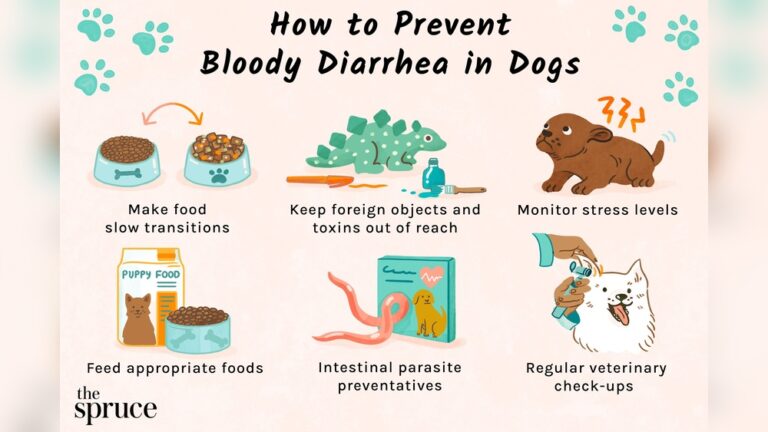
Preventing future vomiting episodes in dogs is key to keeping them healthy and happy. Small changes in daily care can reduce the risk of vomiting. Focus on a balanced diet and avoid harmful substances. These steps help your dog’s stomach stay calm and strong.
Diet And Feeding Tips
Feed your dog small, frequent meals instead of one large meal. This prevents stomach overload and reduces vomiting chances. Choose easily digestible foods like boiled chicken and rice. Avoid fatty, spicy, or rich foods that upset digestion. Always provide fresh water for hydration. Slow down fast eaters by using special bowls or placing obstacles in the bowl. Keep treats and table scraps to a minimum. Monitor your dog’s weight and adjust food portions accordingly. Consistent feeding times help regulate digestion and prevent nausea.
Avoiding Toxins
Keep household chemicals and plants out of reach. Common toxins include cleaning products, pesticides, and certain plants like lilies or azaleas. Store human medications and foods like chocolate or grapes safely away. Supervise your dog during walks to avoid eating harmful objects or trash. Teach your dog not to scavenge or eat unknown items. Regularly check your yard for toxic plants or substances. Immediate action can prevent poisoning and vomiting. If your dog eats something suspicious, contact your vet quickly.
Comforting Your Dog
Comforting your dog during vomiting episodes is essential for their healing. A calm and supportive environment helps reduce stress and aids recovery. Your gentle care reassures your dog and promotes comfort.
Creating A Calm Environment
Choose a quiet space where your dog feels safe. Remove loud noises and bright lights. Use a soft bed or blanket for comfort. Speak softly and avoid sudden movements. Limit visitors and keep children away to reduce anxiety. Ensure the room is at a comfortable temperature. Fresh air can help but avoid drafts. A calm area encourages rest and healing.
Supporting Recovery
Offer small amounts of water frequently to prevent dehydration. Avoid feeding large meals until vomiting stops. Introduce bland food slowly, such as boiled chicken and rice. Monitor your dog’s behavior closely for changes. Provide gentle petting to comfort without overstimulation. Keep your dog close to observe any new symptoms. Patience and care speed up recovery. Always follow your veterinarian’s advice for best results.

Credit: www.nicfaisalabad.com
Frequently Asked Questions
What Can You Give A Dog To Stop Vomiting?
Give your dog small amounts of water and withhold food for 12 hours. Offer bland food like boiled chicken and rice. Ginger or probiotics may help soothe the stomach. Consult a vet if vomiting persists or worsens. Avoid home medications without veterinary advice.
What Home Remedy Can I Give My Dog For Vomiting Clear?
Offer small amounts of ice chips or water to prevent dehydration. Feed bland foods like boiled chicken and rice after 12 hours. Ginger or canned pumpkin can soothe the stomach. Avoid giving any medication without vet approval. Contact a vet if vomiting persists or worsens.
How Do You Settle A Dog’s Stomach After Throwing Up?
Offer small amounts of water, then feed bland food like boiled chicken and rice. Use ginger or probiotics to soothe the stomach. Avoid feeding for 12 hours after vomiting. Monitor your dog closely, and consult a vet if vomiting persists or worsens.
What Is The Immediate Remedy To Stop Vomiting?
To stop vomiting immediately, sip small amounts of clear fluids and rest. Avoid solid food for a few hours. Use ginger or anti-nausea medication if recommended. Seek medical help if vomiting persists or worsens.
Conclusion
Treating dog vomiting at home requires patience and care. Start with small amounts of bland food. Keep fresh water available to prevent dehydration. Natural remedies like ginger may soothe your dog’s stomach. Watch closely for worsening symptoms or changes in behavior.
Seek veterinary help if vomiting lasts more than 24 hours or if your dog shows severe signs. Early attention can prevent serious problems. A calm and gentle approach helps your dog recover faster. Consistent care makes a big difference in your dog’s health and comfort.