If you’ve noticed your dog scratching their ears more than usual or shaking their head nonstop, it’s time to pay close attention. These could be signs of ear mites, tiny parasites that cause big discomfort for your furry friend.
Left untreated, ear mites can lead to infections and serious ear problems. But how do you know if your dog really has ear mites? You’ll learn the clear signs to watch for, how to spot the problem early, and what steps you can take to help your dog find relief fast.
Keep reading to protect your dog’s health and keep those ears happy!
Common Signs Of Ear Mites
Ear mites are tiny parasites that cause discomfort in dogs’ ears. Recognizing common signs early helps prevent serious ear problems. Watch for changes in your dog’s behavior and ear condition. These signs indicate the presence of ear mites and the need for treatment.
Intense Ear Scratching
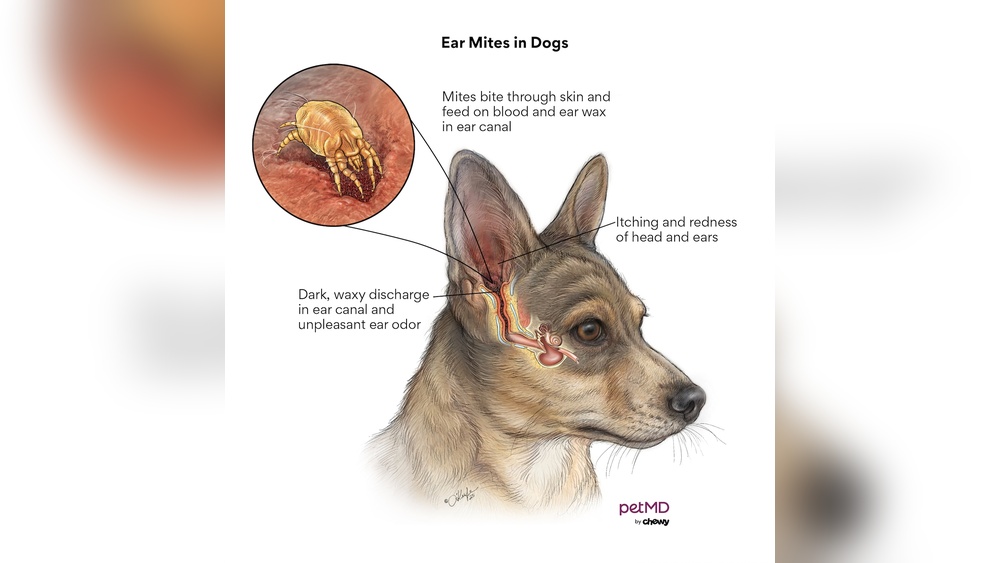
Dogs with ear mites often scratch their ears nonstop. This scratching is due to itching and irritation inside the ear canal. The constant scratching can cause sores or wounds around the ears.
Frequent Head Shaking
Head shaking is a common response to discomfort in the ears. Dogs shake their heads to try to remove mites or debris. This action can worsen irritation and sometimes cause ear injuries.
Dark Ear Discharge
Ear mites produce dark, crumbly discharge that looks like coffee grounds. This discharge builds up in the ear canal and signals an infestation. Clean ears usually do not have this kind of discharge.
Inflamed Or Red Ears
Inflammation and redness appear inside the ear when mites irritate the skin. The ears may look swollen and feel warm to the touch. This inflammation can lead to pain and sensitivity.
Unpleasant Ear Odor
A bad smell coming from the ear is a sign of infection caused by mites. The odor results from bacteria growing in the inflamed ear. Healthy ears do not have a strong or foul odor.
Behavioral Changes In Affected Dogs
Ear mites cause more than just itching and discomfort in dogs. They also bring noticeable changes in behavior. Watching these changes helps catch the problem early. Dogs may act differently as the irritation worsens. Some signs show up in how they respond to touch or move around. Understanding these behaviors helps owners seek timely care and relief for their pets.
Increased Irritability
Dogs with ear mites often seem more irritable. They may snap or growl more easily. The constant itching and pain make them restless. Even gentle petting near the ears can cause a negative reaction. This irritability is a key sign that something is wrong. Owners should notice if their dog becomes unusually grumpy or defensive.
Loss Of Balance
Ear mites can affect a dog’s balance. The mites irritate the inner ear, which controls equilibrium. Affected dogs may stumble or tilt their heads. They might have trouble walking straight or standing steadily. These signs suggest the infection is severe and needs immediate attention. Balance issues mean the dog is in distress and discomfort.
Excessive Ear Sensitivity
Dogs with ear mites often show strong sensitivity in their ears. They may pull away quickly when touched. Even light touches can cause pain or discomfort. This sensitivity makes it hard to clean or examine the ears. Owners might notice their dog shaking its head more often. This behavior signals the need for a careful ear check by a vet.
Causes And Transmission
Understanding the causes and transmission of ear mites in dogs helps prevent infections. Ear mites are tiny parasites that live in a dog’s ear canal. They feed on earwax and skin oils, causing discomfort and irritation. Knowing how these mites spread can protect your pet and others around them.
How Dogs Get Ear Mites
Dogs usually get ear mites through direct contact with an infected animal. Puppies often catch mites from their mother or littermates. Adult dogs can get mites from other pets during play or close contact. Ear mites thrive in warm, moist environments like the ear canal.
Contagion Between Pets
Ear mites spread quickly between pets sharing the same space. Cats, dogs, and other animals can pass mites to each other. Treating all infected animals is important to stop the cycle. Mites can also spread through contaminated bedding or grooming tools.
Environmental Factors
Dirty living conditions increase the risk of ear mite infestations. Crowded shelters or kennels often have higher mite transmission rates. Moisture and poor hygiene create a perfect place for mites to grow. Regular cleaning and good pet care reduce these risks effectively.
Diagnosing Ear Mites
Diagnosing ear mites in dogs requires careful observation and veterinary expertise. Ear mites cause itching, redness, and dark discharge. These signs are similar to other ear problems. Accurate diagnosis ensures the right treatment. Early detection prevents complications and keeps your dog comfortable.
Veterinary Examination
A vet will start by examining your dog’s ears. They look for redness, swelling, and debris. The vet may use an otoscope to see inside the ear canal. This device helps spot mites or other issues. A physical exam is quick and painless for your dog. It provides important clues about the cause of symptoms.
Microscopic Ear Swab Test
The vet often takes a small sample from the ear. This swab collects debris and possible mites. The sample is examined under a microscope. This test reveals tiny mites invisible to the naked eye. It confirms the presence of ear mites with certainty. This step is key to avoid misdiagnosis and wrong treatments.
Fast-acting Treatments
Fast-acting treatments offer quick relief from the discomfort caused by ear mites in dogs. These treatments work to kill the mites and reduce inflammation. Acting swiftly prevents further damage to your dog’s ears. Timely care stops the infection from worsening and spreading.
Prescription Oral And Topical Medications
Veterinarians often prescribe oral or topical medications for fast results. Drugs like NexGard SPECTRA, Revolution, Bravecto, and Advantage Multi kill ear mites quickly through the bloodstream. These medications start working soon after your dog takes them. They also help control other parasites. Always follow the vet’s dosage instructions carefully.
Veterinarian-recommended Ear Drops
Ear drops prescribed by vets contain ingredients such as selamectin or moxidectin. These drops kill mites directly and soothe irritated skin. They also treat any secondary infections caused by mites. Applying these drops regularly is crucial for complete recovery. The vet will guide you on the proper application method and schedule.
Over-the-counter Solutions
Over-the-counter products like Happy Jack Mitex or Eradimite provide fast relief by killing mites on contact. These contain pyrethrins, which are effective against mites. Use these products according to package instructions. Over-the-counter solutions can be helpful but are best used alongside veterinary advice. Watch your dog closely for any reactions or side effects.

Credit: lbah.com
At-home Care Tips
At-home care plays a vital role in managing ear mites in dogs. Proper care reduces discomfort and supports healing. You can help your dog recover faster by following simple steps. Patience and consistency matter a lot during this process.
Cleaning Your Dog’s Ears Safely
Start by gathering a vet-approved ear cleaner. Avoid using cotton swabs inside the ear canal. Gently wipe visible debris with a soft cloth or cotton ball. Hold your dog still to prevent sudden movements. Clean only the outer ear to avoid injury. Repeat cleaning as recommended by your vet.
Applying Treatments Correctly
Use the medicine exactly as the vet instructs. Shake the bottle well before use. Apply drops deep into the ear canal carefully. Massage the base of the ear to spread the treatment. Do not skip doses, even if symptoms improve. Complete the full treatment course to kill all mites and eggs.
Soothing Irritation
Ear mites cause itching and redness that can distress your dog. Use soothing ointments or sprays approved by your vet. Keep your dog from scratching to prevent wounds. Offer a calm environment to reduce stress. Check ears regularly to spot any worsening signs early.
Preventing Reinfestation
Preventing reinfestation is crucial after treating ear mites in dogs. Without proper steps, mites can return quickly. The environment and other pets often harbor these tiny parasites. Taking action beyond treatment helps keep your dog comfortable and healthy.
Treating All Pets In The Household
Ear mites spread easily between pets. Treating only one animal leaves others as sources of mites. Even pets without symptoms should receive treatment. Consult your vet to get the right medication for every pet. This stops mites from bouncing back and forth.
Cleaning Bedding And Environment
Mites can live in your dog’s bedding and surroundings. Wash all blankets, toys, and cushions in hot water. Vacuum carpets, floors, and furniture thoroughly. Dispose of vacuum bags or clean containers after use. Regular cleaning removes mites waiting to infect your dog again.
Regular Ear Checks
Check your dog’s ears often for signs of mites. Look for scratching, redness, or dark debris. Early detection helps catch reinfestation before it spreads. Use a gentle ear cleaner recommended by your vet. Keeping ears clean and monitored reduces the risk of future problems.
When To See A Vet
Knowing when to see a vet for ear mites in dogs is crucial. Early care prevents serious problems and speeds recovery. Watch your dog closely for signs that need professional attention. Don’t delay if symptoms worsen or stay the same.
Persistent Symptoms
If your dog keeps scratching or shaking its head after treatment, see a vet. Persistent redness or swelling inside the ear also signals a problem. These signs mean the mites may still be active or the ear is irritated.
Signs Of Secondary Infection
Ear mites can cause infections that need extra care. Look for a bad smell, yellow or green discharge, or increased pain. If your dog seems very uncomfortable or the ear looks damaged, a vet visit is necessary. Infections can worsen without proper treatment.
Lack Of Improvement After Treatment
Some treatments take time, but no change after a week needs attention. If you follow instructions but symptoms stay, the mites might be resistant or another issue may exist. A vet can provide stronger medicine or check for other causes.
Ear Mites And Humans
Ear mites are tiny parasites that live in a dog’s ear canal. They cause itching, redness, and discomfort. People often wonder if these mites can affect humans too. Understanding the connection between ear mites and humans helps keep everyone safe and healthy.
Risk Of Transmission To People
Ear mites rarely infect humans. They prefer the warm, dark environment of an animal’s ear. Human ears are not a good place for these mites to survive. Still, close contact with an infected pet can cause mild skin irritation. This irritation usually goes away quickly without treatment. People with weak immune systems may be more sensitive. It is best to avoid direct contact with the infected dog’s ears.
Precautionary Measures
Wear gloves when cleaning your dog’s ears. Wash your hands thoroughly after touching the dog or its bedding. Avoid sharing towels or bedding between pets and humans. Clean your dog’s living area regularly to remove mites. If you notice any skin irritation, consult a doctor. Treat your dog promptly with vet-recommended medicine. These steps reduce any risk of mite transmission to people.
:quality(75))
Credit: manypets.com
Credit: bayshore-vet.com
Frequently Asked Questions
How Do You Get Rid Of Ear Mites In Dogs Fast?
Use veterinary-prescribed treatments like NexGard, Revolution, or Advantage Multi for fast ear mite elimination. Clean ears gently and apply vet-recommended drops. Complete the full treatment course to kill all mites and eggs. Also, clean your dog’s bedding and treat other pets to prevent reinfestation.
Can Humans Catch Ear Mites From Dogs?
Humans rarely catch ear mites from dogs. These mites prefer animal hosts and do not thrive on human skin. Good hygiene and avoiding direct contact with infected pets reduce any minimal risk.
Should I Clean My House If My Dog Has Ear Mites?
Yes, clean your house to remove mites and prevent re-infestation. Wash bedding, vacuum floors, and disinfect surfaces thoroughly.
How To Tell The Difference Between Ear Mites And Ear Infection?
Ear mites cause dark, crumbly debris and intense itching. Ear infections produce redness, swelling, odor, and sometimes discharge. A vet diagnosis confirms the issue.
Conclusion
Ear mites cause discomfort and irritation in dogs’ ears. Watch for signs like scratching, redness, and dark debris. Early detection helps prevent infections and pain. Clean your dog’s ears gently and follow veterinary advice closely. Treat all pets in the household to stop mites from spreading.
Consistent care ensures your dog stays healthy and happy. Don’t ignore symptoms; prompt action makes a big difference. Healthy ears mean a happier dog overall.