
If you’ve ever noticed your cat showing a curious interest in lemongrass, you might be wondering: is lemongrass safe for cats? You want to keep your furry friend happy and healthy, but at the same time, you worry about potential risks.
After all, not everything that smells fresh or looks natural is harmless to your pet. You’ll discover the truth about lemongrass and its effects on cats. By the end, you’ll know exactly what to watch for and how to protect your cat while enjoying the benefits of this fragrant plant.
Keep reading to ensure your pet’s safety and peace of mind.
Lemongrass And Cats
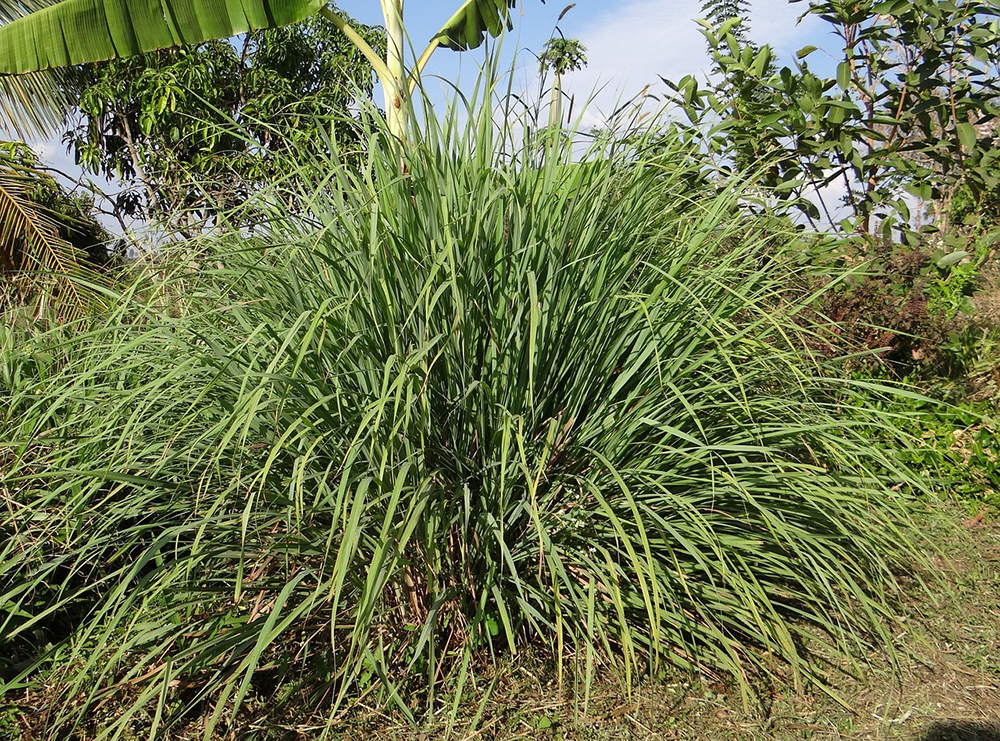
Lemongrass is a plant known for its fresh, citrus scent. Many cat owners notice their pets are curious about it. Cats often sniff, chew, or play with lemongrass leaves.
This interest may surprise some, since lemongrass smells strong to humans. But cats seem drawn to its unique aroma and texture. Understanding why cats like lemongrass helps keep them safe.
Why Cats Like Lemongrass
Cats like lemongrass because it has a scent similar to plants they enjoy. The smell excites their senses and encourages playful behavior. Chewing on lemongrass can also help with digestion or hairball relief.
Some cats react to lemongrass like it is a natural stimulant. This reaction is mild and usually safe if the cat does not eat large amounts. Lemongrass can be a fun and enriching experience for cats.
Comparison With Catnip
Lemongrass and catnip both attract cats but in different ways. Catnip causes a stronger, more intense reaction, often making cats hyperactive. Lemongrass tends to calm cats or make them gently playful.
Catnip’s active compound is nepetalactone, which directly affects a cat’s brain. Lemongrass has citral and other oils that appeal through scent, not brain chemistry. Both can be safe, but lemongrass should be given in moderation.
Toxicity Risks
Lemongrass may seem harmless, but it carries toxicity risks for cats. Cats have sensitive systems that react differently to plants. Understanding these risks helps protect your feline friend from harm. Both fresh lemongrass and its essential oil can pose dangers if ingested or exposed.
Effects Of Ingesting Fresh Lemongrass
Eating fresh lemongrass can upset your cat’s stomach. Large amounts may cause vomiting and diarrhea. Some cats might show signs of abdominal pain or discomfort. In severe cases, lemongrass can lead to intestinal blockages. These blockages require immediate veterinary care. Always watch your cat if it chews on lemongrass plants.
Dangers Of Lemongrass Essential Oil
Lemongrass essential oil is more dangerous than the plant itself. Cats cannot properly process the oil’s compounds in their liver. Exposure can cause serious toxicity symptoms. These include drooling, weakness, and difficulty breathing. Even small amounts of essential oil can be harmful. Avoid using lemongrass oil around cats at all times.
Symptoms Of Lemongrass Poisoning
Cats may show clear signs if they suffer from lemongrass poisoning. Recognizing these symptoms early helps protect their health. Symptoms often affect digestion, behavior, and sometimes cause serious blockage in the intestines. Watch your cat closely after lemongrass exposure.
Digestive Issues
Vomiting is a common sign of lemongrass poisoning in cats. Diarrhea may also occur and can be frequent or watery. Some cats show abdominal pain or discomfort. Loss of appetite often happens along with nausea. These signs indicate the digestive system is upset by the plant.
Behavioral Changes
Poisoned cats may become unusually tired or weak. Restlessness or pacing can also appear. Some cats hide or act fearful without reason. They may meow more or less than usual. These changes reflect discomfort and stress from poisoning.
Signs Of Intestinal Blockage
Lemongrass fibers can cause intestinal blockage in some cases. Symptoms include severe vomiting and inability to keep food down. Your cat may strain to defecate or pass gas. A swollen or painful belly is another warning sign. Intestinal blockage requires immediate veterinary care.

Credit: www.catster.com
Safe Exposure Levels
Understanding safe exposure levels of lemongrass for cats helps protect their health. Cats react differently to plants compared to humans. Some plants that are safe for people can harm pets. Lemongrass contains compounds that may cause mild to severe effects in cats. Controlling the amount your cat encounters is important. Keep exposure minimal and observe your cat for any unusual signs.
Small Quantity Effects
Small amounts of fresh lemongrass usually cause mild effects. Cats may chew on a few leaves without serious harm. Some cats enjoy the taste, similar to catnip. Mild stomach upset or vomiting can happen if they eat too much. Watch for diarrhea or signs of abdominal pain. If symptoms appear, limit access to the plant immediately. Small exposure rarely leads to severe toxicity but caution is needed.
Avoiding Essential Oil Contact
Lemongrass essential oil is more dangerous than the fresh plant. Cats cannot process the strong chemicals in essential oils well. Even small amounts on skin or fur can cause irritation or burns. Inhaling lemongrass oil may lead to breathing problems. Avoid using lemongrass oil near your cat’s living areas. Keep diffusers, sprays, and oils out of reach. Use natural plants with care, but never essential oils directly around cats.
First Aid And Treatment
Knowing how to act quickly and correctly is vital if your cat eats lemongrass. First aid and treatment can prevent serious harm. Prompt care reduces risks and supports your cat’s recovery.
Immediate Steps After Ingestion
Remove any remaining lemongrass from your cat’s reach. Check your cat for symptoms like vomiting, drooling, or weakness. Offer fresh water to help flush the system. Do not try to make your cat vomit without professional advice. Keep your cat calm and comfortable while observing closely.
When To See A Vet
Contact a veterinarian if your cat shows repeated vomiting or diarrhea. Seek help if your cat appears lethargic or has trouble breathing. Immediate vet care is necessary for signs of abdominal pain or swelling. Quick medical attention can prevent complications from lemongrass ingestion. Always follow your vet’s instructions for treatment and follow-up care.
Credit: www.catster.com
Preventive Measures
Preventive measures help protect your cat from harmful effects of lemongrass. Taking simple steps reduces risks and keeps your pet safe. Understanding alternatives and managing your cat’s space plays a big role. These actions prevent accidents and promote a healthy environment for your cat.
Safe Plant Alternatives
Choose plants that are safe for cats to nibble on. Cat grass and catnip are popular, non-toxic options. They satisfy your cat’s urge to chew without danger. Spider plants and Boston ferns add greenery without risks. Always check if a plant is pet-safe before bringing it home.
Managing Cat’s Environment
Keep lemongrass and other risky plants out of your cat’s reach. Use tall shelves or closed rooms for these plants. Provide plenty of toys and safe plants to distract your cat. Clean spills of lemongrass oil immediately to avoid skin contact. Watch your cat closely for any signs of illness after exposure.
Myths And Facts
Understanding the truth about lemongrass and cats helps pet owners keep their pets safe. Many stories and beliefs swirl around this plant. Separating myths from facts is important for your cat’s health.
Common Misconceptions
Some people think lemongrass is always harmful to cats. Others believe cats love it like catnip and it is safe. These ideas can cause confusion.
Not all parts of lemongrass are the same. The fresh plant and essential oils affect cats differently. Many assume any lemongrass form is safe. This is not true. Some cats can eat small amounts of the fresh plant without problems. But essential oils made from lemongrass can be very dangerous.
Scientific Findings
Research shows lemongrass essential oil contains compounds toxic to cats. Cats cannot break down these substances well. Exposure can cause vomiting, diarrhea, or worse symptoms.
Studies also show small amounts of fresh lemongrass usually cause mild stomach upset only. Yet, eating large quantities can lead to more serious issues like intestinal blockage. This is rare but possible.
Experts advise avoiding lemongrass oil around cats. Fresh lemongrass should be given with caution and only in tiny amounts. Monitoring your cat after exposure is crucial.

Credit: articles.hepper.com
Frequently Asked Questions
Is The Smell Of Lemongrass Okay For Cats?
The smell of lemongrass is generally safe for cats in small amounts. Avoid lemongrass essential oil, as it can be toxic. Monitor your cat for any adverse reactions like vomiting or diarrhea.
Why Do Cats Love Lemon Grass?
Cats love lemongrass because its scent and taste mimic catnip, stimulating their playful and curious behavior naturally.
Is Lemongrass Safe For Pets To Inhale?
Lemongrass essential oil can irritate pets’ lungs and skin. Avoid letting pets inhale lemongrass oil to prevent breathing issues.
What Happens If My Cat Licks A Lemon?
Licking lemon can cause mild stomach upset in cats. Large amounts may lead to more serious symptoms like tremors or seizures. Avoid letting your cat ingest lemon to prevent toxicity.
Conclusion
Lemongrass can attract cats because of its smell and taste. Small amounts might not cause harm, but large amounts can upset your cat’s stomach. Avoid using lemongrass essential oil around your cat, as it may be toxic. Watch your cat closely if it eats lemongrass.
Look for vomiting, diarrhea, or signs of pain. Always choose safer alternatives like catnip for your pet’s enjoyment. Keeping your cat safe means knowing which plants and oils can harm them. Stay informed and protect your furry friend every day.