
If you have a cat and a spider plant in your home, you might be wondering: Are spider plants safe for cats? You’ve probably seen your furry friend nibbling or playing with those long, arching leaves.
While spider plants aren’t toxic like some other houseplants, they can still cause some unexpected reactions in your cat. Could their curious chewing lead to more than just a mess? Keep reading to find out what really happens when your cat munches on a spider plant, how to spot any warning signs, and what you can do to keep both your pet and your plant safe and happy.
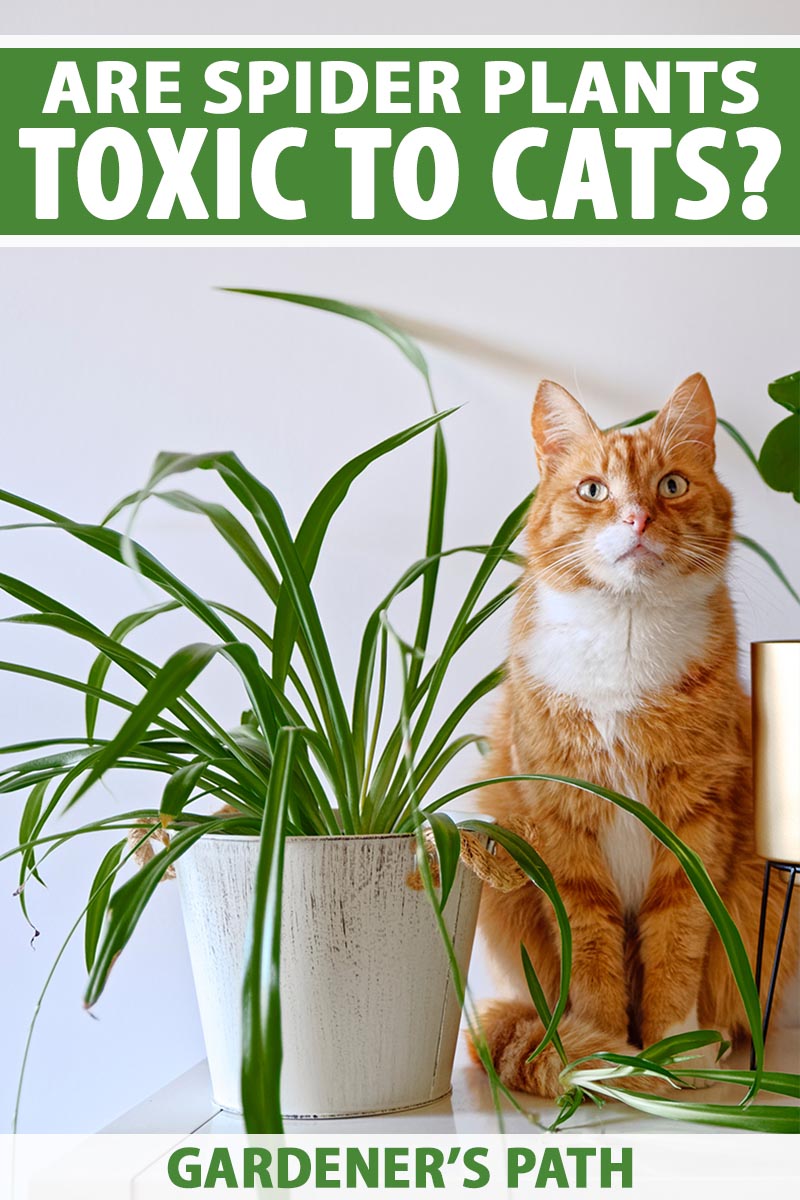
Credit: gardenerspath.com
Spider Plant Basics
Spider plants are popular houseplants known for their easy care and attractive appearance. They have long, arching leaves that are usually green with white stripes. These plants produce small white flowers and baby spider-like offshoots called “pups.”
Many people keep spider plants indoors to add greenery and fresh air. They thrive in indirect light and need only occasional watering. Their resilience makes them ideal for beginners and busy plant lovers.
What Are Spider Plants
Spider plants, scientifically called Chlorophytum comosum, are native to South Africa. They grow quickly and spread through their pups. These pups can be easily propagated to create new plants. Spider plants help clean indoor air by removing toxins.
Popularity Among Pet Owners
Spider plants are especially popular with pet owners. They are not highly toxic, which makes them safer around cats and dogs. Cats often enjoy nibbling on the leaves, which may act like a mild stimulant. Their non-toxic nature gives pet owners peace of mind.
:max_bytes(150000):strip_icc()/Catplayingspiderplant-79a35c10d4134d359c06fd29a1ac6ab6.jpg)
Credit: www.thespruce.com
Effects On Cats
Spider plants affect cats in unique ways. They are not toxic but can cause mild reactions. Cats often chew on spider plants out of curiosity or boredom. This interaction may lead to various behavioral and physical symptoms. Understanding these effects helps pet owners respond properly and keep their cats safe.
Mild Hallucinogenic Properties
Spider plants contain compounds that cause mild hallucinogenic effects in cats. These substances affect their brain similar to catnip. Cats may seem “high” or disoriented after chewing the plant. The effect is usually short-lived and not harmful in small amounts. Some cats enjoy this sensation and seek the plant repeatedly.
Common Symptoms In Cats
Eating spider plants may cause vomiting or diarrhea in cats. These symptoms happen if they eat large amounts. Drooling and lethargy can also occur due to mild irritation. Most cats recover quickly without treatment. Watch for persistent signs and contact a vet if needed.
Behavioral Reactions
Cats often become playful, clumsy, or dazed after chewing spider plants. They may roll around or act unusually energetic. Some cats chew the leaves to relieve boredom or attract attention. These behaviors are normal but should be monitored. Offering safe alternatives like catnip can reduce plant chewing.
Health Risks
Spider plants are generally safe for cats. Still, some health risks exist if cats chew on them. The plant contains compounds that may cause mild reactions. Understanding these risks helps protect your feline friend.
Most cats only nibble a little and show no serious problems. Some cats may eat larger amounts and develop symptoms. Watch your cat after exposure and act if needed.
Gastrointestinal Upset
Eating spider plants can upset your cat’s stomach. Vomiting and diarrhea may occur. These symptoms happen because the plant can irritate the digestive system. Usually, mild upset clears up quickly.
Keep your cat hydrated if vomiting happens. Offer fresh water often. If symptoms last more than a day, contact a vet for advice.
Potential Mouth Irritation
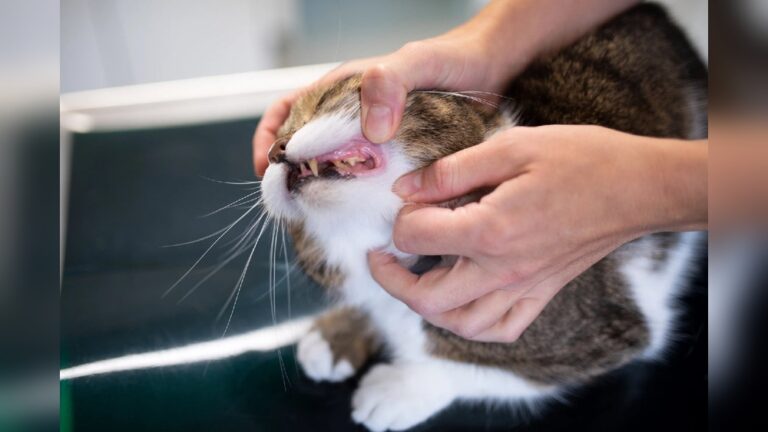
The leaves may irritate your cat’s mouth and tongue. Chewing can cause drooling or pawing at the mouth. This irritation can make your cat uncomfortable and restless.
Check your cat’s mouth for redness or swelling. If irritation seems severe, a vet visit is best. Avoid letting your cat chew on the plant repeatedly.
Severity Of Symptoms
Most symptoms from spider plants are mild and short-lived. Some cats act playful or dazed, similar to catnip effects. Severe symptoms are rare but possible.
Seek veterinary care if your cat becomes very lethargic. Persistent vomiting or refusal to eat also needs prompt attention. Early treatment helps prevent more serious problems.
Why Cats Are Attracted
Cats often show a strong interest in spider plants. This attraction happens for a few key reasons. Understanding why cats are drawn to these plants helps pet owners keep their furry friends safe and happy. The reasons include natural instincts, behavior patterns, and the plant’s effects on cats.
Natural Curiosity And Playfulness
Cats are naturally curious animals. They explore new objects with their paws and mouths. Spider plants have long, thin leaves that move easily. This movement catches a cat’s attention. The texture and shape invite cats to bat and chew on the leaves. Playing with spider plants satisfies a cat’s need to explore and interact with its environment.
Boredom And Attention Seeking
Cats need mental and physical stimulation. When bored, they find ways to entertain themselves. Chewing or playing with spider plants can be one of those activities. Some cats also use this behavior to get attention from their owners. If a cat feels ignored, it may target the plant to provoke a reaction. Keeping cats busy with toys can reduce this behavior.
Similarity To Catnip Effects
Spider plants contain compounds that affect cats like catnip. These compounds can create a mild “high” or dazed feeling. Cats may roll around, paw at the plant, or act playful. The plant’s effect is not as strong as catnip but still appealing. This similarity makes spider plants especially attractive to many cats.
Preventive Measures
Taking preventive measures helps keep your cat safe around spider plants. Cats may nibble on these plants due to curiosity or boredom. Preventing unwanted chewing protects your cat from mild side effects and your plants from damage. Simple steps can reduce risks and keep both happy.
Monitoring Cat Behavior
Watch your cat closely near spider plants. Notice if they sniff, chew, or play with the leaves. Early detection helps stop harmful behavior quickly. Pay attention to changes in appetite or energy that could mean plant-related issues. Regular monitoring ensures your cat stays healthy.
Providing Safe Alternatives
Offer your cat safe plants like cat grass or catnip. These alternatives satisfy their need to chew and play. New toys also keep them busy and distracted from spider plants. Having options reduces stress and keeps your cat entertained and safe.
Plant Placement Tips
Place spider plants out of your cat’s reach. Use hanging pots or high shelves. Avoid low tables or windowsills where cats jump easily. Creating barriers or using plant stands limits access. Proper placement protects both your plants and your cat.
Using Deterrents
Use safe deterrents to keep cats away from plants. Bitter apple spray discourages chewing with a harmless taste. Aluminum foil or double-sided tape on pots can also deter cats. These simple tools help protect plants without harming your pet.

Credit: basepaws.com
When To See A Vet
Knowing when to see a vet is important if your cat interacts with spider plants. Most cats handle small bites without issues. Watch your cat closely after it chews on the plant.
Some symptoms may seem mild but can worsen quickly. Early vet visits can prevent serious problems. Trust your instincts and seek help when unsure.
Warning Signs To Watch
Look for vomiting or diarrhea, which may signal irritation. Lethargy or weakness could mean your cat feels unwell. Excessive drooling or pawing at the mouth shows discomfort. Loss of appetite or refusal to drink water is a concern. Unsteady movements or confusion might occur from the plant’s mild effects. These signs need careful attention.
Emergency Situations
Call your vet immediately if your cat stops breathing or collapses. Severe vomiting that won’t stop needs urgent care. Continuous diarrhea risks dehydration quickly. If your cat cannot stand or seems severely disoriented, treat it as an emergency. Quick action can save your cat’s life. Keep your vet’s contact handy for fast response.
Choosing Cat-safe Plants
Choosing plants safe for cats helps keep your furry friends healthy. Some plants can harm cats if chewed or eaten. Selecting non-toxic plants reduces the risk of illness and stress.
Spider plants are mostly safe but can cause mild upset if eaten in large amounts. Always watch your cat’s behavior around plants. Offering safe alternatives keeps cats happy and curious without danger.
Alternatives To Spider Plants
Cat grass is a popular, safe option for cats to nibble on. It supports digestion and satisfies their chewing urges. Catnip excites cats and is non-toxic, making playtime fun and safe.
Bamboo palm adds greenery without risk. It is a great indoor plant that cats usually ignore. Boston fern is another safe plant with soft leaves cats rarely harm.
Plants To Avoid
Avoid plants like lilies, which are highly toxic to cats. Even small amounts can cause serious illness. Dieffenbachia and philodendron contain chemicals that irritate cats’ mouths and stomachs.
Keep away from aloe vera and pothos, as they can cause vomiting and diarrhea. These plants pose health risks and should be replaced with safer choices.
Frequently Asked Questions
What Happens If A Cat Eats A Spider Plant?
A cat eating a spider plant may act dazed or “high” due to mild hallucinogens. Vomiting, diarrhea, or lethargy can occur. Monitor your cat, provide water, and consult a vet if symptoms worsen or persist. Spider plants are non-toxic but can irritate the digestive tract in large amounts.
Can I Have A Spider Plant If I Have Cats?
Spider plants are non-toxic to cats but may cause mild upset or “high” behavior. Monitor your cat and provide fresh water. Keep plants out of reach if your cat chews frequently. Consult a vet if severe symptoms occur.
Why Is My Cat Attracted To My Spider Plant?
Cats are attracted to spider plants due to mild hallucinogenic compounds. These make cats playful or dazed, similar to catnip effects. Chewing may also relieve boredom or seek attention. While non-toxic, eating large amounts can cause vomiting or diarrhea. Monitor your cat and provide safe alternatives to discourage chewing.
What Is The Most Toxic House Plant For Cats?
The most toxic house plant for cats is the sago palm. It causes severe liver damage and can be fatal if ingested.
Conclusion
Spider plants are generally safe for cats but can cause mild upset. Cats may act dizzy or vomit after chewing the plant. Watch your pet closely if they nibble on spider plants. Provide fresh water and distractions like catnip or toys.
Keep the plant out of reach if your cat chews often. Call your vet if symptoms get worse or last long. Spider plants offer beauty without serious danger, yet caution helps keep cats happy and healthy.