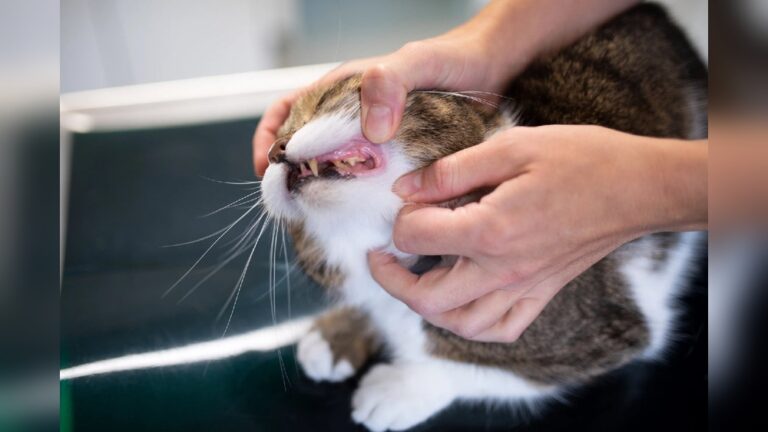

Have you noticed your dog scratching their ears more than usual? Or maybe you’ve seen them shaking their head nonstop?
These could be signs that your furry friend has ear mites. But how can dogs get ear mites in the first place? Understanding this is the first step to protecting your pet from discomfort and potential infections. You’ll discover exactly how these tiny parasites find their way into your dog’s ears and what you can do to stop them.
Keep reading to keep your dog happy and healthy!
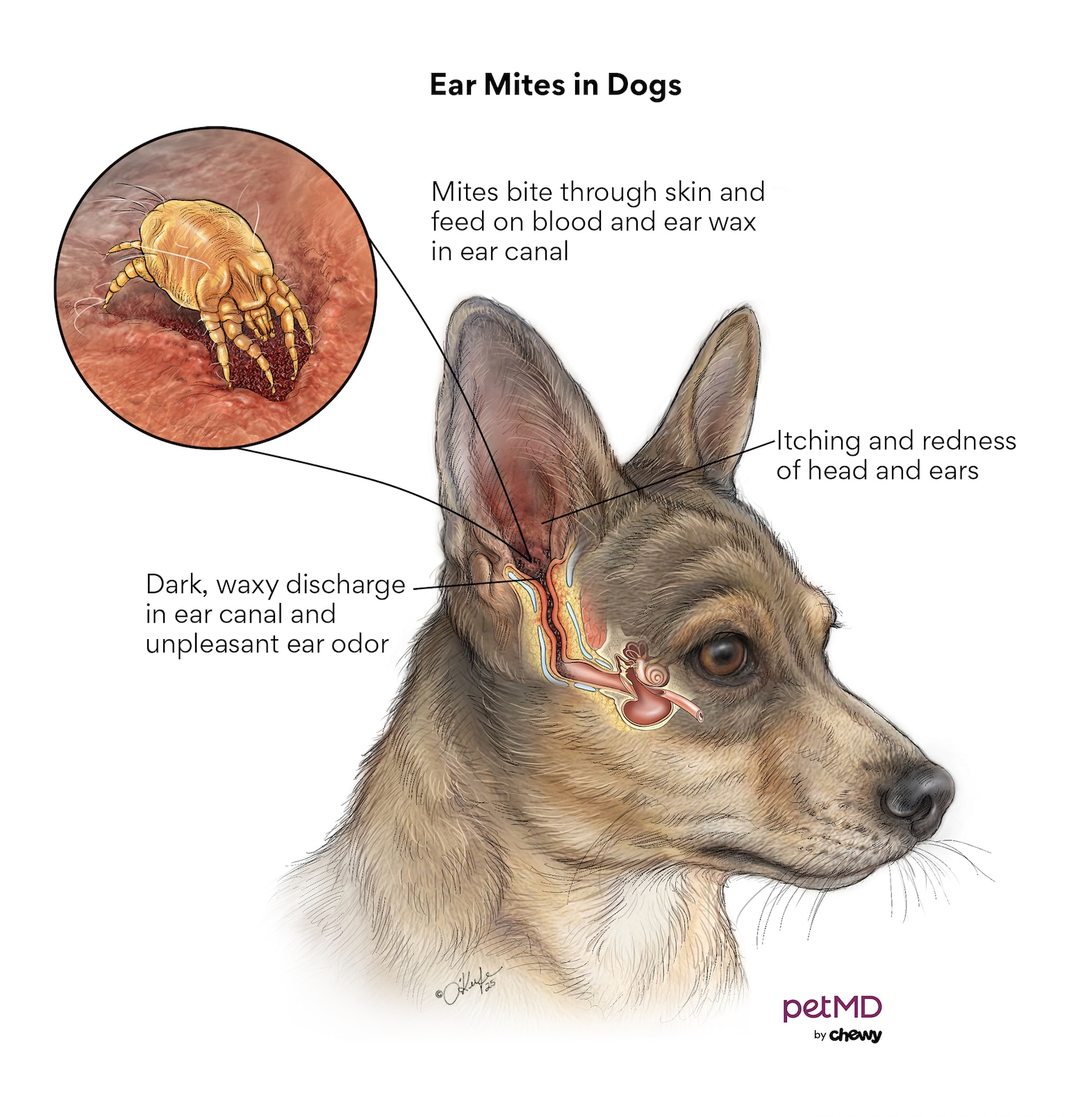
Credit: www.petmd.com
Causes Of Ear Mites In Dogs
Ear mites in dogs cause itching, discomfort, and ear infections. These tiny parasites live in the ear canal and feed on ear wax and oils. Understanding what causes ear mites helps in preventing and treating them quickly. Dogs catch ear mites through close contact and several other factors that weaken their defenses.
Transmission From Other Pets
Ear mites spread easily between pets. Dogs get them by touching or playing with infected animals. Cats often carry ear mites without showing signs. This makes them common carriers. Sharing bedding or grooming tools can also pass mites.
Environmental Factors
Dirty or crowded living spaces increase ear mite risks. Mites survive longer in warm, humid places. Outdoor dogs face higher chances due to exposure. Places with many animals help mites spread fast.
Poor Ear Hygiene
Not cleaning a dog’s ears regularly invites mites. Excess wax and dirt create a perfect home for mites. Moisture trapped inside ears also helps mites grow. Regular ear checks and cleaning reduce risks.
Weakened Immune System
Dogs with weak immune systems catch mites more easily. Illness, age, or stress lowers their defense. Mites multiply faster in these dogs. Healthy diet and care keep immune systems strong.
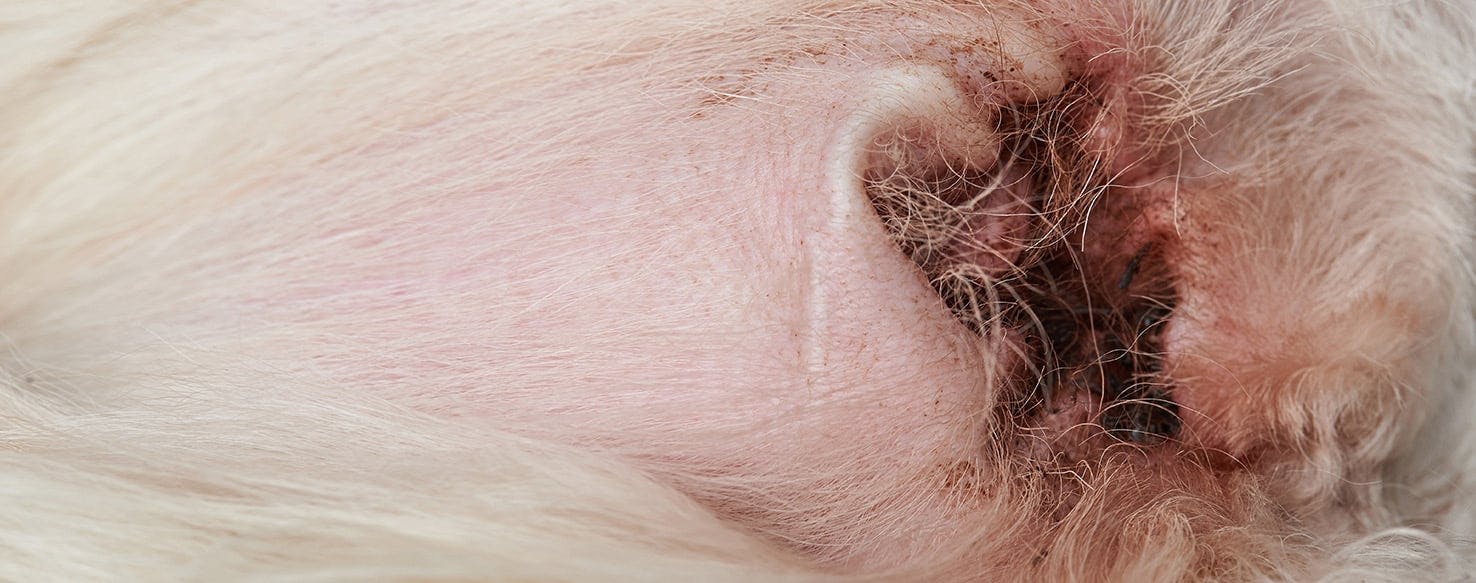
Credit: wagwalking.com
Signs Of Ear Mites In Dogs
Ear mites cause discomfort and irritation in dogs’ ears. Spotting signs early helps protect your dog’s health. These tiny parasites live inside the ear canal. They create itching, redness, and sometimes infection. Recognizing signs fast can lead to quick treatment.
Frequent Scratching
Dogs with ear mites scratch their ears often. They use paws or rub their head on surfaces. This behavior shows they feel strong itching inside. Scratching can cause sores or wounds if unchecked.
Head Shaking
Shaking the head is common with ear mites. Dogs try to remove the irritating mites. You may see sudden, repeated head movements. This helps reduce the discomfort in their ears.
Ear Discharge And Odor
Ear mites cause dark, crumbly discharge. It looks like coffee grounds and may have a bad smell. This discharge can build up in the ear canal. The odor is often strong and unpleasant.
Inflammation And Redness
The inner ear becomes red and swollen. This shows the skin is irritated and inflamed. The ear flap might also appear red or warm to touch. Inflammation can cause pain and sensitivity.
Diagnosing Ear Mites
Diagnosing ear mites in dogs is important to provide the right treatment fast. Ear mites cause itching, redness, and discomfort. These tiny pests hide deep inside the ear canal. Detecting them early helps stop infections and pain.
Veterinary Examination
A vet starts by checking the dog’s ears carefully. They look for signs like redness, swelling, and dark discharge. The vet may use an otoscope to see inside the ear canal. This tool helps spot mites or damage caused by scratching. A thorough exam is key to find the cause of the problem.
Microscopic Ear Swab Test
The vet takes a small sample from the ear using a cotton swab. This sample contains debris and possible mites. It moves onto a microscope slide for closer viewing. Under the microscope, mites appear as tiny moving dots. This test confirms if mites are the cause of the dog’s ear issues. It also helps rule out infections or allergies.
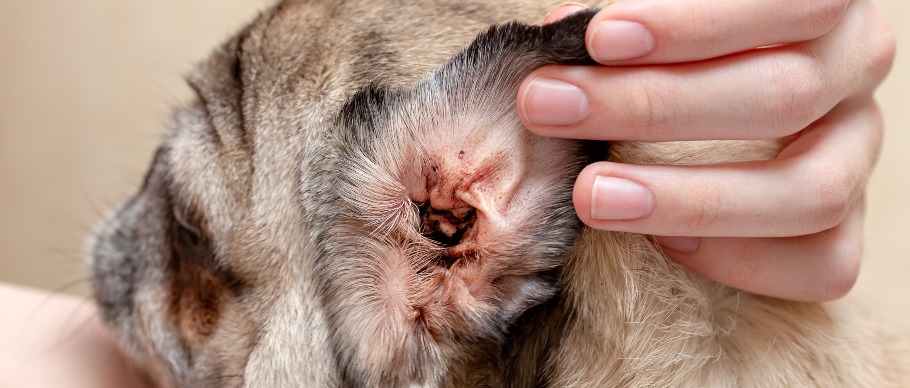
Credit: www.fourpaws.com
Home Remedies For Ear Mites
Home remedies can help treat ear mites in dogs effectively. They offer a gentle way to relieve irritation and clean the ears. These methods are easy to try at home and can reduce discomfort for your pet. Consistent care is important to remove mites and soothe inflammation.
Cleaning The Ears Safely
Start by cleaning your dog’s ears carefully. Use a soft cloth or cotton ball dampened with warm water. Gently wipe the outer ear to remove dirt and wax. Avoid using cotton swabs deep inside the ear canal. This can cause injury or push debris further in. Always be gentle to prevent hurting your dog.
Using Olive Oil Or Mineral Oil
Olive oil or mineral oil can help suffocate ear mites. Warm the oil slightly before use. Use a dropper to put a few drops in the ear canal. Massage the base of the ear softly to spread the oil. This helps loosen debris and kills mites. Repeat daily for about a week to see results.
Applying Over-the-counter Treatments
Over-the-counter ear mite treatments can be effective and easy to find. Choose products made specifically for dogs. Follow the instructions on the label carefully. These treatments usually contain ingredients that kill mites quickly. Use them as directed to avoid side effects. Consult a vet if your dog’s condition worsens or does not improve.
Veterinary Treatments
Veterinary treatments play a key role in curing ear mites in dogs. These mites cause itching and discomfort. A vet can diagnose the problem and suggest the best treatment. Timely care helps stop the infection from getting worse. Treatment usually involves medicines and cleaning the ears carefully.
Prescription Medications
Vets often prescribe special medicines to kill ear mites. These medicines come in oral or topical forms. They work fast to reduce mites and ease itching. Only use medicines given by the vet. Do not try home remedies without advice. Proper medication helps clear mites quickly and safely.
Ear Drops And Ointments
Ear drops and ointments are common treatments. They reach deep inside the ear canal. These medicines kill mites and soothe inflammation. The vet will show how to apply them correctly. Regular use as directed is important for full recovery. Avoid touching the ear too much during treatment.
Follow-up Care
Follow-up visits help ensure the mites are gone. The vet checks the ear for signs of mites or infection. Sometimes, treatment needs to continue for a few weeks. Keeping the ears clean is vital after treatment. Watch your dog for any return of symptoms. Quick action helps keep ears healthy and mite-free.
Preventing Ear Mite Infestations
Preventing ear mite infestations is key to keeping dogs healthy and happy. Ear mites cause itching, discomfort, and infections. Taking simple steps reduces the risk of these tiny pests. Regular care and attention protect your dog’s ears from harm.
Regular Ear Cleaning
Clean your dog’s ears gently once a week. Use a vet-approved ear cleaner and soft cotton balls. Avoid using cotton swabs inside the ear canal. Cleaning removes dirt and excess wax. This stops mites from finding a home.
Avoiding Contact With Infected Animals
Keep your dog away from animals with ear mites. Mites spread easily through close contact. Avoid shared bedding and toys with other pets. Watch for signs like scratching or head shaking. Early action prevents spreading to your dog.
Routine Vet Checkups
Visit the vet regularly for ear health checks. Vets spot mites before serious problems start. Professional cleaning and treatments keep ears mite-free. Early detection saves your dog from pain and infection.
Frequently Asked Questions
What Are The Common Causes Of Ear Mites In Dogs?
Ear mites in dogs are mainly caused by close contact with infected animals. They can also spread through contaminated bedding or grooming tools. These tiny parasites thrive in warm, moist ear environments, leading to irritation and infection.
How Do Ear Mites Transfer Between Dogs?
Ear mites transfer through direct contact with an infected dog’s ears. Sharing bedding or grooming tools also spreads these parasites. Puppies and outdoor dogs are more vulnerable due to increased exposure to other animals.
Can Dogs Get Ear Mites From The Environment?
Yes, dogs can get ear mites from contaminated environments. Ear mites survive briefly on bedding, carpets, or grooming brushes. Regular cleaning and hygiene reduce the risk of environmental transmission.
What Symptoms Indicate Ear Mites In Dogs?
Common symptoms include intense ear scratching, head shaking, and dark discharge. Dogs may also show redness, inflammation, and a foul odor from the ears. Early detection helps prevent severe infections.
Conclusion
Dogs catch ear mites mostly through close contact with other animals. These tiny parasites spread quickly in places where dogs play or rest together. Keeping your dog’s ears clean helps reduce the risk. Regular check-ups with a vet catch problems early.
Treating ear mites early stops discomfort and infections. Knowing how mites spread helps protect your pet. Stay alert and act fast to keep your dog healthy and happy. Prevention is simple and very effective.