If you’re a cat owner, you’ve probably wondered if your furry friend can enjoy some of the tasty treats you love. Greek yogurt is a popular snack packed with protein and probiotics, but is it safe for your cat?
You want to give your pet something healthy, not harmful. You’ll discover the truth about cats and Greek yogurt—what benefits it might offer, what risks to watch out for, and how to serve it safely if you choose to do so.
Keep reading to find out exactly what you need to know before sharing that spoonful with your feline friend.
Credit: www.catster.com
Cats And Dairy: What You Should Know
Many people think cats love milk and other dairy products. This idea comes from old stories and cartoons. Some cats may enjoy the taste of milk or yogurt. But their bodies are not made to handle all dairy well.
Feeding dairy to cats can cause health problems. Understanding how cats digest dairy helps you make safe choices. Not all dairy is the same for cats. Some products may be less harmful than others.
Lactose Intolerance In Cats
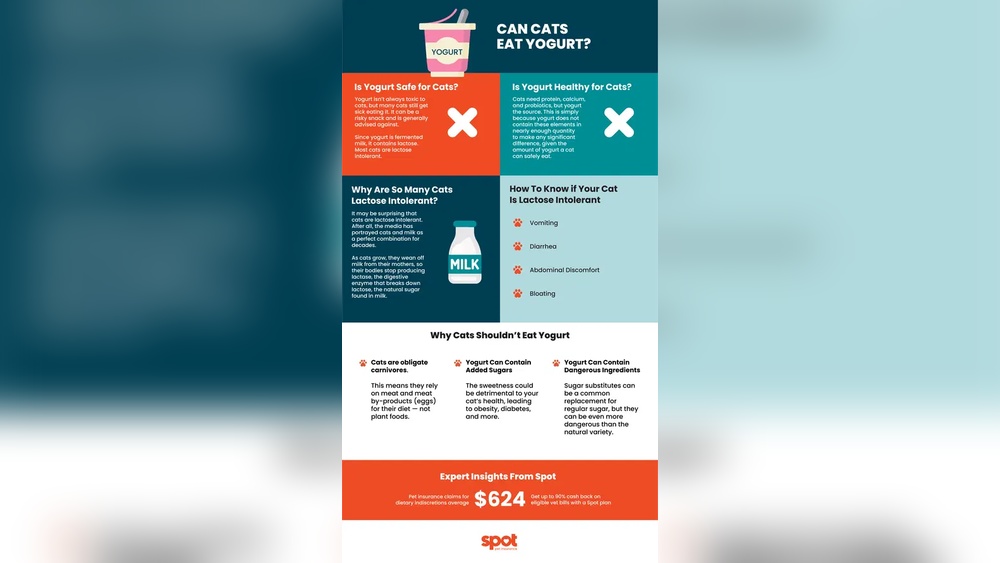
Most adult cats are lactose intolerant. Their bodies do not produce enough lactase enzyme. This enzyme breaks down lactose, the sugar in milk.
Without enough lactase, lactose stays in the gut. It ferments and causes gas, diarrhea, and stomach pain. Symptoms may appear soon after eating dairy.
Young kittens can digest lactose. They get milk from their mother. As cats grow, lactase levels drop. This makes dairy harder to digest for adult cats.
Common Dairy Products For Cats
Milk is the most common dairy product given to cats. It can cause tummy trouble for lactose-intolerant cats.
Cheese contains less lactose but can be high in fat and salt. Small amounts might be safe, but avoid feeding cheese often.
Yogurt has less lactose because of fermentation. Some cats may tolerate plain Greek yogurt better. Avoid flavored yogurts with sugar or additives.
Ice cream is not safe for cats. It has high sugar and fat and often contains lactose.

Credit: naranjosdemarbella.com
Greek Yogurt: Nutritional Profile
Greek yogurt is a popular dairy product known for its thick texture and rich taste. It offers many nutrients that support good health. Cats can benefit from some of these nutrients in small amounts. Understanding what makes Greek yogurt nutritious helps decide if it suits your cat’s diet.
This yogurt is made by straining regular yogurt to remove whey. This process makes it denser and richer in nutrients. Let’s explore the key nutritional components of Greek yogurt.
Protein And Probiotics
Greek yogurt contains high protein levels. Protein helps cats build strong muscles and maintain energy. It is an essential part of a cat’s diet.
Greek yogurt also has probiotics. These good bacteria support healthy digestion. Probiotics can help balance a cat’s gut flora and improve nutrient absorption. They may reduce stomach upset and support overall gut health.
Fat And Sugar Content
Greek yogurt varies in fat content. Full-fat versions have more calories and fat, while low-fat options contain less. Fat is important for cats but should be given in moderation to avoid weight gain.
Greek yogurt usually has low sugar levels. Excess sugar is harmful to cats and can cause health issues. Choosing plain, unsweetened Greek yogurt is best to avoid added sugars and artificial sweeteners.
Benefits Of Greek Yogurt For Cats
Greek yogurt can be a healthy treat for cats in small amounts. It offers several benefits that support a cat’s overall health. Understanding these benefits helps pet owners make better feeding choices.
The natural ingredients in Greek yogurt can aid in digestion, improve the immune system, and enhance coat quality. These benefits come from the probiotics, proteins, and vitamins found in yogurt.
Supporting Digestive Health
Greek yogurt contains probiotics that help balance good bacteria in the gut. This balance aids digestion and reduces stomach issues. It can help cats with mild digestive problems feel better.
Boosting Immune System
The probiotics in Greek yogurt also support the immune system. A stronger immune system helps cats fight off illnesses. Regular small servings may keep your cat healthier over time.
Enhancing Coat Quality
Greek yogurt is rich in protein and vitamins that nourish the skin and fur. This can lead to a shinier, softer coat. A healthy coat often reflects good overall health in cats.
Risks Of Feeding Greek Yogurt To Cats
Greek yogurt may seem like a healthy treat for cats. It contains protein and probiotics that benefit some pets. Still, feeding Greek yogurt to cats carries certain risks. Understanding these risks helps keep your cat safe and healthy.
Potential Allergies And Sensitivities
Some cats are allergic or sensitive to dairy products. Greek yogurt contains lactose, a sugar that many cats cannot digest well. Lactose intolerance causes stomach upset, diarrhea, and gas. Watch for signs of discomfort after feeding yogurt.
Additives And Sweeteners To Avoid
Many Greek yogurts contain additives, flavors, or sweeteners. Ingredients like xylitol are toxic to cats. Artificial sweeteners can cause serious health problems. Always check the label before offering yogurt to your pet.
Overfeeding Concerns
Feeding too much Greek yogurt can lead to weight gain. Yogurt has calories that add up fast. Overfeeding can upset your cat’s stomach and cause obesity. Offer small amounts only, and treat yogurt as an occasional snack.
Safe Ways To Offer Greek Yogurt To Cats
Offering Greek yogurt to cats can be safe with the right approach. It is important to choose the best kind and serve it carefully. This helps your cat enjoy the treat without any problems.
Choosing The Right Type
Pick plain Greek yogurt without sugar or flavors. Avoid yogurts with artificial sweeteners or additives. Full-fat or low-fat versions work well for cats. Organic and natural brands often have fewer ingredients. Check the label to ensure there are no harmful ingredients.
Recommended Serving Size
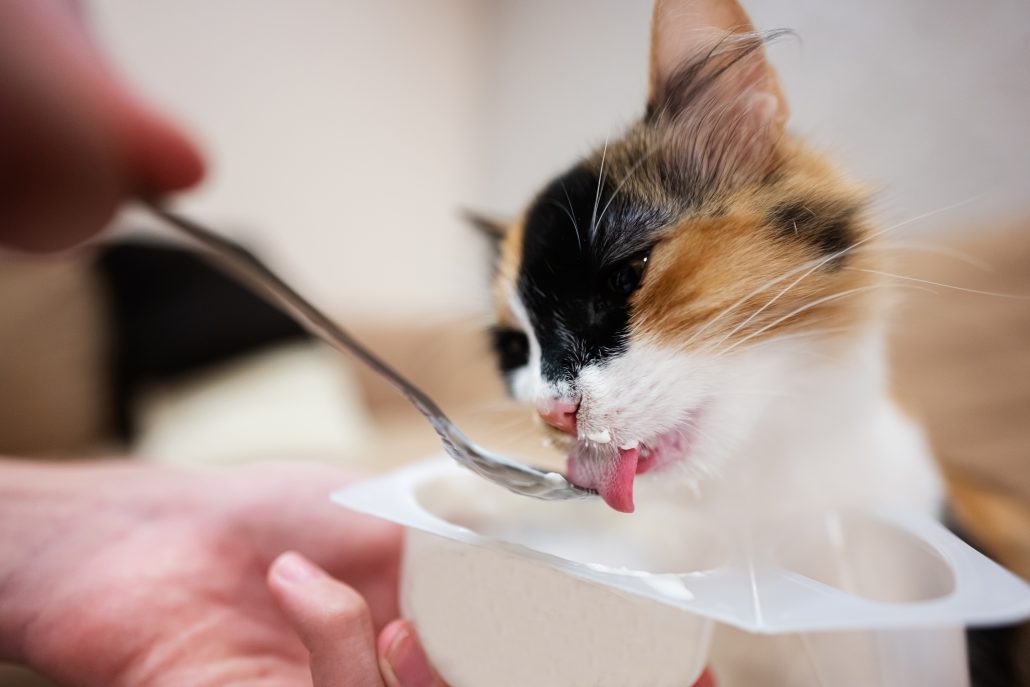
Start with a small amount, about one teaspoon. This is enough to see if your cat likes it. Too much yogurt can upset their stomach. Offer yogurt as a small treat, not a meal replacement. Keep servings limited to avoid excess calories.
Introducing Yogurt Gradually
Give yogurt slowly over several days. Watch for any signs of allergies or digestive issues. If your cat shows discomfort, stop feeding yogurt. Mix yogurt with regular food to ease the change. Gradual introduction helps your cat adjust comfortably.
Credit: www.dangerfieldsofshakopee.com
Alternatives To Greek Yogurt For Cats
Greek yogurt may not be the best choice for every cat. Some cats cannot digest dairy well. It can cause stomach upset or diarrhea. Luckily, many safe and healthy alternatives exist. These options provide probiotics and tasty treats for cats.
Other Probiotic Sources
Probiotics help support a cat’s digestive health. Plain, unsweetened kefir is one option. It contains good bacteria and is easier to digest than yogurt. Fermented vegetables like small amounts of sauerkraut may also help. Another option is probiotic supplements made for cats. These come in powder or capsule form. Always check with a vet before starting supplements.
Non-dairy Treat Options
Many cats enjoy treats that do not contain dairy. Cooked meat like chicken or turkey is healthy and tasty. Small pieces of cooked fish, such as salmon, are also good. Some cats like freeze-dried meat treats made just for them. These treats often contain no additives or fillers. Fresh vegetables like cooked pumpkin can help digestion too.
Frequently Asked Questions
Can Cats Safely Eat Greek Yogurt?
Yes, cats can eat Greek yogurt in small amounts. It offers probiotics but should be plain and unsweetened. Avoid flavored or sugary varieties to prevent digestive issues. Always introduce it gradually to monitor for lactose intolerance.
Is Greek Yogurt Good For Cats’ Digestion?
Greek yogurt contains probiotics, which may aid some cats’ digestion. However, not all cats tolerate dairy well. Use it sparingly and watch for signs of upset stomach or diarrhea. Consult a vet before adding it regularly to your cat’s diet.
How Much Greek Yogurt Can Cats Eat Daily?
Limit Greek yogurt to a small spoonful once or twice a week. Too much dairy can cause stomach upset or diarrhea. Treat yogurt as an occasional snack, not a meal replacement, ensuring your cat maintains a balanced diet.
Can Greek Yogurt Cause Allergies In Cats?
Yes, some cats may be allergic to dairy or lactose intolerant. Symptoms include vomiting, diarrhea, or itchy skin. If you notice any adverse reactions after feeding Greek yogurt, stop giving it and consult your veterinarian immediately.
Conclusion
Greek yogurt can be a safe treat for cats in small amounts. It offers some probiotics that may help their digestion. Always check that the yogurt has no added sugars or artificial sweeteners. Some cats might not like the taste or could have lactose issues.
Watch your cat closely after giving yogurt for any signs of discomfort. Remember, plain and unsweetened Greek yogurt is best. Treats like these should not replace a balanced cat diet. Keep your pet’s health a top priority. Simple and careful feeding makes all the difference.