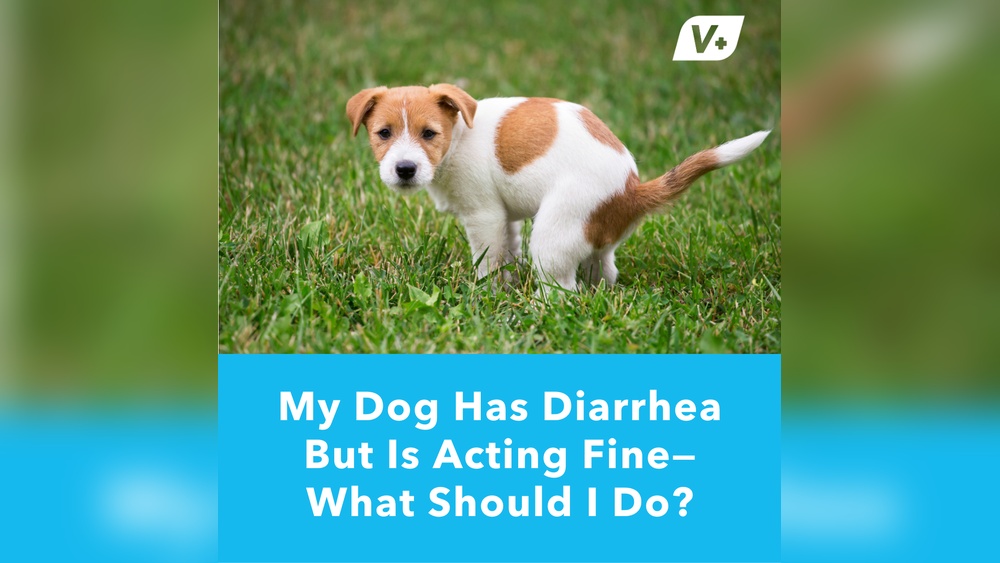
If your dog is vomiting and has diarrhea but still seems to be acting normal, you might be feeling confused and worried. You’re probably asking yourself, “Is this serious?
Should I rush to the vet or wait it out? ” Understanding what’s really going on inside your dog’s body can help you make the best decision for their health. You’ll discover the common causes behind these symptoms, when to stay calm, and when to take action.
Keep reading—your dog’s well-being depends on it.
Common Causes
Dogs may vomit or have diarrhea yet seem fine otherwise. Understanding common causes helps pet owners act wisely. Many factors can cause these symptoms without making the dog appear sick. Here are frequent reasons behind vomiting and diarrhea in dogs that still act normal.
Dietary Indiscretion
Dogs often eat things they should not. Eating garbage, spoiled food, or plants can upset their stomach. This causes vomiting or diarrhea. Usually, the dog stays active and playful despite the upset tummy. The body tries to clear the harmful food quickly.
Infections And Parasites
Viruses, bacteria, and worms can cause stomach issues. Some infections cause mild symptoms. Parasites like worms or protozoa irritate the gut lining. Dogs may vomit or have loose stools but still act normal. The immune system fights the invaders silently.
Food Allergies
Allergies to certain foods can cause digestive upset. Dogs may vomit or have diarrhea after eating specific ingredients. The reaction can be mild at first. Dogs may seem fine apart from the stomach problems. Identifying the allergen helps prevent future issues.
Stress And Anxiety
Stress affects dogs just like people. Changes in routine, new environments, or loud noises can upset them. Stress can cause vomiting or diarrhea without other symptoms. Dogs may still appear happy and active. Calming the dog often improves the condition quickly.
Credit: www.animalbiome.com
When To Monitor
Knowing when to watch your dog closely is key. Vomiting and diarrhea can be signs of many issues. Your dog may seem normal, but the symptoms can still mean trouble. Careful monitoring helps catch problems early.
Duration Of Symptoms
Keep track of how long vomiting and diarrhea last. One day might not be serious. More than 24 hours means you should watch carefully. If symptoms continue beyond two days, see a vet.
Changes In Behavior
Notice if your dog acts differently. Normal energy and appetite are good signs. If your dog becomes tired or refuses food, watch closely. Any sudden change in mood or activity is important.
Severity Of Vomiting And Diarrhea
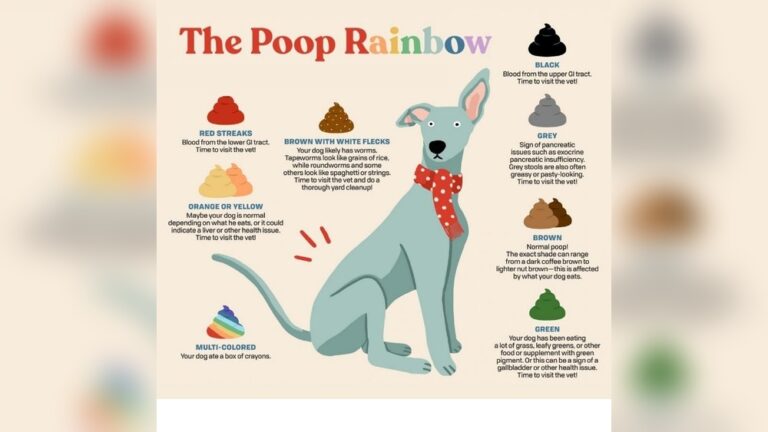
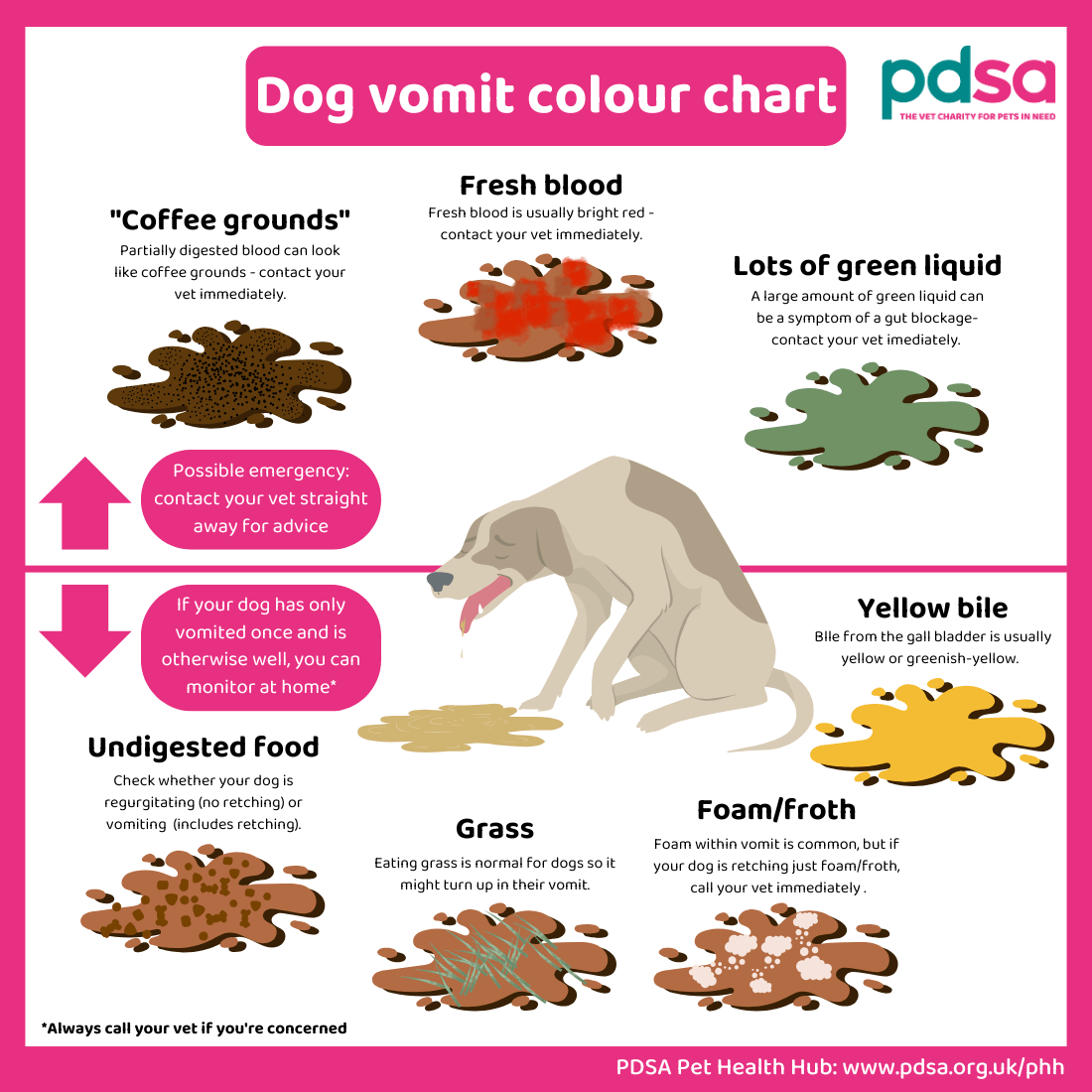
Check how strong the vomiting and diarrhea are. A little vomiting or soft stool is less serious. Large amounts or frequent vomiting need attention. Blood or unusual colors in vomit or stool are red flags.
At-home Care Tips
Dealing with your dog vomiting and having diarrhea can be stressful. If your dog acts normal, you can try some simple care steps at home. These tips help your dog feel better and avoid more serious problems.
Hydration Strategies
Keep fresh water available at all times. Offer small amounts often to prevent dehydration. You can also use ice chips if your dog refuses water. A pet electrolyte solution helps replace lost fluids and minerals. Watch for signs of dehydration like dry gums or lethargy.
Diet Adjustments
Stop feeding regular food for 12 to 24 hours. Give your dog a bland diet after fasting. Boiled chicken and rice work well. Feed small, frequent meals to avoid stomach upset. Avoid fatty, spicy, or dairy foods until your dog recovers.
Rest And Comfort
Provide a quiet and cozy place for your dog to rest. Limit physical activity and avoid stress. Keep your dog warm but not too hot. Offer gentle petting and calm words to comfort them. Rest helps the body heal faster and regain strength.
Credit: www.pdsa.org.uk
Potential Complications
Dog vomiting and diarrhea can seem mild if your pet acts normal. Yet, these signs may lead to serious problems. Understanding potential complications helps protect your dog’s health. Watch closely for any changes or worsening symptoms.
Dehydration Risks
Vomiting and diarrhea cause quick fluid loss. Dogs lose water and important salts fast. Dehydration can make your dog weak and tired. Severe dehydration needs urgent veterinary care. Keep fresh water available and encourage drinking.
Nutrient Deficiencies
Frequent vomiting and diarrhea reduce nutrient absorption. Your dog might miss vital vitamins and minerals. This affects energy and immune system strength. Long-term nutrient loss can slow healing. Feeding a balanced diet after illness is key.
Underlying Health Issues
Persistent vomiting and diarrhea may signal hidden illness. Conditions like infections, parasites, or organ problems cause these signs. Acting normal does not always mean your dog is well. A vet checkup helps find any serious causes early.
When To See A Vet
Knowing when to see a vet is important if your dog vomits or has diarrhea but acts normal. Sometimes these symptoms go away on their own. Other times, they need medical care. Watch your dog closely. Trust your instincts. Acting fast can prevent serious problems.
Persistent Symptoms
Vomiting or diarrhea lasting more than 24 hours needs a vet check. Keep track of how often it happens. If your dog vomits or has diarrhea more than twice a day, call your vet. Ongoing symptoms can cause dehydration and other health issues.
Signs Of Pain Or Lethargy
Look for signs of pain like whining or restlessness. If your dog seems tired or weak, get help. Pain or lack of energy means the problem could be serious. Your dog needs a vet to find the cause and start treatment.
Blood Or Mucus In Stool
Blood or mucus in your dog’s stool is a warning sign. It shows irritation or injury in the digestive tract. Any bleeding should be checked by a vet right away. Early care helps avoid bigger health problems later.
Preventive Measures
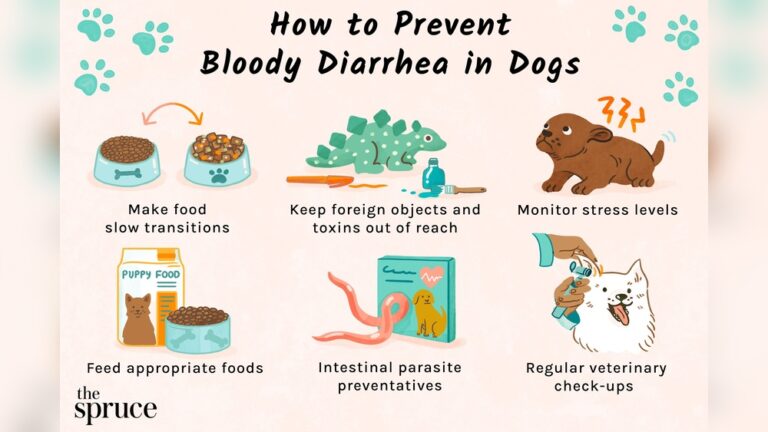
Preventing vomiting and diarrhea in dogs starts with good care and attention. Small steps help keep your dog healthy and reduce stomach issues. Focus on simple habits to protect your dog’s digestive health.
Safe Eating Habits
Feed your dog regular meals at the same time each day. Avoid giving table scraps or spoiled food. Use clean bowls and fresh water every day. Keep harmful foods like chocolate, grapes, and onions away. Watch your dog eat to stop choking or eating too fast.
Regular Vet Checkups
Visit the vet twice a year for health checks. Early detection of problems helps prevent serious illness. Share any changes in behavior or appetite with your vet. Keep vaccination schedules up to date. Regular exams catch hidden infections before they worsen.
Parasite Control
Use vet-recommended dewormers and flea treatments often. Parasites cause stomach upset and diarrhea in dogs. Keep your dog away from dirty areas and wild animals. Clean your dog’s bedding and living area regularly. Good parasite control supports strong digestion and overall health.
Credit: www.animalbiome.com
Frequently Asked Questions
Why Is My Dog Vomiting But Acting Normal?
Dogs can vomit due to minor stomach upset but still seem normal. Mild causes include dietary indiscretion or mild infections. Monitor your dog closely. If vomiting persists over 24 hours or worsens, consult a vet for proper diagnosis and treatment.
What Causes Diarrhea But Normal Behavior In Dogs?
Diarrhea with normal behavior often results from mild dietary changes, stress, or minor infections. It usually resolves quickly. However, prolonged diarrhea can lead to dehydration. Keep your dog hydrated and observe. If diarrhea lasts more than two days, seek veterinary advice.
When Should I Worry About Vomiting And Diarrhea In Dogs?
Seek veterinary care if vomiting or diarrhea lasts more than 24 hours, or if your dog shows lethargy, dehydration, or blood in vomit or stool. Persistent symptoms can indicate serious illnesses needing prompt medical attention to prevent complications.
Can Stress Cause Vomiting And Diarrhea In Dogs?
Yes, stress can trigger vomiting and diarrhea in dogs. Changes in environment, travel, or loud noises may upset their digestive system. Managing stressors and providing a calm environment helps reduce symptoms. Consult a vet if symptoms persist despite stress management.
Conclusion
Dog vomiting and diarrhea can worry any pet owner. Yet, if your dog acts normal, watch closely for changes. Keep track of symptoms and offer plenty of water. Avoid feeding rich or new foods during this time. Rest helps your dog recover faster and feel better.
Always contact a vet if symptoms last more than a day. Quick action can prevent serious problems. Your dog’s health and comfort matter most. Stay calm, observant, and ready to seek help when needed.