Cats bring comfort and joy, but they can also attract fleas and ticks. These tiny pests are more than just annoying; they can cause skin irritation, allergies, and even transmit diseases. Protecting your cat is not just about comfort—it’s about keeping your pet healthy. Choosing the best flea and tick medicine for cats can feel confusing with so many options. This guide explains what works, how to choose, and which products stand out in 2024.
Why Flea And Tick Prevention Matters
Fleas and ticks multiply fast. A single flea can lay up to 50 eggs a day, and ticks can spread illnesses like Lyme disease. Infestations cause your cat to scratch, bite, and lose fur. In severe cases, cats can get anemia or dangerous infections. For indoor cats, the risk is lower but not zero—fleas and ticks can hitch a ride on clothes or other pets.
Many cat owners focus only on visible pests, but flea eggs and larvae hide in carpets, bedding, and furniture. Preventive medicine stops infestations before they start.
Types Of Flea And Tick Medicine For Cats
Understanding your options helps you pick what’s best for your cat’s age, size, and health needs.
| Type | How It Works | Typical Duration | Best For |
|---|---|---|---|
| Topical Spot-On | Applied to the skin, spreads through oils | 1 month | Most adult cats |
| Oral Tablets | Given by mouth, works through bloodstream | 1 month | Cats who hate topical meds |
| Collars | Releases chemicals over time | Up to 8 months | Long-term control |
| Sprays & Powders | Applied to fur, kills on contact | Weeks | Quick relief, kittens |
Not every type is right for every cat. Always check age and weight limits, and talk to your vet about pre-existing health issues.
Credit: www.jordanianschoolqatar.com
Top 7 Flea And Tick Medicines For Cats In 2024
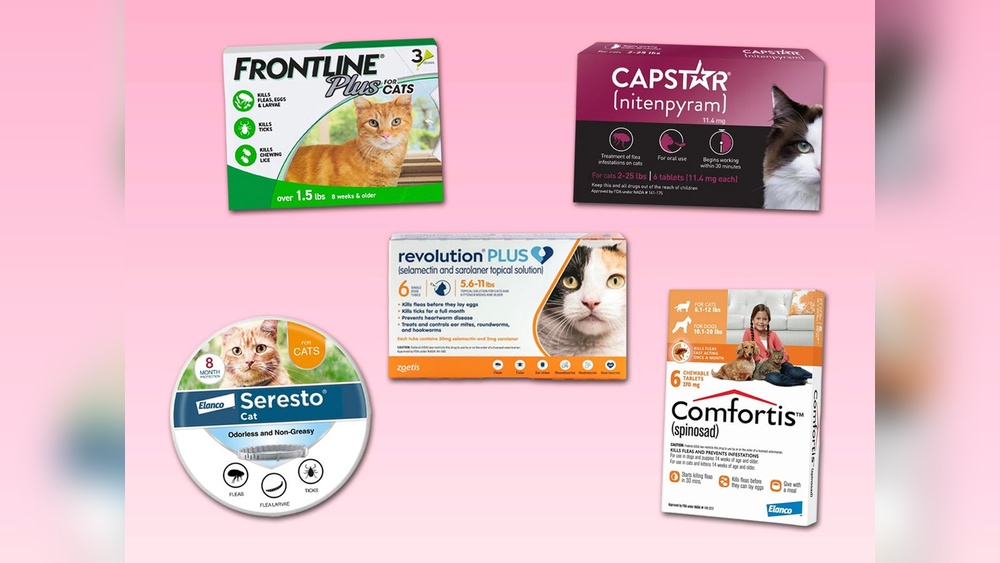
Choosing a top product means balancing effectiveness, safety, and ease of use. Here are the most trusted options:
- Frontline Plus for Cats
- Kills fleas, flea eggs, ticks, and lice.
- Waterproof and lasts 30 days.
- Safe for cats over 8 weeks old.
- One tip: Apply between the shoulder blades where your cat can’t lick.
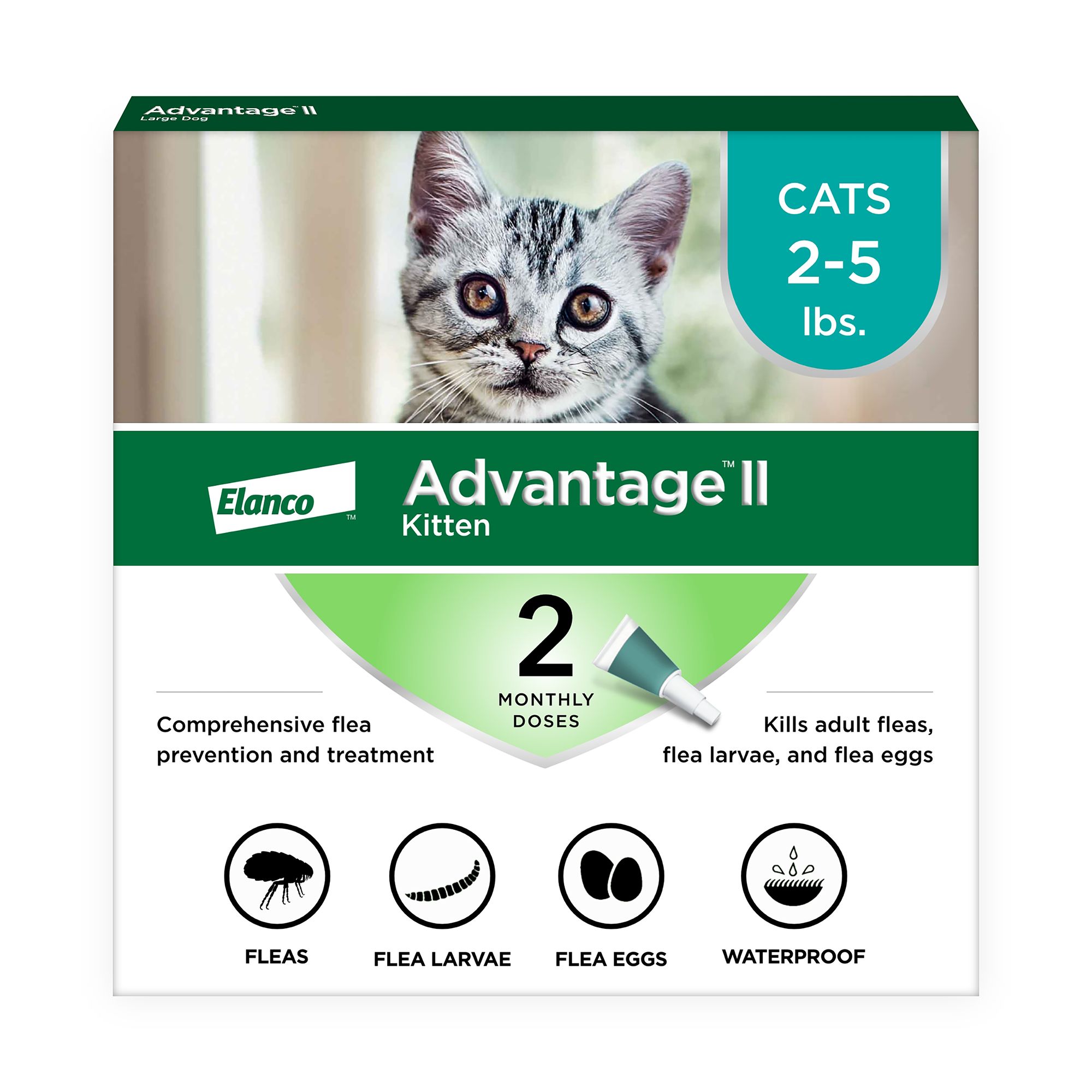
- Advantage II for Cats
- Kills all flea life stages within 12 hours.
- Controls reinfestation for a month.
- Non-greasy and fragrance-free.
- Many owners notice fewer side effects compared to other brands.
- Seresto Flea and Tick Collar
- Provides up to 8 months of continuous protection.
- Odorless and adjustable.
- Good for cats who dislike topical treatments.
- Remember to check collar fit weekly as cats grow.
- Cheristin for Cats
- Fast-acting topical, kills fleas within 30 minutes.
- Lasts for a month.
- Safe for cats over 1.8 pounds.
- Some cats may show temporary skin sensitivity—monitor after first use.
- Capstar Oral Flea Treatment
- Starts killing fleas in 30 minutes.
- Good for sudden infestations.
- Safe for kittens as young as 4 weeks.
- Not a long-term solution—best paired with another preventive.
- Revolution Plus
- Treats fleas, ticks, ear mites, roundworms, and heartworms.
- Applied monthly.
- Prescription only, but covers more parasites.
- Ideal for multi-pet homes or outdoor cats.
- Bravecto Topical Solution
- Kills fleas and ticks for up to 12 weeks.
- Waterproof after 2 hours.
- Some cats may dislike the larger dose size, so apply carefully.
Key Factors When Choosing Flea And Tick Medicine
Picking the right product isn’t just about the brand. Here’s what matters most:
- Cat’s Age and Weight: Medicines have strict guidelines. Never use dog products on cats.
- Lifestyle: Outdoor cats need stronger, broader protection.
- Ease of Application: Some cats fight spot-on treatments. Collars or oral meds may work better.
- Allergies and Health: Cats with sensitive skin or other health issues may need a gentler formula.
- Local Pest Risk: Ticks may be rare in some regions; ask your vet what’s common in your area.
One mistake many owners make: stopping treatment in winter. Fleas can survive indoors, so year-round prevention is best.
Comparing Effectiveness And Safety
This quick comparison helps you see how leading products stack up for different needs.
| Product | Fleas | Ticks | Other Parasites | Prescription Needed |
|---|---|---|---|---|
| Frontline Plus | Yes | Yes | No | No |
| Advantage II | Yes | No | No | No |
| Seresto Collar | Yes | Yes | No | No |
| Revolution Plus | Yes | Yes | Yes | Yes |
Practical Tips For Using Flea And Tick Medicine
- Read the Instructions: Dosage errors are common. Double-check weight recommendations.
- Apply to Skin, Not Fur: Topicals need direct skin contact to work.
- Monitor After Application: Watch for signs of allergy or irritation, especially with first-time use.
- Treat All Pets: Fleas jump between animals. Treat dogs and cats together if possible.
- Vacuum Regularly: This removes eggs and larvae from your home, supporting the medicine’s effectiveness.
A tip many miss: wash bedding and blankets weekly, as flea eggs hide in soft fabrics.

Credit: everestkitchennc.com
Side Effects And When To Call The Vet
Most modern flea and tick medicines are safe when used correctly, but mild irritation, drooling, or lethargy can happen. If your cat shows vomiting, loss of appetite, or trouble breathing, contact your vet immediately. Never use products meant for dogs—cat reactions can be life-threatening.
For more in-depth information, check the ASPCA guide on cat fleas and ticks.
Frequently Asked Questions
What Is The Safest Flea And Tick Medicine For Cats?
The safest options are vet-approved products made specifically for cats, like Frontline Plus and Advantage II. Always follow dosing instructions based on your cat’s weight.
Can I Use Dog Flea Medicine On My Cat?
No, never use dog flea medicine on cats. Ingredients like permethrin can be deadly to cats.
How Often Should I Treat My Cat For Fleas And Ticks?
Most products need monthly application. Some collars last up to 8 months. Year-round treatment is recommended, even for indoor cats.
Are Natural Flea Remedies Effective?
Natural remedies like diatomaceous earth or essential oils are not as effective as commercial medicines. Some oils can even be toxic to cats. Always ask your vet before using home remedies.
What Should I Do If My Cat Has A Reaction?
If your cat has a bad reaction, wash off the product with mild soap and water and call your vet immediately. Bring the medicine box so your vet knows the ingredients.
Protecting your cat from fleas and ticks is a year-round job. With the right medicine, some simple home habits, and regular vet advice, your cat can stay healthy, happy, and itch-free.
Credit: www.businessinsider.com