If you’ve noticed your cat scratching more than usual, it could be a sign of something hidden – flea eggs on your cat. These tiny, almost invisible pests can cause big problems if left unchecked.
You might wonder how to spot them, why they matter, and what you can do to protect your furry friend. Keep reading, because understanding flea eggs is the first step to keeping your cat happy and itch-free. Don’t let these little invaders take over your home!
Credit: www.reddit.com
Signs Of Flea Eggs On Cats
Flea eggs on cats often go unnoticed but show clear signs. Detecting flea eggs early helps stop infestations fast. Cats cannot tell us about flea problems. So, observing signs closely is key. These signs include visual clues, behavior changes, and common egg spots on the cat’s body.
Visual Clues On Fur
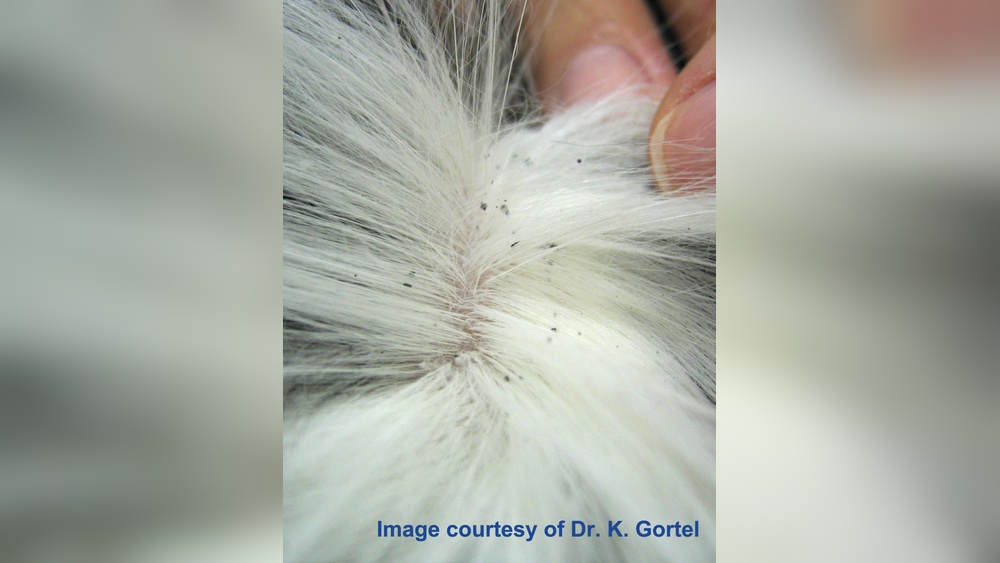
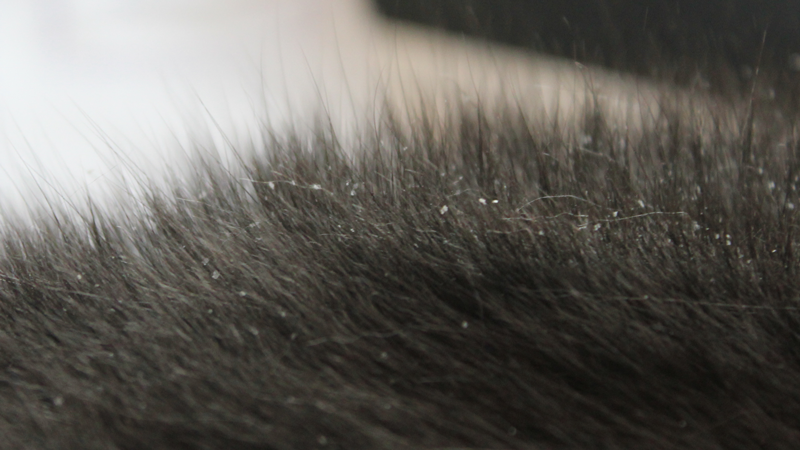
Flea eggs look like tiny white grains on fur. They are smaller than flea dirt or fleas. Eggs may stick near the skin or hide in thick fur. Check around the neck, belly, and tail base. Use a fine-toothed comb to find eggs. Eggs often fall off, so see the cat’s bedding too.
Behavioral Changes In Cats
Fleas irritate cats, causing itching and scratching. Cats may bite or lick their fur more than usual. Restlessness or constant grooming can mean flea trouble. Some cats hide or become less active. Look for sudden mood changes or discomfort signs.
Common Flea Egg Locations
Flea eggs favor warm, hidden spots on cats. The neck and behind the ears are common places. Eggs also gather around the tail base and belly. Check inside leg folds and under the collar area. Flea eggs drop into bedding, carpets, and furniture too.
Credit: fleascience.com
Life Cycle Of Fleas
Fleas are tiny pests that cause big problems for cats. Understanding their life cycle helps in controlling them. Fleas go through several stages before becoming adults. Each stage has its own role and timing. This cycle repeats quickly, which makes flea control a challenge.
From Egg To Adult
The flea life cycle starts with eggs. A female flea lays about 20 eggs a day on the cat. These eggs are tiny, white, and smooth. They fall off the cat into the environment, like carpets or bedding.
After a few days, the eggs hatch into larvae. These larvae avoid light and feed on flea dirt. Larvae grow for about one to two weeks before turning into pupae. The pupae form a protective cocoon and stay hidden.
Inside the cocoon, the flea changes into an adult. Adults emerge when they sense warmth and movement. Adult fleas jump onto a host, like your cat, and start feeding on blood. They then begin laying eggs, continuing the cycle.
Environmental Factors Affecting Growth
Temperature and humidity affect flea growth speed. Warm and humid places help eggs and larvae grow fast. Cold or dry conditions slow down development. Fleas thrive best between 70 and 85 degrees Fahrenheit.
Dark and moist areas are perfect for larvae and pupae. Sunlight and dry places kill eggs and larvae quickly. Cleaning and drying pet areas can reduce flea populations. Controlling the environment is key to stopping fleas.
Effective Flea Egg Removal Techniques
Removing flea eggs from your cat is key to stopping flea infestations. Eggs are tiny and stick to your cat’s fur. They fall off and hatch in your home. Cleaning both your cat and living space is important. Use simple, effective methods to get rid of eggs quickly. This helps keep your cat healthy and comfortable.
Using Flea Combs
Flea combs are a great tool to remove eggs and fleas. These combs have very fine teeth. Brush your cat’s fur carefully, section by section. Focus on areas like the neck and tail base. Dip the comb in soapy water after each pass. This kills the fleas and eggs caught on the comb. Repeat daily for best results.
Bathing And Grooming Tips
Bathing your cat helps wash away flea eggs and dirt. Use a mild flea shampoo made for cats. Wet your cat thoroughly and apply shampoo gently. Avoid the eyes and ears. Let the shampoo sit for a few minutes before rinsing. Dry your cat well with a towel. Regular grooming keeps fur clean and less attractive to fleas.
Home Cleaning Strategies
Flea eggs fall off your cat and hide in your home. Vacuum carpets, rugs, and furniture often. Dispose of vacuum bags or empty canisters outside. Wash your cat’s bedding in hot water weekly. Clean floors and corners where eggs might hide. This stops eggs from hatching and spreading.
Best Flea Treatments For Cats
Fleas on cats cause discomfort and can lead to skin problems. Treating flea eggs effectively stops the flea life cycle. The best flea treatments for cats target both adult fleas and their eggs. Safe, easy options exist for every cat and owner.
Topical Solutions
Topical flea treatments work by applying medicine directly to your cat’s skin. These solutions spread across the body and kill fleas quickly. Many products kill flea eggs and larvae too. They usually last for a month before needing reapplication. These treatments are simple and effective for most cats.
Oral Medications
Oral flea medicines come in pill or chew form. They work by entering your cat’s bloodstream. When fleas bite, they ingest the medicine and die. Some oral meds kill flea eggs and stop new fleas from hatching. These treatments are easy to give and often fast acting.
Natural Remedies
Natural flea treatments use ingredients like essential oils or herbs. They repel fleas and reduce egg laying without harsh chemicals. Some natural options include diatomaceous earth and apple cider vinegar. These remedies can be gentle for cats with sensitive skin. Always check safety and ask a vet before use.
Preventing Flea Reinfestation
Preventing flea reinfestation on cats requires steady care and attention. Flea eggs can quickly turn into a new problem if not stopped early. Keeping your cat and home free from fleas means breaking the flea life cycle. Small steps every day make a big difference.
Regular Grooming Routine
Brush your cat often to find fleas and eggs early. Use a fine-toothed flea comb to catch tiny eggs. Grooming helps spot fleas before they spread. Regular checks keep your cat comfortable and clean. Baths with flea shampoo reduce flea numbers on your pet.
Maintaining A Clean Environment
Vacuum floors, carpets, and furniture to remove flea eggs and larvae. Wash your cat’s bedding every week in hot water. Clean areas where your cat rests to stop flea growth. Keeping your home tidy lowers chances of flea reinfestation. Dispose of vacuum bags or empty cans outside.
Seasonal Flea Control
Fleas thrive in warm months but can appear year-round indoors. Use flea preventives recommended by your vet during peak seasons. Seasonal treatments protect your cat from new fleas. Monitor your cat’s condition throughout the year for any signs. Early action reduces the risk of heavy infestations.

Credit: www.reddit.com
When To See A Veterinarian
Knowing when to see a veterinarian for flea eggs on your cat is very important. Fleas can cause serious problems if not treated quickly. Early care helps stop the spread and keeps your cat safe.
Signs Of Severe Infestation
Look for constant scratching and biting. Hair loss or bald patches can appear. Small red bumps or scabs on the skin show irritation. You may see many fleas or flea dirt on your cat’s fur. These signs mean the infestation is serious and needs expert help.
Health Risks From Fleas
Fleas can cause skin allergies and infections. Cats may lose a lot of blood if fleas are many. Fleas can spread tapeworms and other diseases. Young or weak cats face higher risks. Protect your cat by getting treatment fast.
Professional Treatment Options
Veterinarians offer strong flea medicines that work well. They may use sprays, shampoos, or oral drugs. A vet can also check your cat for other health issues. Professional care ensures fleas and eggs are fully removed. Follow the vet’s advice for best results.
Frequently Asked Questions
What Do Flea Eggs On Cats Look Like?
Flea eggs are tiny, white, and oval-shaped. They often look like small grains of salt on your cat’s fur. They are hard to see without close inspection.
How Quickly Do Flea Eggs Hatch On Cats?
Flea eggs usually hatch within 1 to 2 weeks. Warm and humid conditions speed up the process. After hatching, flea larvae start feeding on organic debris.
Can Flea Eggs Cause Harm To My Cat?
Flea eggs themselves don’t bite or harm cats. But they hatch into fleas, which can cause itching and skin problems. Treating eggs early helps stop infestations.
How Can I Remove Flea Eggs From My Cat?
Use a fine-toothed flea comb to remove eggs from fur. Bathing your cat with flea shampoo also helps. Regular cleaning of bedding and home prevents re-infestation.
Do Flea Eggs Survive Off Cats In The Environment?
Yes, flea eggs can fall off and survive in carpets and furniture. They can hatch and continue the flea life cycle. Cleaning your home is key to controlling fleas.
Conclusion
Flea eggs on cats can cause serious problems if left unchecked. Treat your pet regularly to stop fleas early. Clean your home often to remove eggs and larvae. Watch your cat’s behavior for signs of fleas. Quick action keeps your cat healthy and happy.
Stay patient; flea control takes time and care. Protect your cat with gentle, safe methods every day. Small steps make a big difference against flea eggs.