If your dog is shaking and vomiting, you’re likely feeling worried and unsure about what’s wrong. These signs can be scary to see, and you probably want to understand what’s causing them and what you should do next.
You’ll discover the common reasons behind these symptoms, how to tell if your dog needs urgent care, and simple steps you can take to help your furry friend feel better. Keep reading—your dog’s health might depend on what you learn here.

Credit: pewaukeeveterinaryservice.com
Common Causes
Dogs shake and vomit for many reasons. Understanding common causes helps you act quickly. Some causes are mild. Others need urgent care. Knowing what triggers these signs can protect your dog’s health.
Infections And Illnesses
Bacterial and viral infections often cause shaking and vomiting. Dogs with the flu or parvovirus show these symptoms. Fever and weakness usually come with infections. Prompt veterinary help is important for recovery.
Toxic Ingestions
Dogs may eat harmful substances by mistake. Poisonous plants, chemicals, or spoiled food can cause vomiting and shaking. These toxins affect their stomach and nervous system. Immediate vet attention can save their life.
Gastrointestinal Issues
Upset stomachs from eating bad food cause vomiting and trembling. Issues like gastritis or intestinal blockages also trigger these signs. Digestive problems often make dogs feel weak and restless.
Pain And Discomfort
Physical pain may cause dogs to shake and vomit. Injuries, arthritis, or internal problems create discomfort. Shaking is a natural reaction to pain. Watch for limping or unusual behavior too.
Neurological Problems
Nervous system disorders can cause shaking and vomiting. Conditions like seizures or vestibular disease affect balance and control. These problems need careful diagnosis and treatment by a vet.
Recognizing Symptoms
Recognizing symptoms of dog shaking and vomiting is important for pet owners. These signs often indicate health issues needing attention. Early detection helps protect your dog’s well-being. Understanding these symptoms makes it easier to act quickly and seek help.
Signs Of Shaking
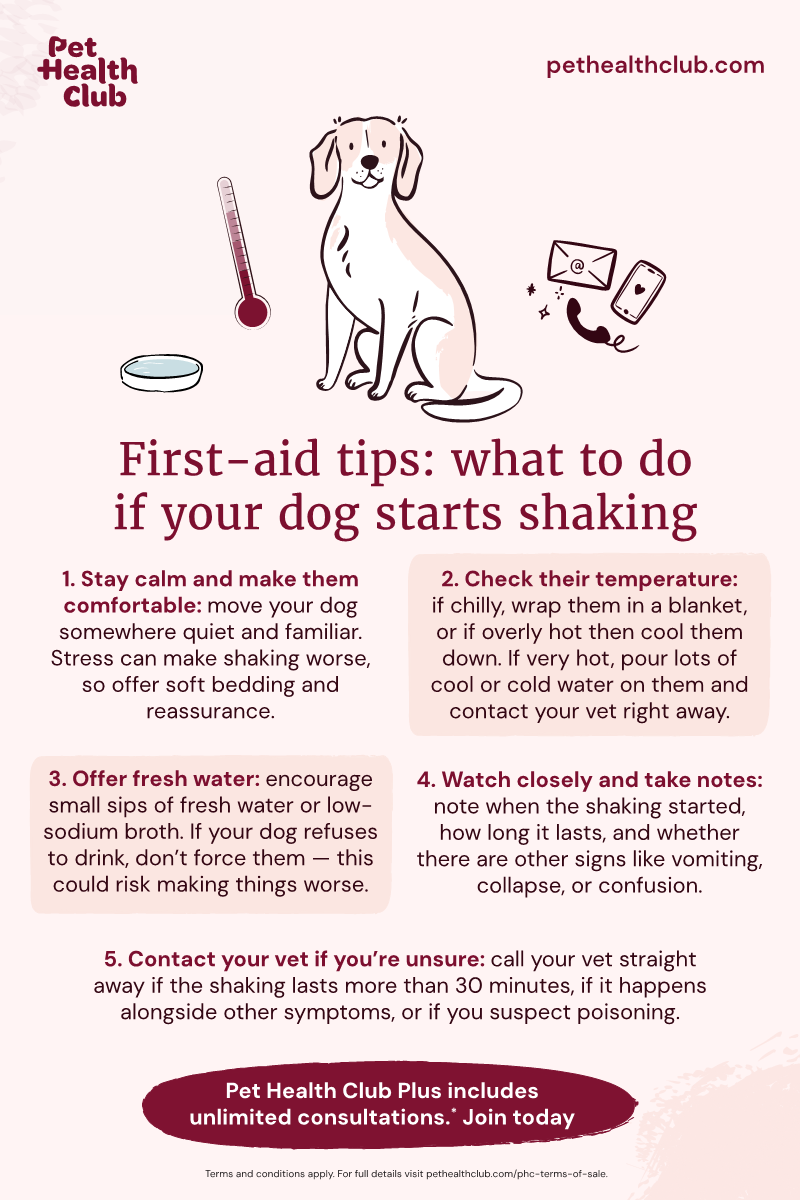
Shaking can be mild or severe. It may happen in the whole body or just parts, like legs or head. Watch for trembling that lasts longer than a few seconds. Shaking might occur after eating or during rest. Notice if your dog shakes more than usual or in unusual ways.
Vomiting Patterns
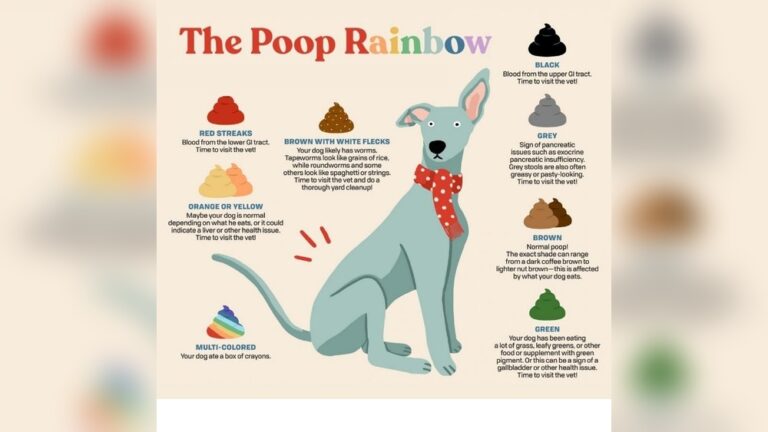
Observe how often your dog vomits. Vomiting once might not be serious, but repeated vomiting is a concern. Check the color and content of the vomit. Clear, foamy, or yellow bile can mean different issues. Vomiting after eating or drinking could signal stomach problems.
Additional Warning Signs
Other signs might show alongside shaking and vomiting. Look for diarrhea, loss of appetite, or weakness. Fever or unusual breathing patterns may also appear. These symptoms together suggest your dog needs a vet visit soon.
Behavioral Changes
Your dog’s behavior may change with illness. They might hide, seem restless, or show aggression. Lack of interest in walks or play is a red flag. Pay attention to sleep changes and unusual vocal sounds. These behaviors help reveal underlying health problems early.
At-home Care
When your dog is shaking and vomiting, at-home care can help ease their discomfort. You need to act carefully and observe your dog closely. Some simple steps might prevent the problem from getting worse.
When To Withhold Food And Water
Stop giving food for about 12 hours. This rest helps the stomach settle. Offer small amounts of water after a few hours. Avoid large drinks that may cause vomiting again. Watch your dog’s reaction before giving more.
Comfort Measures
Create a calm and quiet space for your dog. Use soft bedding to keep them warm. Avoid loud noises and bright lights. Gently pet your dog to soothe anxiety. Keep the area clean to prevent infection.
Monitoring Your Dog
Check your dog’s behavior every hour. Note any changes in shaking or vomiting. Look for signs of dehydration like dry gums or sunken eyes. Observe their energy level and alertness. Record these details to share with your vet.
Safe Remedies To Try
Offer small amounts of plain boiled chicken and rice after fasting. Use electrolyte solutions made for pets, not humans. Ginger can help calm nausea but consult your vet first. Avoid giving medicines without professional advice.
When To See A Vet
Knowing when to see a vet for a dog shaking and vomiting is very important. Some signs need quick action to keep your dog safe. Other times, a vet visit helps find the cause and give proper care. Watch your dog closely and act fast if needed.
Emergency Symptoms
Call a vet right away if your dog has trouble breathing. Look for severe weakness or collapse. Blood in vomit or diarrhea needs urgent care. Continuous shaking or seizures also need fast help. These signs show serious health problems.
Diagnostic Tests
The vet may run tests to find the cause. Blood tests check for infections or organ problems. X-rays or ultrasounds help see inside the body. Stool samples may be needed to find parasites. These tests guide the best treatment plan.
Treatment Options
Treatment depends on the cause of shaking and vomiting. The vet might give fluids to prevent dehydration. Medications can stop vomiting and reduce pain. Surgery is possible if there is a blockage. Rest and special diets often help recovery.
Follow-up Care
Follow the vet’s advice for medicine and diet. Watch your dog for any new or returning symptoms. Keep all follow-up appointments for check-ups. Report any changes in behavior or health to the vet. Proper care helps your dog heal faster.
Preventive Tips
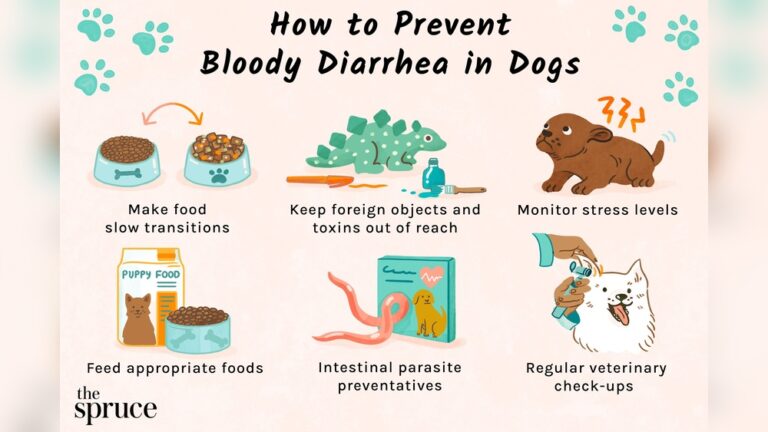
Preventing your dog from shaking and vomiting starts with simple daily care. Good habits can keep your pet healthy and happy. Small steps make a big difference in avoiding these issues.
Diet And Hydration
Feed your dog a balanced diet made for their size and age. Avoid giving them spoiled or human food that can upset their stomach. Fresh water should be available all day. Proper hydration helps digestion and prevents vomiting.
Avoiding Toxins
Keep harmful substances out of your dog’s reach. Common toxins include certain plants, chemicals, and human medications. Check your home and yard for anything dangerous. Teaching family members about these risks is important too.
Regular Health Checkups
Visit the vet for regular exams. Early detection of illness helps prevent serious problems. Vaccinations and parasite control are key parts of care. Ask the vet about any unusual behavior like shaking.
Stress Reduction
Stress can cause your dog to shake or vomit. Create a calm and safe environment at home. Offer a quiet space and routine playtime. Avoid loud noises and sudden changes that scare your pet.

Credit: wagwalking.com
Credit: www.pethealthclub.com
Frequently Asked Questions
Why Is My Dog Shaking And Vomiting Suddenly?
Sudden shaking and vomiting in dogs may signal illness or poisoning. Immediate vet consultation is essential to diagnose and treat underlying causes effectively.
Can Stress Cause Dog Shaking And Vomiting?
Yes, stress or anxiety can trigger shaking and vomiting in dogs. Identifying stressors and providing a calm environment helps reduce these symptoms.
When Should I Worry About Dog Shaking And Vomiting?
Seek urgent veterinary care if shaking and vomiting persist, worsen, or are accompanied by lethargy, diarrhea, or seizures. Early intervention is critical.
What Are Common Causes Of Dog Vomiting And Shaking?
Common causes include infections, toxins, gastrointestinal issues, pain, or neurological problems. Proper diagnosis by a vet is necessary for targeted treatment.
Conclusion
Dog shaking and vomiting can signal health problems. Watching your pet closely helps catch issues early. Acting fast may prevent serious illness. Always seek vet advice for proper care. Keeping your dog safe and healthy is key. Small changes in behavior matter a lot.
Trust your instincts and stay alert. Your dog’s well-being depends on your attention.