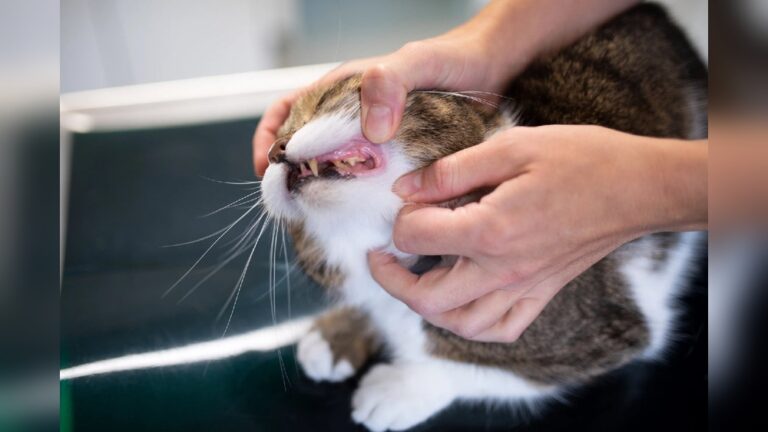
Is your cat scratching more than usual? You might be wondering, “How do I know if my cat has fleas?” Fleas are tiny pests that can cause big problems for your furry friend.
They don’t just make your cat uncomfortable—they can lead to itching, skin infections, and even more serious health issues. The good news is, spotting fleas early can save your cat a lot of pain and you a lot of stress.
You’ll discover simple signs to watch for and easy steps to check your cat. By the end, you’ll feel confident knowing exactly what to do to protect your beloved pet. Keep reading to learn how to catch fleas before they become a bigger problem.
Credit: petarmor.com
Common Flea Symptoms
Fleas cause many problems for cats and their owners. These tiny pests can make your cat very uncomfortable. Knowing the common flea symptoms helps you act quickly. Early detection can protect your cat from more serious issues.
Watch for changes in your cat’s behavior or skin. Fleas leave signs that you can spot at home. Check your cat often, especially if it spends time outdoors or with other pets.
Excessive Scratching
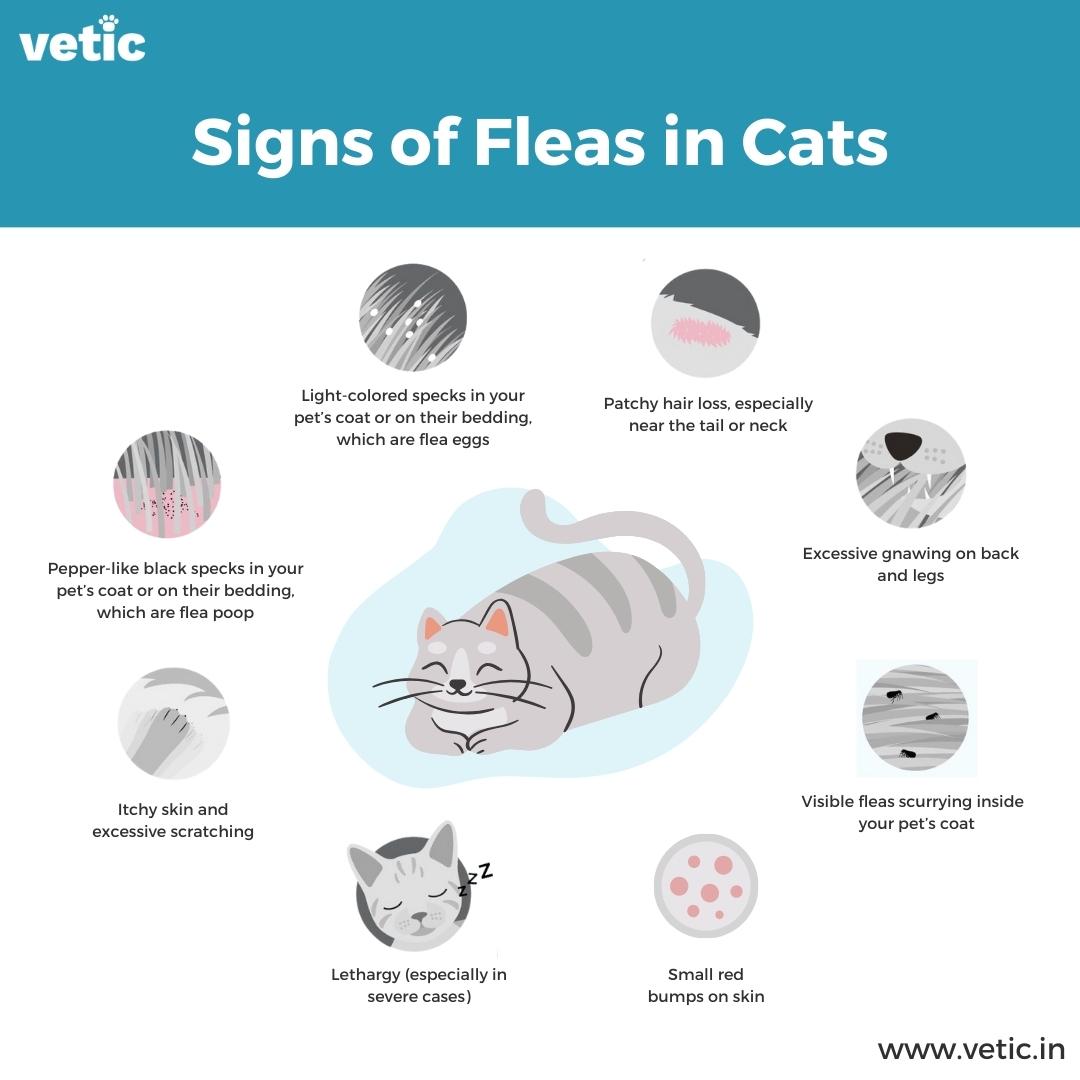
One of the first signs of fleas is constant scratching. Your cat may scratch more than usual. It may bite or lick certain spots on its body. Scratching is your cat’s way to relieve flea bites.
Visible Flea Dirt
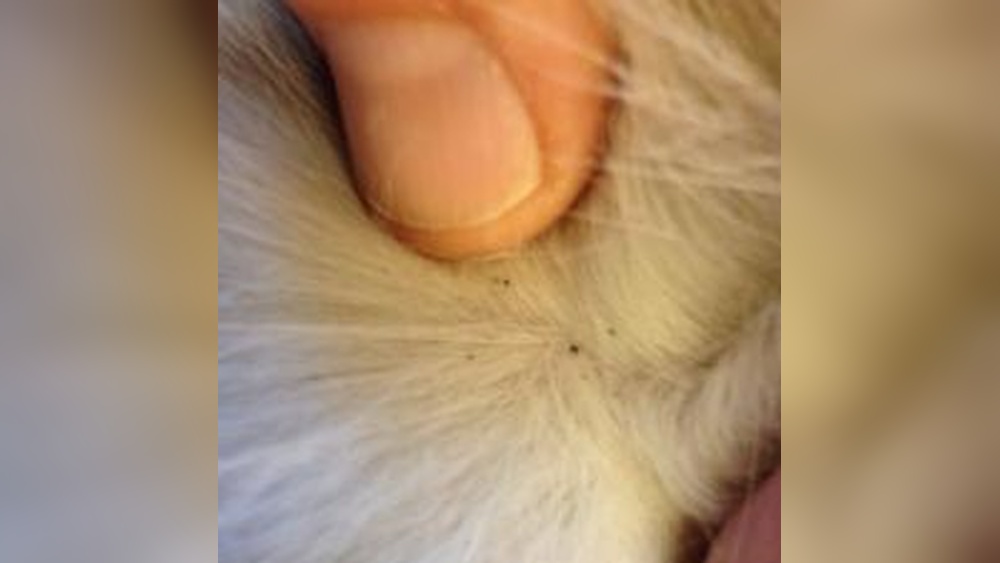
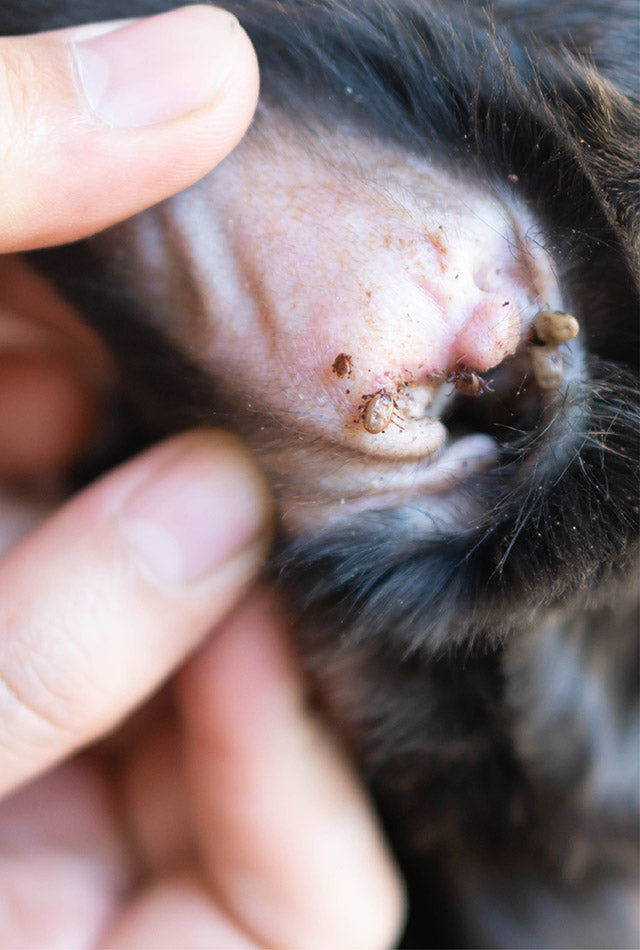
Flea dirt looks like tiny black or brown specks on fur. It is flea waste and can be seen on your cat’s skin. Check behind the ears, neck, and near the tail. Flea dirt feels gritty and may turn red if wet.
Red Or Irritated Skin
Flea bites cause red, swollen, or irritated skin. Your cat’s skin may look rough or have small bumps. Areas with less fur, like the belly, are often affected. This irritation can lead to hair loss if fleas stay too long.

Credit: www.icecreamfactoryny.com
Behavioral Changes In Cats
Behavioral changes in cats often signal health problems. Fleas cause discomfort and can change how your cat acts. Watching your cat’s behavior helps catch flea issues early. Sudden shifts in mood or habits may mean fleas are present. Observe your cat closely for signs of distress or irritation.
Restlessness And Agitation
A cat with fleas often shows restlessness. It may pace or move around more than usual. Your cat might seem nervous or unable to settle. Flea bites cause itching that disrupts calm and sleep. This constant irritation leads to noticeable agitation.
Frequent Grooming
Increased grooming is a clear sign of fleas. Cats lick and scratch more to ease itching. They focus on certain areas like the neck or tail base. Overgrooming can create sore spots on the skin. This behavior helps reduce flea discomfort but can cause skin issues.
Hair Loss Spots
Fleas often cause hair loss in patches. Your cat may have bald spots or thinning fur. These areas result from scratching or biting flea bites. Check your cat’s skin for redness or scabs too. Hair loss spots show your cat struggles with fleas.
Checking Your Cat For Fleas
Checking your cat for fleas is important for their health. Fleas cause itching and skin problems. Early detection helps stop fleas from spreading. Regular checks keep your cat comfortable and safe.
Using A Flea Comb
A flea comb has very fine teeth. Comb through your cat’s fur slowly. Focus on the neck and tail areas. Fleas or dirt will get caught in the comb. Wipe the comb on a white paper towel. Watch for tiny black or brown spots. These spots may be fleas or flea dirt.
Inspecting Fur And Skin
Look closely at your cat’s fur and skin. Part the fur to see the skin. Check for red bumps or sores. Flea bites often cause small red marks. Notice if your cat scratches or bites itself more. Skin irritation can signal fleas are present.
Spotting Flea Eggs
Flea eggs are tiny and white. They look like small grains of salt. Eggs often collect near the base of the fur. Check behind the ears and on the belly. Eggs may fall off your cat onto bedding. Regular cleaning helps remove eggs and stops fleas.
Environmental Signs Of Fleas
Fleas do not just stay on your cat. They spread to your home. You can find clues of fleas in your environment. These signs help you know if your cat has fleas. Watch your pet’s bedding, your skin, and your home for hints.
Flea Presence In Bedding
Check your cat’s bedding carefully. Fleas and their eggs hide in soft areas. Look for tiny black dots. These are flea dirt, flea waste. You may also see small white eggs. Fleas lay eggs in warm, cozy places. A thorough cleaning and vacuuming help remove them.
Flea Bites On Humans
Fleas can bite people too. Flea bites cause red, itchy bumps on skin. These often appear on ankles and legs. Bites may be in clusters or lines. If you notice bites after petting your cat, fleas might be in your home. Using mild anti-itch cream can ease discomfort.
Flea Activity In Home
Fleas jump and move quickly. You might see tiny black or brown spots moving on floors or carpets. Fleas prefer dark, warm areas like under furniture. Use a flashlight at night to spot them. Regular vacuuming and cleaning reduce flea numbers. Early detection stops fleas from spreading fast.
Health Risks From Fleas
Fleas are more than just annoying pests for cats. They can cause serious health problems. Understanding these risks helps you protect your cat better. Fleas affect your cat’s skin, blood, and overall health. Spotting fleas early can prevent these issues.
Allergic Reactions
Some cats are allergic to flea bites. Their skin becomes red and itchy. They scratch and bite themselves a lot. This can cause sores and infections. Allergic reactions make your cat very uncomfortable. It may lose fur in some areas.
Anemia In Cats
Fleas feed on your cat’s blood. A heavy flea infestation can cause anemia. This means your cat has fewer red blood cells. Anemia makes your cat weak and tired. Kittens and older cats are at higher risk. Severe anemia needs urgent veterinary care.
Transmission Of Diseases
Fleas can carry harmful germs and parasites. They may pass tapeworms to your cat. Fleas also spread bacteria that cause illnesses. These diseases affect your cat’s health deeply. Keeping fleas away lowers the chance of disease.
Credit: mmguide.nl
When To See A Vet
Knowing when to take your cat to the vet is important for their health. Fleas can cause many problems that need a doctor’s care. Watch your cat closely for signs that need professional help. Early visits prevent bigger issues later.
Severe Skin Infections
Fleas can cause wounds and sores on your cat’s skin. These may get red, swollen, or have pus. Such infections hurt your cat and can spread quickly. A vet can give medicine to heal these infections fast.
Persistent Scratching
Scratching is normal sometimes. But if your cat scratches all day and night, it shows distress. Constant itching can break the skin and cause pain. A vet can find the cause and offer relief with proper treatment.
Signs Of Anemia
Fleas suck blood, leading to anemia in some cats. Look for pale gums, weakness, or tiredness. Your cat may breathe fast or seem less active. A vet can check blood levels and give the right care for anemia.
Frequently Asked Questions
How Can I Tell If My Cat Has Fleas?
Look for excessive scratching, biting, or grooming. Check for small black specks (flea dirt) on fur. Fleas cause red, irritated skin and hair loss.
What Are Common Flea Symptoms On Cats?
Common symptoms include itching, hair loss, red bumps, and scabs. Fleas can cause restlessness and skin infections in cats.
Where Do Fleas Hide On A Cat’s Body?
Fleas often hide near the neck, tail base, and behind ears. They prefer warm, hidden areas on a cat’s body.
Can Flea Dirt Confirm Fleas On My Cat?
Yes, flea dirt looks like tiny black specks. Place it on wet paper; if it turns reddish, it’s flea feces.
Conclusion
Checking your cat for fleas helps keep them healthy and happy. Watch for signs like scratching or small black dots on fur. Regular grooming and cleaning your home reduce flea risks. Act quickly if you find fleas to stop them from spreading.
Remember, a flea-free cat means less itching and more comfort. Stay alert and care for your pet with simple steps. Your cat will thank you with purrs and playfulness.