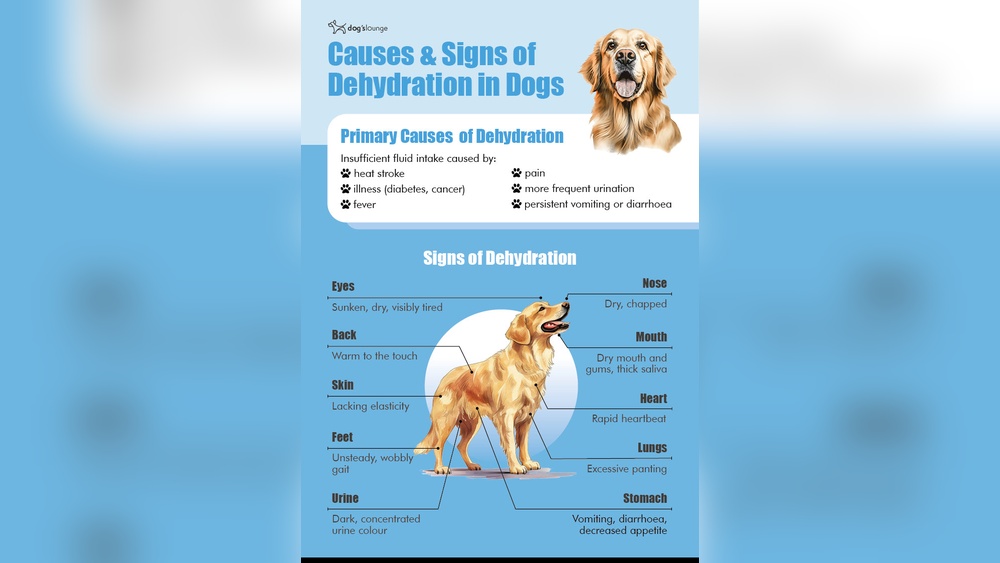
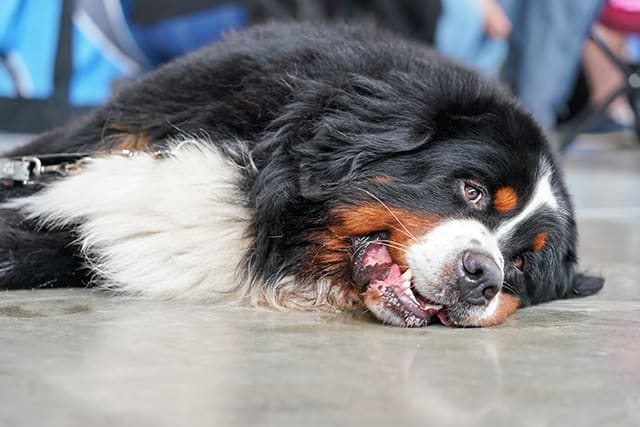
If your dog seems tired, has dry gums, or is drinking less water than usual, they might be dehydrated. Dehydration in dogs can happen quickly and can be very dangerous if not treated right away.
You want to make sure your furry friend feels better fast. You will discover easy and effective ways to spot dehydration early and how to treat it at home or when to seek help from a vet. Keep reading to learn how to protect your dog and keep their health strong.
Signs Of Dehydration In Dogs
Dehydration in dogs is a serious condition that needs quick attention. Early detection helps prevent health problems. Knowing the signs can save your dog from severe illness.
Dogs show different signs when they lose too much water. These signs fall into two main groups: physical symptoms and behavioral changes. Watch for both types to spot dehydration early.
Physical Symptoms
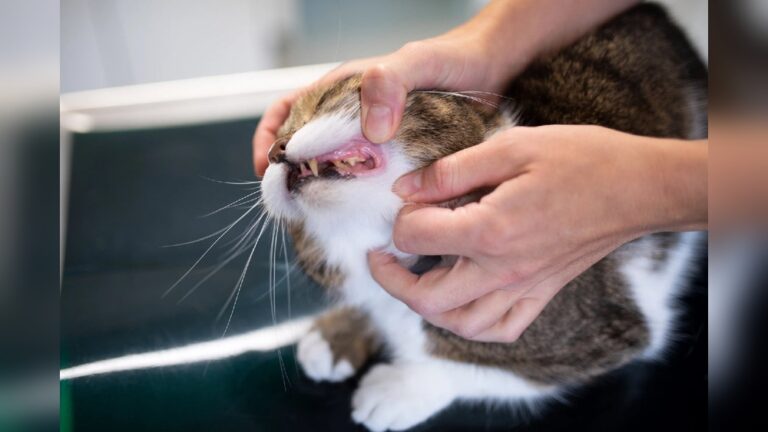
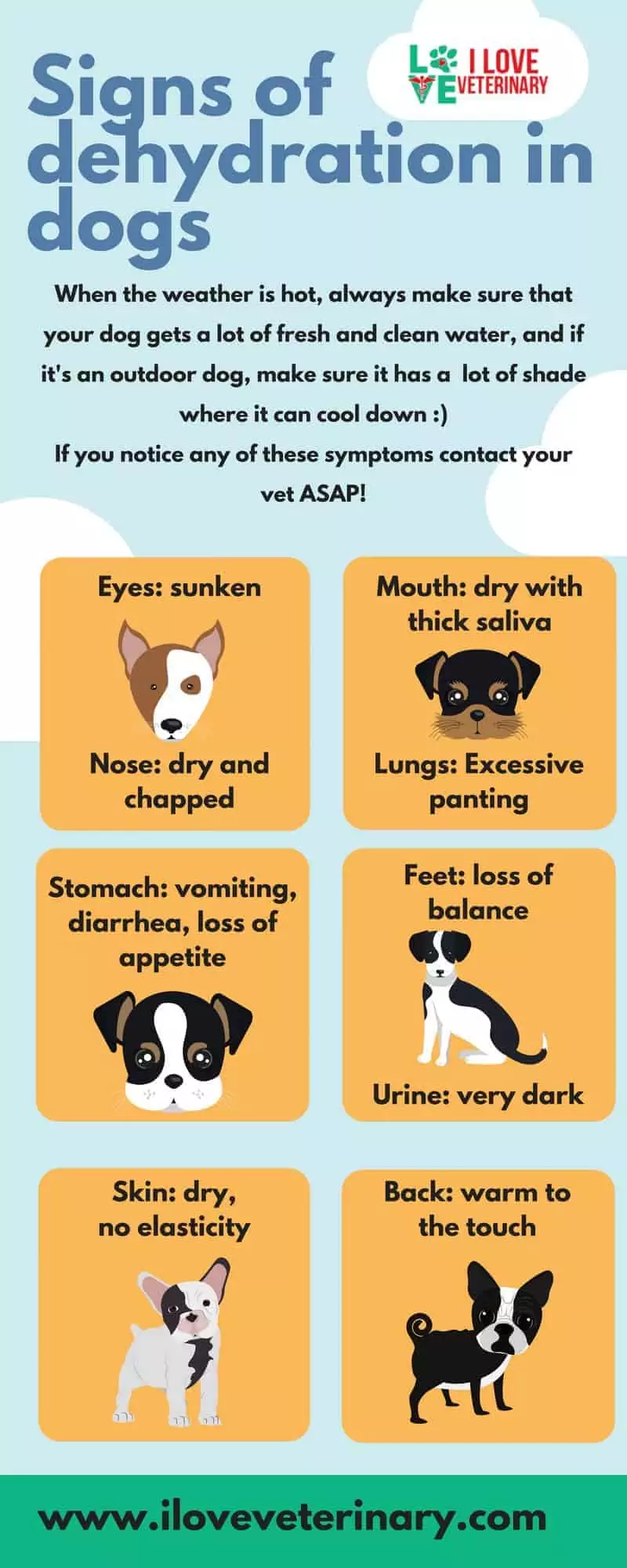
Dry mouth and nose are common signs of dehydration. The gums may look sticky or pale instead of moist and pink. Sunken eyes often indicate a lack of fluids. Skin loses its stretchiness; pinch the skin gently. If it doesn’t snap back quickly, your dog might be dehydrated. Weak pulse and rapid heartbeat can also occur. Check for heavy panting or low energy too.
Behavioral Changes
Dehydrated dogs may act tired or weak. They often seem less interested in play or walks. Some dogs hide or seek cool, shady places. Loss of appetite is common. You might notice your dog drinking less water, which worsens the problem. Restlessness or irritability can appear as well. These changes help identify dehydration beyond physical signs.
Causes Of Dehydration In Dogs
Dehydration happens when a dog loses more water than it takes in. This can be harmful and needs quick care. Understanding what causes dehydration helps protect your dog. Some common reasons include heat, illness, and stomach problems.
Heat Exposure
Dogs can lose water fast in hot weather. They pant to cool down, which uses more fluids. Staying too long in the sun or hot places raises the risk of dehydration. Dogs with thick fur or dark coats are more at risk.
Illness And Infection
Sickness can cause dehydration. Fever makes dogs sweat and breathe harder, losing fluids. Infections can also reduce their desire to drink water. This makes it harder for their body to stay hydrated.
Vomiting And Diarrhea
These stomach problems cause quick fluid loss. Vomiting pushes water out of the body. Diarrhea drains water from the intestines. Both lead to dehydration if not treated soon.
Immediate Actions To Take
Dehydration in dogs needs quick and careful action. Acting fast can help your dog feel better and avoid serious problems. This section explains what to do right away if your dog shows signs of dehydration.
Providing Water Safely
Offer small amounts of water often. Large amounts at once can cause vomiting. Use a shallow bowl to make drinking easier. Let your dog drink at their own pace. Avoid forcing water into their mouth. Keep water clean and fresh for the best results.
Using Electrolyte Solutions
Electrolyte drinks help replace lost salts and fluids. Use solutions made for dogs, not humans. These are safer and balanced for their needs. Offer small sips frequently. Avoid sugary drinks or juices that can worsen dehydration. Consult your vet before giving any electrolyte products.
When To Seek Veterinary Care
Visit a vet if your dog cannot keep water down. Signs like weakness, dry gums, or sunken eyes need urgent care. A vet can give fluids through injection or IV. Early treatment prevents serious health issues. Trust your instincts if your dog seems very sick.
Credit: iloveveterinary.com
Home Remedies For Mild Dehydration
Mild dehydration in dogs can often be treated safely at home. Early care helps prevent serious health problems. Simple steps can restore your dog’s hydration quickly. Knowing easy home remedies can make a big difference. This guide covers two effective methods to help your dog recover.
Hydrating Foods
Certain foods contain high water content and help rehydrate dogs. Watermelon and cucumber are good choices. These fruits offer fluids and nutrients. Plain, cooked chicken mixed with broth also adds hydration. Avoid salty or sugary snacks that can worsen dehydration. Feeding small amounts throughout the day helps maintain fluid levels.
Oral Rehydration Solutions
Oral rehydration solutions (ORS) restore electrolytes and fluids lost during dehydration. You can buy pet-specific ORS or make one at home. Mix 1 liter of water with 6 teaspoons sugar and half a teaspoon salt. Give small amounts often using a syringe or spoon. Avoid giving too much at once to prevent vomiting. ORS supports quick recovery and balances your dog’s body fluids.
Veterinary Treatments For Severe Cases
Severe dehydration in dogs needs urgent veterinary care. This condition can harm vital organs and cause serious problems fast. Skilled vets use specific treatments to restore hydration and stabilize your dog’s health. The goal is to replace lost fluids and balance electrolytes safely and quickly.
Intravenous Fluids
Intravenous (IV) fluids are the main treatment for severe dehydration. Vets place a small tube into a vein to deliver fluids directly into the bloodstream. This method works faster than oral fluids. It helps restore blood volume and hydration quickly. Different types of fluids may be used, depending on your dog’s needs. The vet chooses the right mix to balance salts and minerals.
Medications And Monitoring
Some dogs need medications to treat the cause of dehydration. These can include drugs for infections, vomiting, or diarrhea. Vets also monitor your dog’s heart rate, blood pressure, and urine output. Regular checks ensure treatment is working well. Adjustments to fluids or medicines happen based on these results. Close monitoring prevents complications and supports recovery.

Credit: www.scipad.co.nz
Preventing Dehydration In Dogs
Dehydration in dogs can cause serious health problems. Preventing it is easier than treating it. Keeping your dog hydrated supports their energy and overall health. This section shares simple ways to prevent dehydration.
Proper Hydration Tips
Always provide fresh, clean water. Change water daily to keep it fresh. Use a clean bowl to avoid bacteria build-up. Offer water during and after play or exercise. In hot weather, increase water availability. Wet dog food can help add moisture to their diet.
Avoiding Risky Situations
Limit outdoor time in hot weather. Avoid walking dogs during peak heat hours. Watch for signs of heat stress like heavy panting. Keep dogs in shady or cool areas. Prevent access to salty or sugary drinks. Do not leave dogs in parked cars, even for a short time.
Regular Health Checks
Take your dog for routine vet visits. Vets can spot early dehydration signs. Check gums and skin for dryness at home. Monitor changes in drinking habits or energy levels. Address illnesses that cause vomiting or diarrhea quickly. Early detection keeps dogs safe and healthy.
Credit: www.memphisveterinaryspecialists.com
Frequently Asked Questions
What Are The Common Signs Of Dehydration In Dogs?
Dry nose, sunken eyes, and lethargy often show dehydration in dogs. Also, sticky gums and loss of skin elasticity are warning signs.
How Can I Treat Mild Dehydration In My Dog At Home?
Offer fresh water frequently and encourage your dog to drink. You can also provide an electrolyte solution made for pets.
When Should I Take My Dehydrated Dog To The Vet?
If your dog shows vomiting, diarrhea, or weakness, see a vet quickly. Severe dehydration needs professional care and fluids.
Can Dehydration Cause Serious Health Problems In Dogs?
Yes, dehydration can lead to kidney failure or heatstroke if untreated. Early treatment is key to prevent these risks.
How Can I Prevent Dehydration In My Dog During Hot Weather?
Always provide plenty of fresh water and shade for your dog. Avoid long walks during midday heat to keep them safe.
Conclusion
Dehydration in dogs can be serious and needs quick care. Always watch your dog’s water intake and behavior. Early signs like dry gums or tiredness should not be ignored. Giving fluids and rest helps your dog recover faster. When unsure, visit a vet for the right treatment.
Staying alert keeps your dog healthy and happy. Take simple steps to prevent dehydration every day. Your care makes all the difference.