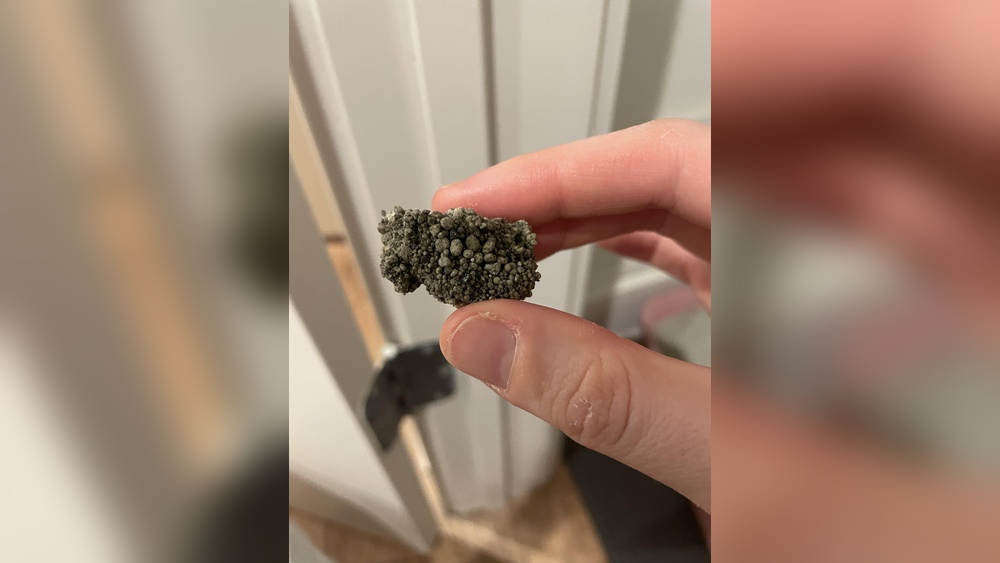
If your cat is struggling with painful urination or frequent trips to the litter box, you might be dealing with cat urine crystals. These tiny crystals can cause big discomfort for your furry friend—and stress for you.
But don’t worry, there are effective ways to treat and manage this condition. You’ll discover clear, easy steps to help your cat feel better fast. Keep reading to learn how you can protect your cat’s health and restore their happy, playful self.

Credit: stahlfabrik.com.br
Causes Of Cat Urine Crystals
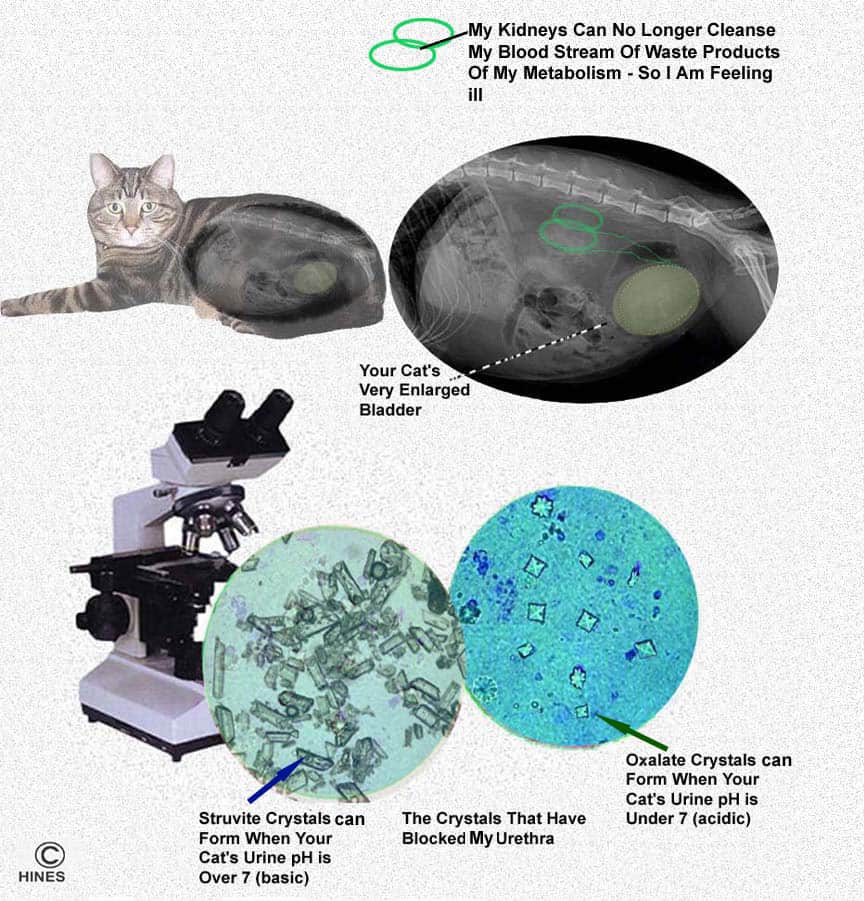
Cat urine crystals form when minerals in the urine clump together. This can cause pain and blockages in a cat’s urinary tract. Understanding what causes these crystals helps prevent and treat them effectively. Several key factors contribute to crystal formation in cats.
Dietary Factors
Diet plays a major role in forming urine crystals. Foods high in magnesium, phosphorus, or calcium increase the risk. Dry food with low moisture can concentrate urine, making crystals more likely. A balanced diet with proper nutrients keeps the urine healthy.
Dehydration
When cats do not drink enough water, their urine becomes very concentrated. Thick urine allows minerals to stick together and form crystals. Encouraging cats to drink more water helps dilute their urine and reduce crystal buildup.
Urinary Tract Infections
Infections in the urinary tract can change the urine’s chemistry. Bacteria can cause crystals to form faster. Treating infections quickly stops crystal growth and eases discomfort for the cat.
Genetic Predisposition
Some cats inherit genes that make them more prone to urine crystals. Certain breeds face higher risks than others. Knowing a cat’s breed helps identify the chances of crystal problems early on.
Credit: www.referee-education.de
Symptoms To Watch For
Recognizing the signs of cat urine crystals early helps protect your pet’s health. These symptoms show that your cat might be in discomfort or pain. Watch closely for any changes in your cat’s bathroom habits or behavior. Acting fast can prevent serious problems and ease your cat’s pain.
Frequent Urination
Your cat may try to urinate more often than usual. Short trips to the litter box can be a clear sign. This happens because crystals irritate the bladder and urethra. It’s important to note any increase in urination frequency.
Straining Or Pain
Struggling or crying while urinating shows discomfort. Your cat might push hard but produce little urine. Pain can make your cat avoid the litter box. Watch for signs of distress during bathroom visits.
Blood In Urine
Blood in your cat’s urine signals irritation or injury. The urine may look pink, red, or dark. This is a serious symptom needing quick attention. Blood indicates that crystals are damaging the urinary tract.
Licking The Genital Area
Excessive licking of the genital area shows irritation or pain. Your cat tries to soothe discomfort caused by crystals. This behavior often increases with urinary issues. Keep an eye on grooming habits for clues.
Veterinary Diagnosis Methods
Veterinarians use specific methods to diagnose cat urine crystals. Correct diagnosis helps find the right treatment fast. These methods check the urine, blood, and body structures.
Urine Analysis
Urine analysis is the first step. It shows crystals and infections in the urine. The vet checks the urine’s pH and concentration. This test helps identify the type of crystals. It guides treatment choices clearly.
Blood Tests
Blood tests reveal the cat’s overall health. They check for kidney problems and infections. Blood tests also measure minerals linked to crystals. This test supports the urine analysis results. It gives a full health picture.
Imaging Techniques
X-rays or ultrasounds show stones or blockages. These images reveal crystal size and location. Imaging helps plan surgery if needed. It also checks for other urinary tract issues. This method adds important information.
Dietary Treatments
Diet plays a key role in treating cat urine crystals. Changing what your cat eats helps prevent crystals from forming again. Good food choices support urinary health and reduce discomfort. Careful diet plans can make a big difference in your cat’s recovery.
Prescription Diets
Veterinarians often suggest special prescription diets for cats with urine crystals. These diets lower the minerals that cause crystals. They also adjust the pH level of urine to stop crystal growth. Feeding a prescription diet can help dissolve existing crystals safely.
Hydration Strategies
Keeping your cat well-hydrated thins the urine and flushes out crystals. Wet cat food has more moisture than dry food. Adding water to meals or providing fresh water often encourages drinking. Proper hydration supports healthy urine flow and reduces crystal risks.
Avoiding Trigger Foods
Certain foods can trigger crystal formation in cats. Avoid feeding high magnesium or high mineral foods. Stay away from excessive fish or dairy products. Sticking to vet-recommended foods lowers the chance of new crystals developing.
Medical Interventions
Medical interventions play a key role in treating cat urine crystals. These crystals can cause pain and blockages in your cat’s urinary tract. Prompt treatment helps prevent serious health problems. Veterinarians use different methods based on the crystal type and severity. Understanding these options can help you care for your cat better.
Medications
Medications help dissolve crystals and ease symptoms. Your vet may prescribe antibiotics if infection is present. Special diets can change urine pH, reducing crystal formation. Some drugs relax the bladder muscles to ease urination. Always follow your vet’s instructions carefully for best results.
Surgical Options
Surgery may be necessary if crystals block the urinary tract. This procedure removes blockages and relieves pain. It also helps prevent damage to the bladder or kidneys. After surgery, your cat needs close monitoring and care. Surgery is usually a last resort when other treatments fail.
Pain Management
Pain relief is important during treatment. Vets use safe painkillers to keep cats comfortable. Reducing pain helps cats eat and drink normally. Comfort improves healing and overall wellbeing. Never give human pain medicines to cats without vet advice.
Home Care Tips
Home care plays a big role in treating cat urine crystals. Simple steps at home help your cat heal faster. They also stop crystals from coming back. Focus on daily habits and comfort for your cat. This section shares easy tips to follow every day.
Encouraging Water Intake
Water helps flush out crystals from the bladder. Give fresh water in multiple bowls around the house. Use a cat water fountain to attract your cat. Try wet cat food to increase moisture intake. Keep water bowls clean and filled all day.
Litter Box Maintenance
Clean litter boxes encourage your cat to urinate properly. Scoop waste daily and change litter regularly. Use unscented, soft litter that does not irritate your cat. Place boxes in quiet, easy-to-access spots. Have one more litter box than the number of cats.
Stress Reduction Techniques
Stress can worsen urinary problems. Create a calm, quiet space for your cat to relax. Play with your cat to reduce anxiety and boredom. Use pheromone sprays or diffusers to comfort your cat. Keep a regular routine for feeding and playtime.
Preventing Recurrence
Preventing the return of cat urine crystals is key to keeping your cat healthy. Careful attention and ongoing steps help stop these painful problems from coming back. Understanding the best ways to prevent recurrence supports your cat’s well-being and comfort.
Regular Vet Checkups
Frequent visits to the vet catch problems early. Your vet can test urine and catch crystals before they grow. Early treatment saves your cat from pain and surgery. Schedule checkups every few months or as advised by your vet.
Long-term Dietary Plans
Special diets reduce crystal formation in the bladder. These foods balance minerals and keep urine healthy. Follow your vet’s advice on what to feed and how much. Avoid giving treats or table scraps that upset the diet.
Monitoring Behavior Changes
Watch your cat’s habits carefully every day. Changes in urination or licking the genitals may signal trouble. Acting quickly on behavior changes helps stop crystals early. Keep a simple diary of your cat’s bathroom habits for reference.

Credit: mapindo.ac.id
Frequently Asked Questions
What Causes Cat Urine Crystals To Form?
Cat urine crystals form due to changes in urine pH and mineral concentration. Poor diet and dehydration can increase the risk. Stress and urinary tract infections also play a role.
How Can I Tell If My Cat Has Urine Crystals?
Signs include frequent urination, straining, and blood in urine. Your cat may also lick their genital area more often. A vet can confirm with urine tests.
What Treatments Are Available For Cat Urine Crystals?
Treatment often involves special diets to dissolve crystals and manage pH levels. Your vet may prescribe medication to relieve pain or infection. Increased water intake is also important.
Can Diet Prevent Cat Urine Crystals From Returning?
Yes, feeding a balanced diet that controls minerals and pH helps prevent crystals. Wet food can increase hydration and reduce risks. Avoid giving too many treats or dry food alone.
How Long Does Cat Urine Crystal Treatment Usually Take?
Treatment length varies but often takes 1 to 3 weeks. Some cases need longer care or follow-up tests. Early treatment improves recovery and reduces complications.
Conclusion
Treating cat urine crystals needs quick care and attention. A vet can give the right medicine to help your cat feel better. Feeding special food can stop crystals from coming back. Keep fresh water always available to help flush the bladder.
Watch your cat’s behavior and litter box use each day. Early action can prevent serious problems later. Your cat will thank you with good health and comfort. Stay patient and follow the treatment plan closely for best results.