
If your dog is scratching their ears more than usual or shaking their head constantly, it could be a sign of an ear infection. These infections can cause discomfort, pain, and even lead to serious problems if left untreated.
You want to help your furry friend feel better fast, but with so many medicines and treatments out there, it’s easy to feel overwhelmed. You’ll discover the most effective and safe medicines for dog ear infections. Plus, you’ll learn how to spot the symptoms early and choose the right solution for your dog’s unique needs.
Keep reading to protect your dog’s health and bring back their happy, playful spirit.
Causes Of Dog Ear Infections
Dog ear infections cause pain and discomfort for pets. Understanding their causes helps in prevention and treatment. Various factors contribute to ear infections in dogs. These factors range from bacteria to parasites. Identifying the cause is key to choosing the right medicine.
Common Bacterial Infections
Bacteria often cause dog ear infections. These germs multiply inside the ear canal. Moisture and warmth create a perfect environment for bacteria. Dogs with floppy ears are more prone. Symptoms include redness, swelling, and a bad smell.
Fungal And Yeast Issues
Yeast and fungi also trigger ear infections. They thrive in damp, warm ears. Yeast infections cause itching and a thick, brown discharge. Dogs with allergies or weak immune systems get yeast infections easily. Proper cleaning and medication can control these infections.
Allergies And Irritants
Allergies often lead to inflamed ears. Food, pollen, or dust can irritate a dog’s skin. This irritation causes scratching and inflammation. Irritants like shampoo or dirt can worsen the problem. Treating allergies helps reduce ear infection risks.
Ear Mites And Parasites
Parasites like ear mites cause severe irritation. These tiny creatures live inside the ear canal. They cause dark, crumbly debris and intense itching. Ear mites spread quickly between dogs. Veterinary medicine is needed to eliminate them effectively.

Credit: www.youtube.com
Symptoms To Spot Early
Spotting the symptoms of a dog ear infection early helps protect your pet’s health. Ear infections can worsen quickly. Watch for clear signs that your dog needs medicine for dog ear infection. Early detection leads to faster healing and less discomfort for your dog.
Signs Of Discomfort
Your dog may scratch or rub its ears often. Head shaking is a common sign too. These actions show your dog feels pain or irritation inside the ear. Pay attention if your dog seems restless or keeps tilting its head.
Changes In Ear Appearance
Look for redness or swelling in the ear canal or flap. The ear may look moist or have a bad odor. Dark discharge or crusts can appear around the ear. These changes suggest an infection may be developing.
Behavioral Clues
Your dog might avoid being touched near the ears. It may become less active or lose interest in play. Whining or unusual aggression can also mean ear pain. Notice any sudden changes in behavior related to ear sensitivity.
Types Of Ear Infection Medicines
Dog ear infections need the right medicine to heal fast. Different types of medicines target different causes. Understanding these can help you care better for your dog’s ears.
Antibiotic Treatments
Antibiotics fight bacterial infections in dog ears. They kill harmful bacteria and stop infection spread. These medicines come as drops or ointments. Use them only if a vet confirms bacteria cause the infection.
Antifungal Solutions
Fungal infections need antifungal medicines. These kill yeast or fungus in the ear. Antifungal drops or creams reduce itching and redness. A vet can decide if your dog needs this type of treatment.
Anti-inflammatory Medications
Anti-inflammatory drugs reduce swelling and pain in ears. They help calm irritated skin and make dogs more comfortable. These medicines come as ear drops or oral pills. They are often used alongside antibiotics or antifungals.
Combination Formulas
Combination medicines include antibiotics, antifungals, and anti-inflammatories. They treat several problems at once. These formulas save time and simplify treatment. Vets often prescribe them for complex ear infections.
Top Over-the-counter Remedies
Dog ear infections cause discomfort and need prompt care. Over-the-counter (OTC) remedies offer easy, quick relief for mild cases. These treatments help reduce inflammation, fight infection, and soothe irritation. Choose the right product based on your dog’s symptoms and vet advice.
Medicated Ear Drops
Medicated ear drops contain antibiotics and anti-inflammatory agents. They target bacteria or yeast causing the infection. These drops reduce swelling and stop itching fast. Always follow label instructions for safe use. Popular options include hydrocortisone-based formulas that calm irritated skin.
Ear Cleansers And Rinses
Ear cleansers remove dirt, wax, and debris from the ear canal. Rinses flush out harmful substances that cause infections. Regular cleaning prevents buildup and keeps ears dry. Look for gentle solutions with soothing ingredients like aloe or chamomile. Use a cotton ball to apply; avoid deep insertion.
Natural And Herbal Options
Natural remedies use plant extracts to fight infection and inflammation. Tea tree oil, calendula, and coconut oil are common choices. These options are gentle and safe for sensitive ears. Ensure products are pet-friendly and free from harsh chemicals. Natural remedies work best alongside vet care for severe infections.
Prescription Treatments
Prescription treatments for dog ear infections offer targeted relief and fast healing. These medicines are prescribed by veterinarians after diagnosing the exact cause of the infection. Prescription options include antibiotics, antifungals, and anti-inflammatory drugs. Using the correct prescription medicine ensures the infection clears quickly and reduces the risk of complications.
Vet-recommended Medications
Veterinarians often prescribe medications based on the infection type. Antibiotic ear drops fight bacterial infections effectively. Antifungal drops target yeast and fungal infections in the ear canal. Sometimes, oral medications are necessary for severe or deep infections. Always follow the vet’s instructions for dosage and duration. Avoid using human medicines without vet approval.
When To Use Prescription Drops
Prescription ear drops are best for infections causing redness, swelling, or discharge. They deliver medicine directly to the infected area. Use drops as directed, usually twice daily for 7 to 14 days. Do not stop treatment early, even if symptoms improve. Proper use prevents infection recurrence and drug resistance.
Steroid-based Therapies
Steroid-based treatments reduce inflammation and itching in infected ears. They help soothe discomfort and swelling quickly. These medicines are often combined with antibiotics or antifungals. Steroids should be used carefully to avoid side effects. Your vet will monitor the treatment and adjust it if needed.
Home Remedies That Help
Home remedies can support your dog’s ear health during infections. They help soothe discomfort and keep the ears clean. Using gentle, safe methods reduces irritation. These remedies work well alongside veterinary treatments. Consistent care speeds up healing and prevents future problems.
Safe Cleaning Techniques
Use a soft cloth or cotton ball to clean your dog’s ears. Avoid cotton swabs as they may damage the ear canal. Gently wipe away dirt and wax from the outer ear only. Check for redness, swelling, or strong odors. Clean ears once or twice a week to prevent infections. Always handle your dog’s ears with care and patience.
Diy Ear Rinse Recipes
Create a simple ear rinse with natural ingredients at home. Mix equal parts of distilled water and apple cider vinegar. This solution helps balance the ear’s pH and fights bacteria. Use a dropper to apply a few drops into the ear. Massage the base of the ear gently to spread the liquid. Wipe away excess moisture to keep ears dry.
Soothing Natural Ingredients
Natural ingredients can calm irritation and reduce inflammation. Coconut oil has antibacterial and antifungal properties. Apply a small amount around the ear opening, not deep inside. Aloe vera gel soothes itchy, inflamed skin safely. Calendula oil may help heal minor wounds and reduce swelling. Always test a small skin patch before full use.
How To Apply Ear Medicine Safely
Applying ear medicine to your dog requires care and attention. Proper application helps clear infections and avoids discomfort. Follow simple steps to make the process smooth and safe for your dog. This guide explains how to prepare your dog, apply the medicine correctly, and prevent common errors.
Preparing Your Dog
Choose a quiet, comfortable spot for treatment. Have your dog’s favorite treat ready to reward good behavior. Gently hold your dog’s head to keep it steady. Clean the outer ear with a soft cloth if dirty. Calm your dog with soothing words and slow movements. Make sure your hands are clean before starting.
Correct Application Steps
Check the medicine’s instructions for the correct dose. Lift your dog’s ear flap to expose the ear canal. Hold the medicine dropper close but do not touch the ear. Squeeze the right amount of medicine into the ear canal. Massage the base of the ear gently for 20 to 30 seconds. Let your dog shake its head to spread the medicine. Wipe any excess medicine from the ear flap.
Avoiding Common Mistakes
Do not insert the dropper deep into the ear canal. Avoid using cotton swabs inside the ear to prevent damage. Never use medicine not prescribed for your dog. Avoid skipping doses or stopping treatment early. Do not apply too much medicine at once. Keep your dog calm during and after application to prevent injury.
Preventing Future Infections
Preventing future dog ear infections starts with good care habits. Regular attention keeps your dog’s ears clean and healthy. This helps stop infections before they begin. Simple daily practices reduce risks. Your dog stays comfortable and happy.
Regular Ear Cleaning Tips
Clean your dog’s ears once a week. Use a vet-approved ear cleaner. Avoid cotton swabs inside the ear canal. Gently wipe the outer ear with a soft cloth or cotton ball. Check for redness, swelling, or bad smells. Stop cleaning if your dog shows pain. Consult your vet if problems persist.
Managing Allergies
Allergies often cause ear infections in dogs. Identify food or environmental allergens. Work with your vet to manage allergies. Use prescribed medications or special diets. Keep your dog’s environment clean. Remove dust, pollen, and molds. Reducing allergies lowers ear infection chances.
Keeping Ears Dry And Healthy
Moisture in ears creates a perfect spot for infections. Dry your dog’s ears after baths or swimming. Use a soft towel or cotton ball. Avoid over-cleaning, which can irritate the skin. Trim excess hair around the ears to improve airflow. Healthy, dry ears resist infections better.
When To See A Vet
Knowing when to see a vet for your dog’s ear infection is crucial. Early care can prevent pain and serious problems. Some signs mean you should get professional help quickly. Other cases might need a vet’s check even if symptoms seem mild.
Signs Of Severe Infection
Severe infections cause intense redness and swelling. Your dog may shake its head often or scratch the ear hard. Foul smell and thick discharge are warning signs. If your dog shows pain or loss of balance, visit the vet right away.
Persistent Or Recurring Cases
Infections that come back or last more than a week need vet attention. Over-the-counter medicines may not fully cure the issue. A vet can find the root cause and suggest better treatment. Do not ignore ongoing ear problems to avoid damage.
Professional Ear Exams
Vets use special tools to look deep inside the ear. They check for hidden infections, mites, or allergies. Exams help choose the right medicine and avoid wrong treatments. Regular check-ups keep your dog’s ears healthy and infection-free.
Credit: www.cinquequarti.com
Product Recommendations
Choosing the right medicine for a dog ear infection is key to quick healing. Many products work well. Some are medicated drops, others are natural remedies. Picking the right one depends on your dog’s needs and your budget. Here are solid product recommendations to help you.
Popular Medicated Drops
Medicated drops fight infection and reduce inflammation fast. Vetnique Labs Oticbliss Medicated Hydrocortisone Ear Drops are a top choice. They relieve itching and swelling. TropiClean HomeVet Medicated Ear Drops clean and treat effectively. Veterinary Formula Clinical Care Ear Therapy is affordable and trusted. Mometamax Otic Suspension offers strong treatment for severe cases. Posatex Otic Suspension is another option for persistent infections.
Natural Ear Care Products
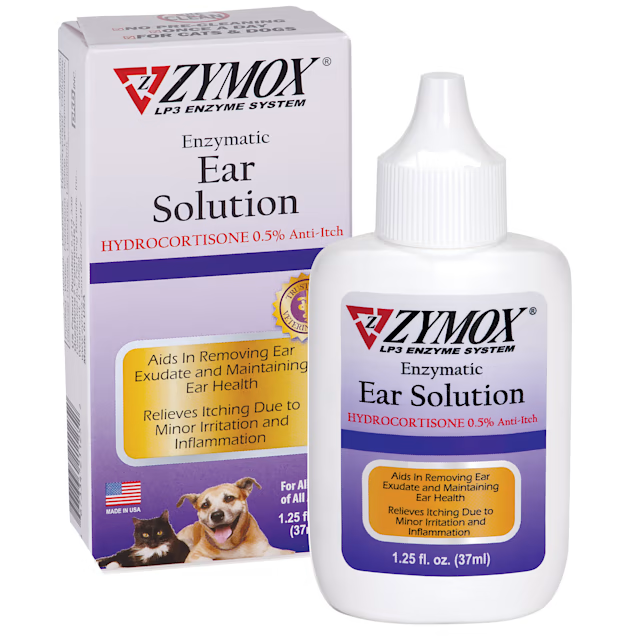
Natural products soothe ears without harsh chemicals. Zymox Enzymatic Ear Solution uses enzymes to fight bacteria. Vetericyn Triple Action Ear Treatment cleans and heals gently. Skout’s Honor Probiotic Ear Cleaner supports healthy ear flora. Absorbine Silver Honey Rapid Ear Care uses natural silver for healing. These are safe for sensitive dogs and help prevent future issues.
Affordable Options Nearby
Good treatments don’t have to be expensive. Walmart offers Vetnique Labs Oticbliss Vet Strength Medicated Ear Flush at a low price. Tri County Feed Service sells PetArmor Ear Rinse for under $5. PetSmart and Pet Supermarket have budget-friendly ear care products. Buying local saves time and shipping costs. Always check for deals to get the best price near you.

Credit: www.petsmart.com
Frequently Asked Questions
How Can I Treat My Dog’s Ear Infection At Home?
Clean your dog’s ear gently with a vet-approved solution. Apply prescribed or OTC ear drops as directed. Keep ears dry and monitor for improvement. Consult a vet if symptoms persist or worsen. Avoid using cotton swabs or home remedies without professional advice.
What Medicine Can I Give My Dog For An Ear Infection?
Use veterinarian-prescribed ear drops like Mometamax, Posatex, or Zymox for dog ear infections. Avoid human medicines. Consult your vet before treatment.
Can Dog Ear Infections Go Away On Their Own?
Dog ear infections rarely go away on their own and often need veterinary treatment. Untreated infections can worsen and cause pain. Early diagnosis and proper medication ensure faster healing and prevent complications. Always consult a vet if your dog shows signs of an ear infection.
What Do Vets Give For A Dog’s Ear Infection?
Vets treat dog ear infections with antibiotic or antifungal ear drops, anti-inflammatory medications, and cleaning solutions. Treatment depends on infection type.
Conclusion
Choosing the right medicine can help your dog heal faster. Always follow your vet’s advice for treatment. Keep your dog’s ears clean and dry to prevent infections. Watch for signs of discomfort or redness daily. Early care reduces pain and avoids serious problems.
Treating ear infections quickly helps your dog stay happy. Remember, gentle care makes a big difference in healing. Regular check-ups ensure your dog’s ears stay healthy. Taking simple steps protects your furry friend’s well-being.