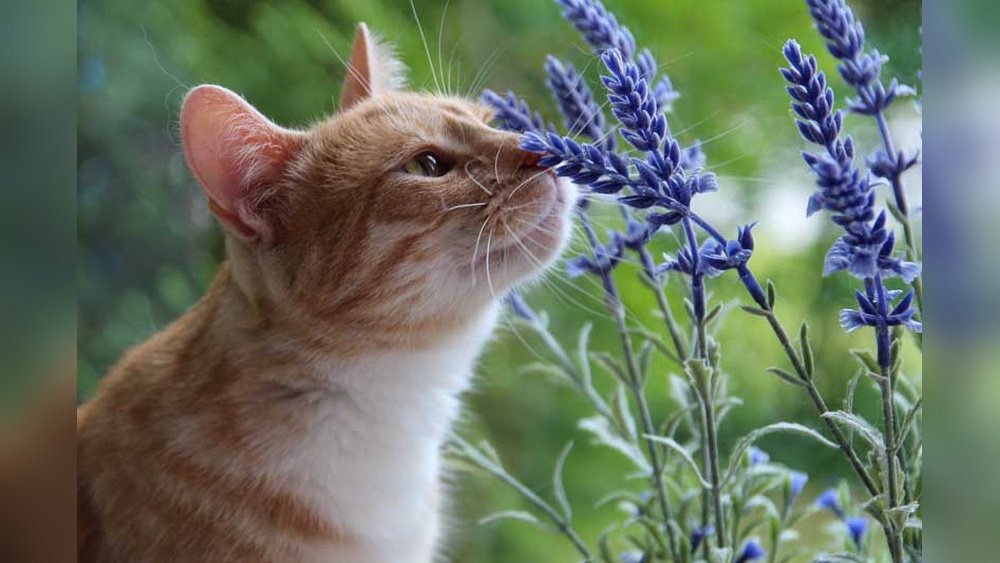
If you’re a cat owner who loves gardening or enjoys the calming scent of lavender, you might be wondering—is lavender plant safe for cats? It’s a beautiful and fragrant plant that many people adore, but when it comes to your furry friend’s health, safety comes first.
You want to keep your cat happy and healthy, but could this popular plant be hiding dangers you don’t know about? You’ll discover the truth about lavender’s effects on cats, how it can affect them, and what steps you can take to protect your beloved pet.
Keep reading to find out everything you need to know to create a safe environment for your cat and enjoy your lavender worry-free.

Credit: www.greatpetcare.com
Lavender Toxicity In Cats
Lavender is a beautiful plant with a nice smell. Many people use it at home. Cats may come close to lavender plants or oils. This can cause health problems. Understanding lavender toxicity helps keep cats safe.
Even small amounts can harm some cats. Knowing why cats are vulnerable and what parts of lavender are toxic is important. This section explains these key points clearly.
Toxic Compounds In Lavender
Lavender contains chemicals called linalool and linalyl acetate. These natural oils give lavender its scent. They are safe for humans in small amounts. For cats, these compounds can be harmful. Cats cannot break down these chemicals well. The toxins can build up and cause illness.
Symptoms of poisoning include drooling, vomiting, weakness, and trouble breathing. The toxic compounds affect the liver and nervous system. Even dried or fresh lavender can release these compounds.
Why Cats Are Vulnerable
Cats have a unique liver system. They lack certain enzymes needed to process some chemicals. This makes them sensitive to many plant toxins. Lavender’s oils are one example. When cats lick, eat, or breathe in lavender, toxins enter their body. Their liver cannot clear these toxins fast enough. This leads to poisoning and health issues.
Cats also groom themselves often. This can spread toxic oils on their fur to their mouth. Cats may not show symptoms immediately. Early signs can be subtle but need attention.
Differences Between Plant And Essential Oils
Lavender plant is less concentrated than essential oils. The plant’s oils are spread out in flowers and leaves. Essential oils contain a high level of these toxins. They are extracted and concentrated. A small drop of oil can have many times the amount in the plant.
Essential oils are more dangerous if inhaled or touched by cats. Diffusers, sprays, or lotions with lavender oil increase risk. Even small exposure can cause severe reactions. The plant itself is safer but still poses some risk.
Always avoid using lavender oils near cats. Keep plants out of their reach. Watch for any signs of illness after contact.
:strip_icc()/GettyImages-805307588-567bc0b799334d778fb9c89bf865292f.jpg)
Credit: www.thesprucepets.com
Symptoms Of Exposure
Exposure to lavender can cause various symptoms in cats. These signs show how their body reacts to the plant’s toxic compounds. Early recognition of symptoms helps in getting quick treatment. Watch closely for any changes in your cat’s health after contact with lavender.
Respiratory Issues
Cats may experience trouble breathing after exposure. They might cough, sneeze, or wheeze frequently. Rapid or shallow breathing is also a common sign. These symptoms appear due to irritation of the airways.
Gastrointestinal Signs
Ingesting lavender can upset a cat’s stomach. Look for vomiting, diarrhea, or excessive drooling. Loss of appetite and nausea are common too. These signs indicate the digestive system is affected.
Neurological Effects
Lavender toxins can affect the nervous system. Cats might show weakness or lack of coordination. Tremors, unsteady walking, or even seizures can occur. These symptoms require immediate veterinary care.
Skin Irritations
Direct contact with lavender may cause skin problems. Watch for redness, itching, or swelling on the skin. Cats may scratch or lick the irritated area more than usual. This discomfort signals allergic reactions or irritation.
Common Exposure Routes
Understanding how cats come into contact with lavender helps protect them. Exposure can happen in different ways, each carrying its own risks. Knowing these routes helps pet owners keep cats safe around this common plant.
Inhalation Risks
Cats can breathe in lavender’s scent from fresh plants or essential oils. The strong smell may irritate their lungs and airways. Concentrated oils pose a higher risk. Inhaling these can cause coughing, sneezing, or breathing problems. Even dried lavender can release particles harmful to cats.
Skin Contact
Direct touch with lavender leaves or oils can harm a cat’s skin. The plant’s oils may cause redness or irritation. Essential oils are especially dangerous on fur and skin. Cats may lick affected areas, increasing the risk of poisoning. Always avoid letting cats rub against lavender plants or surfaces treated with oils.
Ingestion Through Grooming
Cats often groom themselves by licking their fur. If lavender oil or plant material is on their coat, they can swallow toxins. Eating lavender leaves or flowers also leads to poisoning. Symptoms include drooling, vomiting, or lack of appetite. Prevent access to lavender to stop accidental ingestion.
Credit: lolahemp.com
Safe Use Tips For Cat Owners
Keeping your cat safe around lavender requires careful steps. Lavender can be harmful if cats breathe or eat it. Knowing safe practices helps protect your pet. Use lavender with caution to avoid health issues.
Avoiding Essential Oils Indoors
Essential oils from lavender are very strong and toxic to cats. Avoid using lavender oils in diffusers or sprays inside your home. Even small amounts can cause breathing trouble or poisoning. Choose safer alternatives that do not harm your pets.
Proper Ventilation Practices
Good airflow reduces the concentration of any airborne scents. Open windows or use fans to keep fresh air moving. Proper ventilation helps lower risks if you use lavender products cautiously. It also keeps your cat’s breathing safe and comfortable.
Keeping Cats Away From Plants
Place lavender plants where cats cannot reach them. Cats may chew on leaves, which can cause illness. Use barriers or high shelves to keep plants out of reach. Monitor your cat’s behavior and remove plants if needed to ensure safety.
Emergency Actions
Knowing what to do if your cat is exposed to lavender is vital. Quick action can prevent serious health problems. This section guides you through emergency steps to protect your pet. Understanding the signs and proper responses helps you act confidently in a crisis.
Recognizing Toxicity Early
Watch your cat closely for unusual behavior after contact with lavender. Symptoms include drooling, vomiting, and lack of coordination. Your cat might also seem weak or breathe heavily. Early detection means faster help and better outcomes.
When To Contact A Vet
Call your vet immediately if your cat shows any signs of poisoning. Do not wait for symptoms to worsen. Describe the exposure clearly, including how much lavender your cat touched or ate. Prompt veterinary care can save your cat’s life.
Resources For Poison Control
Keep pet poison control numbers handy for emergencies. The ASPCA Animal Poison Control Center is a reliable resource. You can also contact local veterinary clinics for advice. Having these contacts ready reduces panic and speeds up help.
Alternatives To Lavender
Choosing safe alternatives to lavender helps keep cats healthy and calm. Some plants offer similar soothing effects without the risks. Other options include gentle aromatherapy methods that do not harm pets. Exploring these alternatives ensures a safe environment for cats and owners alike.
Cat-safe Plants With Calming Effects
Catnip is a popular choice for calming cats naturally. It induces relaxation and playful behavior without harm. Valerian root also helps reduce anxiety in cats safely. Chamomile is another gentle plant that soothes both cats and humans. These plants provide comfort without toxic risks associated with lavender.
Non-toxic Aromatherapy Options
Using pure chamomile or rose water sprays offers a safe scent alternative. These mild aromas create a calming atmosphere without harmful chemicals. Diffusers with diluted, pet-safe essential oils like frankincense can work too. Always ensure good room ventilation and observe your cat’s reaction closely. Natural scents can support relaxation while protecting your feline friend.
Frequently Asked Questions
Can I Plant Lavender If I Have A Cat?
Lavender can be toxic to cats due to compounds like linalool. Avoid planting or using lavender oils around cats to prevent health risks.
Is Lavender Toxic To Cats If They Smell It?
Lavender scent can be toxic to cats, especially in concentrated forms like essential oils. It may cause breathing issues, drooling, or lethargy. Avoid using lavender products around cats to keep them safe.
What Happens If A Cat Eats A Lavender Plant?
A cat eating lavender may experience vomiting, drooling, lethargy, or tremors due to toxic compounds. Seek veterinary care immediately.
Is Lavender Plant Safe For Cats To Smell Reddit?
Lavender scent is unsafe for cats, especially concentrated oils. Cats can’t process its toxic compounds, risking respiratory and liver problems. Avoid using lavender oils, sprays, or diffusers around cats. Fresh or dried plants may also cause harm. Consult a vet if exposure occurs.
Conclusion
Lavender plants can harm cats due to toxic compounds they contain. Cats cannot process these substances well, which may lead to health problems. Even small amounts, like oils or fresh plants, pose risks if ingested or inhaled. Watch for signs like vomiting, drooling, or breathing issues in your cat.
Keep lavender out of your home and garden to protect your pet. Choosing pet-safe plants helps avoid accidental poisoning. Always consult your vet if your cat shows unusual symptoms after exposure. Staying informed keeps your feline friend safe and healthy.