If you have a cat, you probably want to keep your furry friend safe and healthy. You might have noticed peppermint around your home—maybe in teas, candies, or essential oils—and wondered, “Is peppermint safe for my cat?”
It’s important to know the answer because what seems harmless to us can sometimes be harmful to pets. You’ll discover the truth about peppermint and your cat’s health. Keep reading to find out what you need to watch for and how to protect your beloved companion.

Credit: aromachologyoils.com
Peppermint And Cats
Peppermint is a popular herb found in many homes. It has a strong, fresh smell that some people enjoy. Pet owners often wonder if peppermint is safe for their cats. Understanding peppermint and its effects on cats is important. This helps keep pets healthy and safe.
Many cats are curious about new smells. Peppermint’s scent can attract or repel them. Knowing what peppermint is and how it is used helps in deciding if it belongs around cats.
What Is Peppermint?
Peppermint is a plant with a cool, minty aroma. It comes from mixing watermint and spearmint plants. People use peppermint leaves and oil in many ways. The oil contains menthol, which gives its strong scent and cooling feeling.
Peppermint grows in gardens and fields worldwide. It is easy to find fresh or dried in stores. The plant has green leaves and small purple flowers. Its smell is fresh and sharp, making it popular for many uses.
Common Uses Of Peppermint
Peppermint is used to freshen breath and flavor food. Many chew gum or drink tea with peppermint. It helps soothe upset stomachs and reduce headaches. Peppermint oil is in soaps, candles, and lotions for its smell.
People use peppermint to clear stuffy noses and improve focus. Some apply diluted peppermint oil on skin for a cooling effect. In homes, peppermint scent keeps insects away. These uses show why peppermint is popular worldwide.
Toxicity Risks For Cats
Peppermint is popular in many homes. It smells fresh and cool. But peppermint can be harmful to cats. Cats react differently to certain plants and oils. Peppermint contains oils that can cause health problems for cats. Knowing the risks helps keep your pet safe.
How Peppermint Affects Cats
Peppermint contains essential oils called menthol and pulegone. These oils can upset a cat’s stomach. Cats cannot break down these oils well. They may cause nausea, vomiting, and diarrhea. The oils can also irritate the cat’s skin and eyes. Inhaling peppermint oil can cause breathing problems. Peppermint is toxic if eaten in large amounts.
Symptoms Of Peppermint Poisoning
Watch for signs like drooling and vomiting. Cats might show weakness or tremors. Breathing may become slow or difficult. They could also seem very tired or unsteady. Skin irritation or redness might appear where peppermint touched the skin. Early signs need quick attention from a vet. Acting fast can prevent serious health issues.
Safe Alternatives For Cats
Many pet owners seek safe ways to freshen their homes or soothe their cats naturally. Peppermint is popular but can be harmful to cats. Knowing safe alternatives helps keep cats healthy and happy.
Cat-friendly Herbs
Some herbs are safe and enjoyable for cats. Catnip is a favorite and stimulates playful behavior. Valerian root calms anxious cats without harm. Chamomile can soothe upset stomachs in small amounts. These herbs provide benefits without risk.
Always introduce herbs slowly and watch for allergies. Fresh or dried forms work well. Keep the herbs out of reach if your cat shows sensitivity. These plants offer natural options for pet owners.
Essential Oils To Avoid
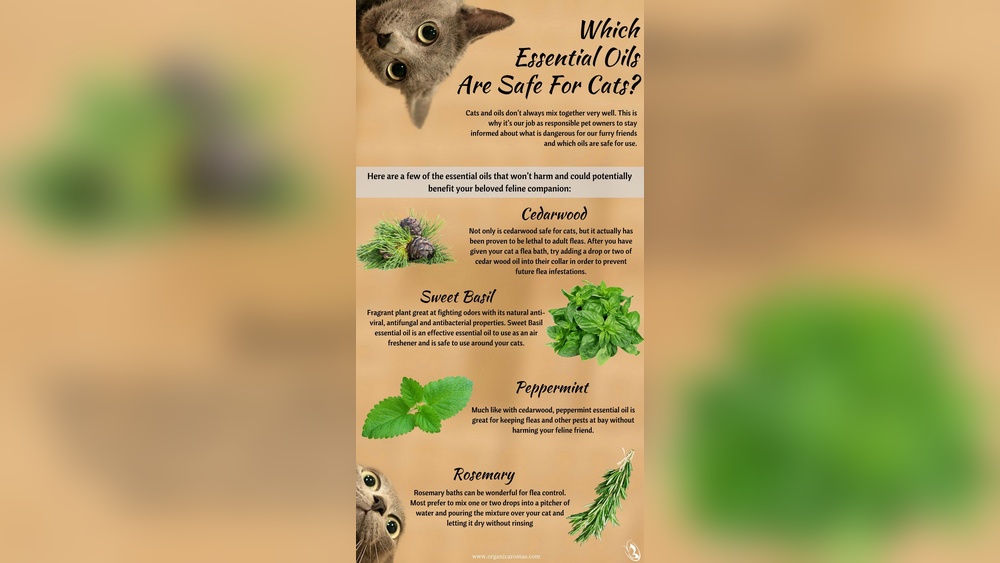
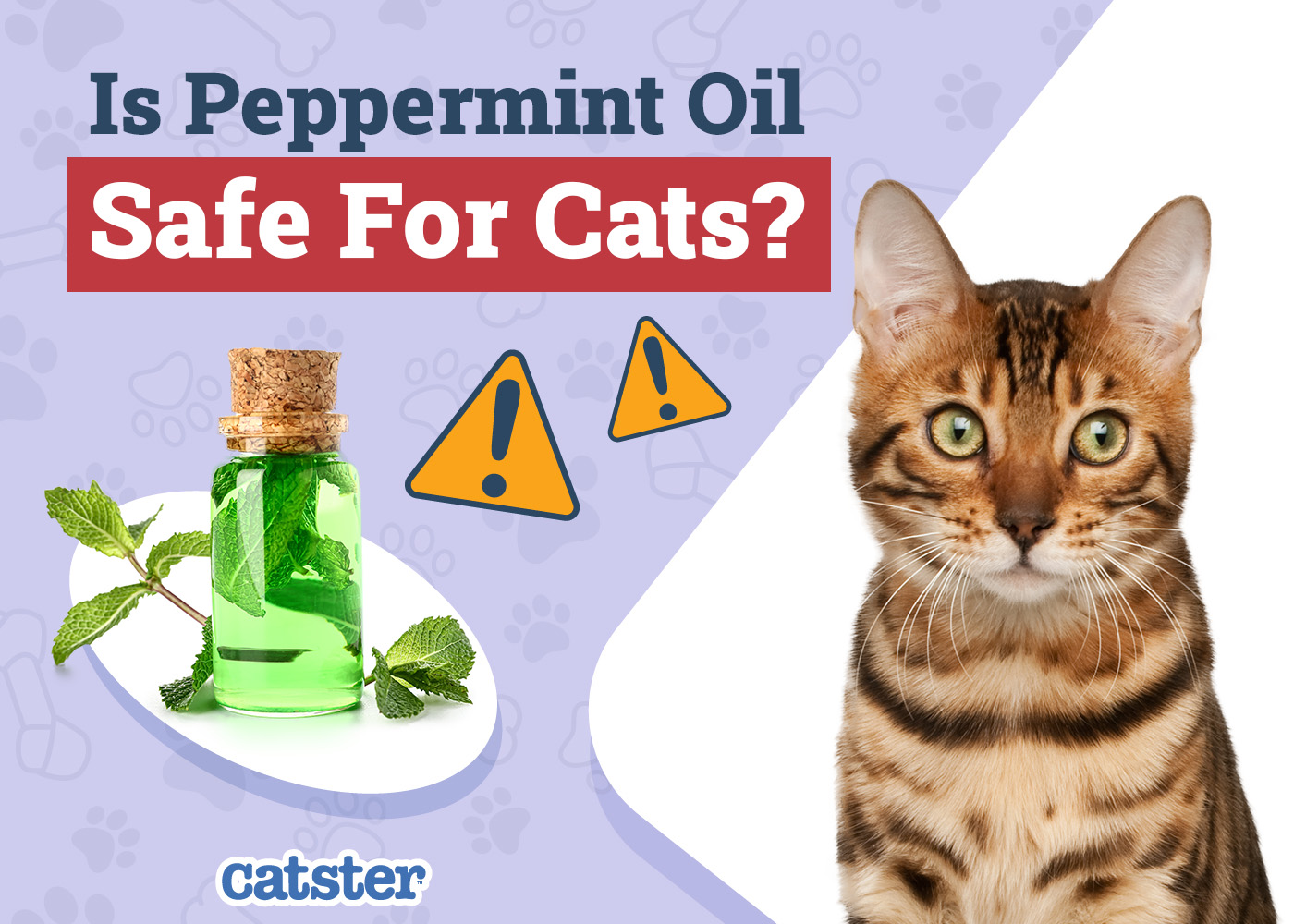
Many essential oils are toxic to cats. Peppermint oil can cause breathing problems and skin irritation. Tea tree oil harms the liver and nervous system. Eucalyptus oil may lead to vomiting and drooling. Avoid these oils in any form.
Essential oils should never be applied directly to cats. Diffusers can also expose cats to harmful vapors. Stick to pet-safe products and consult a vet before use. Protect your cat by knowing which oils pose risks.
Credit: www.catster.com
Preventing Peppermint Exposure
Preventing peppermint exposure is key to keeping cats safe. Peppermint can cause health problems for cats. Small amounts may upset their stomachs. Larger amounts can be toxic. Taking steps to limit access helps avoid risks. Understanding common sources of peppermint is important.
Household Items Containing Peppermint
Peppermint is in many everyday products. Toothpaste, mouthwash, and gum often contain peppermint oil. Some candies and snacks use peppermint flavor. Essential oils and air fresheners may have peppermint. Cleaning products sometimes include peppermint scents. Knowing these items helps protect your cat.
Safe Storage Tips
Store peppermint products out of your cat’s reach. Use sealed containers or cabinets. Avoid leaving items on counters or tables. Keep essential oils in locked boxes. Dispose of peppermint waste carefully. These steps reduce accidental contact and poisoning risk.
What To Do In Case Of Exposure
Accidental exposure to peppermint can worry any cat owner. Knowing the right actions helps keep your pet safe. This section explains what to do if your cat gets into peppermint.
Immediate Steps
First, remove your cat from the peppermint source. Check for signs like drooling, vomiting, or breathing trouble. Rinse your cat’s mouth with clean water if possible. Avoid giving food or water before a vet visit. Keep your cat calm and watch closely.
When To See A Vet
Seek veterinary help if symptoms worsen or last over one hour. Call the vet if your cat has trouble breathing or seizures. Rapid action can prevent serious health problems. Always better to be safe than sorry. Describe the peppermint form and amount consumed to the vet.

Credit: untamed.com
Frequently Asked Questions
Is Peppermint Toxic To Cats?
Yes, peppermint is toxic to cats. It contains essential oils that can cause vomiting, diarrhea, and respiratory issues if ingested or inhaled.
Can Cats Safely Smell Peppermint Oil?
No, cats should not smell peppermint oil. Its strong aroma can irritate their sensitive respiratory systems and cause distress.
What Are The Symptoms Of Peppermint Poisoning In Cats?
Symptoms include drooling, vomiting, diarrhea, difficulty breathing, and lethargy. Immediate veterinary care is essential if these signs appear.
Are Peppermint Plants Safe Around Cats?
Peppermint plants can be harmful if cats chew on them. It’s best to keep these plants out of your cat’s reach.
Conclusion
Peppermint can be harmful to cats and should be used with care. Cats may have bad reactions if they eat or smell it. Always keep peppermint products away from your pets. Watch for any signs of illness or discomfort. Consult a vet if you think your cat has been exposed.
Protect your cat by choosing safe plants and products. Your pet’s health is very important. Stay informed and cautious to keep your cat safe.