Seeing blood in your cat’s stool can be alarming and confusing. You want to help your furry friend feel better, but you might not know where to start.
Understanding the causes and treatments for blood in stool in cats is crucial to protecting your pet’s health. You’ll discover clear, simple steps to identify the problem and find the right treatment. Keep reading to learn how you can take action quickly and effectively to keep your cat happy and healthy.

Credit: www.tuftandpaw.com
Causes Of Blood In Cat Stool
Blood in a cat’s stool can worry any pet owner. It signals a problem inside your cat’s digestive system. Understanding the causes helps in finding the right treatment quickly. Some causes are mild, while others need urgent care. This section explains common reasons for blood in cat stool.
Dietary Issues
Sudden changes in diet can upset a cat’s stomach. Poor-quality food or allergies may cause irritation. This irritation can lead to small amounts of blood in the stool. Overfeeding or eating spoiled food may also cause problems.
Parasitic Infections
Parasites like worms often cause bloody stool in cats. They attach to the intestines and cause damage. This damage results in bleeding and discomfort. Regular deworming and vet visits help prevent these infections.
Inflammatory Bowel Disease
This condition causes swelling and irritation in the intestines. It leads to bleeding and changes in stool color. Cats with this disease may also have diarrhea or weight loss. Treatment involves special diets and medication.
Tumors And Polyps
Growths in the intestines can cause bleeding. Tumors or polyps may be benign or cancerous. Blood in the stool is a common symptom. Early vet examination can detect these growths for timely care.
Trauma And Injury
Injuries to the digestive tract can cause bleeding. Cats may get hurt by sharp objects or rough play. Trauma inside the intestines or anus leads to blood in stool. Immediate vet care is needed to stop bleeding and heal wounds.
Recognizing Symptoms
Noticing blood in your cat’s stool is alarming. Early recognition of symptoms helps in quick treatment. Cats often hide illness signs. Owners must watch closely for changes in stool and behavior. Understanding these symptoms ensures your cat gets timely care.
Appearance Of Blood
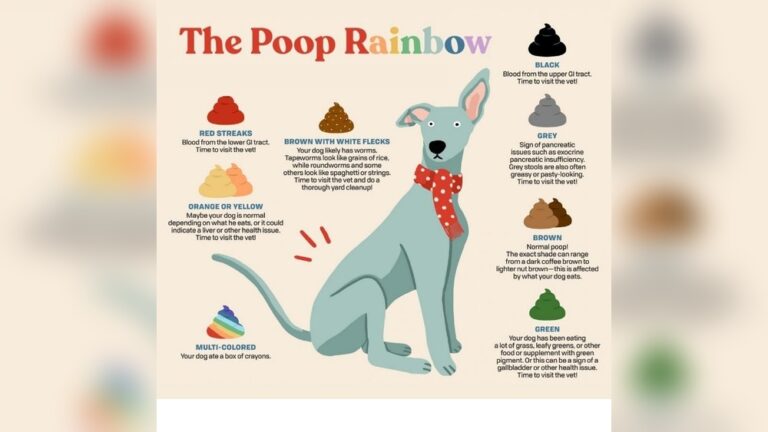
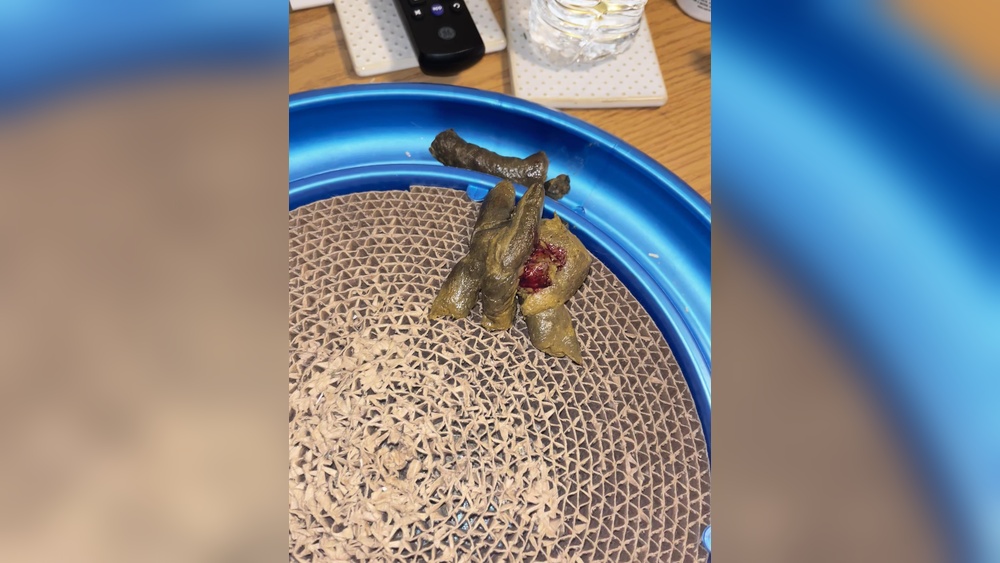
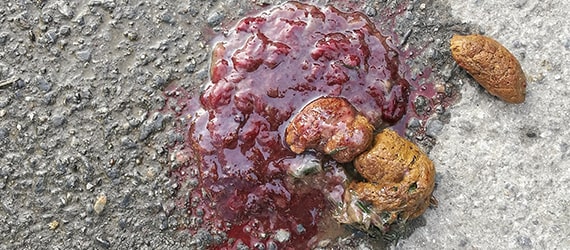
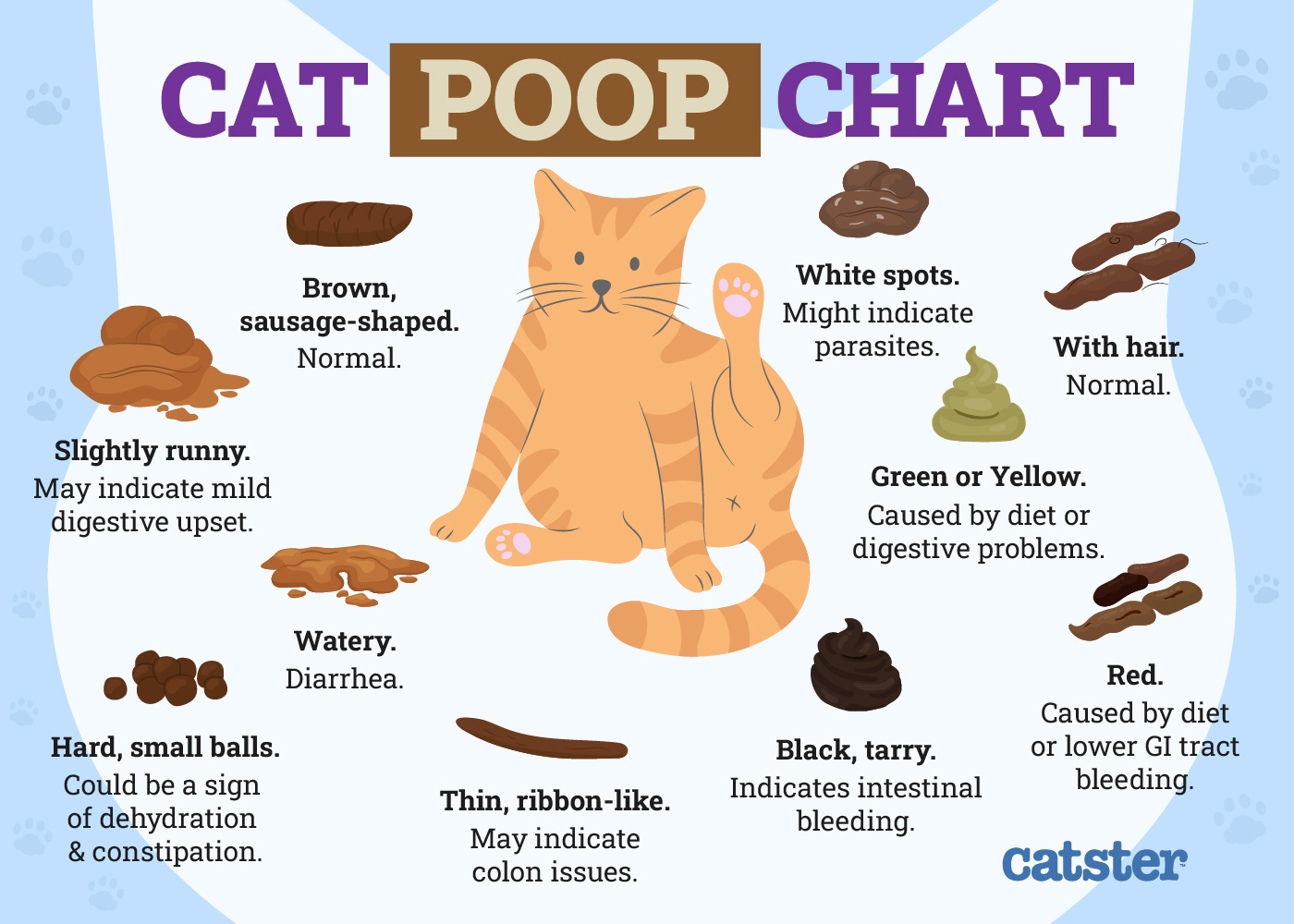
Blood in cat stool can look different. It may be bright red or dark and tarry. Bright red blood usually means bleeding in the lower intestines. Dark blood suggests bleeding higher in the digestive tract. Look closely at the stool to spot any blood.
Changes In Stool Consistency
Blood may come with changes in stool texture. Stools can become loose, soft, or watery. Sometimes, there is mucus mixed with the stool. Watch for hard, dry stools that cause straining. These changes signal digestive problems needing attention.
Behavioral Signs
Cats with blood in stool may act differently. They might hide or seem tired. Loss of appetite is common. Your cat may lick its rear more than usual. Pay attention to any unusual behavior. It helps identify health issues early.
Associated Symptoms
Other symptoms may appear alongside blood in stool. Vomiting and weight loss are red flags. Your cat might have a fever or abdominal pain. Diarrhea or constipation can also occur. These signs need prompt veterinary care for diagnosis.
When To See A Vet
Noticing blood in your cat’s stool can be worrying. Knowing when to see a vet is important for your cat’s health. Some signs need urgent care. Others suggest a routine check-up is enough. Acting fast can prevent serious problems. This guide helps you decide the right time for a vet visit.
Urgent Warning Signs
Seek immediate vet care if your cat shows these symptoms:
- Large amounts of blood in stool
- Weakness or lethargy
- Repeated vomiting
- Refusal to eat or drink
- Severe diarrhea lasting more than a day
- Bloody stool with fever or pain
These signs may signal serious illness or injury. Quick treatment is crucial.
Routine Check-up Indicators
Schedule a vet visit if you notice mild blood in stool. Also watch for:
- Occasional blood streaks in stool
- Changes in stool color or consistency
- Minor diarrhea lasting a few days
- Normal energy and appetite
- No other signs of distress
These may suggest minor issues or early disease stages. The vet can provide diagnosis and treatment options.
Diagnostic Procedures
Diagnosing blood in a cat’s stool requires a careful and thorough approach. Vets use several tests to understand the cause. Early diagnosis helps start the right treatment fast. This section explains the main diagnostic procedures used.
Physical Examination
The vet begins with a full physical exam. They check the cat’s body for signs of illness. The abdomen and anus get close attention. This exam helps find pain, swelling, or injury.
Checking the cat’s temperature and hydration is important. The vet also looks for signs of infection or parasites. This step provides clues to narrow down causes.
Fecal Tests
Fecal tests examine the cat’s stool for parasites and bacteria. The vet looks for worms, eggs, or harmful microbes. These tests detect infections that cause bleeding.
Sometimes, stool samples are tested for blood invisible to the eye. This hidden blood can indicate internal problems. Fecal tests are quick and non-invasive.
Blood Work
Blood tests check the cat’s overall health. They reveal infections, anemia, or organ problems. These issues may cause or result from blood in stool.
Complete blood count (CBC) and biochemistry panels are common tests. They help the vet assess the cat’s condition. Blood work guides treatment decisions.
Imaging Techniques
X-rays and ultrasound show internal organs and structures. These images detect tumors, blockages, or injuries. Imaging helps find causes not visible on the surface.
Ultrasound is useful for examining the intestines and abdomen. It gives detailed pictures without pain. Imaging supports diagnosis and treatment planning.
Treatment Options
Blood in a cat’s stool can be alarming. Treatment depends on the cause and severity. Early care improves outcomes. Your vet will choose the best approach for your cat’s health.
Medications
Medications can help reduce inflammation and fight infections. Antibiotics target bacterial causes of bleeding. Anti-inflammatory drugs calm irritated intestines. Pain relievers ease discomfort. Follow the vet’s prescription closely.
Dietary Adjustments
Changing your cat’s diet supports healing. Special diets with low allergens reduce bowel irritation. High-fiber foods improve digestion and stool quality. Hydration is important too. Your vet may suggest a prescription diet.
Parasite Control
Parasites often cause blood in stool. Deworming medicines kill these unwanted guests. Regular parasite checks prevent future infections. Keep your cat’s environment clean. Parasite control protects your cat’s gut health.
Surgical Interventions
Severe cases may need surgery. Surgery removes tumors or blockages causing bleeding. It repairs damaged intestines. Your vet will explain risks and benefits. Surgery aims to restore your cat’s comfort and health.
Credit: www.pdsa.org.uk
Home Care Tips
Home care plays a vital role in helping cats with blood in their stool. Simple actions at home can support healing and comfort. Paying close attention to your cat’s condition helps you notice any changes early. This allows you to act quickly if needed.
Monitoring Stool Changes
Check your cat’s stool every day. Look for any blood, color changes, or unusual texture. Note how often your cat uses the litter box. Record these details to share with your vet. Early detection of changes can prevent serious problems.
Maintaining Hydration
Keep fresh water available at all times. Encourage your cat to drink by placing water bowls in quiet spots. Wet food also helps increase fluid intake. Proper hydration supports digestion and helps heal the intestines. Dehydration can worsen the condition.
Stress Reduction
Stress can affect your cat’s health and digestion. Create a calm environment with a cozy resting place. Avoid loud noises and sudden changes in routine. Gentle play and affection can comfort your cat. Less stress helps the body heal faster.
Preventing Recurrence
Preventing the return of blood in your cat’s stool is crucial for their health. This problem can signal serious issues. Careful steps can keep your cat safe and comfortable. Regular care and attention reduce risks.
Regular Vet Visits
Schedule check-ups with the vet often. Early detection helps catch problems before they grow. Your vet can monitor your cat’s health closely. Follow their advice for tests and treatments.
Balanced Nutrition
Feed your cat a healthy, balanced diet. Proper nutrition supports the digestive system. Avoid foods that upset their stomach or cause allergies. A good diet helps prevent digestive problems and bleeding.
Parasite Prevention
Protect your cat from parasites like worms. Parasites can cause bleeding in the digestive tract. Use vet-recommended treatments regularly. Keep your cat’s environment clean and safe from infections.
Credit: www.petitemaisonaosta.it
Frequently Asked Questions
What Causes Blood In Stool Of Cats?
Blood in a cat’s stool often signals infections, parasites, or digestive issues. It can also stem from injuries or food allergies. Prompt vet visits help find the exact cause.
How Do Vets Diagnose Blood In Cat Stool?
Vets examine stool samples and may run blood tests or X-rays. They check for parasites, bacteria, or internal injuries. Diagnosis guides the right treatment plan.
What Treatments Help Stop Blood In Cat Stool?
Treatment varies by cause, such as antibiotics for infections or dewormers for parasites. Diet changes and hydration support healing. Severe cases might need hospitalization.
Can Diet Changes Reduce Blood In Cat Stool?
Yes, special diets with easily digestible food can soothe the gut. Avoiding allergens or irritants helps. Your vet can recommend the best food for your cat.
When Should I See A Vet For Cat’s Bloody Stool?
See a vet immediately if blood is bright red or stool looks black. Also seek help if your cat is weak, vomiting, or has diarrhea. Early care prevents serious problems.
Conclusion
Blood in your cat’s stool needs quick care. Watch for changes in behavior or appetite. Visit the vet to find the cause fast. Treatment depends on the problem your cat has. Keep your cat’s diet gentle and clean. Follow the vet’s advice and give medicines on time.
Regular check-ups help prevent serious health issues. Early action can keep your cat happy and healthy. Don’t wait—act as soon as you notice blood. Your cat deserves the best care you can give.