Is your dog constantly licking its paws or limping on one leg? These could be signs that your furry friend is suffering from a nail bed infection—a painful and potentially serious condition that needs your immediate attention.
Imagine your dog struggling to walk or play because of swollen, red, or discolored nails. You don’t want to see that, do you? You’ll learn how to spot the warning signs early, what treatment options are available, and how you can help your dog recover quickly.
Keep reading to protect your pet’s paws and keep them happy and healthy.
Signs To Watch
Recognizing the signs of a dog nail bed infection early helps prevent serious problems. Watch your dog closely for changes in appearance and behavior. Nail bed infections often cause discomfort and can worsen without care.
Pay attention to small details. They can signal the start of an infection. Prompt action can protect your dog’s health and comfort.
Physical Symptoms
Look for redness and swelling near the nail base. The skin may appear inflamed or tender to touch. Discharge, such as pus or blood, may leak from around the nail. Nails might change color or become brittle and soft. Some nails may grow deformed or peel easily. Your dog’s paw could have a foul odor. Limping or holding up the paw indicates pain. These signs often point to an infection that needs care.
Behavioral Changes
Your dog may lick or chew the affected paw more than usual. This behavior tries to relieve pain or irritation. Notice if your dog avoids putting weight on one paw. It may seem restless or less active. Some dogs hide or seem anxious due to discomfort. Changes in mood or appetite can also appear. These behavioral shifts often accompany physical symptoms of infection.
Common Causes
Dog nail bed infections arise from several common causes. Understanding these causes helps in early detection and proper treatment. Infections can result from bacteria, fungi, injuries, or immune system problems. Each factor affects the nail bed differently, leading to discomfort and pain for your dog.
Bacterial Infections
Bacteria are the most frequent cause of nail bed infections. These germs enter through tiny cuts or cracks in the nail or skin. Once inside, they multiply quickly, causing redness, swelling, and pus. Dogs that lick or chew their paws often introduce bacteria to the nail bed. Poor hygiene or dirty environments also increase the risk.
Fungal Infections
Fungi thrive in warm, moist areas and can infect the nail bed. Yeast infections are common in dogs with allergies or weakened immune systems. Fungal infections cause thickening, discoloration, and crumbling of the nails. These infections often develop slowly and may be mistaken for bacterial infections at first.
Trauma And Injury
Injuries to the nail or toe can lead to infections. Broken, cracked, or torn nails expose the nail bed to bacteria and fungi. Rough play, walking on sharp objects, or accidental nail clipping causes trauma. Injured nails become painful and swollen, making it hard for dogs to walk properly.
Immune-related Issues
Some dogs develop nail bed infections due to immune system problems. Conditions like Lupoid Onychodystrophy cause the immune system to attack the nails. This leads to chronic inflammation and infection. Immune-related infections are harder to treat and may require long-term care.
Diagnosis Steps
Diagnosing a dog nail bed infection involves a clear, step-by-step process. Early and accurate diagnosis helps in quick recovery. Understanding the diagnosis steps can guide pet owners in seeking proper care.
Veterinary Examination
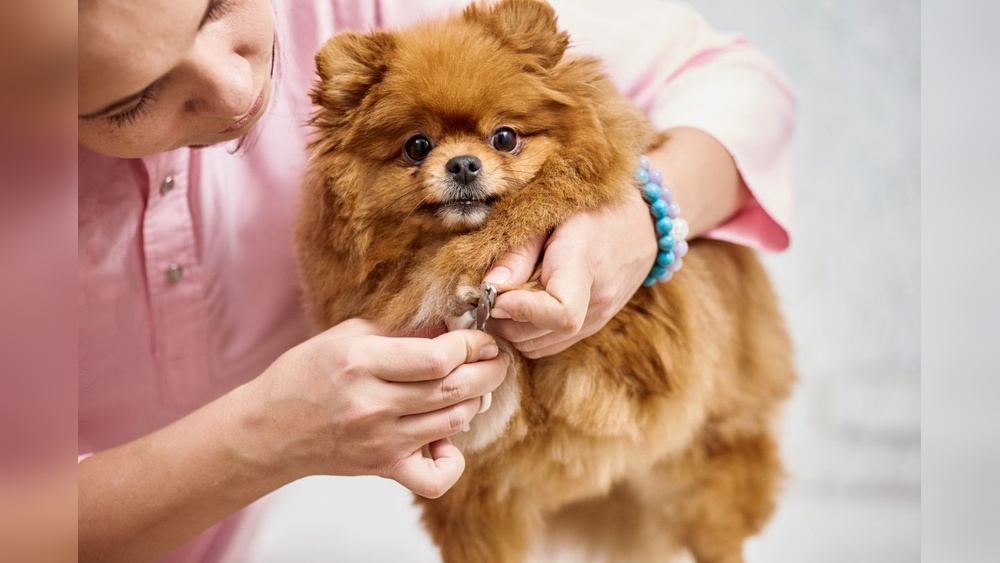
The vet starts with a thorough physical check of your dog’s paws. They look for redness, swelling, or discharge around the nail bed. The vet checks for pain by gently touching the affected area. They also observe your dog’s behavior and gait. This examination helps identify visible signs of infection or injury.
Lab Testing
Lab tests confirm the exact cause of the infection. The vet may take samples of pus or nail clippings. These samples go to a lab for bacterial or fungal culture. Blood tests might also be done to check overall health. Lab results guide the vet to choose the right treatment.
Treatment Choices
Treating a dog nail bed infection requires careful attention and proper care. Early treatment helps prevent the infection from worsening. Different options target the infection and ease discomfort. Understanding the choices can help you care for your dog better.
Medications
Antibiotics fight bacterial infections effectively. Your vet may prescribe oral or topical antibiotics based on severity. For fungal infections, antifungal creams or pills may be needed. Follow the vet’s instructions strictly to ensure full recovery.
Soaks And Baths
Soaking the infected nail helps clean the area. Warm water with antiseptic solutions like chlorhexidine or Epsom salts works well. These baths reduce swelling and draw out pus or debris. Soaks should be gentle and last about 5 to 10 minutes daily.
Pain Relief
Infections can cause pain and discomfort. Pain relief medications help your dog feel better during healing. Your vet may suggest safe painkillers suitable for dogs. Never give human pain medicine without veterinary advice.
Home Care Tips
Home care plays a key role in managing a dog’s nail bed infection. Proper care speeds up healing and reduces discomfort. Careful attention to the affected paw helps prevent the infection from worsening. Simple steps at home can make a big difference.
Keeping The Area Clean
Cleaning the infected nail bed is vital. Use a mild antiseptic solution to gently wash the area. Avoid harsh soaps that may irritate the skin. Pat the paw dry with a clean towel. Repeat this process twice daily to keep bacteria away. Cleanliness prevents further infection and supports healing.
Preventing Licking
Licking the infected area can slow healing and spread bacteria. Use an Elizabethan collar or a soft bootie to stop licking. Distract your dog with toys or attention to reduce paw licking. Keeping the dog calm and comfortable helps control this habit. Preventing licking protects the nail bed from extra damage.
Protective Measures
Protect the infected nail from dirt and injury. Cover the paw with a clean, breathable bandage if needed. Change the bandage daily or more if it becomes wet or dirty. Avoid walking on rough surfaces until the infection clears. Keep your dog’s environment clean to lower infection risk. These measures help the nail heal safely and quickly.
Potential Complications
Dog nail bed infections can lead to serious health issues if untreated. Understanding potential complications helps pet owners act quickly. These infections may worsen and affect your dog’s overall well-being. Early care reduces risks and improves recovery chances.
Spread Of Infection
The infection can move beyond the nail bed. It may reach the surrounding skin or deeper tissues. This spread causes more pain and swelling. In severe cases, bacteria enter the bloodstream. This condition is dangerous and requires urgent care. Watch for fever, lethargy, or loss of appetite. These signs suggest the infection is spreading.
Long-term Damage
Untreated infections can damage the nail and paw permanently. The nail may become thick, brittle, or fall off. Chronic infection harms the nail matrix, stopping new nail growth. This damage causes lasting discomfort and mobility issues. Your dog might limp or avoid walking. Early treatment prevents these long-term problems.
Frequently Asked Questions
How Do You Treat A Dog’s Nail Bed Infection?
Treat a dog’s nail bed infection by cleaning the area with antiseptic soaks like Epsom salt. Apply prescribed antibiotics or antifungals. Prevent licking using an Elizabethan collar. Keep the paw dry and protected. Consult a vet promptly for accurate diagnosis and effective treatment.
What Does An Infected Nail Bed Look Like On A Dog?
An infected dog nail bed appears red, swollen, and inflamed. It may discharge pus or blood. Nails look brittle, discolored, or deformed. The dog often licks or chews the affected paw and may limp due to pain. Prompt veterinary care is essential to prevent worsening.
Does Epsom Salt Draw Out Infections In Dogs?
Epsom salt helps clean wounds and reduce infection risk in dogs with mild antiseptic properties. It also reduces swelling and promotes healing.
Conclusion
Treating a dog’s nail bed infection quickly prevents pain and complications. Watch for redness, swelling, or discharge around nails. Clean the paw gently and keep it dry to help healing. Vet visits ensure the right treatment for bacteria or fungus.
Avoid letting your dog lick the infected area to stop worsening. With proper care, most infections improve fast. Stay alert to changes and act early for your dog’s comfort. Healthy nails mean happy paws and a happy dog.