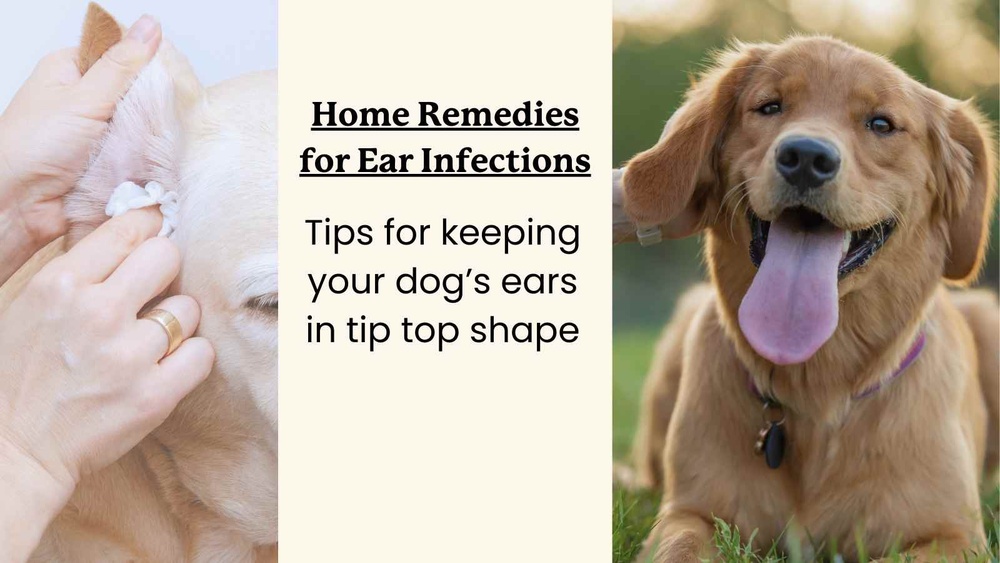
Is your dog constantly scratching or shaking its head because of itchy ears? You know how uncomfortable that can be for your furry friend—and how worrying it is for you.
Luckily, there are simple home remedies you can try right now to soothe your dog’s irritated ears and ease their discomfort. From gentle cleaning tips to natural treatments, this guide will help you take quick action before the problem gets worse.
Keep reading to discover effective, easy-to-follow solutions that can bring relief to your dog and peace of mind to you.
Causes Of Itchy Dog Ears
Itchy ears can cause discomfort and distress for dogs. Understanding what causes this irritation helps in managing the problem effectively. Many reasons can lead to itchy dog ears. Some are simple and easy to treat at home, while others need veterinary care. Identifying the cause is the first step toward relief.
Ear Infections
Ear infections are common in dogs and often cause itching. They happen when bacteria or yeast grow inside the ear canal. Moisture, dirt, and wax buildup create a perfect place for infections. Dogs with floppy ears or allergies are more prone to infections. Signs include redness, swelling, bad smell, and discharge.
Ear Mites
Ear mites are tiny parasites that live in the ear canal. They cause intense itching and discomfort. Dogs shake their heads and scratch their ears frequently. Ear mites produce dark, crumbly debris that looks like coffee grounds. These mites spread easily between pets and need prompt treatment.
Allergic Reactions
Allergies can trigger ear itching in dogs. Food, pollen, dust, or flea bites often cause allergic reactions. The immune system reacts and inflames the ears. Allergic dogs may also scratch other parts of their body. Treating allergies helps reduce ear itching and discomfort.
Foreign Objects
Sometimes, foreign objects like grass seeds or small debris get stuck in the ear. This causes irritation and itching. Dogs try to remove the object by scratching or shaking their head. Foreign bodies can cause infections if not removed quickly. Careful inspection and cleaning help prevent problems.
Symptoms To Watch For
Noticing signs of itchy ears in your dog early can prevent serious problems. Dogs cannot tell us when their ears hurt. Watching for symptoms helps you act fast. Monitor your dog’s behavior and ear appearance daily. Catching symptoms early leads to easier home treatment and less discomfort.
Excessive Scratching
Scratching ears more than usual is a clear warning sign. Your dog may scratch with paws or rub ears on furniture. This behavior shows irritation or itchiness inside the ear. Frequent scratching can cause sores or infections.
Head Shaking
Repeated head shaking means your dog tries to relieve ear discomfort. This action helps remove irritants or fluid. Vigorous shaking can injure the ear canal or cause swelling. Watch for constant or intense shaking patterns.
Redness And Swelling
Check your dog’s ears for redness or puffiness. Inflamed skin inside the ear canal signals irritation or infection. Swollen ears can feel warm to the touch. These signs often accompany itching and pain.
Discharge And Odor
Look for any unusual liquid or wax buildup in the ears. Discharge may be yellow, brown, or bloody. A bad smell often means infection or yeast growth. Clean ears that show discharge carefully to avoid worsening the issue.
Safe Cleaning Methods
Cleaning your dog’s itchy ears safely is key to comfort and health. Proper cleaning removes dirt and reduces irritation. It also helps prevent infections from worsening. Use gentle methods and products designed for dogs. Avoid harsh substances that can harm the ear canal or skin. Regular, careful cleaning supports healing and keeps ears fresh.
Vet-approved Ear Cleaners
Choose ear cleaners recommended by veterinarians. These products are gentle and safe for dogs. They effectively dissolve wax and debris without causing irritation. Look for alcohol-free solutions to avoid drying out the ear canal. Follow the instructions on the bottle for best results. Vet-approved cleaners maintain the natural balance of the ear.
Using Cotton Balls
Cotton balls work well for wiping the ear’s outer parts. Soak a cotton ball with the ear cleaner. Gently wipe the ear flap and the entrance of the ear canal. Never push cotton balls deep into the ear canal. This can cause damage or push debris further inside. Replace cotton balls frequently to keep the area clean.
Avoiding Harmful Substances
Do not use hydrogen peroxide, alcohol, or vinegar directly in your dog’s ear. These can irritate or burn sensitive skin. Avoid using cotton swabs inside the ear canal. They can injure the eardrum or worsen infections. Skip homemade mixtures unless approved by your vet. Safe cleaning means using only recommended products and gentle techniques.
Natural Remedies
Natural remedies offer gentle care for your dog’s itchy ears at home. These treatments use simple ingredients found in many kitchens. They soothe irritation and help keep ears clean. Safe and easy to apply, natural solutions support your dog’s ear health without harsh chemicals.
Apple Cider Vinegar Solution
Apple cider vinegar helps balance the ear’s pH and fight infection. Mix equal parts water and apple cider vinegar. Use a dropper to place a few drops in the ear. Gently massage the base of the ear to spread the solution. Wipe away excess liquid with a clean cloth. Avoid use if the ear has open wounds or severe irritation.
Coconut Oil Application
Coconut oil has antibacterial and antifungal properties. Warm a small amount until it melts. Apply a few drops inside your dog’s ear canal. Massage gently to distribute the oil. Coconut oil also soothes dry, itchy skin inside the ear. Repeat daily until itching improves.
Aloe Vera Benefits
Aloe vera calms inflamed and irritated ear skin. Use pure aloe vera gel without added chemicals. Apply a small amount to the outer ear area. It helps reduce redness and itching. Aloe vera also promotes healing of minor irritations. Use it carefully to avoid getting gel deep inside the ear canal.
Over-the-counter Options
Over-the-counter options offer accessible ways to soothe your dog’s itchy ears at home. These remedies address common causes like yeast, allergies, and mild infections. Using the right product helps ease discomfort and prevents further irritation. Always observe your dog’s reaction and stop use if symptoms worsen.
Antifungal Creams
Antifungal creams help fight yeast infections in your dog’s ears. These infections cause redness, itching, and odor. Popular creams like Monistat or Canesten can be applied carefully to the affected area. Clean the ear gently before applying. Avoid inserting the cream deep into the ear canal. Use as directed on the packaging for best results.
Antihistamines
Antihistamines reduce itching caused by allergies. Medicines such as cetirizine can calm your dog’s allergic reactions. Consult your vet for the correct dosage and safety. These drugs may take a few days to show effects. Monitor your dog for any side effects like drowsiness or loss of appetite.
Ear Drops
Ear drops provide targeted relief and help clear infections or inflammation. Many drops contain ingredients to fight bacteria or fungi. Choose drops labeled for dogs and follow the instructions carefully. Clean your dog’s ears with a vet-approved cleaner before applying drops. Regular use can reduce itching and promote healing.
Preventive Care Tips
Preventing your dog’s itchy ears is easier than treating infections. Simple daily habits protect ear health. These tips help avoid discomfort and costly vet visits. Focus on keeping ears clean, dry, and free from allergens.
Moisture Control
Keep your dog’s ears dry to prevent infections. After baths or swimming, gently dry the ears with a soft towel. Avoid using cotton swabs deep inside the ear canal. Use vet-approved ear drying drops if your dog swims often. Moisture encourages bacteria and yeast growth, causing itchiness and odor.
Regular Ear Checks
Examine your dog’s ears weekly for signs of redness or swelling. Look for unusual smells or discharge. Early detection stops infections before they worsen. Use a gentle vet-approved cleaner to remove dirt and wax. Regular checks help maintain ear health and comfort.
Allergy Management
Allergies often cause itchy ears in dogs. Identify and reduce exposure to allergens like pollen or dust. Discuss with your vet about special diets or medications to control allergies. Keep your dog’s living area clean and free from irritants. Managing allergies reduces ear inflammation and scratching.
When To Visit The Vet
Knowing when to visit the vet is crucial for your dog’s ear health. Some ear problems need professional care to avoid serious damage. Home remedies can help minor issues, but persistent or severe symptoms require veterinary attention. Early intervention can prevent pain and complications for your pet.
Persistent Symptoms
If your dog keeps scratching or shaking its head for more than a few days, see the vet. Persistent redness, swelling, or odor also signals a problem. These signs suggest the ear issue is not improving with home care. A vet can find the root cause and offer proper treatment.
Signs Of Severe Infection
Watch for signs like intense pain, discharge with bad smell, or bleeding. These symptoms show a severe ear infection. The infection can spread and cause serious harm if untreated. Immediate veterinary care is needed to relieve pain and stop infection.
Suspected Ear Mites
Ear mites cause extreme itchiness and dark, crumbly debris in the ear. They are contagious and worsen without treatment. Over-the-counter remedies rarely cure mite infections fully. A vet can confirm mites and provide effective medication to clear them safely.
Ear Hematomas
An ear hematoma is a swollen, blood-filled area on the ear flap. It happens after intense scratching or shaking. Hematomas often need vet care to drain and heal properly. Ignoring this can lead to permanent ear deformity and discomfort for your dog.
Managing Self-trauma
Managing self-trauma in dogs with itchy ears is crucial to prevent further damage. Dogs often scratch or shake their heads hard, causing wounds or infections. Stopping this behavior helps the healing process and reduces pain. Using simple tools at home can protect your dog’s ears effectively.
Using Elizabethan Collars
Elizabethan collars, also called e-collars or cones, stop dogs from reaching their ears. These collars create a barrier that prevents scratching and biting. They fit around the neck and are made from plastic or soft fabric. Using an e-collar reduces self-inflicted injuries during ear irritation.
Choose a collar that fits well but allows comfortable movement. Check your dog often to avoid stress or discomfort. Keep the collar on until your dog stops scratching the ears.
Ear Wraps And Protection
Ear wraps protect the ears by covering them gently. Soft bandages or specially made ear wraps keep your dog from direct contact with the ears. These wraps reduce irritation from scratching or shaking.
Wrap the ears loosely to avoid cutting off circulation. Use breathable materials to keep ears dry. Change wraps daily to maintain cleanliness and avoid infections.
Combining ear wraps with other remedies helps soothe itchy ears. Protecting the ears speeds up recovery and keeps your dog comfortable.
Veterinary Treatments
Veterinary treatments play a vital role in managing your dog’s itchy ears effectively. A vet can identify the exact cause behind the irritation. Causes may include infections, allergies, or parasites. Proper diagnosis ensures the right treatment and faster relief for your dog. Some cases need more than home remedies and require professional care.
Medicated Drops
Veterinarians often prescribe medicated drops to treat ear infections. These drops may contain antibiotics to fight bacteria. They can also have antifungal agents for yeast infections. Drops reduce inflammation and soothe itching. Always follow the vet’s instructions carefully for the best results. Regular application clears the infection and prevents relapse.
Oral Medications
Oral medications help when infections or allergies are severe. Antibiotics or antifungal pills may be necessary. Allergy medications reduce itching and swelling inside the ears. Sometimes, steroids are given to calm severe inflammation. Oral treatment works alongside topical care for full recovery. Your vet decides if oral meds are suitable for your dog.
Surgical Options
In rare cases, surgery may be the best choice. Surgery removes growths or severe infections that do not heal. It can correct ear canal problems causing repeated infections. Surgical treatment helps dogs with chronic ear disease. Vets evaluate risks and benefits before suggesting surgery. This option aims to improve your dog’s ear health long-term.
Frequently Asked Questions
How Can I Treat My Dog’s Itchy Ears At Home?
Gently clean your dog’s ears with a vet-approved cleaner. Apply diluted apple cider vinegar or coconut oil. Avoid moisture and monitor symptoms closely. Consult a vet if itching persists or worsens.
What Do I Do If My Dog Keeps Shaking His Head And Scratching His Ear?
Check your dog’s ears for redness, discharge, or odor. Clean gently with vet-approved cleaner. Consult a vet to diagnose infections, mites, or allergies. Avoid home remedies without guidance. Use prescribed medication and prevent scratching with an Elizabethan collar if needed.
Seek vet help if symptoms persist or worsen.
Can I Treat My Dog’s Ear Infection Without Going To The Vet?
Treating a dog’s ear infection without a vet risks worsening the condition. Use vet-approved cleaners and monitor closely. Seek veterinary care if symptoms persist or worsen. Proper diagnosis ensures safe and effective treatment.
Conclusion
Treating your dog’s itchy ears at home can bring quick relief. Use gentle cleaning and safe natural remedies like diluted apple cider vinegar or coconut oil. Always watch for signs of infection or worsening symptoms. Avoid harsh products or vigorous scratching.
If itching continues, consult a vet to prevent serious problems. Regular ear care helps keep your dog comfortable and healthy. Simple steps make a big difference in your dog’s ear health. Stay patient and attentive to your pet’s needs.