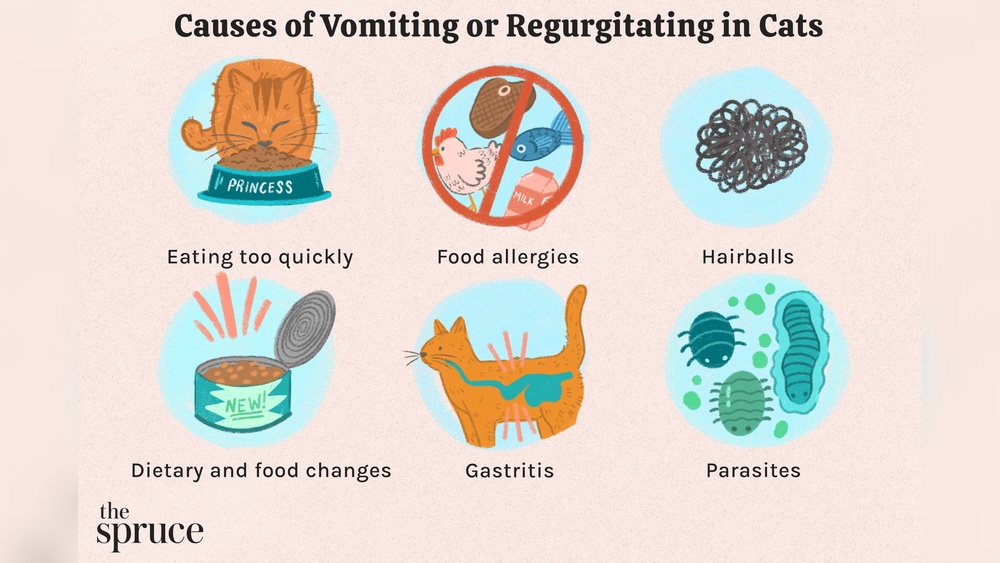
Is your cat suddenly not eating and throwing up? This combination of symptoms can be worrying and confusing.
When your furry friend refuses food and vomits, it’s a clear sign something isn’t right. You might wonder if it’s just a minor upset or something serious that needs immediate attention. Understanding the reasons behind these signs and knowing what to do next can make all the difference in your cat’s health and comfort.
Keep reading to learn why your cat might be acting this way and how you can help them feel better quickly.
Symptoms Of Cat Not Eating And Vomiting
Not eating and vomiting are clear signs that a cat may be unwell. These symptoms often occur together and can indicate several health problems. Recognizing these signs early helps in seeking timely care. Cats are good at hiding discomfort, so subtle symptoms matter a lot.
Loss Of Appetite
A cat that refuses to eat is a cause for concern. It may avoid food completely or eat very little. Loss of appetite can lead to weakness and worsens other health issues. Watch for changes in eating habits over a day or two.
Frequent Vomiting
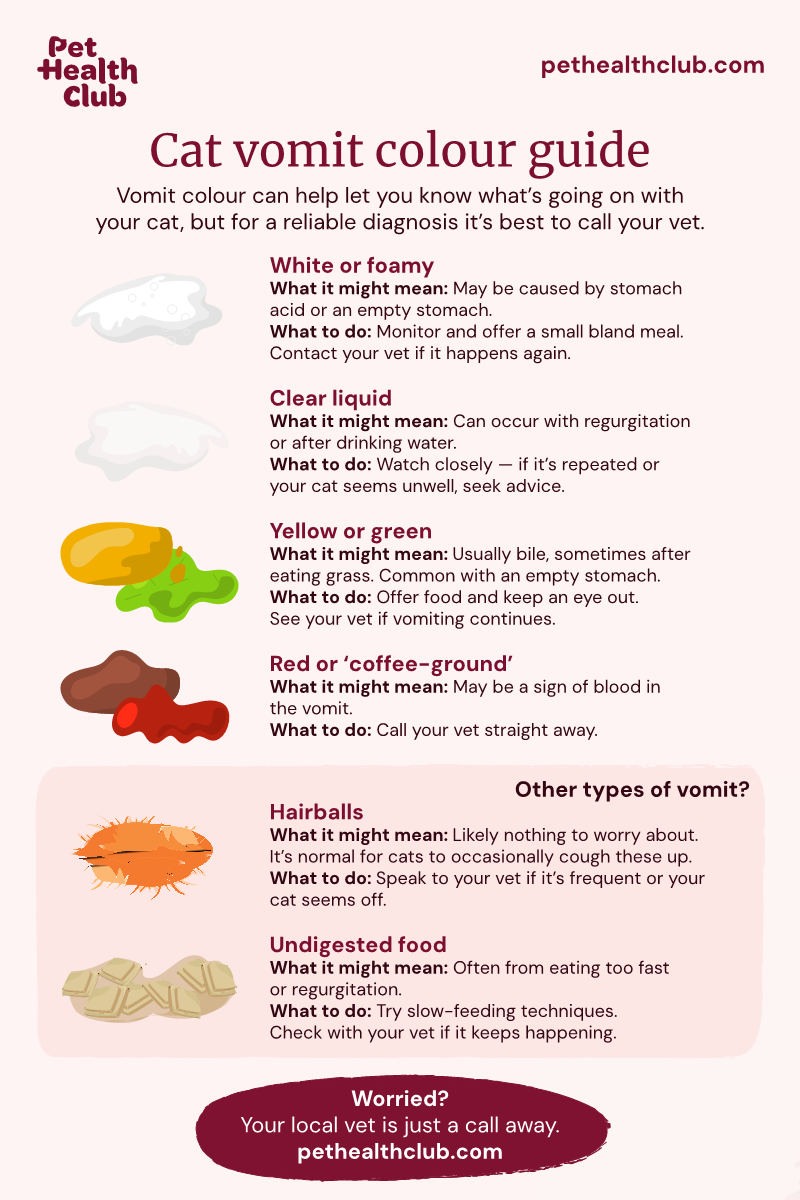
Vomiting more than once in a short time is not normal. It can be clear liquid, bile, or food. Frequent vomiting causes dehydration and nutrient loss. Keep track of how often your cat vomits and the appearance of the vomit.
Lethargy And Weakness
Sick cats often become very tired and weak. They may sleep more than usual and move less. Weakness makes it hard for cats to jump or play. Lethargy combined with vomiting and no appetite signals serious illness.
Behavioral Changes
Changes in behavior show that a cat is struggling. Your cat may hide, avoid contact, or act irritable. Some cats vocalize more or less than usual. Noticing these changes early helps with faster treatment.
Serious Health Concerns Behind Symptoms
Cats that stop eating and vomit often face serious health issues. These symptoms warn of underlying problems needing quick attention. Understanding the causes helps protect your cat’s health. Early detection can prevent worsening conditions.
Below are key health concerns linked to these signs. Each requires careful observation and prompt care.
Kidney Disease Signs
Kidney disease is common in older cats. Vomiting and loss of appetite are early symptoms. Cats may also drink more water and urinate frequently. Bad breath with an ammonia smell can appear. Weight loss and lethargy often develop as the disease progresses.
Digestive System Disorders
Digestive problems cause nausea and vomiting in cats. Conditions like gastritis, ulcers, or blockages can stop eating. Diarrhea may accompany vomiting. The cat may show signs of pain or discomfort. These disorders require veterinary diagnosis and treatment.
Infections And Toxins
Infections from bacteria or viruses can cause vomiting and appetite loss. Parasites also lead to these symptoms. Toxic substances like plants, chemicals, or spoiled food are dangerous. Immediate veterinary care is critical if poisoning is suspected. Early treatment improves survival chances.
Systemic Shutdown Indicators
Systemic shutdown means multiple organs fail. Cats show extreme lethargy and hide from people. They refuse food and water entirely. Poor grooming and weight loss become obvious. Breathing may become difficult or irregular. Cold ears and sunken eyes signal serious trouble. These signs need emergency veterinary care.
Recognizing Urgent Warning Signs
Recognizing urgent warning signs in a cat that is not eating and throwing up can save its life. Cats often hide their pain. Observing subtle changes is crucial. Immediate action may prevent serious health issues. Watch for behavior and physical symptoms that signal distress.
Extreme Hiding And Withdrawal
A cat that suddenly hides more than usual needs attention. It may avoid family members and stay in dark, quiet places. This behavior shows severe discomfort or pain. Withdrawal from social interaction is a red flag. It often indicates illness or stress.
Labored Or Irregular Breathing
Breathing that is fast, shallow, or uneven is dangerous. You might hear gasping or see pauses between breaths. This symptom shows the cat is struggling to get enough oxygen. It requires immediate veterinary care. Do not wait for other symptoms to appear.
Cold Extremities And Sunken Eyes
Cold paws or ears suggest poor blood circulation. Sunken eyes look dull and deep in their sockets. Both signs mean the cat is dehydrated or in shock. These symptoms need urgent medical evaluation. They often occur with severe illness or organ failure.
Incontinence And Confusion
Loss of bladder or bowel control is alarming. Confusion may show as staring at walls or strange behavior. These signs point to serious neurological or systemic problems. They are not normal and need quick vet intervention. Acting fast can improve the cat’s chances of recovery.

Credit: gottlob-berlin.de
When To Seek Emergency Veterinary Care
Knowing when to seek emergency veterinary care is vital for your cat’s health. Cats hide pain well, so serious signs can be easy to miss. Quick action can save your cat’s life. Watch for key symptoms that signal urgent help is needed.
Refusal To Eat Or Drink
A cat that refuses food and water for more than 24 hours needs immediate care. Dehydration sets in fast and worsens health. Lack of intake can cause organ problems quickly. Don’t wait to see if your cat improves.
Persistent Vomiting
Throwing up repeatedly over several hours is a red flag. Vomiting leads to dehydration and nutrient loss. It may also hide serious issues like blockages or poisoning. Call the vet if vomiting does not stop or worsens.
Rapid Weight Loss
Sudden, noticeable weight loss signals a serious problem. Weight loss affects energy and body function. It can mean infection, organ failure, or other illness. Immediate veterinary evaluation is crucial for diagnosis and treatment.
Breathing Difficulties
Labored, fast, or shallow breathing is an emergency. Breathing problems may indicate heart or lung issues. Your cat may also show gasping or open-mouth breathing. Seek veterinary help at once if breathing changes occur.
Home Care Tips Before Vet Visit
When your cat stops eating and starts throwing up, it causes worry. Before visiting the vet, certain home care steps can help your cat feel better. These actions support your pet’s comfort and may prevent further health issues. Act quickly but calmly to assist your cat during this stressful time.
Providing Comfort And Warmth
Keep your cat in a quiet, warm place. Soft bedding helps them rest comfortably. Avoid loud noises and bright lights. Gentle petting can soothe your cat if they allow it. Warmth supports recovery and reduces stress.
Ensuring Hydration
Offer small amounts of fresh water often. Dehydration is a risk with vomiting. Use a shallow dish for easy access. Avoid forcing water, which may cause more vomiting. Ice cubes can encourage licking and hydration.
Monitoring Symptoms
Watch your cat closely for any changes. Note the frequency of vomiting and appetite loss. Look for signs like lethargy, diarrhea, or difficulty breathing. Record these observations to share with your vet. Early detection helps in prompt treatment.
Avoiding Harmful Foods Or Medications
Do not give your cat any human food or medicines. Some substances are toxic to cats. Stick to their regular diet unless your vet advises otherwise. Avoid over-the-counter remedies without professional guidance. This prevents worsening symptoms.
Credit: www.hopbroscervejaria.com.br
Preventive Measures For Cat Health
Preventive measures play a vital role in keeping cats healthy and avoiding issues like not eating and vomiting. Healthy habits and timely care reduce the chances of serious illnesses. Cat owners can create a safe, nurturing environment to support their pet’s wellbeing. Small steps protect cats from discomfort and disease.
Regular Vet Check-ups
Routine vet visits help catch health problems early. Vets can spot signs of illness before symptoms worsen. Vaccinations and parasite control keep cats safe. Regular exams ensure your cat stays in good shape. Early treatment improves recovery chances and avoids complications.
Balanced Diet And Hydration
A proper diet supports your cat’s digestive system and overall health. Provide high-quality food with the right nutrients. Avoid sudden changes in food to prevent upset stomachs. Fresh water should always be available. Hydration helps digestion and prevents vomiting related to dehydration.
Early Detection Of Kidney Disease
Kidney disease often causes cats to vomit and lose appetite. Early testing can detect kidney problems before severe damage. Blood and urine tests reveal kidney function. Managing kidney health with diet and medication slows disease progression. Timely care improves quality of life for affected cats.
Maintaining A Stress-free Environment
Stress can cause cats to stop eating and vomit. Keep their living space calm and quiet. Avoid sudden changes in routine or environment. Provide hiding spots and comfortable resting areas. Play and interaction reduce anxiety and promote wellbeing. A relaxed cat is less likely to develop health issues.

Credit: unifi.com
Frequently Asked Questions
What Do I Do If My Cat Is Throwing Up And Not Eating?
Monitor your cat closely and keep it hydrated. Offer small, bland meals. Contact a veterinarian immediately if vomiting persists or appetite remains low. Early vet care prevents complications and ensures proper treatment.
How Do You Know When Your Cat’s Body Is Shutting Down?
Signs your cat’s body is shutting down include extreme lethargy, hiding, refusal to eat or drink, poor grooming, weight loss, cold paws, sunken eyes, labored breathing, confusion, and incontinence. Seek immediate veterinary care if you notice these urgent symptoms.
What Are The Three Early Warning Signs Of Kidney Disease In Cats?
The three early warning signs of kidney disease in cats are increased thirst and urination, decreased appetite with weight loss, and lethargy. These symptoms may also include a dull coat or bad breath, indicating kidney function decline. Early detection helps in managing the disease effectively.
How Long Can A Cat Go Without Eating Before It Passes Away?
A cat can survive about one to two weeks without eating. Lack of food leads to liver failure and death. Seek veterinary care immediately if a cat stops eating.
Conclusion
A cat not eating and throwing up needs quick attention. Watch for other symptoms like lethargy or hiding. These signs show your cat may feel very sick. Getting help from a vet can protect your cat’s health. Early care improves recovery chances and comfort.
Always trust your instincts if your cat acts different. Taking action early can prevent serious problems. Keep your cat calm and offer water if possible. Your care makes a big difference in your cat’s well-being.