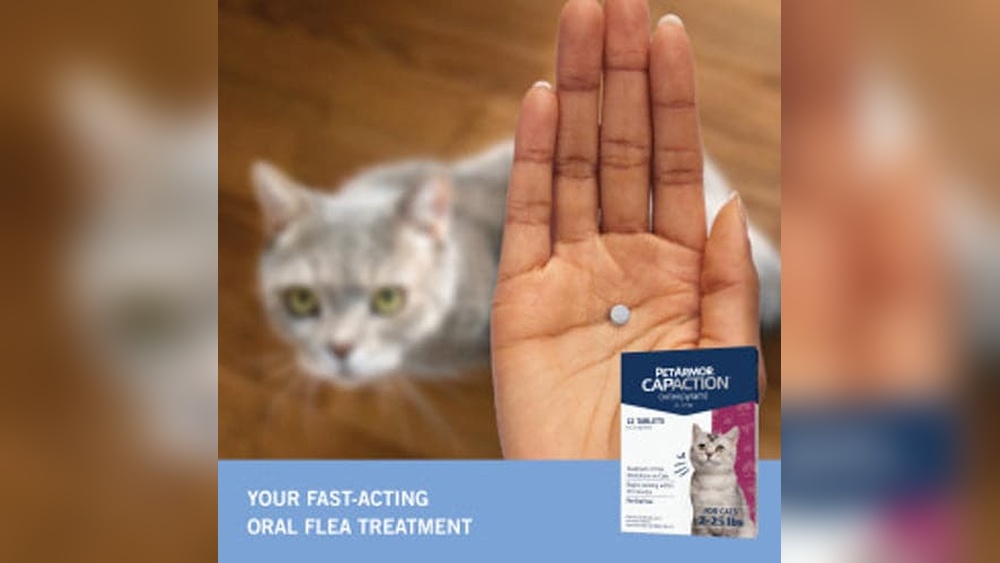
Fleas are a common problem for cat owners worldwide. These tiny pests can cause big issues, from intense itching to serious skin infections. If you’ve seen your cat scratching or noticed small brown insects in their fur, you might be dealing with a flea infestation. Many pet owners want fast, effective solutions, and cat flea tablet treatment has become popular for its quick action and convenience. But how do these tablets work, and are they safe? Let’s explore everything you need to know about using flea tablets to protect your cat and your home.
How Cat Flea Tablets Work
Cat flea tablets are oral medications designed to kill fleas quickly after they bite your pet. Unlike spot-on treatments or sprays, tablets work from the inside out. When your cat swallows the tablet, the active ingredient enters their bloodstream. As fleas feed on your cat’s blood, they ingest the medicine and die within hours.
The most common active ingredients are:
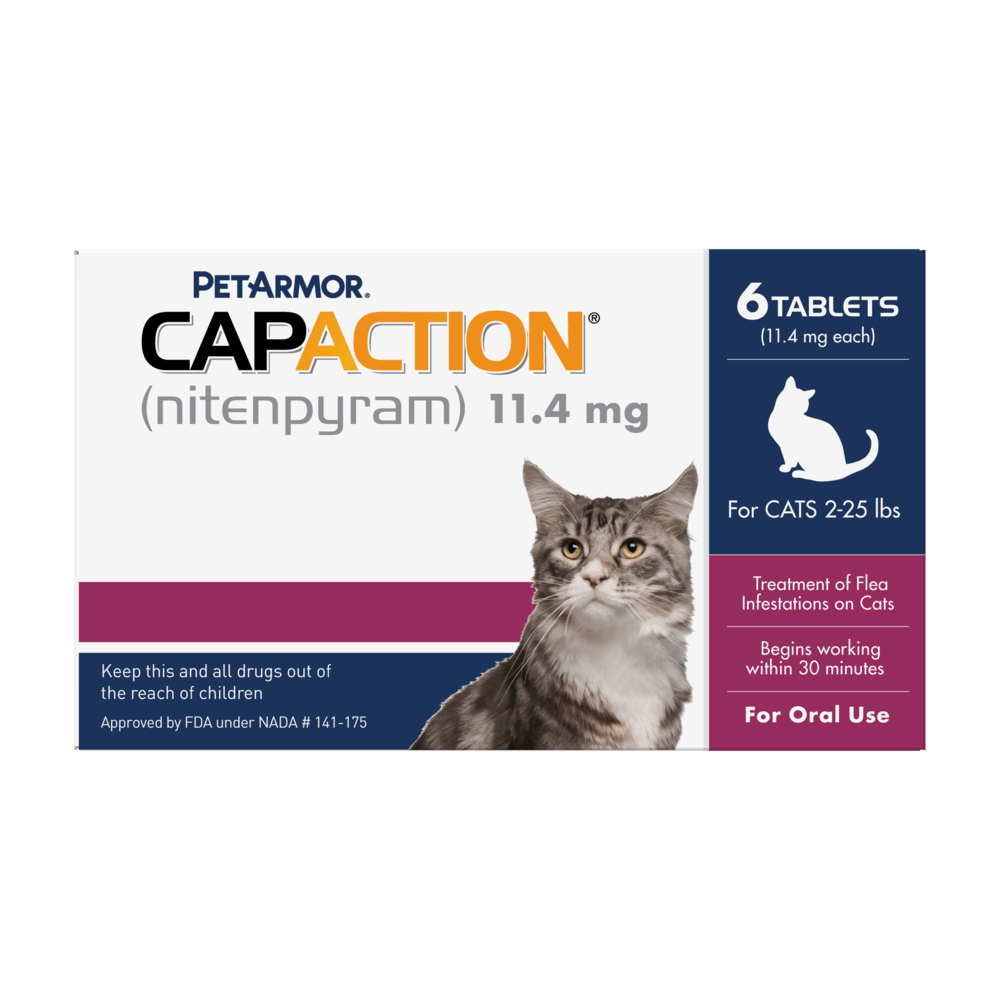
- Nitenpyram: Starts killing fleas in 30 minutes; over 90% killed within 6 hours.
- Spinosad: Begins working in 30 minutes; lasts up to a month.
- Lufenuron: Stops flea eggs from hatching, breaking the flea life cycle.
Each tablet type has its own strengths. Some kill adult fleas fast, while others prevent future infestations. It’s important to pick the right one for your cat’s situation.
Main Benefits Of Flea Tablets
Why Do Many Owners Prefer Flea Tablets Over Other Treatments?
- Rapid action: Some tablets start killing fleas within 30 minutes. This is much faster than most topical solutions.
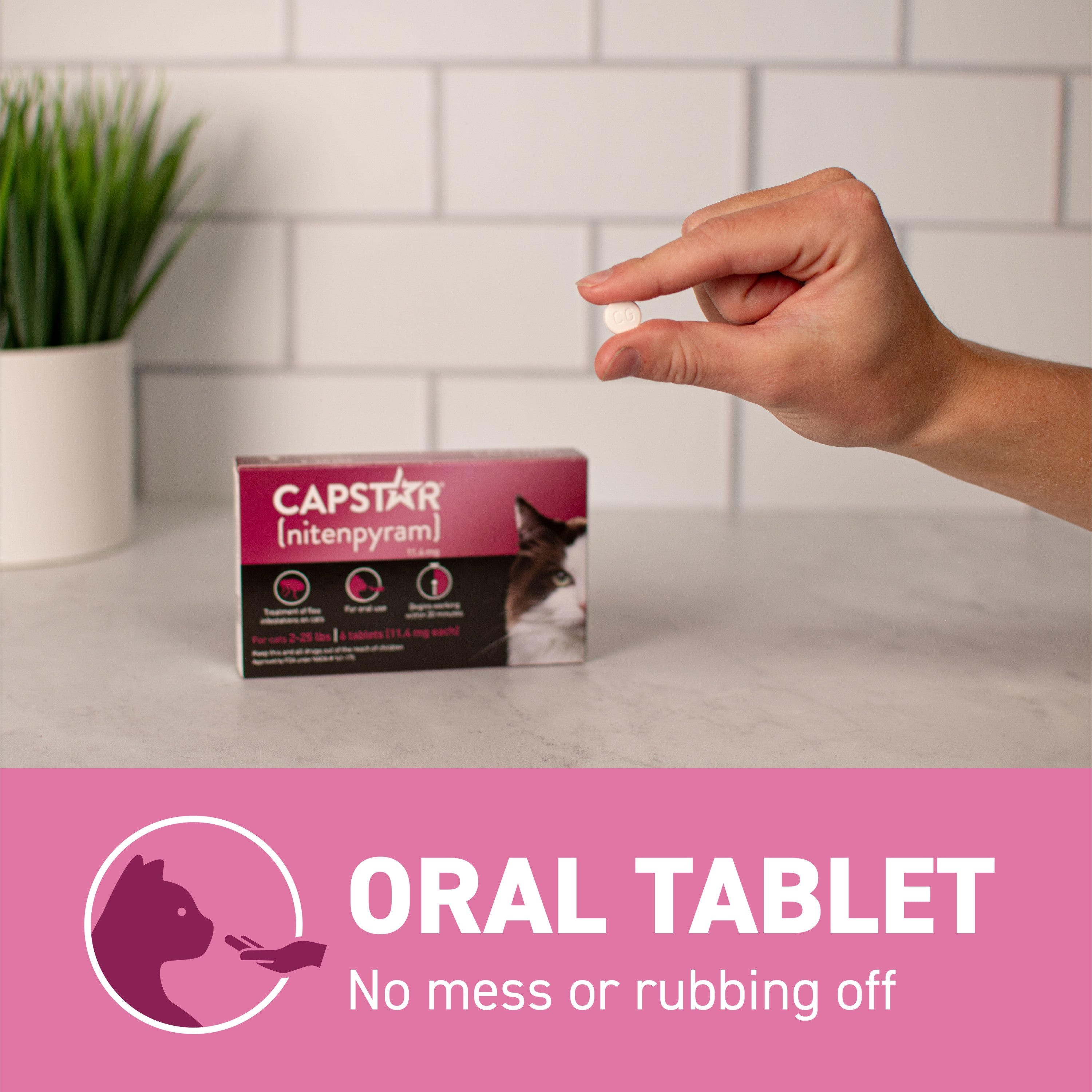
- No mess: No oily residue on your cat’s fur, and no risk of washing the product off during bathing.
- Easy dosing: Just a pill—no measuring, no spreading liquids on the skin.
- Less chance of human exposure: Children and other pets won’t accidentally touch or lick the medicine.
- Ideal for multi-pet homes: Oral tablets mean you don’t have to separate your pets after treatment.
However, not all tablets are the same. The best choice depends on your cat’s health, age, and needs.
Types Of Cat Flea Tablets
There are several types of cat flea tablet treatment on the market. They target fleas in different ways and last for different lengths of time.
| Tablet Type | Main Ingredient | Effect | How Long It Works |
|---|---|---|---|
| Fast-acting adulticide | Nitenpyram | Kills adult fleas quickly | 24 hours |
| Monthly adulticide | Spinosad | Kills adult fleas, ongoing protection | 1 month |
| Growth inhibitor | Lufenuron | Prevents flea eggs from hatching | 1 month |
Fast-acting adulticides are best for heavy infestations, as they kill live fleas quickly. Monthly adulticides provide ongoing protection, while growth inhibitors help prevent future outbreaks by stopping the next generation of fleas.
How To Give Your Cat A Flea Tablet
Giving a cat a pill can be tricky. Here are some steps to make the process easier:
- Check the dosage: Always use the correct dose for your cat’s weight and age.
- Hide the tablet in food: Many tablets can be hidden in a treat or soft food. Make sure your cat swallows the whole dose.
- Use a pill popper: If your cat refuses, a pill-giving tool may help.
- Ask your vet: If you struggle, your vet or a technician can show you the best way.
Never crush or split flea tablets unless the packaging says it’s safe. Some medications lose effectiveness if altered.
Safety And Side Effects
Most cat flea tablets are considered safe when used as directed. However, side effects can happen, especially if the cat is sensitive or overdosed.
Possible side effects include:
- Vomiting or diarrhea
- Drooling or loss of appetite
- Lethargy (tiredness)
- Itching or skin reactions (rare)
Kittens, elderly cats, and pets with health problems may need different products or doses. Always read the package insert and consult your vet before starting any treatment.
Comparing Flea Tablets To Other Treatments
Many cat owners wonder if tablets are better than traditional treatments like spot-ons, sprays, or collars. Each method has its pros and cons.
| Treatment | How It Works | Speed | Messy? | Duration |
|---|---|---|---|---|
| Tablet | Oral, systemic | Very fast | No | 1 day–1 month |
| Spot-on | Topical, skin absorption | Hours–days | Yes (oily) | 1 month |
| Collar | Slow release on fur | Days | No | Up to 8 months |
| Spray | Direct contact | Minutes–hours | Yes | Days–weeks |
Tablets are usually the fastest way to kill fleas, but they may not last as long as some collars or spot-ons. For best results, some owners use tablets to knock down a heavy infestation, then switch to longer-term prevention.
When To Use Cat Flea Tablets
Not every situation calls for a flea tablet. Here’s when they make the most sense:
- Severe flea infestations: If your cat is covered in fleas, a fast-acting tablet provides quick relief.
- Cats that hate topical treatments: Some cats refuse spot-ons or lick off the medication. Tablets avoid this problem.
- Multi-pet households: No need to keep pets apart after dosing.
- Flea allergy dermatitis: Cats allergic to flea bites need fleas gone as quickly as possible.
However, for long-term prevention, you may need to combine tablets with other products or environmental treatments.
How To Choose The Right Flea Tablet For Your Cat
Selecting a flea tablet isn’t just about picking the first product you see. Consider these important factors:
- Cat’s age and weight: Not all tablets are safe for kittens or small cats.
- Health status: Some conditions (like kidney or liver problems) mean your cat needs a different medicine.
- Type of infestation: For sudden outbreaks, pick a fast-acting tablet. For ongoing protection, choose a monthly option.
- Other pets: Check if the tablet is safe if you have dogs or other animals at home.
- Ease of use: Some tablets are flavored or chewable, making them easier to give.
Ask your veterinarian for recommendations. They can help you pick the safest and most effective tablet for your pet.
Common Mistakes To Avoid
Many cat owners make mistakes when using flea tablets. Here are some to watch for:
- Incorrect dosing: Giving too much or too little can be dangerous or ineffective.
- Treating only the cat: Fleas live in your home, not just on your pet. Wash bedding, vacuum carpets, and treat all pets.
- Stopping treatment too soon: Flea eggs and larvae can survive for weeks. Continue treatment as recommended.
- Ignoring side effects: If your cat vomits or seems ill, contact your vet.
A common beginner mistake is using dog flea products on cats. Never do this—dog products can be toxic to cats.
How Fast Do Flea Tablets Work?
One of the best features of flea tablets is their speed. For example, nitenpyram-based tablets (like Capstar) can kill 90% of adult fleas on your cat within 6 hours. This quick action provides almost immediate relief from itching and discomfort.
However, these tablets don’t kill flea eggs or larvae in your home. You may see new fleas appear as eggs hatch over the next few days. This is why ongoing prevention is important.
Credit: petarmor.com
Long-term Flea Control Strategy
Flea tablets are excellent for quick relief, but a long-term plan is key to beating fleas for good. Here’s how to keep your cat and home flea-free:
- Treat all pets at the same time: Fleas can jump between animals.
- Clean your home: Wash bedding weekly, vacuum carpets, and use flea sprays if needed.
- Continue prevention: Use monthly flea tablets or other long-term products to stop fleas from coming back.
- Check your cat regularly: Flea combs help spot new infestations early.
Many owners miss this step: treating the environment is just as important as treating your cat.
Case Example: A Multi-cat Household
Let’s look at a real-life example. Sarah has three indoor cats. She noticed all of them scratching and found fleas in their bedding. She used a fast-acting flea tablet to kill the fleas on each cat within hours. At the same time, she washed all bedding, vacuumed her furniture, and sprayed her carpets with a vet-recommended spray.
After a week, she switched to a monthly oral flea tablet for long-term control. Sarah hasn’t seen a flea since.
This example shows that combining tablets with cleaning and prevention is the best way to stop a flea problem.
Are Flea Tablets Safe For Kittens?
Most flea tablets are not safe for kittens under 4 weeks old or under 2 pounds. Always check the label and talk to your vet before giving any medication to a kitten. Kittens are more sensitive to medicines and need special care.
The Cost Of Flea Tablet Treatment
Flea tablets can cost from $5 to $20 per dose, depending on the brand and size of your cat. Monthly tablets are usually more expensive than single-dose fast-acting pills, but they offer longer protection.
Here’s a quick comparison:
| Tablet Brand | Active Ingredient | Approximate Cost (USD) | Duration |
|---|---|---|---|
| Capstar | Nitenpyram | $6 per tablet | 24 hours |
| Comfortis | Spinosad | $20 per tablet | 1 month |
| Program | Lufenuron | $10 per tablet | 1 month |
Talk with your veterinarian about the best balance between cost and effectiveness for your situation.
Credit: capstarpet.com
When To See A Veterinarian
If your cat keeps scratching, loses hair, or seems sick after flea treatment, see your vet. Some cats are allergic to flea bites or may react badly to certain medications. Your vet can suggest safer alternatives or check for other causes of itching.
For more information about fleas and their treatment, visit the VCA Animal Hospitals website.
Frequently Asked Questions
What If My Cat Vomits After Taking A Flea Tablet?
If your cat vomits within an hour after taking the tablet, the medicine may not have been absorbed. Check the product instructions—some brands recommend giving another dose. If vomiting continues, call your vet.
Can I Use Flea Tablets With Other Flea Products?
Some flea tablets can be safely combined with other products, like flea collars or sprays, but not always. Always check with your veterinarian before mixing treatments to avoid overdosing your cat.
How Often Should I Give My Cat A Flea Tablet?
It depends on the product. Fast-acting tablets can be given as needed (sometimes daily for a few days), while monthly tablets should be given once every 30 days. Read the instructions carefully.
Are Flea Tablets Safe For Pregnant Or Nursing Cats?
Not all flea tablets are safe for pregnant or nursing cats. Check the product packaging or ask your vet for advice. There are special products designed for sensitive cats.
Why Do Fleas Keep Coming Back Even After Treatment?
Flea eggs and larvae can survive in your home for weeks. Even after treating your cat, new fleas may appear as eggs hatch. Regular cleaning and ongoing flea prevention are necessary to completely break the flea life cycle.
Flea tablets offer a modern, powerful way to fight a common problem. By choosing the right tablet, using it safely, and combining it with good home cleaning, you can protect your cat and your family from the stress of fleas.
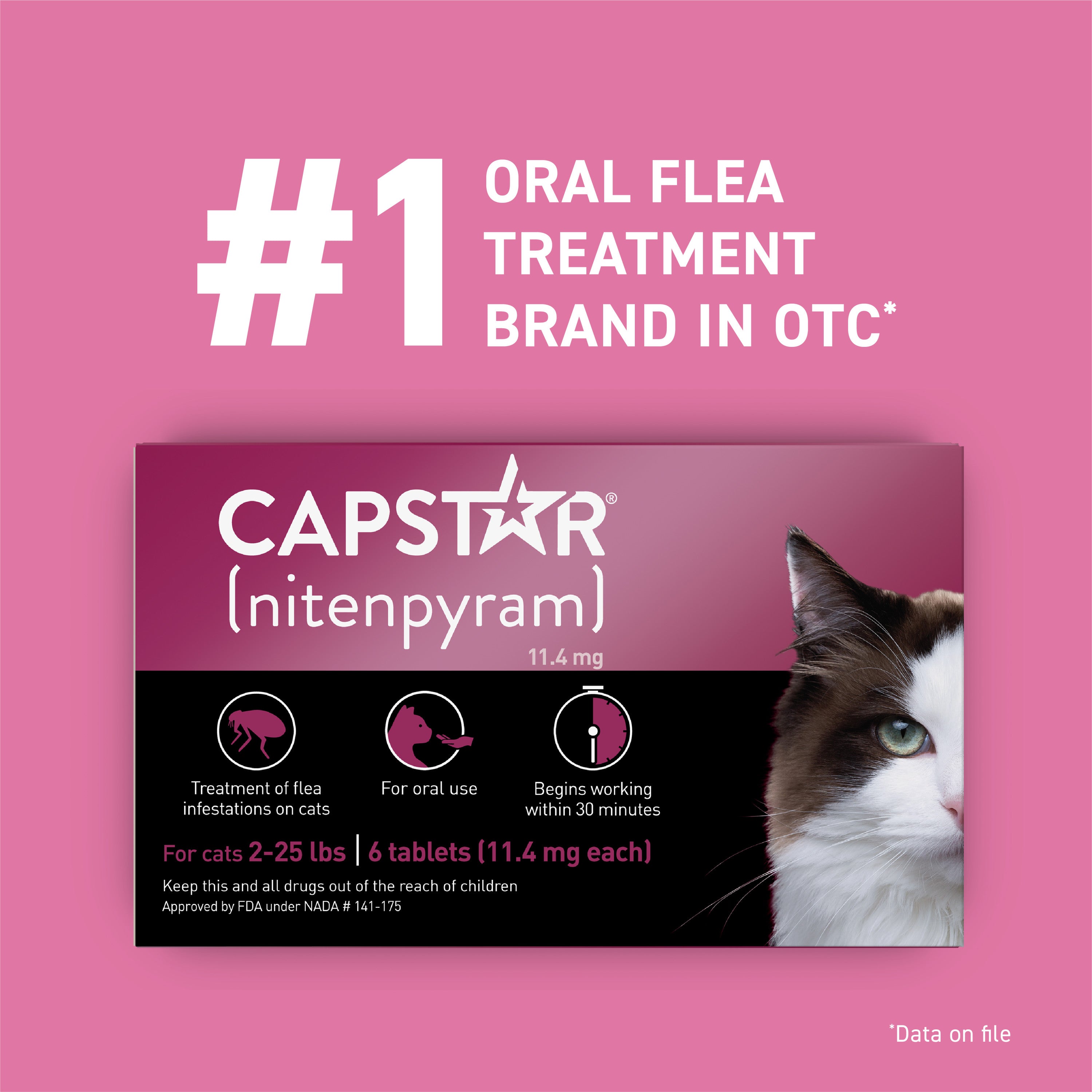
Credit: capstarpet.com