
Dealing with anal gland issues in dogs can be messy and worrying. If your dog scoots on the floor, licks their rear often, or has foul-smelling leaks, their anal glands may be the problem. Many pet owners don’t realize that what your dog eats plays a big role in this condition. The right food can help empty the glands naturally, while the wrong food can make things worse. Let’s explore how to choose the best dog food for anal gland issues, what ingredients to look for, and which top options really make a difference.
Understanding Anal Gland Problems In Dogs
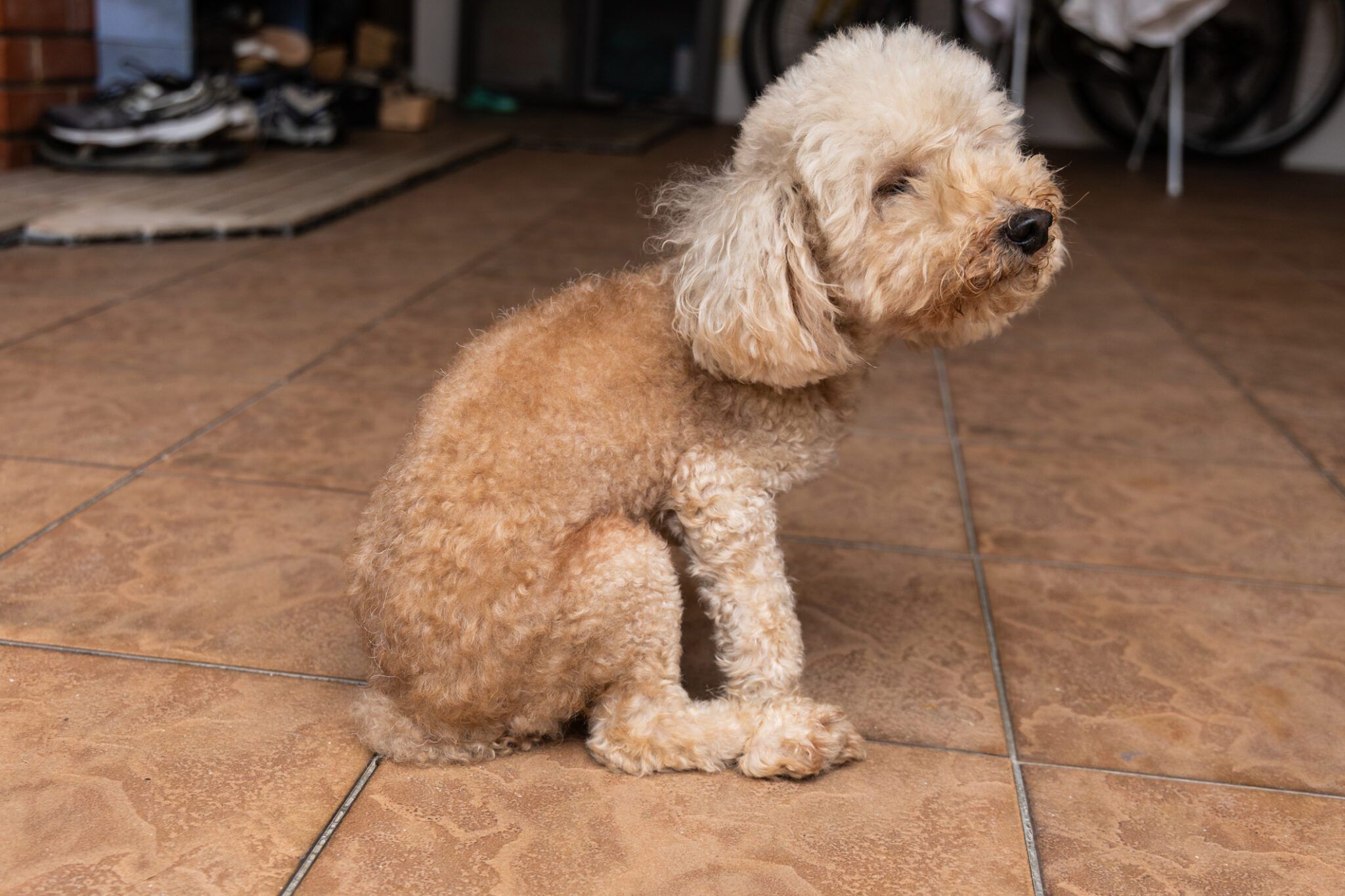
Anal glands are two small sacs near your dog’s anus. They release a strong-smelling fluid for marking territory. If these glands don’t empty on their own, they can become impacted or infected. Signs include scooting, discomfort, swelling, or even abscesses.
Diet affects how well these glands work. Dogs that eat food with low fiber or poor-quality ingredients often have softer stools. Soft stools don’t press on the glands enough to empty them. Harder, bulkier stools usually help squeeze the glands naturally.
Key Ingredients For Healthy Anal Glands
Not all dog foods help with anal gland problems. Look for these key features:
- High fiber: Adds bulk to stool, helping natural gland expression.
- Quality protein: Supports digestion and reduces allergy risks.
- Limited fillers: Fewer artificial additives and grains mean fewer irritants.
- Omega-3 fatty acids: Reduce inflammation and support skin health.
- Probiotics: Balance gut bacteria for better digestion.
Below is a comparison of common fiber sources:
| Fiber Source | Type | Benefits |
|---|---|---|
| Pumpkin | Soluble/insoluble | Gentle, natural, adds stool bulk |
| Sweet Potato | Insoluble | Improves stool consistency |
| Psyllium Husk | Soluble | Increases moisture in stool |
| Beet Pulp | Moderate | Supports colon health |
Credit: www.whole-dog-journal.com
Top Dog Foods For Anal Gland Issues
Dog foods that support anal gland health aren’t always labeled for this use. Here are some of the most effective choices, based on real results and ingredient quality.
1. Hill’s Science Diet Adult Sensitive Stomach & Skin
This formula uses easy-to-digest ingredients and is gentle on sensitive dogs. It includes added fiber from beet pulp and has omega-6 fatty acids for skin health. Many owners report fewer scooting episodes after switching.
2. Wellness Core Grain-free High-fiber
With 36% protein and a blend of fruits and vegetables, this food uses lentils and peas for fiber. Dogs get firm stools and improved digestive health. No artificial preservatives are included.
3. Royal Canin Veterinary Diet Gastrointestinal Fiber Response
This prescription food is often recommended by vets for chronic anal gland issues. It has a special fiber blend to regulate stools. Some owners notice improvements within days.
4. Blue Buffalo Wilderness High Protein, Healthy Weight
This formula keeps calories in check while using pea fiber and pumpkin for healthy digestion. It’s a good choice for overweight dogs, as obesity can worsen anal gland problems.
5. Natural Balance L.i.d. Limited Ingredient Diets
For dogs with food allergies, this food uses simple, limited ingredients and high-quality fiber. Sweet potato is the main carbohydrate, and it’s free from artificial colors and preservatives.
6. Nutro Natural Choice Healthy Weight
This food balances moderate protein with extra fiber from whole grains and vegetables. It helps dogs feel full and promotes regular, firm stools.
7. Merrick Grain-free Real Chicken & Sweet Potato
This recipe uses real chicken as the first ingredient and sweet potato for fiber. Dogs enjoy the taste, and many see less scooting and discomfort.
8. Purina Pro Plan Focus Sensitive Skin & Stomach
Salmon is the main protein, and it includes prebiotic fiber to aid digestion. It’s gentle for dogs with sensitive stomachs and helps produce firmer stools.
9. Solid Gold Fit & Fabulous
This weight-control formula contains pumpkin, pearled barley, and probiotics. It’s especially good for less active dogs who need more fiber but fewer calories.
10. Wellness Simple Limited Ingredient Diet
With just a few ingredients, this food avoids common allergens and uses easily digestible carbohydrates. It’s suitable for dogs with recurring anal gland issues tied to food sensitivities.
Choosing The Right Food For Your Dog
Every dog is unique. Some need more fiber, while others have allergies or weight issues. Here are a few extra tips:
- Start slowly when switching foods to avoid digestive upset.
- Watch for changes in stool consistency and frequency.
- If your dog’s anal gland problems continue, consult a vet. Sometimes, food alone isn’t enough.
The table below highlights key features of the foods mentioned above:
| Brand | Main Fiber Source | Protein Type | Special Features |
|---|---|---|---|
| Hill’s Science Diet | Beet Pulp | Chicken | Sensitive stomach |
| Wellness CORE | Lentils, Peas | Turkey, Chicken | High protein |
| Royal Canin GI Fiber | Mixed fiber | Poultry | Vet recommended |
| Blue Buffalo Wilderness | Pumpkin, Pea Fiber | Chicken | Healthy weight |
| Natural Balance LID | Sweet Potato | Salmon, Duck | Limited ingredients |

Credit: growlingtums.co.uk
Two Common Mistakes Owners Make
Many dog owners miss these non-obvious points:
- Adding too much fiber at once: Suddenly increasing fiber can cause gas or diarrhea. Make changes gradually.
- Ignoring hydration: Fiber needs water to work. Dogs eating more fiber should always have access to fresh water, or their stools may become too hard.
Extra Tips For Managing Anal Gland Issues
- Try adding a spoonful of plain canned pumpkin to your dog’s meal for a fiber boost.
- Regular exercise helps keep digestion moving smoothly.
- Maintain a healthy weight, as overweight dogs have more frequent anal gland problems.
If you want more detailed information on canine digestive health, you can read the Cornell University Canine Digestive Health Guide.

Credit: seaweedfordogs.com
Frequently Asked Questions
What Causes Anal Gland Issues In Dogs?
Anal gland problems can be caused by poor diet, food allergies, soft stools, obesity, or genetics. Dogs with loose stools have trouble expressing glands naturally.
How Does Fiber Help With Anal Gland Problems?
Fiber bulks up the stool, making it firmer. Firmer stools press on the glands, helping them empty when your dog poops.
Can I Use Home-cooked Food For My Dog’s Anal Glands?
Yes, but it’s important to balance nutrients and include the right type of fiber. Always check with a vet or pet nutritionist before switching to home-cooked meals.
Are Certain Breeds More Prone To Anal Gland Issues?
Yes, small breeds like Chihuahuas, Toy Poodles, and Cocker Spaniels often have more anal gland problems due to their anatomy.
How Long Does It Take To See Results After Switching Food?
Most owners see improvement within 2 to 4 weeks. However, every dog is different. If problems continue, consult your vet.
Choosing the best dog food for anal gland issues can give your pet real relief. With the right fiber, quality ingredients, and a little patience, your dog’s comfort and health can greatly improve. Always observe your dog’s reactions and stay in touch with your vet for the best results.