
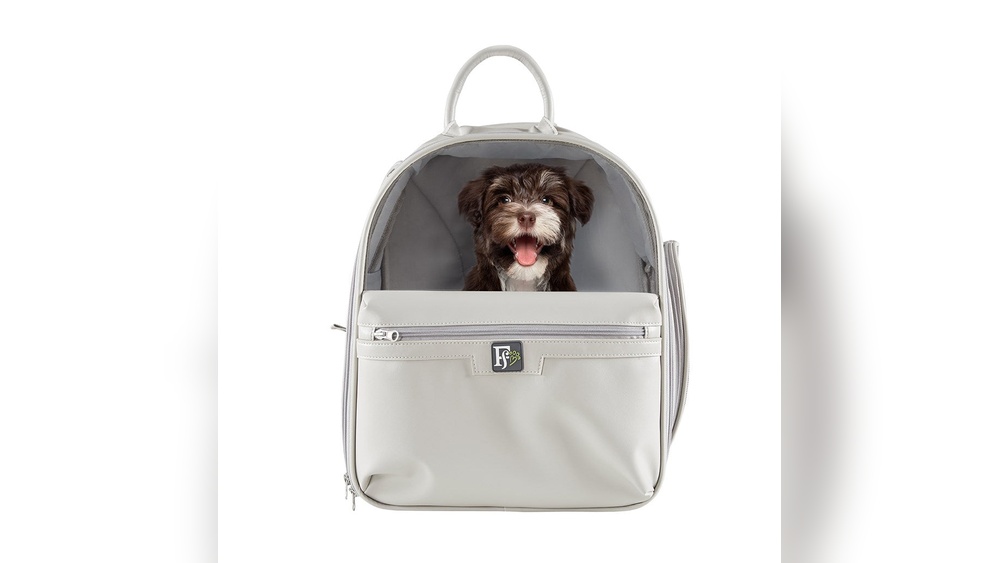
Taking your small dog everywhere you go can be a challenge. Many pet owners love to travel, hike, or simply walk around town, but sometimes their furry friend gets tired or anxious. That’s where backpack dog carriers for small dogs come in. These clever bags let you carry your pet safely and comfortably, freeing your hands and keeping your dog close. If you’re considering buying one, you’ll quickly notice there are many choices. Picking the right carrier requires understanding your dog’s needs, your own comfort, and the features available. In this guide, you’ll discover everything you need to know about backpack dog carriers for small dogs, including what to look for, tips for use, safety advice, and a look at some popular models.
Why Choose A Backpack Dog Carrier For Small Dogs?
A backpack dog carrier is more than just a bag. It’s a safe space for your pet, especially for dogs weighing up to 20 lbs. These carriers are popular for owners with tiny breeds like Chihuahuas, Yorkies, or Pomeranians. They’re useful for:
- Urban walks
- Public transport
- Hiking and traveling
- Visiting the vet
Most small dogs enjoy being close to their owners. A backpack carrier helps reduce anxiety and keeps them secure. It’s also convenient for owners with physical limitations or those who want to keep their hands free.
Key Features To Look For
Not all carriers are equal. Here’s what matters most when choosing the right backpack carrier:
| Feature | Why It Matters |
|---|---|
| Size & Weight Limit | Ensures your dog fits comfortably and safely. |
| Ventilation | Prevents overheating, allows your dog to breathe easily. |
| Padding | Provides comfort for both dog and owner’s back. |
| Safety Straps | Keeps your dog secure, prevents accidental escapes. |
| Material | Durable fabric resists wear and tear. |
| Storage Pockets | Useful for carrying treats, leashes, or water bottles. |
Many beginners overlook weight distribution. If the bag is not balanced, carrying your dog for a long time can cause back pain. Look for wide, padded straps and a chest buckle to spread the load.

Credit: toughtraveler.com
Types Of Backpack Dog Carriers
There are several styles to choose from. Understanding these can help you select the best one for your needs.
| Type | Description | Best For |
|---|---|---|
| Front-Facing | Dog faces forward, easy to check on your pet. | Short walks, anxious dogs. |
| Back-Facing | Dog sits on your back, better for hiking. | Long walks, outdoor adventures. |
| Expandable | Carrier can grow in size for more comfort. | Travel, rest stops. |
| Hard-Shell | Sturdy structure, more protection. | Air travel, rough terrain. |
Most small dog owners pick front-facing carriers for their convenience, but back-facing models are better for hiking. If you travel often, consider expandable options to give your dog more room during breaks.
Popular Backpack Dog Carrier Models
Some carriers stand out for their design and quality. Here are a few well-known models:
- K9 Sport Sack: Popular among hikers. It offers strong support and comes in several sizes. Many users praise its ventilation and adjustable straps.
- Outward Hound PoochPouch: Great for everyday walks. It’s lightweight, has a front-facing design, and includes safety straps.
- PetAmi Deluxe Carrier: Known for comfort and extra pockets. The bottom is padded and the mesh sides provide airflow.
- Kurgo G-Train: Rugged carrier for outdoor use. It has waterproof fabric and a hard bottom. It’s also suitable for biking.
- Pecute Expandable Backpack: Expands for more space. Ideal for longer trips and dogs who need to stretch out.
- YUDODO Pet Carrier: Stylish and easy to use. It’s best for small breeds and short trips. The mesh design helps keep your dog cool.
Each carrier has pros and cons. If your dog is nervous, try models with extra padding and front-facing features. If you plan to hike, look for sturdy straps and waterproof material.
How To Use A Backpack Dog Carrier Safely
Safety comes first. Follow these tips for a safe and enjoyable experience:
- Always check the weight limit before using.
- Make sure your dog can move but not escape.
- Use the safety strap to secure your dog’s harness.
- Never leave your dog in the carrier for more than 2 hours at a time.
- Check the weather. Avoid hot days as carriers can trap heat.
- Stop and let your dog walk or rest whenever possible.
One common mistake is ignoring your dog’s signals. If your pet seems stressed, stop and let them out. Also, practice at home before going outside. Let your dog get used to the carrier slowly.
Benefits Of Backpack Dog Carriers
Carriers offer many advantages for both you and your dog:
- Keeps your dog safe in crowded places
- Reduces stress and anxiety
- Makes travel and hiking easier
- Helps elderly or disabled dogs join the adventure
- Frees your hands for other tasks
Some owners report their dog’s confidence improves after using a carrier regularly. Dogs learn to trust their owner more and feel protected. This is especially true for rescue dogs or pets with mobility issues.

Credit: www.walmart.com
Comparing Backpack Dog Carrier Materials
The material matters for comfort and durability. Here’s a comparison:
| Material | Pros | Cons |
|---|---|---|
| Polyester | Lightweight, easy to clean, affordable | Less strong, can tear easily |
| Nylon | Durable, water-resistant, flexible | Can feel stiff, slightly heavier |
| Canvas | Very strong, stylish, breathable | Heavy, harder to clean |
| Hard Shell (Plastic) | Protects from bumps, easy to wipe | Not flexible, can be uncomfortable |
If you use your carrier daily, choose nylon or canvas. For occasional trips, polyester is enough. For rough adventures, consider a hard shell.
Non-obvious Insights
- Your dog’s nails can scratch the carrier’s fabric. Trim them before each use to extend the carrier’s life.
- Dogs with short noses (like pugs) need extra ventilation. Avoid carriers with small mesh windows for these breeds.
- Some carriers double as car seats, saving money and space.

Credit: www.petique.com
Frequently Asked Questions
How Do I Measure My Dog For A Backpack Carrier?
Measure your dog’s length, height, and weight. Length is from nose to base of tail. Height is from floor to shoulder. Compare these numbers to the carrier’s size guide.
Can I Use A Backpack Dog Carrier For Air Travel?
Some carriers are approved for airlines. Check with your airline before booking. Choose a carrier with a hard shell and enough ventilation.
How Do I Clean My Backpack Dog Carrier?
Most fabric carriers can be machine washed on gentle cycle. Remove all inserts and straps first. Hard shell carriers can be wiped with a damp cloth.
Is A Backpack Dog Carrier Safe For Puppies?
Yes, but only if the puppy is old enough (at least 8 weeks) and fits comfortably. Make sure the carrier is secure and never leave the puppy unattended.
Where Can I Find More Information About Dog Carrier Safety?
For detailed pet travel advice, visit the ASPCA Dog Travel Safety website.
Backpack dog carriers for small dogs make life easier, safer, and more fun. With the right carrier, your pet can join you anywhere, from city streets to mountain trails. Take your time to pick the best model for your needs, test it at home, and enjoy more adventures with your dog by your side.