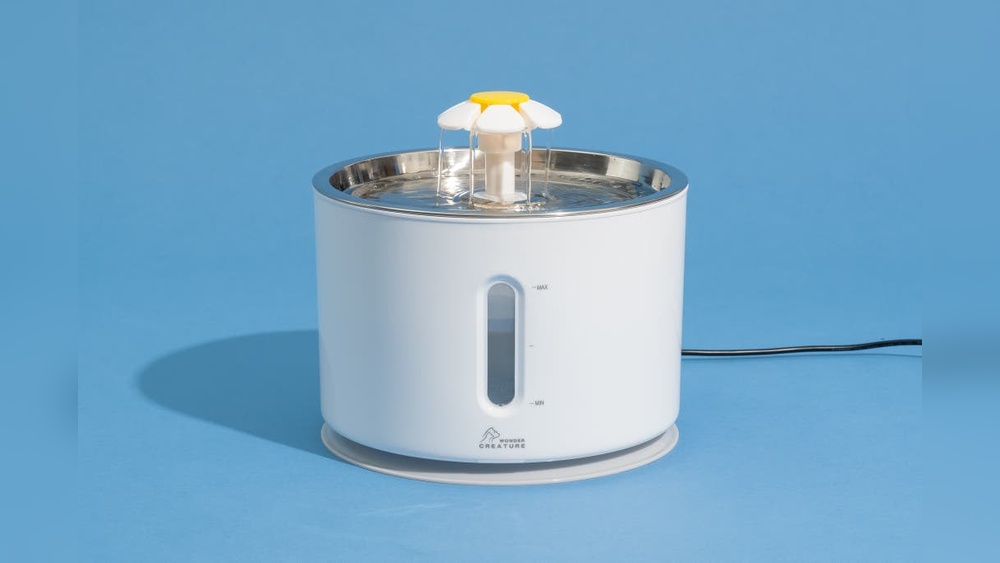
Keeping your cat healthy and happy starts with clean, fresh water. Many pet owners now use cat fountain water systems. These devices encourage cats to drink more, prevent dehydration, and reduce health risks like kidney issues. But not all cat fountains are equal. Choosing the best one can be confusing—there are dozens of models, each with unique features, materials, and price points.
Below, you’ll discover how cat fountains work, what features to look for, and which models truly stand out. This guide will help you avoid common mistakes and pick a fountain that keeps your cat safe and satisfied.
Why Cat Fountain Water Is Important
Cats often ignore still water bowls, drinking less than they should. Running water attracts cats, mimicking streams in nature. This leads to:
- Higher water intake
- Fewer urinary tract issues
- Improved kidney health
Studies show cats with access to flowing water drink 20–40% more. This reduces the risk of dehydration and supports overall wellness.
Key Features To Consider
Before buying, look for these important features:
- Material: Stainless steel and ceramic are safest. Plastic can harbor bacteria.
- Filter type: Charcoal filters remove odors and particles. Some have multiple layers for better cleaning.
- Capacity: Larger fountains suit multi-cat homes; smaller models are fine for one cat.
- Noise level: Quieter pumps are less likely to scare timid cats.
- Ease of cleaning: Fountains with fewer parts save time and prevent mold.
Many buyers overlook the importance of filter replacement. Forgetting to change filters can lead to dirty water and health risks. Always check how often filters need replacement and the cost.
Best Cat Fountain Water Models
Choosing the right model makes a big difference. Here are the top fountains in 2024, based on expert reviews, durability, and customer feedback.
| Model | Material | Capacity | Noise Level | Filter Type |
|---|---|---|---|---|
| Pioneer Pet Raindrop | Stainless Steel | 60 oz | Low | Charcoal |
| PetSafe Drinkwell 360 | Plastic | 128 oz | Medium | Multi-stage |
| Catit Flower Fountain | Plastic | 100 oz | Low | Triple Action |
| Petkit Eversweet 2 | Stainless Steel/Plastic | 67 oz | Very Low | Dual Filter |
| Veken Pet Fountain | Plastic | 84 oz | Low | Multi-stage |
| iPettie Tritone | Ceramic | 71 oz | Low | Dual Filter |
Pioneer Pet Raindrop
This stainless steel fountain is easy to clean and durable. Its sleek design fits modern kitchens. It’s ideal for cats sensitive to plastic.
Petsafe Drinkwell 360
Best for multi-cat homes. Its circular design allows several cats to drink at once. The large capacity means fewer refills, but the plastic body requires careful cleaning.
Catit Flower Fountain
Known for its fun flower design, this fountain offers three water flow settings. The triple action filter removes magnesium and calcium, reducing hard water buildup.
Petkit Eversweet 2
This model includes a smart sensor that stops the pump when water is low. It’s nearly silent and has a mix of stainless steel and plastic parts.
Veken Pet Fountain
Affordable and popular, it’s easy to assemble and clean. The multi-stage filter system keeps water fresh. It’s good for single-cat homes.
Ipettie Tritone
Made from ceramic, it resists stains and odors. The natural look blends well in any room. It’s heavier, so cats won’t tip it over.
Comparing Materials
The material is more than just looks. It affects hygiene, durability, and how often you clean.
| Material | Pros | Cons |
|---|---|---|
| Stainless Steel | Durable, hygienic, easy to clean | More expensive |
| Ceramic | Resists odors, natural look | Heavy, breakable |
| Plastic | Affordable, lightweight | Can scratch, harbor bacteria |
Many beginners choose plastic for the price but overlook hygiene. Scratches in plastic can trap bacteria, leading to bad smells and health risks. Stainless steel and ceramic are safer for long-term use.
Filter Types And Maintenance
A good filter keeps water clean and odor-free. But filters need regular replacement—usually every 2–4 weeks. Forgetting this is a common mistake, and it can cause algae growth and sickness.
Different filter types include:
- Charcoal: Removes odor and taste
- Multi-stage: Combines mesh, charcoal, and ion exchange
- Dual filter: Adds extra protection for minerals
Always check if filter replacements are available and affordable.
Cleaning And Maintenance Tips
Many fountains are easy to assemble but hard to clean. Look for models with fewer parts and dishwasher-safe components. Use a brush to clean small corners and rinse filters well.
A little-known tip: run a vinegar solution through the fountain monthly. This removes mineral buildup and keeps the pump working. If your cat is sensitive to cleaning smells, rinse extra thoroughly.

Credit: cats.com
Extra Features Worth Considering
Some modern fountains offer special options:
- LED water level indicator: Helps you know when to refill
- Automatic shut-off: Protects the pump if water runs out
- Multiple flow styles: Lets you adjust for your cat’s preference
These features can make life easier but are not always necessary. Focus first on material, filter, and ease of cleaning.
Real-life Results
Pet owners see clear differences when using a good cat fountain. In one survey, 65% reported their cats drank more water after switching to a fountain. Cats with kidney issues improved their hydration and showed more energy. Some models last years with proper care.
If you’re unsure, start with a simple stainless steel or ceramic fountain. Upgrade later if your cat enjoys it.

Credit: www.nytimes.com
Price Comparison
Prices range from $20 for basic models to $80+ for premium designs. Here’s a quick price overview:
| Model | Approx. Price (USD) |
|---|---|
| Pioneer Pet Raindrop | $45 |
| PetSafe Drinkwell 360 | $65 |
| Catit Flower Fountain | $30 |
| Petkit Eversweet 2 | $55 |
| Veken Pet Fountain | $25 |
| iPettie Tritone | $70 |
Cheap fountains may save money but usually require more cleaning and frequent filter changes.
Frequently Asked Questions
How Often Should I Change The Water In My Cat Fountain?
You should change the water every 2–3 days. Even with filters, water can get dirty or develop slime. Regular changes keep your cat safe and happy.
Are Cat Fountains Safe For Kittens?
Yes, most cat fountains are safe for kittens. Choose models with gentle flow and avoid fountains with small parts that kittens could swallow.
What Is The Best Material For A Cat Fountain?
Stainless steel and ceramic are best. They resist bacteria and odors. Plastic is okay for short-term use but can scratch and become unhygienic.
How Do I Clean A Cat Fountain?
Take apart the fountain, wash all parts with soap and hot water, rinse filters, and scrub tight areas with a brush. Use vinegar monthly for mineral buildup.
Can Cat Fountains Help Prevent Urinary Problems?
Yes, fountains encourage cats to drink more. Higher water intake lowers the risk of urinary tract issues and kidney stones. This is especially important for older cats.
Finding the best cat fountain water system takes a bit of research, but the rewards are huge. Your cat will drink more, stay healthier, and you’ll spend less time worrying about hydration. Remember to focus on material, filter quality, and cleaning ease. For more detailed pet health information, visit ASPCA Cat Care. With the right fountain, your cat’s water bowl will never be ignored again.

Credit: www.thesprucepets.com