Living with cat allergies can feel like a never-ending struggle. Your love for cats might clash with sneezing, itchy eyes, or even breathing problems. Luckily, the right allergy medicine can make a world of difference. Finding the best option is not always easy, though. There are many medicines, and each works in a unique way. Understanding how they help, their side effects, and which one fits your needs is key to enjoying life with your furry friend—or even just visiting someone who owns a cat.
How Cat Allergies Work
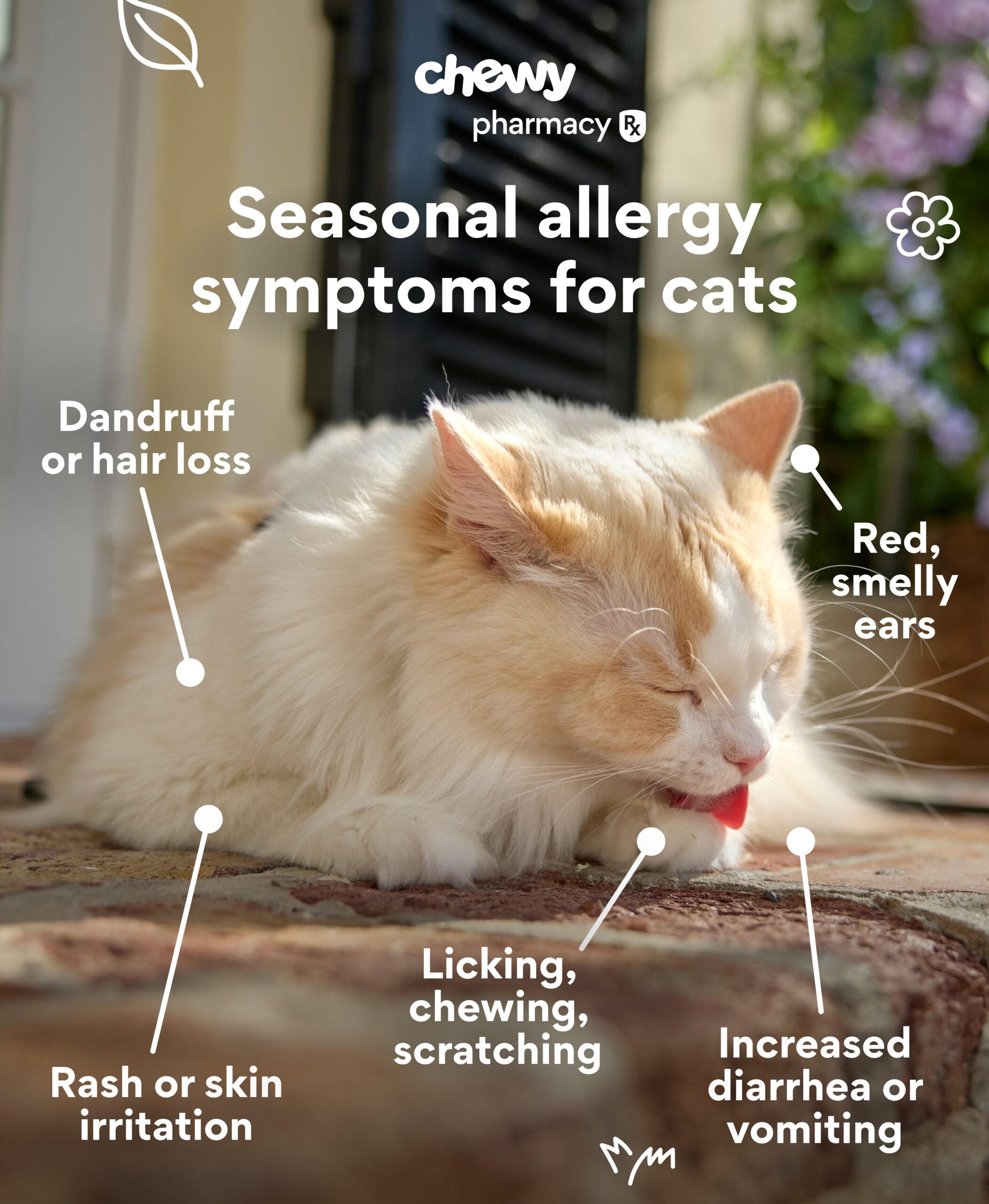
Cat allergies happen when your immune system reacts to proteins found in cat saliva, skin, and urine. The main culprit is a protein called Fel d 1, found on cat skin flakes (dander). Even homes without cats can have traces of this protein, making symptoms pop up unexpectedly.
Common symptoms include:
- Sneezing
- Runny or stuffy nose
- Itchy, watery eyes
- Coughing or wheezing
- Skin rashes
If you have asthma, cat allergies can make breathing harder. For some, these reactions are mild. For others, they can be severe and impact daily life.
Types Of Allergy Medicines For Cat Allergies
Not all allergy medicines work the same way. Here are the main types used for cat allergies:
Antihistamines
Antihistamines stop your body from reacting to allergens. They block histamine, the chemical that causes sneezing, itching, and watery eyes.
- Loratadine (Claritin): Non-drowsy, lasts 24 hours.
- Cetirizine (Zyrtec): Works quickly, may cause mild drowsiness.
- Fexofenadine (Allegra): Non-drowsy, fast-acting.
- Diphenhydramine (Benadryl): Older type, causes drowsiness, best for nighttime.
Nasal Corticosteroids
These sprays reduce swelling in your nose, making it easier to breathe.
- Fluticasone (Flonase): Popular, works for most allergy symptoms.
- Mometasone (Nasonex): Prescription-strength, long-lasting.
- Budesonide (Rhinocort): Good safety profile, over-the-counter.
Decongestants
Decongestants shrink swollen blood vessels in your nose. They are best for short-term relief but should not be used for more than a few days.
- Pseudoephedrine (Sudafed): Oral, strong relief but can cause side effects like jitteriness.
- Oxymetazoline (Afrin): Nasal spray, works fast but should not be used for more than three days.
Leukotriene Receptor Antagonists
These block substances in your body that cause allergy symptoms.
- Montelukast (Singulair): Prescription-only, may help when antihistamines are not enough.
Immunotherapy
Allergy shots or sublingual tablets slowly train your body not to react to cat allergens. This is a long-term treatment, often used when other medicines do not work.
Credit: www.chewy.com
Comparing Popular Allergy Medicines For Cat Allergies
Choosing the best medicine depends on your symptoms, age, and health. Here is a quick comparison of common options:
| Medicine | Type | Duration | Common Side Effects |
|---|---|---|---|
| Loratadine (Claritin) | Antihistamine | 24 hours | Headache, dry mouth |
| Cetirizine (Zyrtec) | Antihistamine | 24 hours | Drowsiness, dry mouth |
| Fluticasone (Flonase) | Nasal Steroid | Once daily | Nasal irritation, headache |
| Pseudoephedrine (Sudafed) | Decongestant | 4-6 hours | Jitteriness, insomnia |
| Montelukast (Singulair) | Leukotriene Blocker | 24 hours | Behavioral changes, headache |
What To Consider When Choosing Allergy Medicine
Not every medicine is right for everyone. Think about these factors:
- Symptom type: If you have mostly nasal problems, a nasal spray may work best. For itchy eyes, antihistamines are good.
- Drowsiness: Some allergy pills can make you sleepy. Non-drowsy types are better for daytime.
- Other health issues: People with heart problems, high blood pressure, or glaucoma should avoid some decongestants.
- Age: Not all medicines are safe for children or older adults.
- How quickly you need relief: Pills may take longer than sprays.
Here is a look at which medicine fits which situation:
| Situation | Best Medicine Type | Why |
|---|---|---|
| Daytime use | Non-drowsy antihistamine | Avoids sleepiness |
| Severe nasal congestion | Nasal steroid spray or short-term decongestant | Targets swelling directly |
| Year-round symptoms | Immunotherapy | Long-term solution |
| Nighttime symptoms | Older antihistamines (e.g., Benadryl) | Helps with sleep |
Credit: www.singlecare.com
Non-obvious Insights For Managing Cat Allergies
Most people focus only on medication, but two extra steps can make a big difference:
- Environmental changes: Using a HEPA air filter, washing cat bedding, and keeping cats out of bedrooms reduces allergen levels. Even with the best medicine, allergens in your home can trigger symptoms.
- Correct medicine timing: Taking allergy medicine before you are exposed to cats (not after symptoms start) can prevent reactions. Many people wait too long and get less benefit.
Common Mistakes To Avoid
- Overusing decongestant sprays: These can cause “rebound” congestion if used for more than 3 days.
- Skipping medical advice: Some allergy medicines can interact with other drugs or worsen health conditions.
- Ignoring long-term solutions: Only taking medicine treats the symptoms, not the cause. Immunotherapy or reducing allergens can help in the long run.
Credit: fotoenigma.com
Are Natural Remedies Helpful?
Some people look for natural options like saline nasal rinses or herbal supplements. Saline rinses can help clear allergens from your nose, but most herbal treatments lack strong evidence. Always check with a doctor before trying new remedies, especially if you have other health problems.
When To See A Doctor
If your symptoms are severe, do not go away, or if you have asthma, see an allergy specialist. They can do tests to find out exactly what triggers your symptoms and suggest advanced treatments. Prescription options and allergy shots may be needed for serious cases.
Frequently Asked Questions
What Is The Best Over-the-counter Allergy Medicine For Cat Allergies?
Cetirizine (Zyrtec) and loratadine (Claritin) are both effective and cause less drowsiness than older medicines. They help with sneezing, runny nose, and itchy eyes. Nasal sprays like fluticasone (Flonase) are good for stuffy nose.
Can I Develop Cat Allergies Later In Life?
Yes. Even if you lived with cats before, you can develop allergies at any age. Changes in your immune system or repeated exposure can trigger new allergies.
Are Allergy Shots Safe And Effective For Cat Allergies?
Yes, allergy shots (immunotherapy) are very effective for many people and can reduce symptoms long-term. They require regular visits and patience—results take months to appear. Discuss possible side effects with your doctor.
Is It Safe To Use Decongestant Sprays Every Day?
No. Using sprays like oxymetazoline (Afrin) for more than three days can cause rebound congestion. This means your nose gets more blocked when you stop using it.
Can Air Purifiers Help With Cat Allergies?
Yes, a HEPA air purifier can lower the amount of cat dander in your home. Combine this with cleaning and limiting cat access to bedrooms for best results. For more tips, check advice from the CDC.
Finding the right allergy medicine for cat allergies takes a little effort, but relief is possible. Pay attention to your symptoms, try different types if needed, and talk to your doctor before starting new medicines. Remember, combining medicine with smart home changes gives you the best chance to enjoy life—even with cats around.