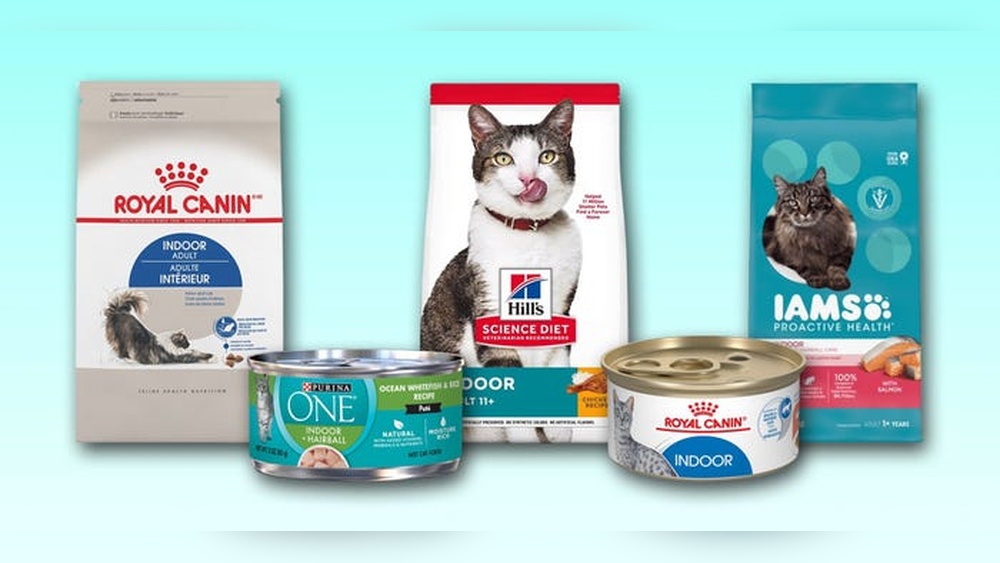
Many cat owners want the best food for their indoor cats. Indoor cats have different needs than outdoor cats. They move less, face fewer dangers, but often have more problems with weight and hairballs. Choosing the right dry cat food makes a big difference in their health and happiness.
Indoor cats need food that supports a healthy weight, controls hairballs, and provides full nutrition. With so many options on the market, finding the right one can be confusing. Some foods look healthy but are full of fillers or low-quality ingredients.
Others promise special benefits but may not be right for all cats.
This guide helps you understand what matters when choosing the best cat dry food for indoor cats. You’ll see top choices, what to look for, and simple tips to keep your indoor friend healthy.
What Makes A Good Dry Food For Indoor Cats?
Indoor cats have special needs. Their food should:
- Help maintain a healthy weight (since they move less)
- Reduce hairballs
- Support digestion and a shiny coat
- Use high-quality protein sources
- Avoid too many fillers, artificial colors, and flavors
Many owners miss that indoor cats often need fewer calories than the label suggests. Overfeeding is easy, so portion control is key.
Key Ingredients To Look For
- Real meat as the first ingredient (like chicken, turkey, or fish)
- Fiber from natural sources (like beet pulp or pumpkin) to help with hairballs
- Omega-3 and omega-6 fatty acids for a shiny coat
- Vitamins and minerals for full nutrition
Avoid foods that list “meat by-products” or “corn” as the main ingredient. These often offer less nutrition.
Calories And Serving Size
Indoor cats need fewer calories than active outdoor cats. Look for foods with around 300–350 kcal per cup for adults. Always check the package for recommended serving sizes based on your cat’s weight.
Top 7 Dry Foods For Indoor Cats
Finding the right food can be overwhelming. Below are seven dry foods that stand out for indoor cats. Each has unique strengths and is trusted by cat owners and vets.
1. Hill’s Science Diet Adult Indoor
- Protein source: Chicken
- Calories: 319 kcal/cup
- Special benefit: Hairball control, easy digestion
Hill’s Science Diet is made with high-quality chicken and natural fiber. It helps indoor cats stay trim and reduces hairballs. Many owners notice less shedding and a softer coat within weeks.
2. Blue Buffalo Indoor Health
- Protein source: Deboned chicken
- Calories: 346 kcal/cup
- Special benefit: LifeSource Bits with antioxidants
This food uses real chicken and whole grains. It includes “LifeSource Bits,” small pieces rich in vitamins and antioxidants. This helps your cat’s immune system and energy.
3. Iams Proactive Health Indoor Weight & Hairball Care
- Protein source: Chicken
- Calories: 302 kcal/cup
- Special benefit: Weight control and hairball blend
Iams is popular for its value and results. It uses chicken and beet pulp to help with digestion and hairball control. The lower calorie count helps with weight management.
4. Purina One Indoor Advantage
- Protein source: Turkey
- Calories: 327 kcal/cup
- Special benefit: Natural fiber blend
Purina ONE focuses on indoor needs. It uses real turkey and a fiber mix to reduce hairballs. Many cats like the taste, making it easy to switch.
5. Royal Canin Indoor Adult
- Protein source: Chicken meal
- Calories: 323 kcal/cup
- Special benefit: Stool odor reduction
Royal Canin uses precise nutrition for indoor cats. It helps reduce stool odor, which can be a problem for litter box users. The small kibble size is easy for most cats to eat.
6. Nutro Wholesome Essentials Indoor
- Protein source: Chicken
- Calories: 337 kcal/cup
- Special benefit: Non-GMO ingredients
Nutro is known for clean ingredients. Their indoor formula uses chicken and brown rice, with no GMOs or artificial preservatives. This appeals to owners who want natural food for their pets.
7. Wellness Complete Health Indoor
- Protein source: Deboned chicken
- Calories: 371 kcal/cup
- Special benefit: High protein, low fat
Wellness uses high protein to help indoor cats stay active. The food is rich in antioxidants and supports a healthy coat. It’s a good choice for picky eaters.
Quick Comparison Of Top Indoor Cat Dry Foods
Here’s a side-by-side look at the most important features for these foods.
| Brand | Main Protein | Calories (per cup) | Special Benefit |
|---|---|---|---|
| Hill’s Science Diet | Chicken | 319 | Hairball control |
| Blue Buffalo | Deboned Chicken | 346 | Antioxidants |
| Iams ProActive Health | Chicken | 302 | Weight control |
| Purina ONE | Turkey | 327 | Natural fiber |
| Royal Canin | Chicken meal | 323 | Odor reduction |
| Nutro Wholesome Essentials | Chicken | 337 | Non-GMO |
| Wellness Complete Health | Deboned Chicken | 371 | High protein |
How To Choose The Right Food For Your Cat
Cats have their own tastes and needs. Here are some steps to help you choose:
- Check your cat’s age and health. Kitten, adult, and senior cats need different nutrients.
- Look at the main protein source. Real meat is best for indoor cats.
- Check calorie content. Too many calories can cause weight gain.
- Think about hairballs. If your cat vomits hairballs often, choose a food with extra fiber.
- Try small bags first. Some cats are picky and may not like every food.
Nutritional Profile Comparison
When comparing foods, focus on more than just calories. Look at protein, fat, and fiber content as well.
| Brand | Protein (%) | Fat (%) | Fiber (%) |
|---|---|---|---|
| Hill’s Science Diet | 31 | 13 | 6.5 |
| Blue Buffalo | 32 | 15 | 7.2 |
| Iams ProActive Health | 30 | 11 | 8.3 |
| Purina ONE | 35 | 13 | 5.0 |
| Royal Canin | 27 | 11 | 4.6 |
| Nutro Wholesome Essentials | 33 | 14 | 7.0 |
| Wellness Complete Health | 38 | 10 | 5.0 |

Credit: www.walmart.com
Common Mistakes When Choosing Cat Dry Food
Many cat owners focus only on price or brand. But there are other mistakes to avoid:
- Ignoring ingredient lists. Some brands use more fillers than nutrients.
- Not matching food to life stage. Kittens and seniors need special diets.
- Overfeeding. Even the best food can cause problems if cats eat too much.
- Not watching for allergies. Corn, wheat, or soy can cause reactions in some cats.
An easy way to check if a food is good: look for short ingredient lists with real meat first.
Tips For Feeding Indoor Cats
- Use a measuring cup for accuracy.
- Feed at the same times every day.
- Keep fresh water available at all times.
- Mix in some wet food for hydration if your cat prefers dry food.
It’s helpful to weigh your cat every few months. Sudden changes in weight can signal a problem.

Credit: www.autoservis-paroubek.cz
Non-obvious Insights For Indoor Cat Nutrition
- Dental health can decline with only dry food. Dry food helps clean teeth, but it’s not enough alone. Consider dental treats or regular vet cleanings.
- Some indoor cats get bored with food. Rotate flavors or add a small amount of wet food to keep meals interesting.
For more on feline nutrition, check the ASPCA Cat Nutrition Guide.
Frequently Asked Questions
What Makes Indoor Cat Food Different From Regular Cat Food?
Indoor cat food is usually lower in calories and higher in fiber. This helps control weight and reduce hairballs, which are common in indoor cats.
Is It Okay To Mix Dry And Wet Food For Indoor Cats?
Yes, mixing dry and wet food can provide more moisture and variety. Just be sure the total calories are right for your cat’s weight.
How Often Should I Change My Cat’s Food?
Change food only if needed. If you switch, do it slowly over 7–10 days to avoid stomach upset. Most cats can stay on the same good food for years.
Are Grain-free Foods Better For Indoor Cats?
Not always. Some cats do better on grain-free food, but others can eat grains without problems. Focus on real meat and balanced nutrition.
How Can I Tell If A Dry Food Is Good Quality?
Look for real meat as the first ingredient. Avoid foods with lots of fillers, by-products, or artificial colors.
Choosing the right dry food helps your indoor cat stay healthy, happy, and active for years. Take time to check labels and try small bags before buying in bulk. A little extra care now can prevent health problems later.

Credit: www.chewy.com