Cats bring joy, comfort, and companionship to millions of homes, but allergies can get in the way of their happiness. When your cat starts scratching, sneezing, or developing skin problems, it’s tough to watch. Choosing the best allergy medicine for cats can feel confusing, especially with so many options out there.
This guide will help you understand what works, what to avoid, and how to keep your feline friend comfortable.
Understanding Cat Allergies
Allergies in cats happen when their immune system reacts to something harmless, like dust or pollen. Common symptoms include itchy skin, red eyes, sneezing, and even hair loss. Food, fleas, and environmental triggers are the main causes. It’s important to talk to your vet before choosing any treatment. Some medicines can help, but only if you know what’s causing the allergy.
Top Allergy Medicines For Cats
Let’s look at the most effective and safe options for treating cat allergies. Each medicine works differently, so knowing the details will help you make a smart choice.
1. Antihistamines
Antihistamines block the chemicals that cause itching and sneezing. They’re often the first line of defense.
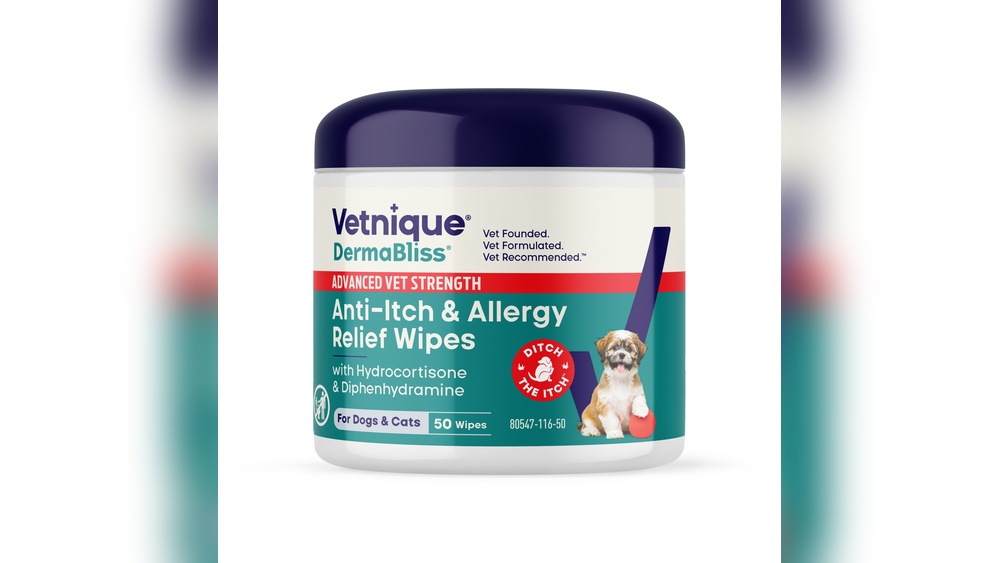
- Common options: Diphenhydramine (Benadryl), Chlorpheniramine.
- Usage: Most are given as pills or liquids. Doses must be correct—never give human medicine without your vet’s advice.
- Side effects: Sleepiness, dry mouth, sometimes stomach upset.
Antihistamines work for about 20–30% of cats. Some cats don’t respond, so it may take a few tries to find the right one.
2. Corticosteroids
Corticosteroids are powerful anti-inflammatory drugs. They quickly reduce itching and swelling.
- Forms: Pills, injections, or creams.
- Examples: Prednisolone, Dexamethasone.
- Effectiveness: Most cats see fast relief, sometimes within hours.
Steroids are best for short-term use. Long-term use can cause problems like diabetes or weakened immunity.
3. Immunotherapy
Immunotherapy is a modern approach for chronic allergies. It works by slowly training your cat’s body to tolerate the allergen.
- How it works: Your vet tests for triggers, then gives allergy shots or drops under the tongue.
- Success rate: About 60–70% of cats improve.
Immunotherapy takes months to show results. It’s a long-term solution, not a quick fix.
4. Omega-3 Fatty Acid Supplements
Omega-3s aren’t medicines, but they support skin health and reduce inflammation.
- Sources: Fish oil, krill oil.
- Benefits: Healthier skin, less shedding, and reduced itching.
- Dosing: Give as directed by your vet—too much can upset the stomach.
Supplements are best as part of a larger allergy plan, not the only treatment.
5. Flea Control Products
Even one flea bite can trigger severe allergies in sensitive cats. Preventing fleas is essential.
- Types: Topical drops, oral pills, flea collars.
- Popular brands: Revolution, Advantage II, Seresto.
- Frequency: Monthly treatments are most effective.
Never use dog flea products on cats—they can be deadly.
6. Cyclosporine (atopica)
Cyclosporine is an immune system modulator. It’s used for tough cases where other medicines fail.
- Form: Oral liquid.
- Pros: Works well for skin allergies, less risk of long-term side effects than steroids.
- Cons: Expensive, can cause stomach upset.
7. Topical Sprays And Creams
Some allergies cause local skin problems. Topical treatments can help soothe these areas.
- Ingredients: Steroids, antihistamines, or moisturizers.
- Application: Apply only to affected spots as directed.
Topicals are usually safe, but cats may lick them off. Watch for irritation.
8. Hypoallergenic Diets
Some cats react to food ingredients. Hypoallergenic diets remove common triggers like chicken or beef.
- Available as: Prescription dry or wet food.
- Trial length: 8–12 weeks for best results.
Switching diets only helps if food is the problem. It’s a process of elimination.
9. Antibiotics And Antifungals
Secondary infections can happen if your cat scratches a lot. Antibiotics or antifungals clear up these problems.
- Use: Only when prescribed by a vet.
- Forms: Pills, creams, or injections.
These medicines treat infections, not the allergy itself.
10. Environmental Control
While not a medicine, controlling the environment is crucial. Reducing dust, washing bedding, and using air filters can make a big difference.
Comparing Cat Allergy Medicines
Here’s a quick look at how common allergy treatments compare:
| Medicine | How Fast It Works | Main Side Effects | Vet Prescription Needed? |
|---|---|---|---|
| Antihistamines | 1–2 hours | Sleepiness | Usually no |
| Corticosteroids | Few hours | Increased thirst, appetite | Yes |
| Immunotherapy | Months | Mild swelling at injection site | Yes |
| Flea Control | 24–48 hours | Rare skin reactions | Some yes, some no |
Common Mistakes When Treating Cat Allergies
Many cat owners make errors when treating allergies. Here’s what to avoid:
- Using human allergy medicines without checking with a vet. Some are toxic for cats.
- Stopping treatment too soon. Allergies often need ongoing care.
- Ignoring flea control. Even indoor cats can get fleas.
- Switching foods too quickly. Give new diets time to work.
Credit: www.tjbystre.cz
Key Factors To Consider
When choosing the best allergy medicine for your cat, keep these factors in mind:
- Type of allergy: Skin, food, or environmental?
- Cat’s age and health: Some medicines aren’t safe for kittens or older cats.
- Ease of giving medicine: Can your cat swallow pills, or is a topical better?
- Cost: Some treatments, like immunotherapy, can be expensive.
Side Effects: What To Watch For
Every medicine can cause side effects. Monitor your cat for:
- Vomiting or diarrhea
- Lethargy
- Unusual behavior
If you notice problems, call your vet right away. Most side effects go away if you stop the medicine.

Credit: www.singlecare.com
Practical Tips For Cat Owners
- Track your cat’s symptoms in a notebook.
- Use a reminder for medicines and flea treatments.
- Clean your cat’s bedding weekly.
- Ask your vet about new treatments—pet medicine is changing fast.
Sometimes, a combination of treatments works best. For example, you might use both flea control and an antihistamine.
Cost Comparison Of Treatments
To help you budget, here’s an overview of what common allergy medicines might cost each month:
| Treatment | Monthly Cost (USD) |
|---|---|
| Antihistamines | $5–$15 |
| Corticosteroids | $20–$50 |
| Immunotherapy | $50–$150 |
| Flea Control | $10–$30 |
| Cyclosporine | $80–$120 |
Prices vary by location and brand. Some insurance plans may help with costs.

Credit: www.minghao.dk
When To See The Vet
If your cat’s symptoms are severe, or if treatments don’t help, it’s time for a vet visit. Allergies can sometimes hide other health issues, like infections or autoimmune problems. Your vet can run tests to find out exactly what’s wrong.
For more details on cat allergies and treatments, visit the Cornell Feline Health Center.
Frequently Asked Questions
What Are The Most Common Allergy Symptoms In Cats?
Most cats with allergies show itchy skin, excessive grooming, red eyes, sneezing, or hair loss. You may also notice sores or scabs.
Can I Use Human Allergy Medicine For My Cat?
Never give your cat human allergy medicine without a vet’s advice. Some drugs are safe, but others can be deadly.
How Long Does It Take For Allergy Medicine To Work?
Some medicines work within hours, like steroids or antihistamines. Others, like immunotherapy, take several months to show results.
Is There A Permanent Cure For Cat Allergies?
There’s no true cure, but many cats get long-term relief with the right combination of medicine and environmental control.
Do Indoor Cats Need Flea Control?
Yes. Fleas can enter your home on clothing or other pets, so even indoor cats need regular flea prevention.
Finding the best allergy medicine for cats takes patience and close attention to your pet’s needs. With the right approach and your vet’s support, most cats can live comfortably, even with allergies.