If your dog has diarrhoea and vomiting, you know how worrying it can be. Seeing your furry friend uncomfortable and unwell makes you want answers fast.
You might be asking yourself, “What’s causing this? Is it serious? What should I do right now? ” This article is here to guide you step-by-step. You’ll learn the common reasons behind these symptoms, how to spot danger signs, and simple ways to help your dog feel better quickly.
Keep reading—your dog’s health and comfort depend on what you do next.
Credit: canna-pet.com
Signs To Watch
When your dog has diarrhoea and vomiting, watch for clear signs. These signs help you know how serious the problem is. They guide you to act fast or seek help from a vet. Pay attention to your dog’s body and behavior changes. These clues tell you if your dog needs care soon.
Symptoms Severity
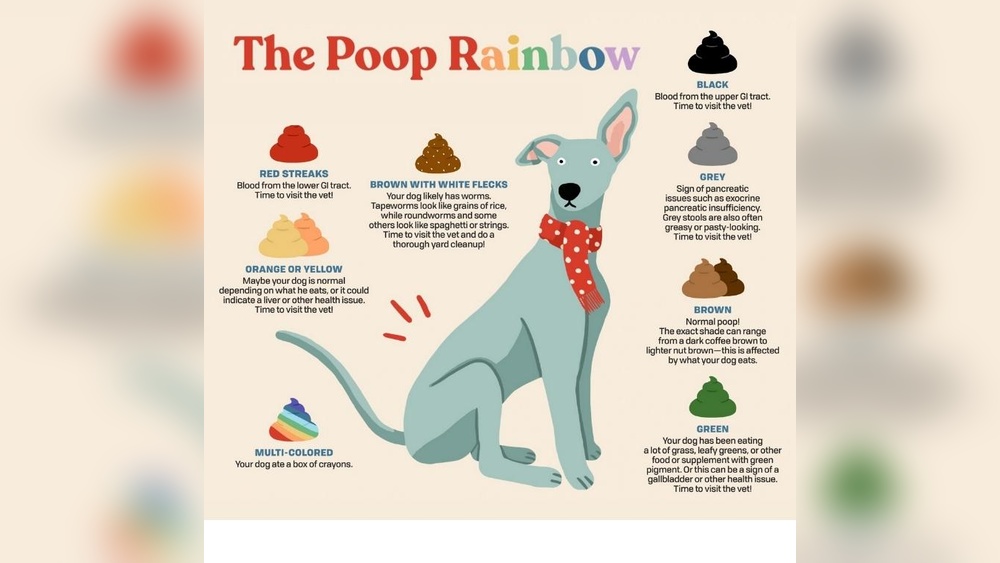
Note how often your dog vomits or has diarrhoea. Mild cases happen once or twice. Severe cases last longer or happen many times a day. Check if there is blood in vomit or stool. Blood signals a serious problem. Also, watch for stomach pain or bloating. These signs need quick vet care.
Dehydration Indicators
Vomiting and diarrhoea can cause dehydration fast. Check your dog’s gums; they should be moist and pink. Dry or sticky gums show dehydration. Also, pinch the skin on your dog’s neck. If it stays up and does not go back fast, your dog is dehydrated. Loss of energy and sunken eyes are other signs.
Behavioral Changes
Watch how your dog acts during illness. Less interest in food or water is common. If your dog hides or stops playing, it feels unwell. Excessive whining or restlessness can mean pain. Sudden tiredness or weakness is a serious sign. These changes show your dog needs help fast.
Immediate Steps
Seeing your dog with diarrhoea and vomiting can be scary. Acting quickly helps your pet feel better. Start with simple care steps at home. These first actions support your dog’s recovery and prevent worse problems.
Withholding Food Safely
Stop feeding your dog for 12 hours. This pause helps the stomach rest. Do not give treats or table scraps. After fasting, offer small meals of bland food. Use plain boiled chicken and rice. Feed little amounts slowly to avoid upset.
Offering Water
Keep fresh water available at all times. Small, frequent sips are best. Avoid letting your dog drink too fast. This reduces vomiting risk. If your dog refuses water, try ice chips. Hydration is key to recovery and comfort.
Creating A Comfortable Space
Set up a quiet, warm area for rest. Use soft bedding away from noise. Keep the space clean and dry. Limit movement to help your dog relax. Comfort supports healing and reduces stress during illness.
When To See A Vet
Knowing when to see a vet is important if your dog has diarrhoea and vomiting. These signs can sometimes mean a minor upset. Other times, they can point to serious health problems. Acting fast can help your dog get better quickly.
Duration Of Symptoms
Watch how long your dog has diarrhoea or vomits. If it lasts more than 24 hours, visit the vet. Dogs can get dehydrated very fast. Long-lasting symptoms need medical attention to avoid risks.
Blood Or Mucus Presence
Check your dog’s stool and vomit. Blood or mucus are warning signs. These may mean infection or injury inside the gut. Do not wait. A vet must examine your dog immediately.
Lethargy And Other Red Flags
Lethargy means your dog is very weak or tired. Loss of appetite, fever, or pain are also red flags. These signs show your dog may be very sick. Seek vet help right away for safety.
Credit: canna-pet.com
Home Care Tips
Taking care of a dog with diarrhoea and vomiting at home requires careful attention. Small changes can make a big difference in your pet’s comfort and recovery. Follow these simple home care tips to help your dog feel better quickly.
Diet Adjustments
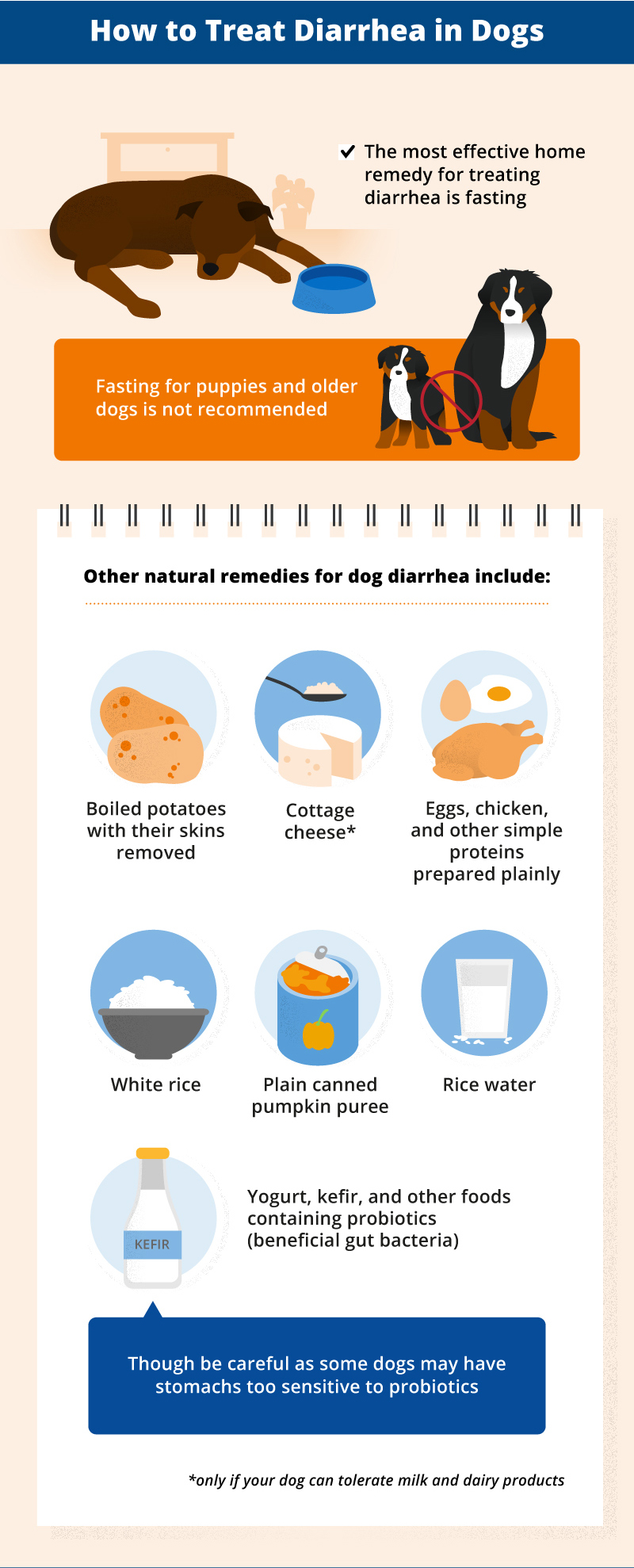
Start by withholding food for 12 hours to rest your dog’s stomach. Offer small amounts of bland food after fasting. Boiled chicken and white rice work well. Avoid fatty, spicy, or rich foods during recovery. Feed smaller meals more often to prevent overloading the stomach.
Hydration Maintenance
Keep fresh water available at all times. Encourage your dog to drink often to avoid dehydration. Use ice cubes or small amounts of water if your dog is reluctant. Electrolyte solutions for dogs can help maintain fluid balance. Watch for signs of dehydration like dry gums or lethargy.
Medications And Remedies
Consult your vet before giving any medicines. Some over-the-counter remedies may help but only under guidance. Probiotics can support gut health during recovery. Avoid human medicines unless your vet approves. Monitor your dog closely and report worsening symptoms to your vet immediately.
Preventing Future Episodes
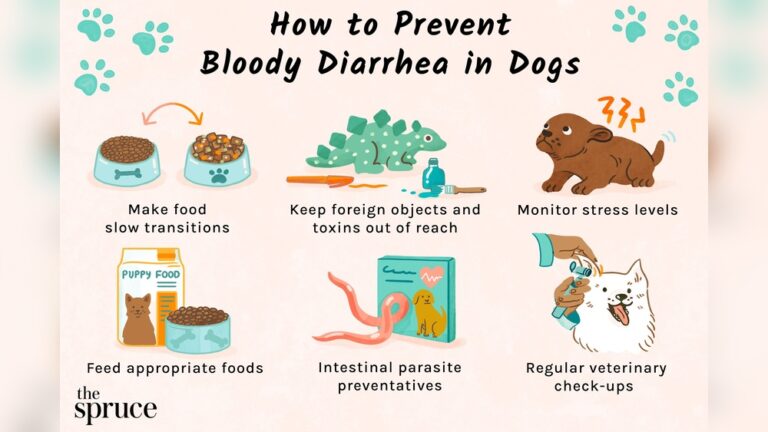
Preventing future episodes of diarrhoea and vomiting in dogs is very important. These problems can make your dog feel weak and uncomfortable. Taking the right steps helps keep your dog healthy and happy. Small changes in daily care can reduce risks and improve your dog’s well-being.
Safe Eating Habits
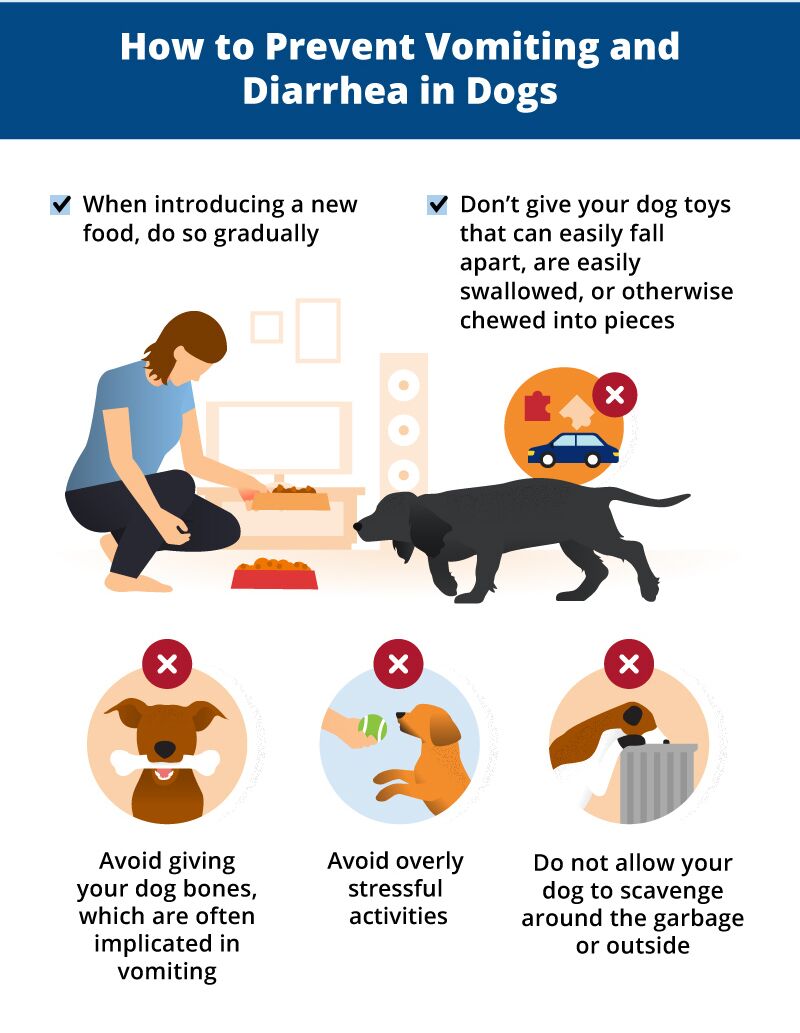
Feed your dog a balanced diet made for their age and size. Avoid giving them human food or table scraps. Sudden changes in food can upset their stomach. Introduce new food slowly over several days. Always provide fresh, clean water to keep them hydrated. Store dog food properly to prevent spoilage or contamination.
Regular Vet Checkups
Visit the vet regularly for health checkups. Early detection of health issues helps prevent serious problems. Vaccinations and parasite control keep your dog protected. Discuss any signs of illness with your vet promptly. Keep a record of your dog’s health and treatments. Regular checkups ensure your dog stays in good shape.
Avoiding Toxins
Keep harmful substances out of your dog’s reach. Common toxins include certain plants, chemicals, and spoiled food. Clean up spills of household cleaners and chemicals immediately. Do not let your dog eat trash or unknown objects. Be cautious with medications and keep them locked away. Awareness of toxins helps protect your dog from harm.
Credit: www.solidstream.fi
Frequently Asked Questions
What Causes Diarrhoea And Vomiting In Dogs?
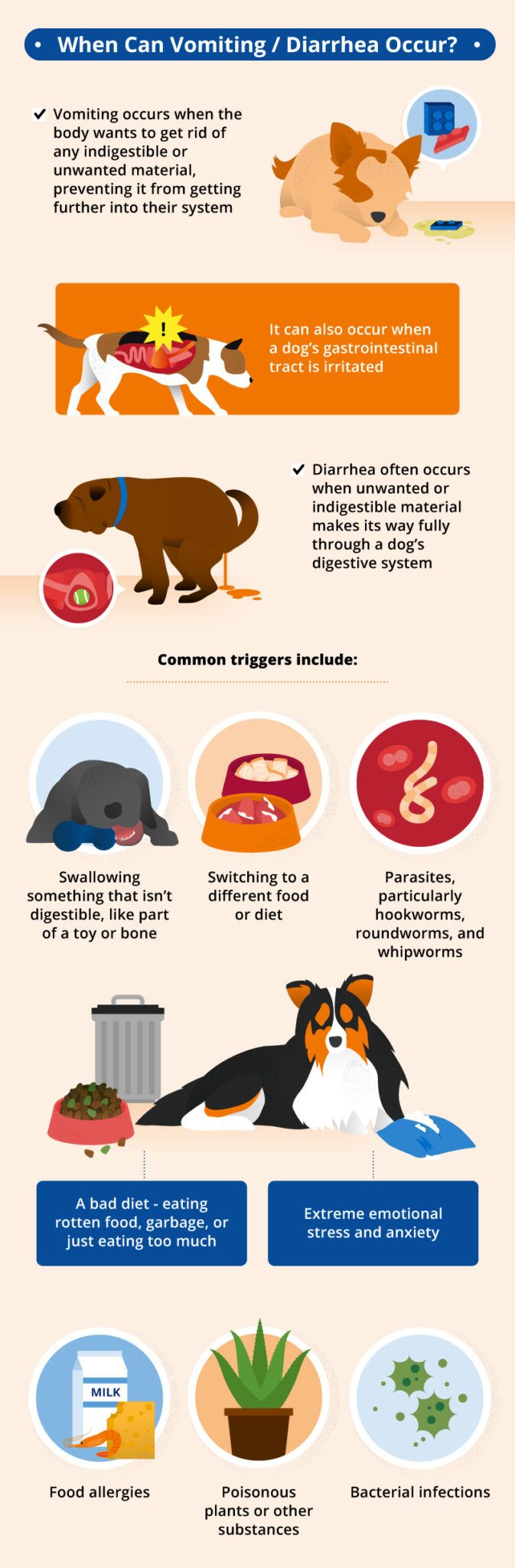
Dogs may get diarrhoea and vomiting from eating bad food, infections, or sudden diet changes. Stress and parasites also cause these symptoms.
How Long Should I Wait Before Seeing A Vet?
If your dog vomits or has diarrhoea for more than 24 hours, see a vet. Also, go sooner if your dog is very weak or has blood.
Can I Feed My Dog During Diarrhoea And Vomiting?
Give your dog small amounts of water to prevent dehydration. Avoid food for 12 hours, then offer bland food like boiled chicken and rice.
How Do I Prevent Diarrhoea And Vomiting In Dogs?
Keep your dog’s diet consistent and avoid giving them human food. Regular vet check-ups and parasite control help prevent illness too.
When Is Diarrhoea And Vomiting An Emergency?
Seek emergency care if your dog is very weak, has bloody vomit, or cannot keep water down. Sudden collapse or high fever is urgent too.
Conclusion
Taking care of a dog with diarrhoea and vomiting needs quick action. Watch your pet’s behavior and note any changes. Give plenty of water to avoid dehydration. Keep your dog’s food simple and easy to digest. Seek a vet’s help if symptoms last more than a day.
Early care can help your dog feel better fast. Stay calm and patient during recovery. Your dog needs love and gentle care now. Small steps make a big difference in healing.