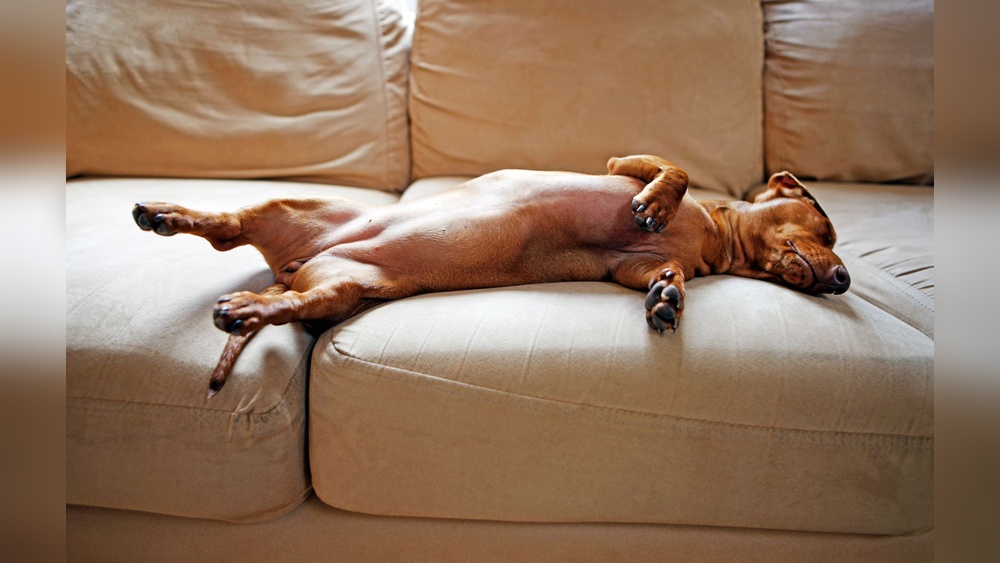
Is your dog peeing in their bed? It can be frustrating and confusing, especially when you want your furry friend to feel comfortable and clean.
You might wonder why this is happening and how to stop it for good. Understanding the reasons behind this behavior is the first step to solving the problem. You’ll discover simple, effective tips to help you keep your dog’s bed dry and your home smelling fresh.
Keep reading—your dog’s comfort and your peace of mind depend on it.

Credit: funnyfuzzy.com
Reasons Dogs Pee In Their Beds
Dogs peeing in their beds can confuse and upset owners. This behavior often signals an underlying issue. Understanding why dogs urinate in their beds helps owners address the problem effectively. Several reasons can cause this, ranging from health problems to emotional stress.
Medical Issues
Health problems often cause dogs to pee in their beds. Urinary tract infections make it hard for dogs to control urination. Bladder stones or kidney problems also lead to accidents. Dogs with diabetes may urinate more often. A visit to the vet can help find these issues early.
Anxiety And Stress
Stress and anxiety cause many dogs to pee in their beds. Changes like moving or new pets can upset them. Separation anxiety makes some dogs lose control indoors. Nervous dogs may urinate to calm themselves down. Comfort and calmness help reduce this behavior.
Marking Territory
Dogs use urine to mark their space. Males especially may mark their beds to claim territory. This behavior is common in unneutered dogs. Marking helps dogs feel more secure in their area. Training and neutering often stop this habit.
Lack Of Proper Training
Puppies and some adult dogs need more training. They may not know where to pee yet. Inconsistent potty routines confuse dogs about bathroom spots. Clear, regular training helps dogs learn the right place. Patience is key to teaching good habits.
Age-related Factors
Older dogs can lose bladder control over time. Dementia and arthritis affect their ability to hold urine. Senior dogs may forget where to go outside. They might pee in their beds due to weakness or confusion. Special care and frequent breaks help manage this.
Diagnosing The Problem
Finding out why your dog pees in its bed is important. It helps to stop the behavior and keep your home clean. Diagnosing the problem needs careful watching and some expert advice. Understanding the root cause can make training easier and protect your dog’s health.
Observing Behavior Patterns
Watch your dog’s daily habits closely. Notice when and where the peeing happens. Look for signs of stress or anxiety. Check if your dog drinks more water than usual. See if the problem happens after certain events or changes.
Consulting A Veterinarian
Talk to a vet about your dog’s issue. A vet can give professional advice and tests. They help find if there is a medical cause. Early visits prevent serious health problems. Follow the vet’s instructions carefully for best results.
Checking For Underlying Health Conditions
Some illnesses cause dogs to pee indoors. Urinary tract infections are common culprits. Kidney problems can also affect bladder control. Diabetes may increase thirst and urination. Identifying health issues is key to proper treatment.
Immediate Cleaning Solutions
Dealing with dog pee in a dog bed needs quick action. Immediate cleaning stops stains and smells from setting. It keeps the bed fresh and your home clean. Act fast to protect the bed’s fabric and padding.
Choosing The Right Cleaning Products
Select cleaning products safe for pets and fabrics. Enzyme cleaners work best to break down urine. Avoid bleach or harsh chemicals that can damage the bed. Use gentle detergents for regular washing. Always check product labels for safety instructions.
Removing Odors Effectively
Odor removal is key after cleaning dog pee. Enzyme sprays target and remove urine smells at the source. Baking soda also helps absorb odors naturally. Sprinkle it on the dry bed, then vacuum after a few hours. Good ventilation speeds up drying and freshens the area.
Washing And Maintaining Dog Beds
Wash dog beds regularly to keep them clean and smell-free. Follow the manufacturer’s washing instructions carefully. Use warm water and pet-safe detergent. Dry the bed completely to avoid mildew. Consider using a waterproof cover to protect the bed from future accidents.
Credit: www.dangerfieldsofshakopee.com
Training Techniques To Prevent Peeing
Stopping a dog from peeing in its bed takes patience and clear training. Dogs need guidance to learn the right places to go. Training techniques help teach dogs good bathroom habits.
Consistent training helps your dog understand what you expect. It also builds trust between you and your pet. This section covers key methods to prevent bed peeing through training.
Reinforcing Housebreaking
Housebreaking means teaching your dog where to pee. Take your dog outside often, especially after eating or sleeping. Praise your dog when it pees outside. This shows good behavior. Clean accidents inside quickly to remove smells. This stops the dog from peeing there again. Use a crate or small space when you cannot watch your dog. This helps avoid accidents.
Using Positive Reinforcement
Positive reinforcement means rewarding good actions. Give treats or praise when your dog pees outside. Rewards make your dog want to repeat good behavior. Avoid punishment for accidents. Punishing can confuse and scare your dog. Be patient and consistent with rewards. Training with kindness works better than fear.
Establishing A Consistent Routine
Dogs thrive on routine. Feed and take your dog out at the same times each day. Regular bathroom breaks reduce accidents. A schedule helps your dog learn when to expect outside time. Stick to the routine even on weekends. Consistency builds strong habits in your dog. This lowers the chance of bed peeing.
Managing Anxiety And Stress
Stress and anxiety can cause dogs to pee in their beds. Dogs feel safe in calm, quiet places. Managing their anxiety helps stop this behavior. Focus on making your dog feel secure and relaxed. This reduces accidents and improves their comfort.
Creating A Safe Space
Choose a quiet corner for your dog’s bed. Avoid loud noises and busy areas. Add soft blankets and familiar toys. Let your dog feel calm and protected. A safe space lowers anxiety and prevents accidents.
Using Calming Aids
Try calming sprays or diffusers made for dogs. These use natural scents to soothe nerves. Use calming collars that release relaxing scents. Consult your vet about supplements for anxiety. These aids help your dog feel peaceful and calm.
Incorporating Exercise And Mental Stimulation
Give your dog daily walks and playtime. Exercise burns energy and reduces stress. Use puzzle toys and training games to challenge their mind. Mental activities keep dogs happy and tired. A tired dog is less likely to pee in bed.
Credit: astorianhotels.com
Preventive Measures For Long-term Success
Preventing your dog from peeing in their bed takes effort and patience. Long-term success needs clear steps and regular care. Small actions help keep your dog’s space clean and comfortable. These measures support your dog’s health and your home’s hygiene.
Regular Vet Check-ups
Regular vet visits catch health problems early. Urinary infections or bladder issues may cause accidents. Your vet can suggest treatments or tests. Keep a schedule and don’t skip appointments. Healthy dogs are less likely to have bathroom issues.
Proper Hydration And Feeding Schedules
Set clear feeding and water times for your dog. Avoid giving water right before bedtime. This reduces the chance of nighttime accidents. Balanced meals help your dog’s digestion. Predictable routines make bathroom habits easier to manage.
Choosing Durable And Washable Beds
Pick beds that stand up to accidents and wash often. Waterproof covers protect the bed from damage. Washable beds keep odors and stains away. Durable materials last longer and stay fresh. Clean beds encourage your dog to use them comfortably.
Frequently Asked Questions
Why Does My Dog Pee In Its Bed?
Dogs may pee in their beds due to stress, anxiety, or health problems. Sometimes, they do it to mark territory or because they cannot hold their bladder.
How Can I Stop My Dog From Peeing In Its Bed?
Clean the bed thoroughly and use waterproof covers to protect it. Train your dog with regular bathroom breaks and reward good behavior.
Could Health Issues Cause My Dog To Pee In Bed?
Yes, urinary tract infections or bladder problems can cause this behavior. Visit a vet to check your dog’s health and get proper treatment.
Is My Dog’s Bed Material Causing It To Pee There?
Some dogs dislike certain bed materials or scents and may avoid them. Choose soft, washable, and comfortable beds to encourage good habits.
How Often Should I Clean My Dog’s Bed To Prevent Peeing?
Clean the bed at least once a week or more if accidents happen. Regular cleaning removes odors and discourages your dog from peeing there again.
Conclusion
Dealing with a dog peeing in its bed can be frustrating. Finding the cause helps solve the problem faster. Clean the bed often to keep it fresh. Use waterproof covers to protect the mattress. Train your dog gently to go outside.
Watch for health issues that may cause accidents. Patience and consistency bring the best results. Your dog will feel comfortable and safe again. Small steps lead to a cleaner, happier home.