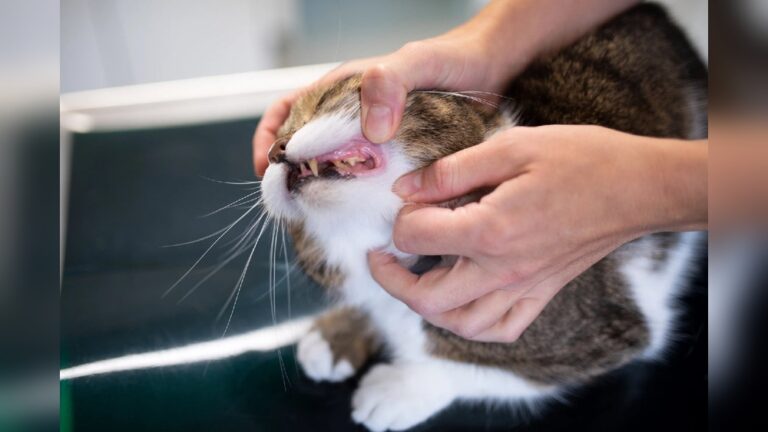

If your cat is constantly scratching its ears or shaking its head, it could be a sign of ear mites. These tiny pests cause a lot of discomfort and can lead to serious ear infections if left untreated.
You want to help your furry friend feel better fast, but where do you start? You’ll discover simple and effective ways to treat ear mites in cats. By the end, you’ll have the confidence to protect your cat’s ears and keep them healthy.
Keep reading to learn exactly what you need to do to stop those pesky mites for good.
Symptoms Of Ear Mites
Ear mites cause discomfort and irritation in cats. These tiny parasites live in the ear canal. They cause inflammation and itching. Cats may show clear signs that something is wrong. Recognizing symptoms early helps in quick treatment. This section explains common signs to watch for and changes in behavior.
Signs To Watch For
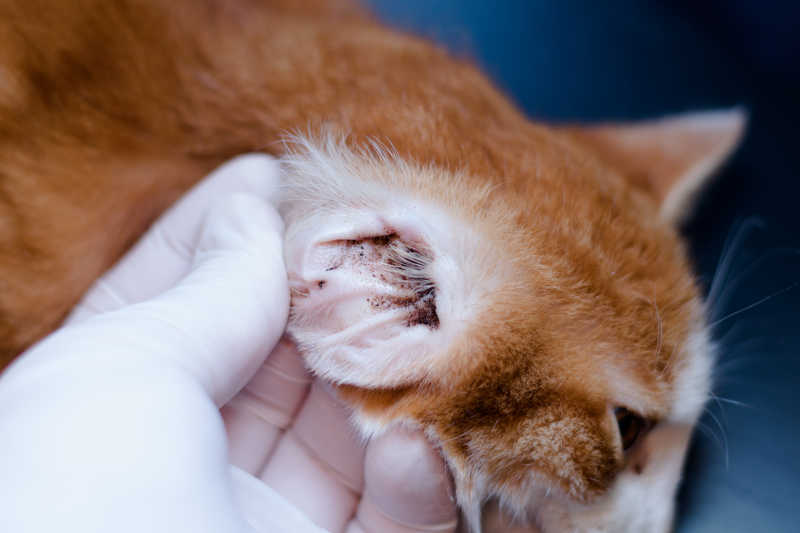
One common sign is frequent scratching of the ears. Cats may also shake their heads often. Dark, crumbly debris may appear in the ear. This debris looks like coffee grounds. The ears might look red and inflamed. Some cats show a strong odor from their ears. Swelling or scabs can develop around the ear edges. These signs indicate the presence of ear mites.
Behavioral Changes In Cats
Cats with ear mites may seem restless or irritable. They might scratch or rub their heads more than usual. Some cats become less active or hide more. They may avoid being touched near the ears. Changes in sleep patterns are also common. These behaviors show the cat’s discomfort and pain.
Credit: www.smalldoorvet.com
Causes And Transmission
Ear mites are tiny parasites that live in a cat’s ear canal. They cause itching, redness, and discomfort. Understanding how cats catch these mites helps prevent and treat infestations. The causes and transmission of ear mites are simple but important to know.
How Cats Get Ear Mites
Cats catch ear mites mainly through close contact with other animals. The mites move easily from one cat to another. Shared bedding, grooming, or playing can spread mites. Kittens are more likely to get mites from their mother. Outdoor cats face higher chances of exposure to these parasites.
Risk Factors
Young cats and kittens have weaker immune systems. This makes them more vulnerable to ear mites. Cats living in crowded places like shelters are at greater risk. Poor hygiene and dirty living conditions also increase the chance of mites. Stray cats or cats that roam outdoors face more exposure to infected animals.
Home Remedies For Ear Mites
Ear mites cause discomfort and irritation in cats. Home remedies can help ease symptoms and fight mites. These methods focus on cleaning and natural treatments. They support your cat’s healing process safely at home.
Always watch your cat’s response to any treatment. Consult a vet if symptoms worsen or do not improve.
Cleaning Techniques
Cleaning your cat’s ears is the first step. Use a soft cloth or cotton ball dampened with warm water. Gently wipe the visible dirt and wax from the ear flap and canal entrance.
Never insert cotton swabs deep into the ear. This can cause damage or push mites further inside. Clean once daily to remove debris and mites.
Use a vet-approved ear cleaner for deeper cleaning. Follow instructions carefully. This helps dissolve wax and flush out mites.
Natural Treatments
Some natural oils can soothe itching and repel mites. Olive oil or coconut oil works well. Warm the oil slightly and apply a few drops into the ear.
Massage the base of the ear gently. This spreads the oil and loosens debris. Leave it for a few minutes before wiping excess oil away.
Tea tree oil is effective but must be diluted heavily. Use only under vet guidance. Incorrect use can harm your cat.
Repeat these treatments daily for one to two weeks. Observe your cat’s comfort and ear condition closely.
Credit: www.hartz.com
Medical Treatments
Medical treatments are the main way to get rid of ear mites in cats. These treatments target the mites directly and help ease your cat’s discomfort. The goal is to kill the mites and stop them from coming back. Your vet will suggest the best treatment based on your cat’s condition.
Topical Medications
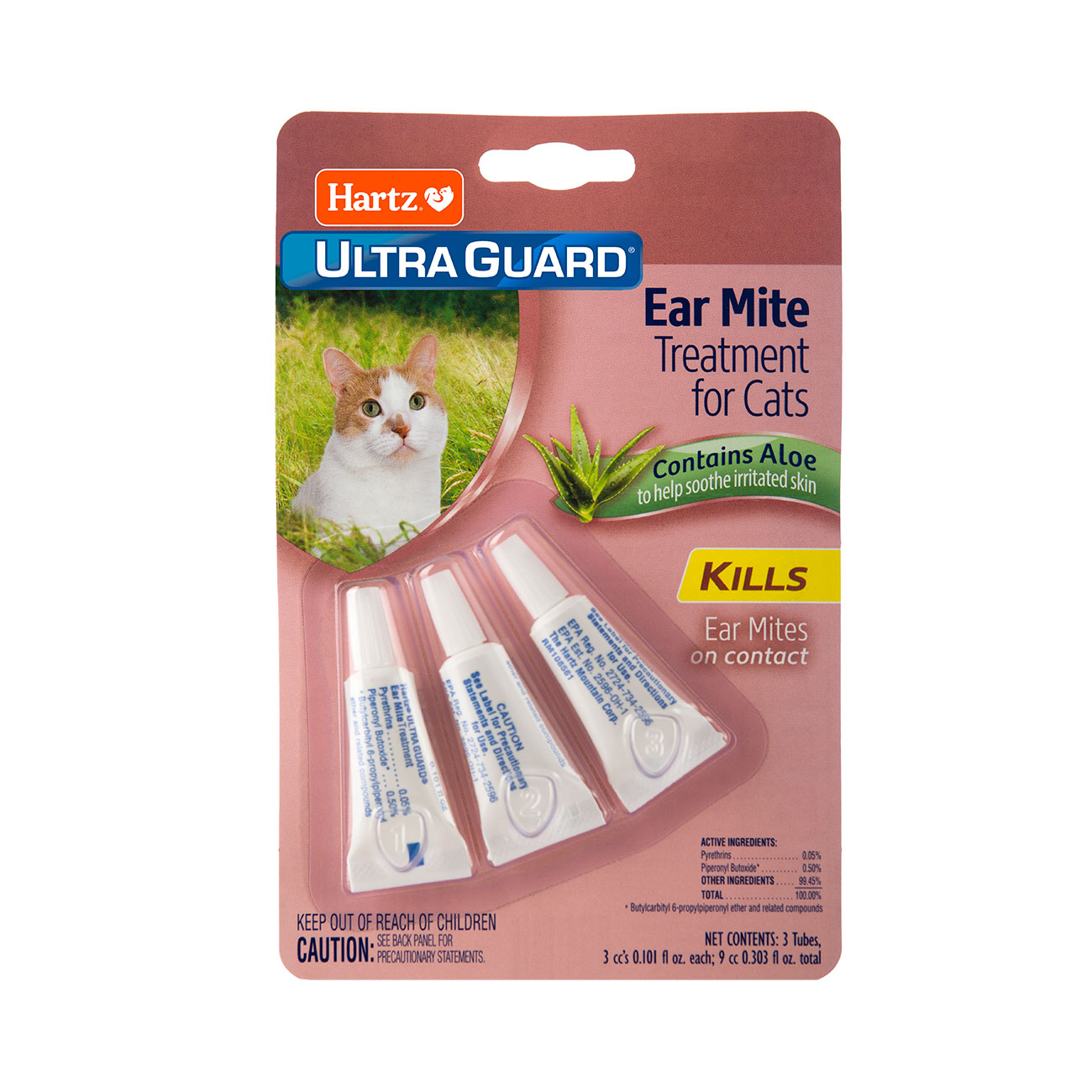
Topical medications are applied directly into your cat’s ear. These medicines kill mites on contact and reduce itching fast. Most come as drops or ointments. You must clean your cat’s ears before applying. This helps the medicine work better. Apply the medicine carefully to avoid hurting your cat. Usually, treatment lasts for a few weeks. Follow your vet’s instructions strictly to make sure all mites die.
Oral And Injectable Options
Oral and injectable medicines help treat mites from inside your cat’s body. These options are useful if topical treatments don’t work well. Pills or injections reach mites hiding deep in the ears. They can also prevent future mite infestations. The vet will decide the right dose and duration. Keep giving the medicine until the vet says to stop. Watch your cat for side effects during treatment. Contact your vet if you see any problems.
Preventing Ear Mite Infestations
Preventing ear mite infestations is key to keeping cats healthy and comfortable. Ear mites cause itching, irritation, and infections. Taking steps to stop mites early helps avoid pain and costly treatments.
Focus on regular ear care and controlling the cat’s environment. These habits reduce the chance of mites spreading or returning. Consistent effort keeps ears clean and safe.
Regular Ear Care
Check your cat’s ears once a week for dirt or redness. Use a soft cloth or cotton ball to gently clean the outer ear. Avoid pushing anything deep into the ear canal.
Use vet-approved ear cleaning solutions to remove wax and debris. Clean ears help stop mites from settling and breeding. Look for signs like scratching, shaking, or dark discharge.
Early detection leads to faster treatment and less discomfort. Regular ear care builds a healthy routine for your cat.
Environmental Control
Keep your cat’s bedding clean and wash it often. Vacuum carpets and furniture to remove mites and eggs from the home. Mites spread easily in dirty or crowded spaces.
Limit contact with stray or infected animals. Quarantine new pets before introducing them to your cat. This reduces the chance of bringing mites into your home.
Maintaining a clean environment helps stop ear mites from returning. A tidy space supports your cat’s overall health and comfort.
When To See A Veterinarian
Knowing when to see a veterinarian is crucial for your cat’s health. Ear mites cause discomfort and can lead to serious problems. Early treatment helps avoid complications and pain. Watch your cat closely for signs of worsening symptoms.
Signs Of Severe Infection
Look for constant scratching and shaking of the head. Redness and swelling inside the ear are warning signs. Dark discharge or foul smell means infection may be present. Your cat might show signs of pain or sensitivity around the ears. Hearing loss or balance problems need immediate attention.
Follow-up Care
Veterinarians often schedule follow-up visits to check progress. Treatment may include cleaning ears and giving medication. Keep your cat’s ears dry and clean between visits. Follow all instructions carefully to prevent recurrence. Persistent symptoms require further evaluation and possible treatment change.

Credit: www.hohenwaldvet.com
Frequently Asked Questions
What Are Common Symptoms Of Ear Mites In Cats?
Ear mites cause itching, redness, and dark discharge in cats. They often shake their heads and scratch ears frequently. This irritation can lead to infections if untreated. Early detection helps prevent complications and eases treatment.
How Do Veterinarians Treat Ear Mites In Cats?
Vets use medicated ear drops or topical treatments to kill ear mites. Sometimes oral medications are prescribed for severe cases. Cleaning the ears before treatment improves effectiveness. Follow-up visits ensure mites are fully eliminated.
Can Ear Mites In Cats Spread To Humans Or Pets?
Ear mites mainly affect cats and other animals. They rarely infest humans but can cause mild irritation. Direct contact with infected animals spreads mites quickly. Treat all pets in the household to stop reinfestation.
How Long Does Ear Mite Treatment Take To Work?
Treatment usually takes 2 to 4 weeks to fully clear mites. Symptoms improve within days but mites can survive life cycles if treatment stops early. Complete medication and cleaning ensure effective elimination.
Conclusion
Treating ear mites in cats is important for their health and comfort. Early care stops the mites from spreading. Use the right medicine as your vet advises. Clean your cat’s ears gently and regularly. Keep your cat’s environment clean too.
Watch for signs of mites returning. Healthy ears mean a happy cat. Simple steps protect your pet well. Stay patient and consistent with treatment. Your cat will feel better soon.