Is your dog scratching its ears more than usual? You might be wondering if ear mites are the cause.
These tiny pests can make your dog uncomfortable and lead to infections if not treated quickly. But how can you tell if your dog actually has ear mites? You’ll learn the simple signs to watch for and what steps to take to keep your furry friend comfortable and healthy.
Keep reading to discover how to spot ear mites early and get the right treatment fast—your dog’s ears will thank you!
Credit: www.petmd.com
Signs Of Ear Mites
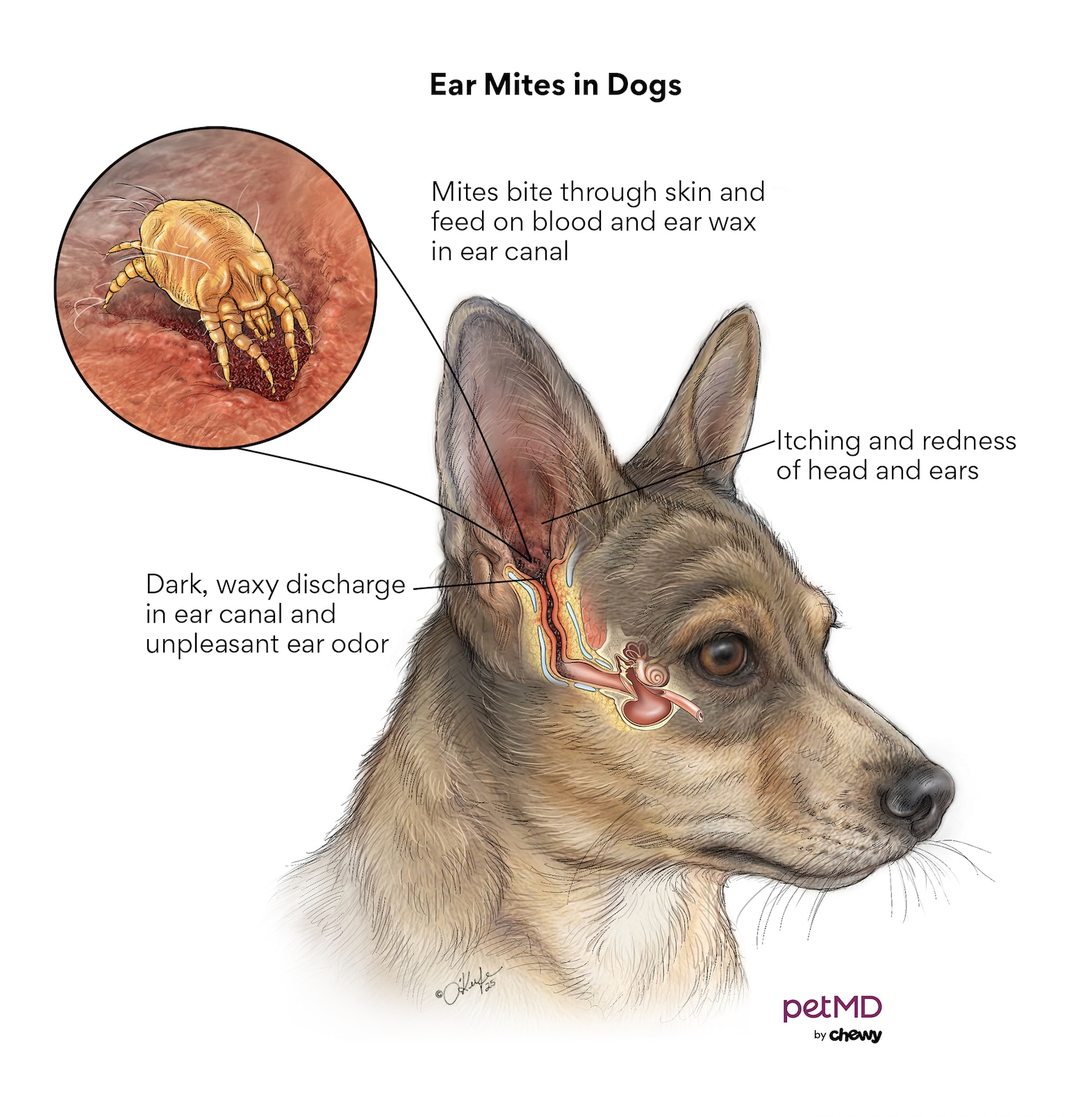
Ear mites cause discomfort and irritation in dogs. Recognizing signs early helps in quick treatment. These tiny parasites live inside the ear canal, causing trouble for your pet. Watch for specific behaviors and changes in your dog’s ears.
Frequent Ear Scratching
Your dog may scratch its ears often. This happens because mites cause itching and irritation. Excessive scratching can lead to wounds or infections. Notice if your dog focuses on one or both ears.
Head Shaking
Dogs with ear mites often shake their heads. This action tries to remove the discomfort inside the ears. Head shaking can be vigorous and frequent. It may also cause hair loss around the ears.
Dark Ear Discharge
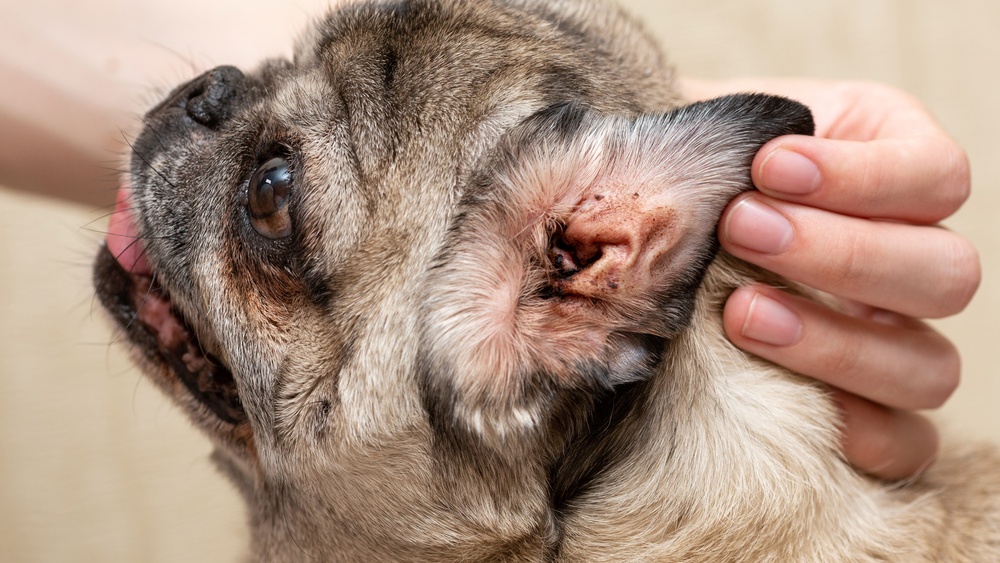
Look for dark, crumbly discharge in the ear canal. It often looks like coffee grounds. This discharge results from mites and their waste. It is a clear sign that your dog needs care.
Inflamed Or Red Ears
The inside of the ears may appear red or swollen. Inflammation happens due to irritation from the mites. The skin can look raw or sensitive to touch. This condition causes pain and discomfort.
Unpleasant Odor
A foul smell may come from your dog’s ears. This odor is caused by infections linked to ear mites. Clean ears usually do not have a bad smell. Notice any change in your dog’s ear scent.
Causes And Risk Factors
Understanding the causes and risk factors of ear mites in dogs helps pet owners spot the problem early. Ear mites are tiny parasites that live in the ear canal. They cause itching, irritation, and sometimes infections. Knowing how dogs get ear mites and which pets are at risk can protect your furry friend.
How Dogs Get Ear Mites
Dogs get ear mites through direct contact with other animals. These mites spread easily from dog to dog or from cats to dogs. They thrive in warm, dark places like the ear canal. If your dog plays or lives with an infected pet, the chances of catching ear mites increase. Contaminated bedding or grooming tools can also carry mites.
Pets At Higher Risk
Puppies and young dogs often get ear mites more than adults. Their immune systems are not fully developed. Dogs with poor ear hygiene or chronic ear problems also face higher risk. Stray dogs or those in shelters may catch mites due to close quarters. Pets spending time outdoors or in contact with other animals are more vulnerable.
Contagious Nature
Ear mites are highly contagious. They spread quickly in environments with many pets. One infected animal can pass mites to others in the same household. Sharing bedding or toys can also spread mites. Treating all pets at once helps stop the cycle of reinfection. Good hygiene and regular ear checks reduce the risk of spread.
Vet Diagnosis
A vet diagnosis is essential to confirm if a dog has ear mites. Many ear problems look similar, so a professional check is needed. Vets use specific methods to identify ear mites accurately. This ensures the dog gets the right treatment quickly.
Physical Examination
The vet starts with a careful look at the dog’s ears. They check for redness, swelling, or discharge. Scratching and head shaking signs are noted too. This initial exam helps the vet decide on further tests.
Microscopic Ear Swab
The vet takes a small sample of ear debris using a swab. This sample is placed on a slide and examined under a microscope. Ear mites are tiny and can be seen moving. This test confirms the presence of ear mites clearly.
Ruling Out Other Conditions
Other ear problems can cause similar symptoms. The vet checks for yeast or bacterial infections. Allergies and foreign objects are also considered. This process avoids wrong treatments and targets the real cause.

Credit: www.reddit.com
Treatment Options
Effective treatment is essential to clear ear mites and ease your dog’s discomfort. Multiple options exist to address this problem. Choosing the right treatment depends on your dog’s condition and your vet’s advice.
Prescription Oral Medications
Oral medications like NexGard (afoxolaner) and Bravecto (fluralaner) target ear mites quickly. A single dose can kill most mites. These medicines start working fast, often relieving symptoms within days. Oral meds also protect against other parasites, adding extra benefits.
Ear Drops And Topical Treatments
Ear drops contain ingredients such as ivermectin or milbemycin. They directly kill mites inside the ear canal. Some drops also reduce inflammation and fight infections. Applying drops regularly as directed helps clear mites and soothe irritation. Cleaning the ears before treatment improves effectiveness.
Spot-on Treatments
Spot-on treatments use medicines like selamectin or moxidectin. These apply on the skin, usually between the shoulder blades. They spread through the body to eliminate mites. Spot-ons are easy to use and can treat other parasites too. Follow dosage instructions carefully for best results.
Treatment Timeline
Most treatments begin to relieve symptoms in one or two days. Complete mite elimination may take weeks. Consistent treatment is key to stopping the mite life cycle. Your vet might schedule follow-up visits to check progress. Cleaning your dog’s environment helps prevent re-infestation.
Home Care Tips
Home care plays a key role in managing ear mites in dogs. Keeping your dog’s ears clean and safe helps reduce discomfort. It also supports any medical treatment your vet has prescribed. Simple daily steps can protect your pet and keep ear mites from worsening.
Cleaning Your Dog’s Ears
Use a vet-approved ear cleaner to gently clean your dog’s ears. Avoid using cotton swabs deep inside the ear canal. Soft gauze or cotton balls work well for wiping the outer ear. Clean ears remove dirt and help spot mites early. Do this once or twice a week but stop if your dog shows pain.
Avoiding Harmful Remedies
Do not use home remedies without vet approval. Some substances can irritate your dog’s ear or worsen the problem. Avoid using alcohol, hydrogen peroxide, or essential oils. These may cause burns or dryness. Trust only products recommended by your veterinarian for safe and effective treatment.
Preventing Spread To Other Pets
Keep your dog away from other pets during treatment. Ear mites spread easily through close contact. Wash bedding, toys, and grooming tools regularly in hot water. Clean your hands after touching your dog’s ears. These steps help stop mites from spreading to other animals in your home.
When To See A Vet Immediately
Knowing when to take your dog to the vet is vital if ear mites are suspected. Quick action can prevent serious issues. Some symptoms need immediate professional care to avoid complications.
Watch your dog closely for signs that indicate a vet visit is urgent. Early treatment can protect your dog’s hearing and comfort.
Signs Of Secondary Infection
Ear mites can cause wounds and inflammation. These may lead to bacterial or yeast infections. Look for redness, swelling, or foul odor in the ear. Discharge that is yellow or green is a warning. These signs mean the infection has worsened and needs veterinary care.
Persistent Symptoms Despite Treatment
Sometimes symptoms do not improve with home treatment. Constant scratching, shaking, or head tilting lasting more than a few days is a concern. Failure to heal suggests the mites or infection remain. A vet can provide stronger medications or identify other causes.
Discomfort Or Pain
Your dog may show pain by whining or pulling away when you touch its ears. Excessive scratching or rubbing the ears on furniture also signals discomfort. Ear mites cause itching, but pain means the problem is severe. Immediate veterinary attention can relieve pain and prevent damage.

Credit: www.dogster.com
Frequently Asked Questions
How Do You Get Rid Of Ear Mites In Dogs Fast?
Use fast-acting prescription meds like NexGard or Bravecto for quick relief. Vet-prescribed ear drops also help. Treat all pets to prevent spread. Avoid home remedies and toxic flea sprays.
How Do I Know When My Dog Has Ear Mites?
Signs of ear mites include intense scratching, head shaking, dark ear discharge, redness, and a strong odor. Visit a vet for diagnosis.
Should I Clean My Dog’s Ears If He Has Ear Mites?
Yes, gently clean your dog’s ears to remove debris and discharge before applying vet-prescribed ear mite treatment.
Do Ear Mites Go Away On Their Own?
Ear mites rarely go away on their own and usually require veterinary treatment. Untreated infestations can worsen and spread.
Conclusion
Detecting ear mites early helps protect your dog’s health. Watch for itching, head shaking, and dark ear debris. Visit a vet to confirm the cause and get proper treatment. Prescription medicines clear mites quickly and reduce discomfort. Treat all pets in your home to stop spreading.
Avoid home remedies that may harm your dog. Regular ear checks keep your dog happy and healthy. Taking action soon prevents serious ear problems later. Stay attentive and care for your dog’s ears every day.