If your dog is suddenly dealing with diarrhea, you’re probably worried and wondering what caused it. Diarrhea in dogs can be more than just a messy inconvenience—it might signal something that needs your attention.
Understanding the common triggers behind this problem can help you take quick action and keep your furry friend comfortable and healthy. You’ll discover the main reasons why your dog might have diarrhea and what you can do to help them feel better fast.
Keep reading to protect your dog’s health and bring back their happy tail wag!
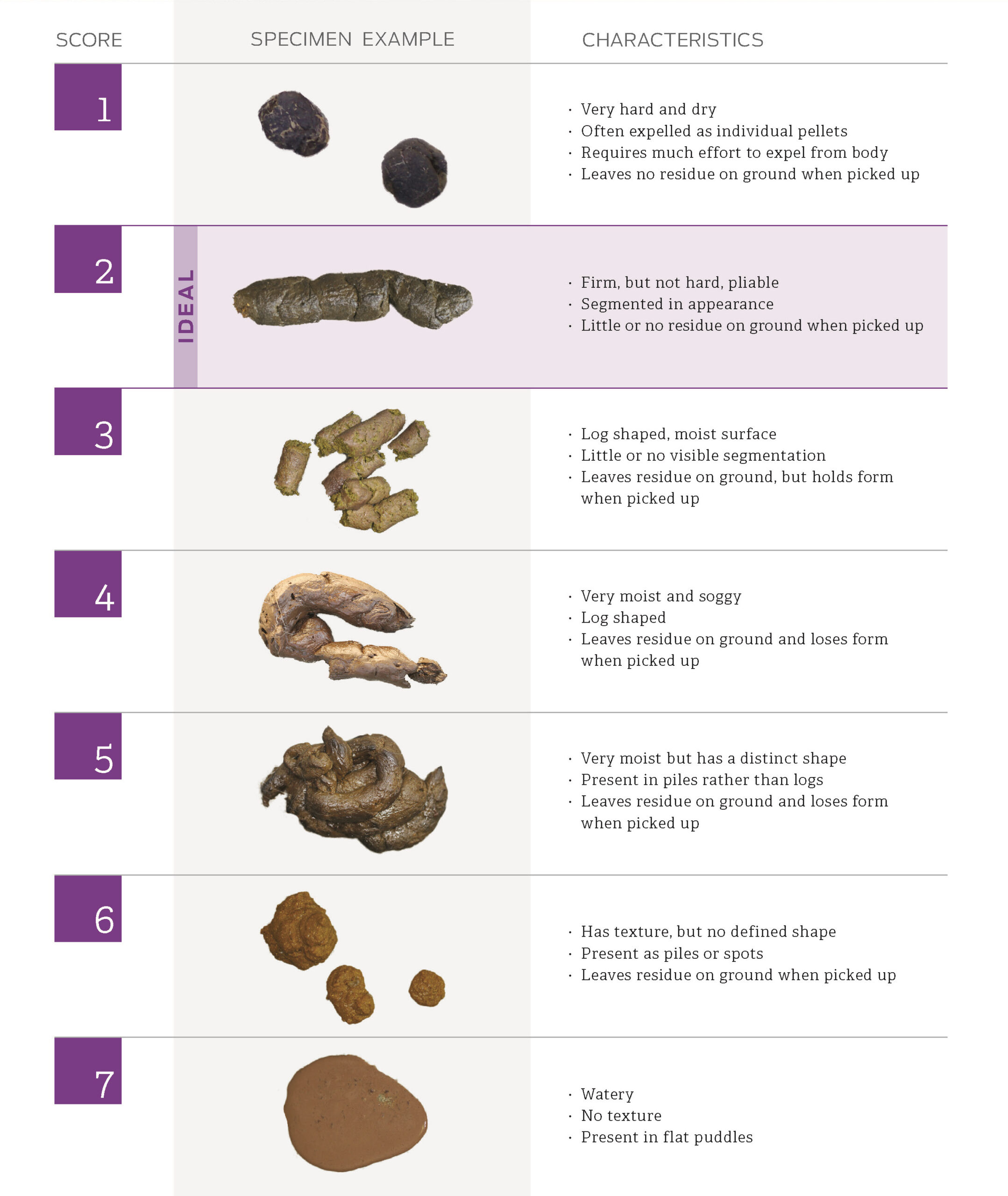
Credit: www.amcny.org
Common Causes Of Dog Diarrhea
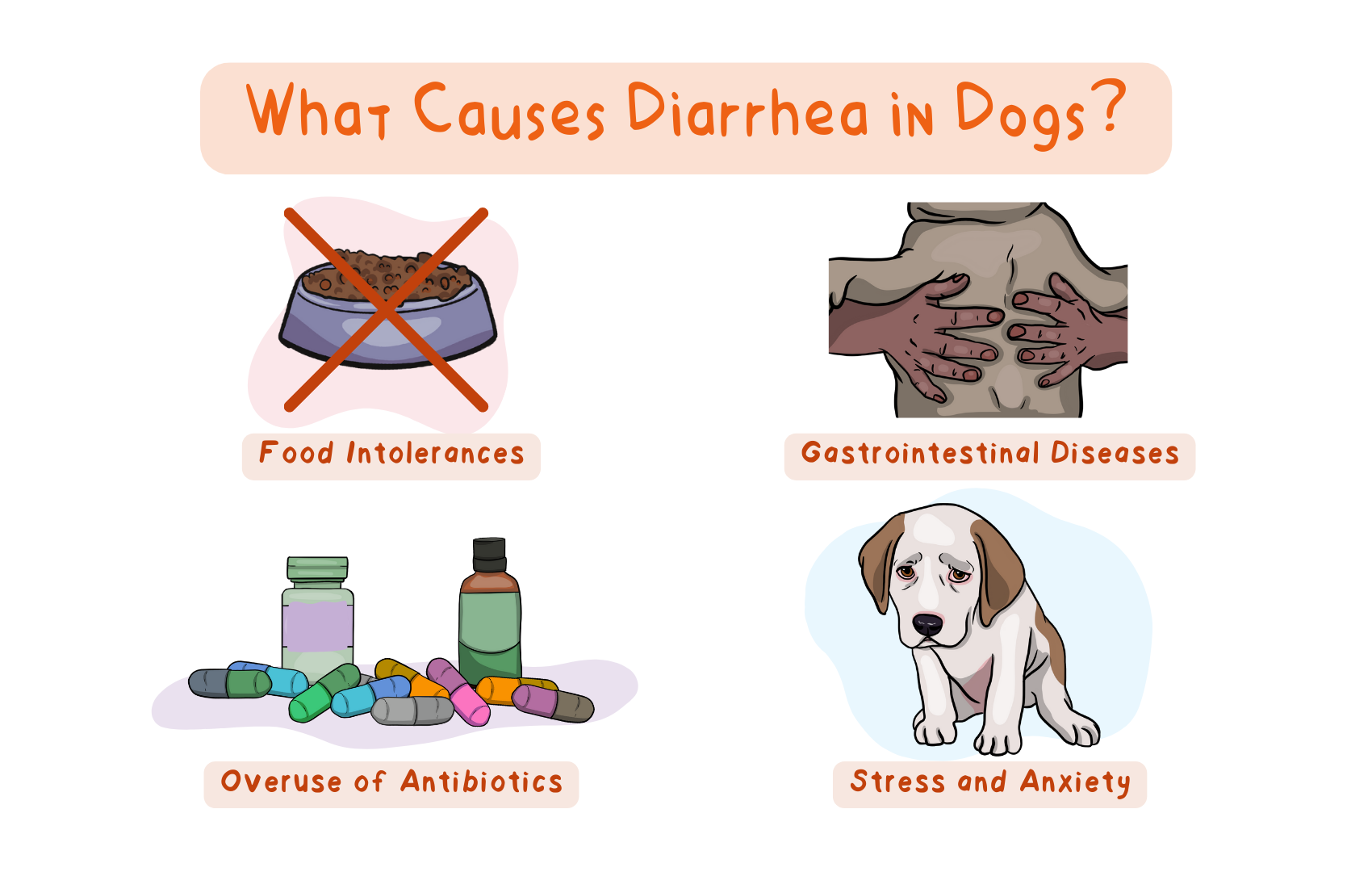
Dog diarrhea is a common problem many pet owners face. Understanding its causes helps keep dogs healthy. This section explains the common reasons behind dog diarrhea. Each cause affects the dog’s digestive system differently. Recognizing these can guide you to the right care or vet visit.
Dietary Changes
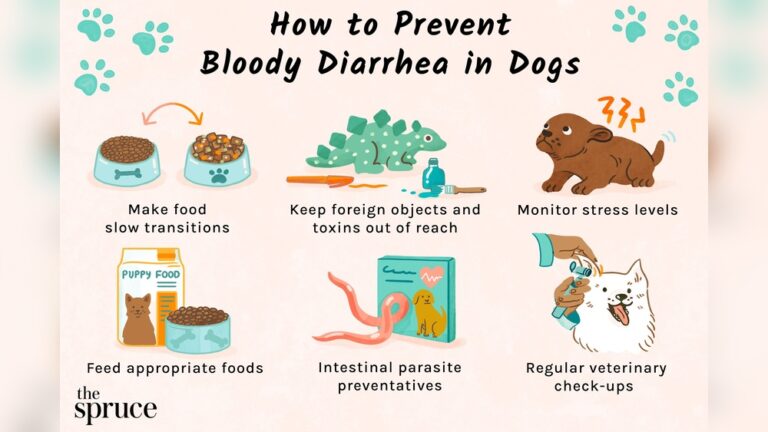
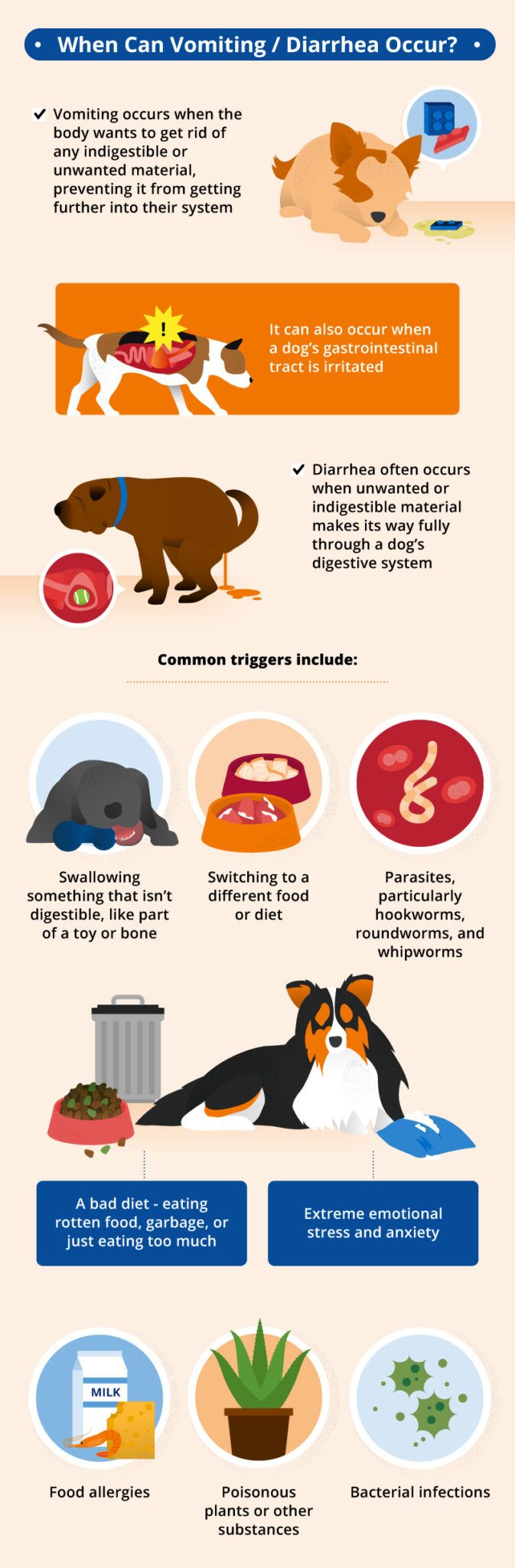
Sudden changes in a dog’s diet often cause diarrhea. Dogs have sensitive stomachs that react to new foods. Introducing new treats or switching dog food too quickly upsets digestion. Always change food gradually to avoid stomach problems.
Infections And Parasites
Bacterial or viral infections can lead to diarrhea in dogs. Parasites like worms also cause digestive issues. These infections spread through contaminated food, water, or contact with other animals. Regular vet checks and hygiene help prevent infections.
Food Intolerances
Some dogs cannot digest certain foods well. Food intolerances cause irritation and diarrhea. Common offenders include dairy, wheat, or specific proteins. Identifying and avoiding these foods keeps dogs comfortable and healthy.
Stress And Anxiety
Stress affects a dog’s digestion just like in humans. Changes in environment, loud noises, or separation anxiety may trigger diarrhea. Keeping a calm and stable environment helps reduce stress-related digestive upset.
Toxin Ingestion
Eating harmful substances causes immediate digestive problems. Toxins can come from plants, chemicals, or spoiled food. Dogs explore with their mouths, so accidental ingestion is common. Quick action is needed if poisoning is suspected.
Underlying Health Issues
Chronic diarrhea can signal deeper health problems. Conditions like liver disease, pancreatitis, or inflammatory bowel disease affect digestion. Persistent symptoms require a vet’s diagnosis and treatment plan.
Credit: www.feedreal.com
Symptoms To Watch For
Dogs with diarrhea show clear signs. Noticing these signs early helps you act fast. Watch your dog’s stool and behavior closely. Changes can signal health problems needing attention.
Frequency And Consistency
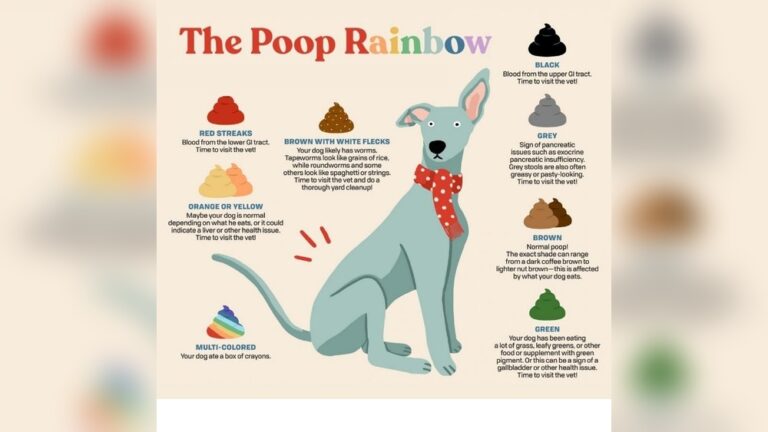
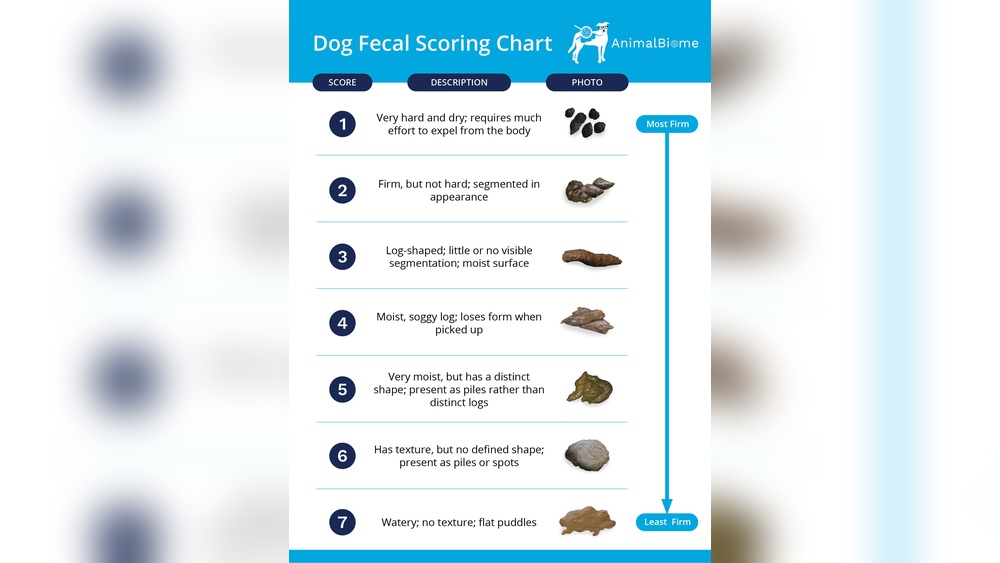
Check how often your dog poops. More than usual means trouble. The stool may look loose or watery. It might be very soft or have mucus. These changes show your dog’s digestion is upset.
Other Physical Signs
Look for signs like vomiting or a fever. Your dog may seem tired or weak. The belly might swell or feel sore. Sometimes, you may see blood in the stool. These signs suggest a serious problem.
Behavioral Changes
Your dog may act different than usual. They might eat less or refuse food. Some dogs hide or avoid playtime. Whining or pacing can mean discomfort. These behaviors often point to stomach issues.
Home Remedies For Dog Diarrhea
Dog diarrhea can be upsetting for both pets and owners. Many mild cases improve at home with simple care. Home remedies help soothe your dog’s stomach and restore balance. These methods focus on hydration, diet, and comfort to aid recovery.
Hydration Tips
Diarrhea causes fluid loss, so keep your dog hydrated. Offer fresh water often to prevent dehydration. You can also give ice cubes for slow drinking. For extra care, use an electrolyte solution made for dogs. Avoid sugary drinks or cow’s milk, as they may worsen diarrhea.
Bland Diet Options
Switch to a bland diet to ease digestion. Cooked white rice mixed with boiled chicken is gentle on the stomach. Plain pumpkin puree helps firm stools and adds fiber. Feed small portions several times a day instead of one big meal. Gradually return to regular food after symptoms improve.
Probiotics Use
Probiotics support healthy gut bacteria and digestion. Use probiotic supplements designed for dogs. Yogurt with live cultures can also help in small amounts. These friendly bacteria reduce inflammation and improve stool consistency. Always check with a vet before starting probiotics.
Rest And Comfort
Rest helps your dog heal faster. Provide a quiet, comfortable space for relaxation. Avoid vigorous play or exercise during recovery. Keep your dog warm but not overheated. Gentle petting can reduce stress and promote calmness.
When To See A Veterinarian
Knowing when to see a veterinarian for your dog’s diarrhea is very important. Some cases are mild and clear up fast. Other times, the problem signals a serious health issue. Acting quickly can protect your dog’s health and comfort.
Signs Of Severe Illness
Look for signs like blood in stool, vomiting, or weakness. A dog that cannot stand or is very tired needs help fast. High fever or severe belly pain are also warnings. These signs mean a vet visit is urgent.
Duration Of Symptoms
Diarrhea lasting more than two days needs veterinary attention. If your dog has diarrhea and shows no improvement, see a vet. Quick treatment can stop problems from getting worse. Don’t wait too long to act.
Age And Health Considerations
Puppies, older dogs, or those with other illnesses need care fast. Their bodies cannot handle diarrhea well. A weak or sick dog can become very ill quickly. Always check with a vet for these dogs.
Preventing Future Episodes
Preventing future episodes of diarrhea in dogs helps keep them healthy and happy. Many causes of diarrhea relate to daily habits and environment. Changing these habits can reduce risks. Simple steps can protect your dog’s digestive health.
Safe Feeding Practices
Feed your dog high-quality food made for dogs. Avoid sudden changes in diet. Introduce new food slowly over several days. Do not give your dog human food or scraps. Avoid spoiled or old food. Always provide clean, fresh water to help digestion.
Regular Parasite Control
Parasites often cause diarrhea in dogs. Regular vet visits help detect and treat parasites early. Use vet-recommended parasite control products. Keep your dog’s environment clean to reduce parasite risks. Check for signs like itching or weight loss. Treat parasites promptly to prevent illness.
Stress Reduction Techniques
Stress can upset your dog’s stomach. Provide a calm and safe space at home. Keep a consistent daily routine for feeding and walks. Avoid loud noises and sudden changes. Spend quality time with your dog to build trust. Use calming aids if your vet suggests them.
Credit: canna-pet.com
Frequently Asked Questions
What Are The Common Causes Of Diarrhea In Dogs?
Dogs often get diarrhea from eating spoiled food, sudden diet changes, or infections. Parasites and stress can also cause loose stools.
Can Certain Foods Trigger Diarrhea In Dogs?
Yes, foods like dairy, spicy items, or garbage can upset a dog’s stomach. Some dogs have food allergies that cause diarrhea too.
How Do Infections Lead To Diarrhea In Dogs?
Bacterial, viral, or parasitic infections irritate the intestines and cause diarrhea. These infections often come from contaminated water or other animals.
When Should I Worry About My Dog’s Diarrhea?
If diarrhea lasts more than two days, or your dog shows weakness, vomiting, or blood, see a vet. Persistent diarrhea can lead to dehydration.
Can Stress Cause Diarrhea In Dogs?
Stress and anxiety can upset a dog’s digestive system and cause diarrhea. Changes in environment, travel, or loud noises are common triggers.
Conclusion
Dogs can get diarrhea from many causes like diet, infections, or stress. Knowing the reason helps you care for your pet better. Keep an eye on your dog’s health and habits every day. Offer clean water and good food to support their digestion.
If diarrhea lasts more than a day or worsens, visit a vet soon. Early action can prevent serious problems. Taking care of your dog’s gut keeps them happy and active. Simple steps make a big difference in your dog’s health.